
Reviewed · CRETE TOURS
Chania Cooking Class-The Authentic Enjoy traditional Cretan meal
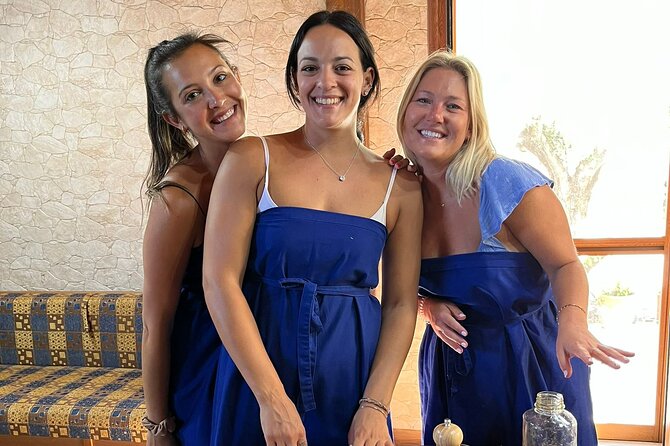
The best part of this Chania cooking class is that you do not simply watch someone prepare Greek food. You roll dough, stuff vegetables, shape grape leaves, and help make the meal you later eat at a family property near Nerokouros. Veerna leads the cooking, with family members such as Kostas and Alex helping create a warm, easygoing setting.
I like the mix of hands-on work and Cretan food stories, especially the explanation of kleftiko, or thieves dinner, before you prepare the lamb. I also like the generous menu: ntakos, tzatziki, savory and sweet kalitsounia, dolmades, stuffed vegetables, lamb, dessert, wine, and soft drinks. The main consideration is timing. You may not eat until about three hours into the four-hour session, so have a light meal beforehand.
Key points to know before booking
- A full Cretan meal is prepared from start to finish: You make several dishes rather than focusing on one recipe.
- Kleftiko is the centerpiece: Learn the story behind the lamb pouch filled with vegetables and goat cheese.
- The setting is part of the experience: Cooking takes place in an outdoor kitchen near an olive grove, with garden seating.
- You work with real techniques: Expect chopping, stuffing, rolling dough, and shaping phyllo pastry.
- Lunch or dinner is available: Choose approximately 10:00 to 14:00 or 16:00 to 20:00.
- Transport requires an extra fee: Pickup may be arranged, but it is not included in the advertised price.
Why this class feels more like a meal with family
Many cooking classes are built around a demonstration, followed by a quick tasting. This one is designed as a shared household meal. You arrive with a homemade refreshment or Greek coffee, along with homemade cookies, then settle into the kitchen while the menu and its Cretan background are explained.
The family atmosphere is not just a sales line. Veerna, Kostas, Alex, and the wider team take part in the welcome, teaching, cooking, and conversation. You might hear family stories alongside instructions for folding dough or seasoning vegetables. That personal contact is a major reason this class works so well for people who want more than a standard restaurant meal.
The outdoor setting adds to the appeal. The kitchen and seating area are by an olive grove, and the cooking space is described as shady even on very hot days. You are not dining in a formal culinary school. You are preparing food in a relaxed Cretan home setting, with enough room for the cooking and the final meal.
Group size can vary. The activity allows up to 40 people, while some sessions described by participants had around 20 or 27. That difference matters. A smaller group should give you more direct time with Veerna and the cooking team. If you are booking alone or with fewer than four people, contact the provider first, since you may be placed with another group.
More Cooking Classes in Crete
- Chania: Authentic Cooking Class in the White Mountains
★ 4.9 · 529 reviews - The Real Cretan Cooking Experience
★ 5.0 · 528 reviews - Full-Day Jeep Safari Tour with Cooking Lesson
★ 5.0 · 284 reviews
Starting with coffee, cookies, and a menu briefing
The first few minutes set the tone. You are welcomed with a homemade drink or Greek coffee and cookies, then introduced to the Mediterranean-based menu. This is a useful start because you learn what you will be eating before the work begins.
The menu is broad, but the cooking is broken into manageable jobs. You should expect to move between several preparations rather than spend the whole class on a single complex dish. That makes the session social and varied, though it also means the class is not aimed at mastering one recipe in great technical detail.
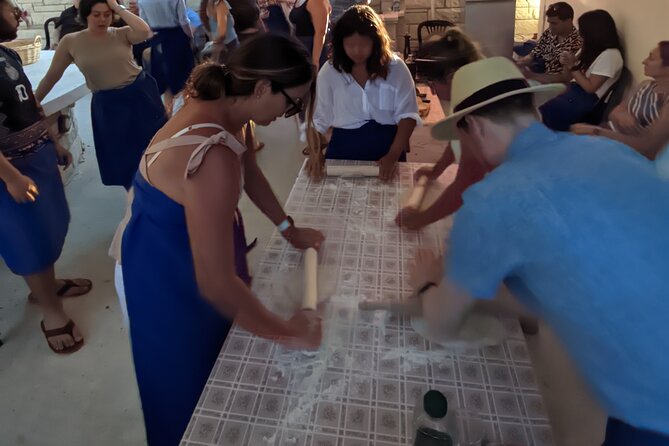
If you are a confident home cook, you will still find useful details in the process. One particularly hands-on part is making the dough for kalitsounia with rolling pins. The cooking team explains the steps and keeps the pace moving, but beginners are welcome too. You do not need professional kitchen experience.
Preparing kleftiko, the thieves dinner
Kleftiko is the main dish and the cultural centerpiece. The story behind the name refers to the thieves dinner, a dish associated with lamb cooked in a concealed pouch. Here, the pouch is filled with lamb, goat cheese, and vegetables.
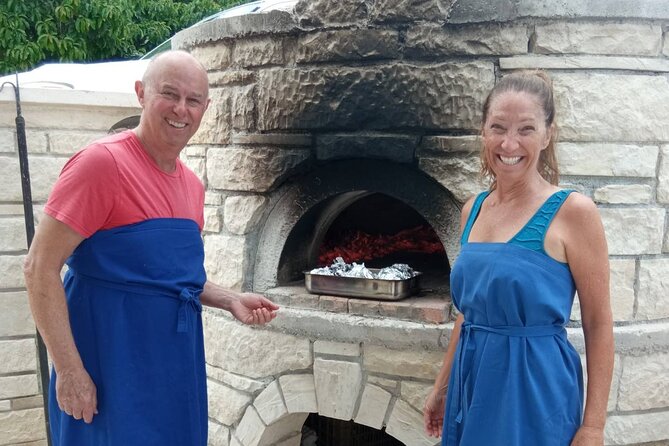
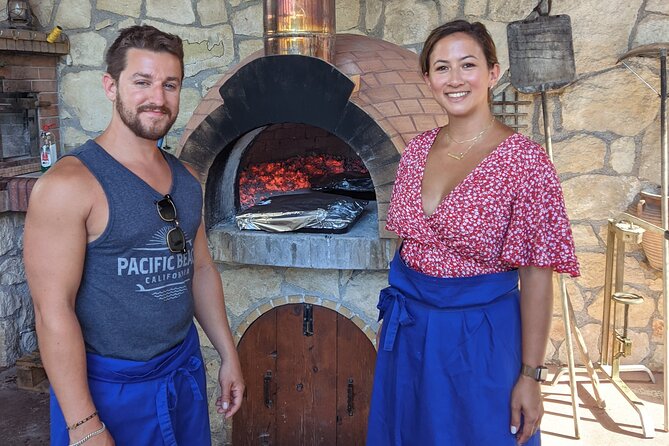
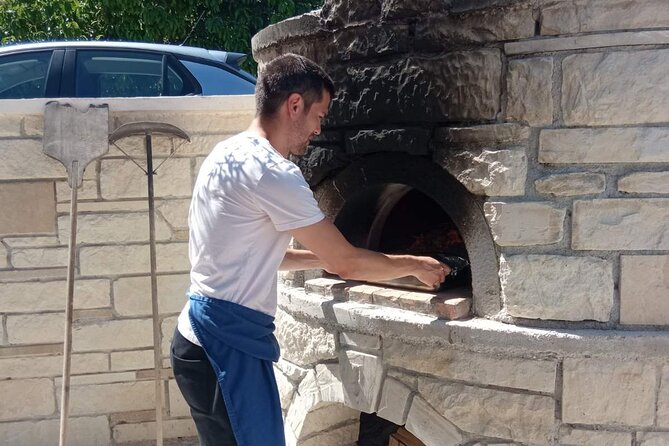
The method gives you a sense of how Cretan cooking often gets strong flavor from straightforward ingredients. You help prepare the components, then the lamb is cooked in an outdoor wood oven. Kostas is described as taking charge of the oven during the class, while Veerna leads the instruction.
This is the dish that requires patience. It is prepared early, but you will not eat it right away. That explains why the meal may not begin until roughly three hours after arrival. If you are hungry in the late morning or early evening, eat something small before you go. The welcome cookies and refreshments are not a substitute for lunch.
When the food finally reaches the table, the slow cooking is part of the payoff. The lamb is served with the other dishes you have prepared, so the main course feels like the result of a group effort rather than a plate handed to you.
Stuffed vegetables and dolmades
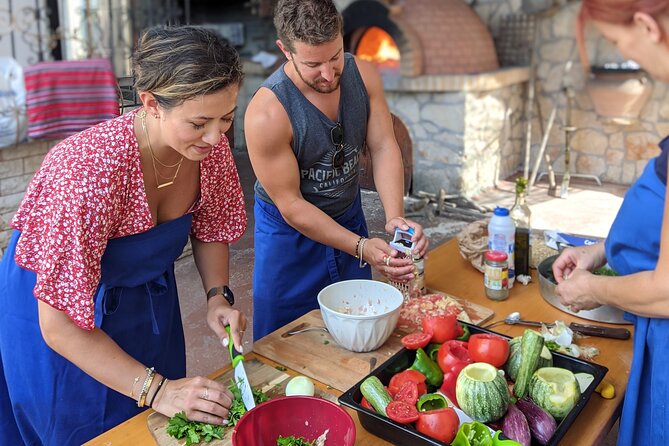
Next comes one of the most familiar parts of Greek home cooking: vegetables and grape leaves stuffed with rice and herbs. Tomatoes, peppers, and zucchini are used for the stuffed vegetables, while the dolmades are formed by wrapping the filling in grape leaves.
This is a good section for learning how Cretan cooks handle simple ingredients. You get to practice filling and folding, and you see how similar ingredients can produce different textures and shapes. It is also a social task. People work side by side, compare their attempts, and settle into the rhythm of the class.
The instructions are intended to be clear for beginners. You are not expected to arrive knowing how to roll dolmades. The cooking team guides the process, and the atmosphere remains relaxed rather than competitive.
More cooking classes around Crete:
- Cretan Cooking Class and Olive Oil Tasting
★ 5.0 · 178 reviews - Moires: Cooking Class and Olive Oil Tasting at a Family Farm
★ 5.0 · 93 reviews - Crete: Sightseeing Day Trip with Cooking Lesson and Lunch
★ 4.8 · 77 reviews - Chania: Authentic Cooking Class
★ 5.0 · 74 reviews
Rolling dough for savory and sweet kalitsounia
Kalitsounia are small Cretan pies, and they appear twice in the meal. The savory version is filled with cheese, wild greens, and herbs from the organic garden. The sweet version is filled with cheese and served with honey.
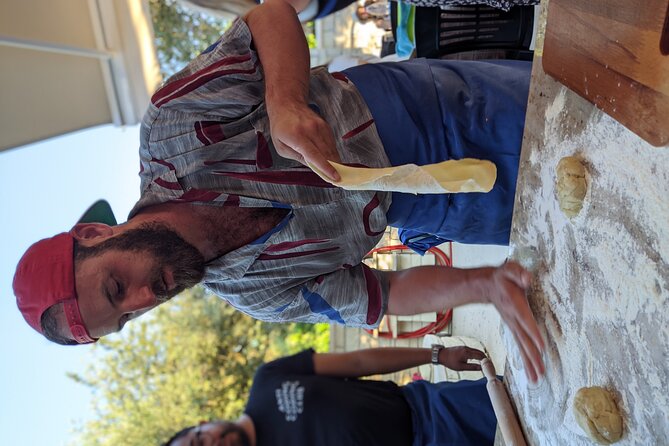
Making the dough is one of the most memorable tasks because you use rolling pins to produce the pastry yourself. This takes more involvement than simply watching a cook shape ready-made dough. It also gives you a practical sense of how much work goes into the pies served in Cretan homes and bakeries.
The savory kalitsounia function as an appetizer, while the sweet version comes later. The shift from herbs and cheese to honey makes the same basic pastry part of both the meal and dessert. If you like food that tells a story about local ingredients, this is one of the strongest parts of the class.
Ntakos, tzatziki, and Cretan salad
The appetizers are prepared last but eaten first. This may sound backward, but it lets the class finish the quicker fresh dishes while the lamb and other cooked food are ready.
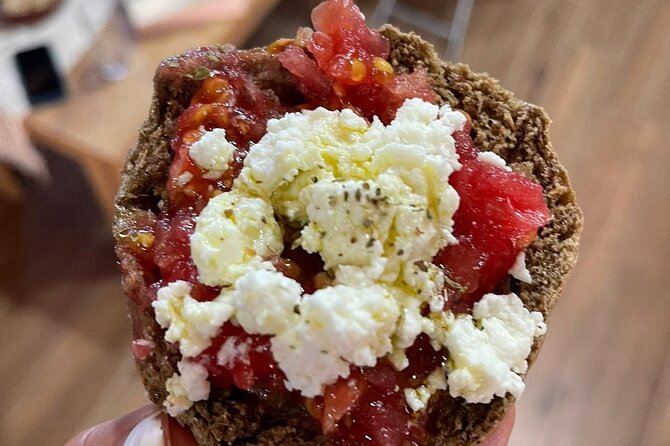
Ntakos is made from traditional Cretan baked bread topped with grated tomato and goat cheese. It is a compact example of the island’s cooking style: sturdy bread, ripe produce, cheese, and simple seasoning. Tzatziki brings yogurt, cucumber, and garlic to the table.
The Cretan salad adds another fresh element. Together, these dishes keep the meal from feeling too heavy, especially alongside lamb, stuffed vegetables, and pastry. You also get to see how a few good ingredients can carry a dish without elaborate preparation.
One practical detail is worth noting: the appetizers are not necessarily served as soon as you arrive. You may spend much of the session preparing food before sitting down to eat. That is why the class feels like a cooking workshop first and a meal second.
The shared table, local wine, and seasonal dessert
At the end, you sit down to eat the food you helped prepare. The meal includes local wine and soft drinks, along with lunch or dinner depending on the session you choose. Alcoholic drinks are included, so you do not need to budget separately for wine during the meal.
Dessert varies with the season. It may include sweet kalitsounia with honey and Greek yogurt with spoon sweet, made from wild fruits processed into a preserve. Spoon sweets are served in small portions and are meant to be enjoyed with yogurt or on their own.
The meal is generous. You are making several starters, two main preparations, pastry, and dessert in one sitting. The amount is part of the value, but it also means the class is not a quick activity you can squeeze between two sightseeing stops. Allow the full four hours, and note that the published duration can run from four to five hours depending on the number of people.
The shared table is where the social side comes together. You may sit with people from different countries, talk about food, and hear more from the family. Solo visitors are welcome, and the format makes it easier to meet others than a private kitchen lesson would.
What the $133.08 price includes
The listed price is $133.08 per person. The provider’s separate pricing policy gives an adult price of 105 EUR, with children aged 5 to 12 priced at 50 EUR and children aged 0 to 4 free. Check the amount shown at the time of booking, since the displayed dollar price and the local euro policy are not identical figures.
For a class that includes ingredients, instruction, a large meal, wine, soft drinks, and dessert, the price can be good value. You are also paying for a hosted cultural experience, not only for the food on the plate. The class gives you several recipes and techniques to take home, and recipes may be sent after the session.
The value is strongest if you enjoy participation. If you only want to sample Cretan dishes, a restaurant will be cheaper and faster. If you want to learn, cook, and spend several hours with a local family, the price is easier to justify.
Children can join at the reduced rate from age 5, and young people can take part in the preparation. Families with teenagers have found the format engaging because everyone has a job, and the meal gives the group a clear shared goal.
Getting to Nerokouros and planning your day
The meeting point is in Nerokouros, near Chania, at the address supplied after confirmation. The exact location is emailed once your booking is confirmed, so do not rely on simply entering a generic Chania cooking class name into a map.
Transportation is not included. Pickup may be arranged for an extra fee based on your location. The transfer service uses a nine-seat van and an electric vehicle, and the ride may be shared with other people attending the class. If you are arriving at the port or staying outside central Chania, ask about the pickup cost before committing.
The class ends back at the meeting point. For a lunch session, plan around 10:00 to 14:00. The dinner option runs about 16:00 to 20:00. Since the duration can stretch to five hours, avoid scheduling a tight ferry connection, museum visit, or evening reservation immediately afterward.
Free cancellation is available if you cancel at least 24 hours before the local start time. Changes or cancellations within 24 hours are not refunded.
Who will get the most from this Cretan cooking class
I would choose this class if you want to meet local people, learn several home-style dishes, and spend an unhurried half-day outside the center of Chania. It suits couples, families, solo visitors, food lovers, and groups with mixed cooking ability.
It is also a good pick for anyone curious about Cretan ingredients and customs. The meal gives you more than familiar Greek restaurant standards because you prepare dishes such as ntakos, dolmades, savory kalitsounia, and kleftiko in one session.
I would be more cautious if you dislike group activities or need a tightly timed itinerary. The maximum capacity is 40, and actual group size can change. A large session may mean less individual attention, although the cooking team works to involve everyone. You should also know that the meal comes late in the process and that transport costs extra.
Should you book it?
Yes, if you want a warm, hands-on introduction to Cretan food rather than a passive demonstration. The combination of Veerna’s instruction, family participation, an olive grove setting, homemade dishes, and a long shared meal gives the class a clear sense of place.
Book it with three things in mind: confirm the exact meeting point, ask about pickup if needed, and eat lightly before arrival. Solo visitors and small parties should check availability, and groups of more than 10 can ask about a discount. For a food-focused day near Chania, this is a strong choice, especially if you want to leave with recipes, new techniques, and a better feel for how Cretan hospitality works at the table.
FAQ
Where does the Chania cooking class take place?
The meeting point is in Nerokouros, near Chania, Greece. The exact location is emailed after your booking is confirmed.
How long does the cooking class last?
The class lasts about four hours, but the duration can be four to five hours depending on the number of participants.
Is the class offered in English?
Yes. The activity is offered in English.
What cooking sessions are available?
You can choose a lunch session from approximately 10:00 to 14:00 or a dinner session from approximately 16:00 to 20:00.
Is transportation included?
No. Pickup and transfer service can be arranged for an extra fee based on your location. The transport may use a nine-seat van or an electric vehicle and can be shared with other people attending the class.
What food will I prepare?
The menu includes ntakos, tzatziki, savory kalitsounia, kleftiko with lamb, goat cheese and vegetables, stuffed vegetables, dolmades, sweet kalitsounia, and Greek yogurt with spoon sweet.
Are drinks included?
Yes. Local wine, alcoholic beverages, and soft drinks are included.
Is this class suitable for children?
Children aged 0 to 4 are free, and children aged 5 to 12 have a listed price of 50 EUR. The adult price is listed as 105 EUR in the provider’s pricing policy.
Can solo visitors book?
Solo visitors and groups of fewer than four should send a message to check availability. They may be able to join another group.
What is the cancellation policy?
You can cancel at least 24 hours before the experience start time for a full refund. Cancellations or changes made within 24 hours are not refunded.
More Workshops in Crete
- Heraklion: Beginner Scuba Diving Lesson with PADI Instructor
★ 4.9 · 355 reviews - Rethymno: Traditional Cooking Class in a Cretan Village
★ 5.0 · 58 reviews - Heraklion: Cretan Cooking Lesson with Lunch in Arolithos
★ 4.9 · 54 reviews - Athens: Classic Cooking Class with Market Visit and Wine
★ 5.0 · 1,101 reviews
Fresh on the Crete list
- Heraklion: Sunrise Balloon Flight & Sunset Catamaran Cruise★ 5.0 · 45 reviews
- Hersonissos: Alar Spectacular Dinner Show★ 4.7 · 45 reviews
- Kissamos: Balos & Gramvousa Sailing Cruise with Meal★ 4.6 · 45 reviews
- Chania: Elafonisi & Falasarna Private Tour w/olive oil tasting★ 5.0 · 46 reviews
- Samaria Gorge Trek: Full-Day Excursion from Rethymno with Guide★ 4.5 · 46 reviews
- From Rethymno: Santorini Guided Tour and Cruise from Crete★ 4.4 · 46 reviews
- Heraklion: Sunset Luxury Cruise with Sushi and Open Bar★ 5.0 · 46 reviews
- Crete: Coastline Snorkeling Cruise from Hersonissos Port★ 4.3 · 46 reviews
Crete Tours, compared.
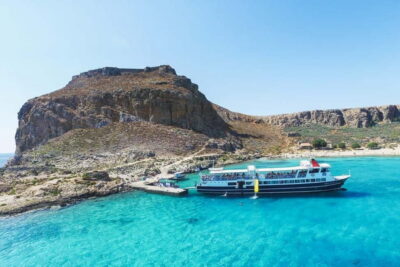
From Kissamos Port: Boat Cruise to Balos Lagoon & Gramvousa
Read our review →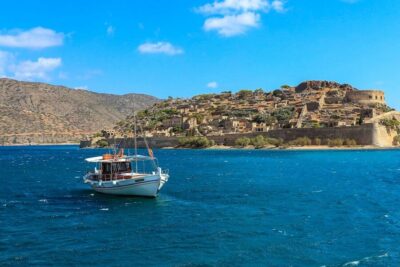
Day Trip to Agios Nikolaos and Spinalonga Island
Read our review →
Full-Day Samaria Gorge Trek Excursion & Guide
Read our review →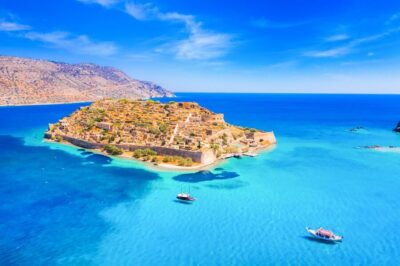

Dia Island Sailboat Cruise with Swimming and Meal
Read our review →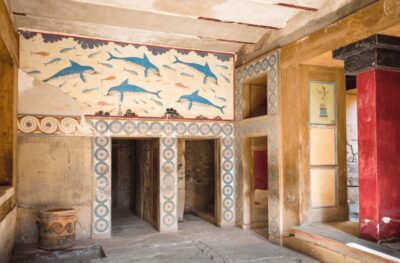
Knossos Palace Entry Ticket with Optional Audio Guide
Read our review →
Browse the lists this tour appears in