
Reviewed · CORFU TOURS
Corfu: Private Olive Oil Tasting with Guide
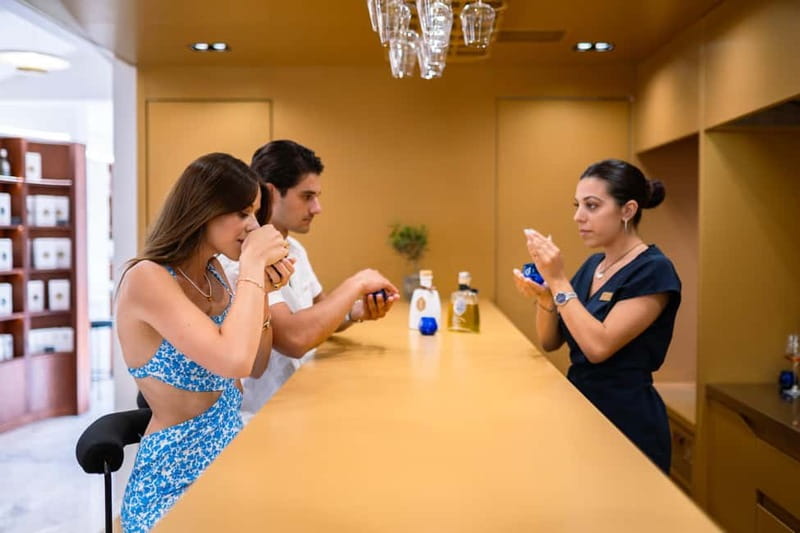
Corfu’s olive oil is more than a bottle on a shop shelf. In this short, private tasting, you learn how to smell and taste it properly, spot quality, and understand why the island’s oil matters. George, Victoria, or Eleftheria leads the session, pairing the oils with Greek and Corfiot foods.
I like the central Old Town setting, which makes this easy to fit between sights, and the practical tasting lessons you can use at home. I also like the food pairings, which may include bread, tomatoes, cucumber, cheeses, yogurt, several small dishes, and even olive oil ice cream. The main drawback is the 40-minute length: it is enough for a focused introduction, but not a farm visit or a full meal.
Key points to know before booking

- Private and personal: Your group receives the guide’s full attention, rather than joining a large tasting.
- Three hosts are praised by name: George, Victoria, and Eleftheria are noted for clear explanations, warmth, and enthusiasm.
- More than a sip of oil: Traditional foods show how olive oil works in everyday Greek cooking.
- A useful tasting lesson: You learn what to look for in the smell, flavor, and finish of good oil.
- Easy Old Town stop: The Olive House is at Nikiforou Theotoki 29, near the Ionian Bank Museum.
- Short but focused: The experience lasts 40 minutes and ends where it begins, with a souvenir included.
Why this small tasting works in Corfu
Corfu is covered with olive trees, and olive oil is part of the island’s food, farming, family life, and trade. Yet it is easy to visit Greece, eat well, and still treat olive oil as a background ingredient. This tasting gives the subject a proper place at the table.
The format is intimate. You meet at The Olive House, a tasting room and shop in the center of Old Corfu Town, then sit down for a guided session rather than wandering through a farm or factory. That distinction matters. You will not spend half a day on transport, but you also will not see the harvest or pressing process in person.
I see this as a useful introduction for someone who wants context without committing to a long food tour. In 40 minutes, you can learn enough to change the way you shop for and use olive oil. The session also gives you a pleasant break from churches, fortresses, museums, and narrow streets.
The experience has a strong reputation, with a 4.9 rating from 62 reviews. The praise centers on the same things I would want from a tasting: clear instruction, a friendly host, good food pairings, and a price that feels fair for a private activity. Since the actual price can change, check the current amount before booking, but the short duration and private format make the value especially good if you want a compact activity in town.
More Olive Oil Tastings in Corfu
- The Governor’s Olive Mill Tour with Olive Oil Tasting
★ 5.0 · 502 reviews - Corfu: Olive Oil Experience – The Governor’s Olive Mill
★ 4.9 · 138 reviews - Corfu: Greek Cooking Class & Olive Oil Tasting
★ 4.9 · 137 reviews
Finding The Olive House at Nikiforou Theotoki 29
The meeting point is Nikiforou Theotoki 29, across from the Papagiorgis sweet shop and near the Ionian Bank Museum. Look for the logo reading The Olive House.
The storefront has olive oil bottles displayed outside and a screen playing a short video. A jewelry shop is next door on one side, and a souvenir shop is on the other. These landmarks should help you find it in the busy center of Old Corfu Town.
This is a walk-to experience. No hotel pickup or transport is included, and that is part of its appeal. You can place it before or after sightseeing in the old center without building a separate excursion around it.
Give yourself a few extra minutes to locate the entrance. Old Corfu Town streets can be confusing, and the exact storefront details are more useful than relying on a vague map pin. The activity begins and ends at the same place.
The first taste: learning how olive oil is judged
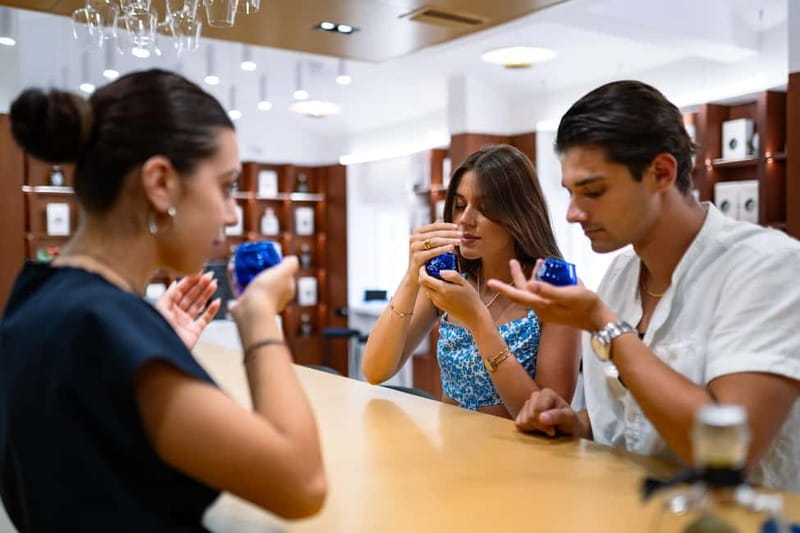
The tasting begins at The Olive House, where an English-speaking guide introduces the oils and explains how to approach them. The session is not simply a line of bottles and a plate of bread. You are shown how professionals pay attention to aroma, flavor, texture, and the finish in the mouth.
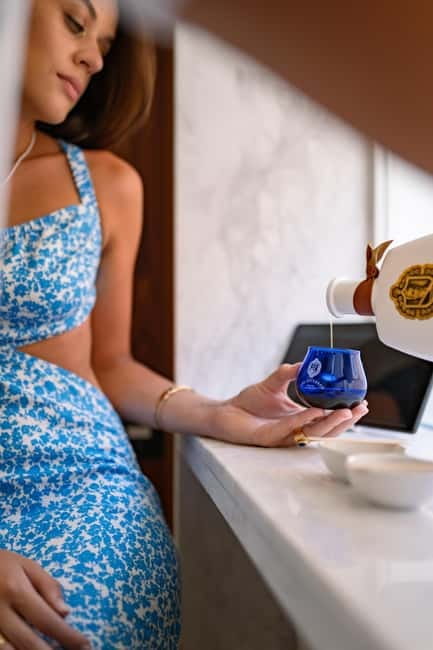
You may be asked to smell the oil first, then taste it carefully. The point is to separate the basic sensation of oil from its more particular qualities. Freshness, fruitiness, bitterness, and a peppery finish can all tell you something about the oil.
That peppery feeling is easy to mistake for a flaw if you have never tasted fresh olive oil on its own. The guide helps you understand the difference between desirable character and unpleasant defects. Several people found this part especially useful because it made the distinction between good and poor-quality oil easier to recognize.
The lesson is practical rather than overly formal. You are not expected to become a professional taster in 40 minutes. Instead, you leave with a set of simple habits: smell before tasting, pay attention to the flavor as it develops, and think about balance and freshness before judging an oil.
I like this approach because it turns a familiar pantry staple into something you can assess for yourself. You can use the same skills when buying a bottle in Corfu, choosing oil at home, or comparing two products at a shop.
Corfiot foods make the tasting easier to understand
Oil on a tasting spoon can be intense. Pairing it with food shows you how it behaves in an actual meal.
The included foods are traditional Greek and Corfiot delicacies. Details can vary, but the tasting may include bread, tomatoes, cucumber, two types of cheese, yogurt, and small prepared dishes. One session included three distinct dishes designed to show different uses for the oil. Another included olive oil ice cream, an unusual finish that adds a bit of fun to the lesson.
These pairings are not just decoration. Bread lets you notice the oil’s texture and finish. Tomato and cucumber bring out its fresh, green side. Cheese and yogurt show how it works with richer, creamier foods. A prepared dish demonstrates the difference between tasting oil alone and using it as part of a recipe.
The food also keeps the activity from feeling like a technical class. You are learning, but you are eating at the same time. If you have spent the morning walking Corfu Town, this small plate of local tastes is welcome.
Do not book this expecting lunch. The food is a tasting accompaniment, not a full meal, and the 40-minute schedule keeps the experience compact. If you want a larger meal, plan one separately before or afterward.
More olive oil tastings around Corfu:
- North Corfu Olive Tour With Olive oil Tasting & Meze
★ 5.0 · 89 reviews - Symphony of Flavors – Olive Oil & Food Pairing at Corfu Town
★ 4.9 · 66 reviews - Cooking Classes and olive oil tasting.The real taste of Greece!
★ 5.0 · 56 reviews - Knossos-Zeus Cave -Old Traditional Villages-Olive Oil Factory
★ 5.0 · 694 reviews
George, Victoria, and Eleftheria bring different strengths
The guide makes a large difference in a short tasting. George is described as energetic and able to turn technical information into an engaging session. He has prepared several dishes to show how olive oil can be used, and he may be present as host or co-founder.
Victoria is praised for her friendly, clear presentation. She explains the work involved in producing olive oil and guides you through a tasting menu alongside the oils. Her easy manner suits visitors who want information without a stiff classroom feel.
Eleftheria is also noted for her strong command of the subject and for answering questions carefully. If you want to ask about harvesting, production, buying tips, or the role of oil in Greek cooking, this is the kind of setting where you can do so.
You cannot choose a particular guide based on the information provided, so treat the names as examples of the staff you may meet, not a guarantee. The important point is that the hosts are not simply handing you samples. They explain the process, answer questions, and connect the tasting to daily Greek food.
Because the group is private, you can ask questions at your own pace. That is a real advantage over a large scheduled tasting. If you are curious about acidity, bitterness, storage, cooking, or the difference between oils, you have room to speak up.
A quick lesson in Corfu’s olive-growing tradition
The session puts the oils into a Greek and Corfiot setting. You hear about the long tradition of olive cultivation, the way production knowledge has passed from one generation to the next, and the work involved in getting oil from the tree to the bottle.
The focus is not limited to flavor. The guide also discusses olive oil’s place in the Mediterranean diet, its commonly discussed health benefits, and current scientific research on olive oil consumption. This gives the tasting more substance, though you should treat the health discussion as general education rather than personal medical advice.
You also learn about harvesting and production. The exact farming and pressing details depend on the oils being presented, but the guide explains the stages and the care needed to produce a good bottle. This helps you understand why quality oil can cost more than a basic cooking product.
I find this background valuable because Corfu’s olive trees are easy to see but harder to understand from a passing look. The tasting gives those groves a human and economic context. You begin to see olive oil as a product shaped by seasonal work, local knowledge, and choices made during production.
What you can take home from the session
The practical advice is one of the strongest parts of this activity. You learn how to taste oil like a professional, at least in a simple, useful form.
You can expect guidance on:
- How to smell olive oil before tasting it
- How to identify different aromas and flavors
- How bitterness and a peppery finish can be signs of character
- How to notice unpleasant qualities linked to poor oil
- How olive oil changes when paired with food
- What to consider when buying a bottle
The session does not replace years of professional training, but it gives you a better starting point than simply reading a label. Once you know what fresh oil can smell and taste like, you are less likely to choose by packaging alone.
The included souvenir adds a small final touch. The supplied details do not specify what the souvenir is, so do not assume it is a full-size bottle. You receive something to remember the visit, while the shop downstairs gives you a chance to buy the oils or other products if you want to take the experience home.
Several people bought gifts after the tasting. That option is convenient, but there is no pressure in the information provided to make a purchase. You can enjoy the session as a standalone activity.
Timing, group size, and value
At 40 minutes, this is one of the easiest food experiences to fit into a Corfu itinerary. You can schedule it between Old Town attractions, before dinner, or during a break from sightseeing.
The private format improves the value. A short activity can feel rushed when you share a guide with a large crowd, but a private group allows more direct conversation and personal questions. The experience is especially appealing for couples, families with older children, and small groups of friends who want something tailored and low effort.
The published price is not included in the supplied details, so check the current rate when selecting a date. I would judge the value by what is included: a private guide, several olive oils, traditional foods, a structured tasting lesson, and a souvenir, all without leaving the center of Corfu Town.
The 4.9 rating from 62 reviews supports the idea that the activity delivers well on its promise. Still, value depends on your interests. If you already work in food or have taken many olive oil tastings, the material may feel introductory. For most curious visitors, the combination of education, food, and location makes the short format sensible.
Free cancellation up to 24 hours before the activity and the reserve-now, pay-later option make it easier to fit into a changing schedule. Starting times depend on availability, so check the calendar before planning the rest of your day.
Who should book this Corfu olive oil experience
I would recommend it to anyone who enjoys local food but wants more than a quick sample in a shop. It is also a good choice if you have only a short time in Corfu and want an activity that stays inside the old center.
It suits:
- Couples looking for a relaxed shared activity
- Food-focused visitors curious about Greek ingredients
- First-time olive oil tasters
- Small private groups
- Shoppers who want help choosing a good bottle
- Anyone needing a brief indoor break from sightseeing
Families can consider it too, though the material is aimed at adults and the format is built around tasting and discussion. The food pairings may appeal to older children, but the supplied details do not specify age requirements.
The experience is not suitable for wheelchair users. The activity is also offered in English only, so you should be comfortable following a spoken explanation in that language.
Should you book The Olive House tasting?
Book it if you want a short, central, private food experience that teaches you something useful. The best parts are the personal guide, the chance to compare oils properly, and the food pairings that show how Corfiot oil fits into a real meal.
Skip it if you want to visit an olive grove, watch the pressing process, or spend several hours on a farm. This is a tasting-room lesson in Old Corfu Town, not a countryside excursion.
For most visitors, I think it earns a place in a busy Corfu schedule. You get local flavor, practical shopping advice, a souvenir, and a pleasant conversation with a host such as George, Victoria, or Eleftheria, all in 40 minutes. That is a tidy way to understand one of Greece’s most important ingredients before you return to the streets.
FAQ
Where does the olive oil tasting take place?
It takes place at The Olive House by The Governor, at Nikiforou Theotoki 29 in Old Corfu Town. It is across from the Papagiorgis sweet shop and near the Ionian Bank Museum.
How long does the activity last?
The tasting lasts 40 minutes. Starting times depend on availability when you book.
Is the tasting private?
Yes. The activity is organized as a private group experience.
What language is the tour offered in?
The live guide speaks English, and English is the listed language for the activity.
What food is included?
Traditional Greek and Corfiot delicacies are included. The tasting may feature bread, tomatoes, cucumber, cheese, yogurt, and prepared dishes. Olive oil ice cream has also been served.
Is a souvenir included?
Yes. A souvenir is included when you depart.
Is the activity suitable for wheelchair users?
No. The activity is listed as not suitable for wheelchair users.
Fresh on the Corfu list
- Corfu: Customized Private Tour★ 4.5 · 47 reviews
- Elysium Transfer & Rental Services, Greece★ 5.0 · 48 reviews
- Corfu Shore Excursion to Greece’s Picturesque Paradise from Port★ 4.5 · 49 reviews
- From Lefkimmi: Corfu, Kavos Party Booze Cruise★ 4.6 · 49 reviews
- Private and Customizable Half-Day or Full-Day Corfu Tour★ 4.5 · 49 reviews
- Visit Corfu Private Tour – The Best Way to Discover Corfu★ 4.5 · 51 reviews
- From Lefkimmi: Boat Trip to Sivota & Blue Lagoon★ 4.8 · 51 reviews
- Corfu: Small Group City Walking Tour★ 5.0 · 51 reviews
Corfu Tours, compared.

From Corfu Island: Antipaxos & Paxos Blue Caves Boat Cruise
Read our review →
Day Cruise to Paxos, Antipaxos, and Blue Caves
Read our review →
Full-Day Boat Tour of Paxos Antipaxos Blue Caves from Corfu
Read our review →

Gouvia: Corfu Island Sailing Trip with Snack and Soft Drinks
Read our review →
Paxos Antipaxos Blue Caves (Lakka Village) from Corfu
Read our review →
Corfu Town: Full-Day Cruise with Lunch, Drinks & Swim Stops
Read our review →
Paleokastritsa Beach and Old Town Bus Shore Excursion
Read our review →Browse the lists this tour appears in