
Reviewed · CORFU TOURS
Corfu: Olive Oil Experience – The Governor’s Olive Mill
The real star here is Corfu’s Lianolia olive oil, tasted at the family-run Governor’s Olive Mill where old stone machinery and modern processing sit side by side. You learn why olive oil matters to the island, then test your palate with bread, cheese, tomatoes, capers, and dessert.
I like the thoughtful mix of food, history, and countryside. I also like the guides, including Maria, Eleni, George, Spiros, and Sotiris, who add local stories to the drive and the mill visit. The main caution is timing: it is advertised as three hours, but transfers, traffic, and extra stops can make it much longer.
Key points
- See two generations of olive milling: Compare the Dafnis family’s old loutrouvio with the modern extraction area.
- Taste before you buy: Learn how aroma, bitterness, fruitiness, and defects help identify good olive oil.
- Meet Mitera: Visit an ancient olive tree estimated at about 1,500 years old.
- Go beyond the tasting room: The route includes old olive groves and a stop at Gardiki Byzantine Castle.
- Expect generous local guidance: Drivers such as George and Spiros often turn the transfer into a short Corfu tour.
- Plan for a small vehicle: The van can feel crowded, and the full outing may run beyond the stated three hours.
Why Corfu’s olive oil tells the island’s story
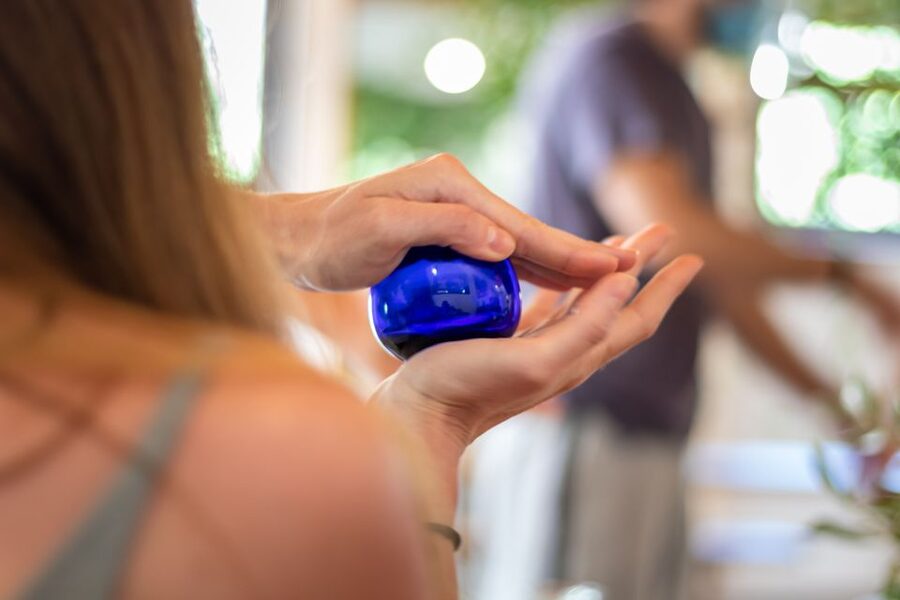
Corfu is not simply a beach destination with a few olive trees added for decoration. Olive cultivation shaped the island’s economy, food, villages, and family life for centuries. At The Governor’s Olive Mill, the tour uses olive oil to explain Corfu itself.
The experience begins in a museum area with old tools and machinery. This gives you a useful frame for everything that follows. Instead of hearing only that olive oil is important, you see the labor once required to harvest olives and press them into oil.
I find this historical start worthwhile because it keeps the tasting from feeling like a sales pitch. The mill’s awards matter, but the older equipment shows how much physical work came before today’s cleaner and faster production methods.
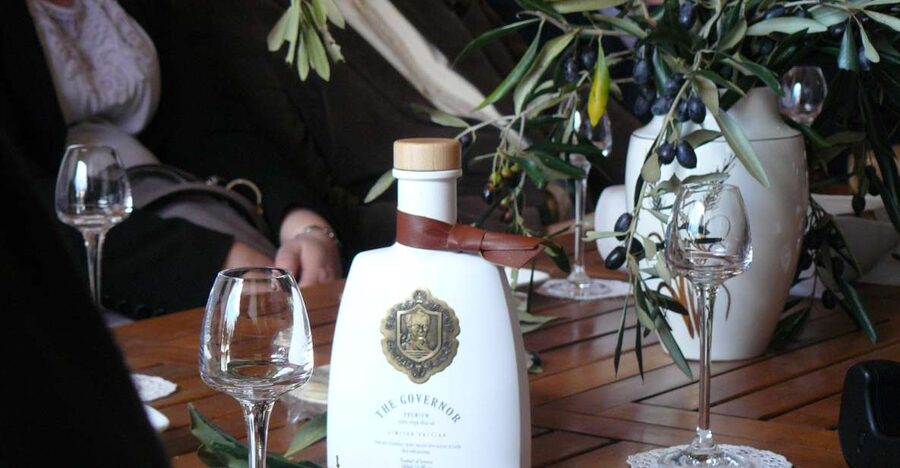
The Governor Extra Virgin Olive Oil is made from Corfu’s Lianolia variety. The mill presents it as the first monovarietal EVOO from this single Corfu variety and highlights its international prizes, its health claim, and its place in scientific literature as a medical food. These are strong claims, so you should treat them as the producer’s stated credentials, but the tour does give you a clear chance to taste the oil and judge its character for yourself.
More Olive Oil Tastings in Corfu
- The Governor’s Olive Mill Tour with Olive Oil Tasting
★ 5.0 · 502 reviews - Corfu: Greek Cooking Class & Olive Oil Tasting
★ 4.9 · 137 reviews - North Corfu Olive Tour With Olive oil Tasting & Meze
★ 5.0 · 89 reviews
The old loutrouvio and the work behind every drop
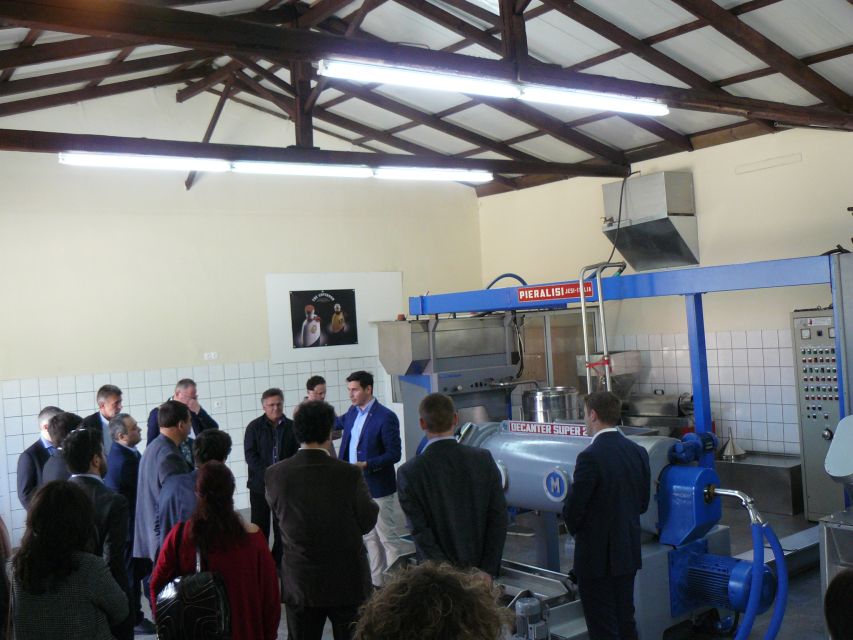
The guided visit continues to the Dafnis family’s old olive mill, known as a loutrouvio. Here you see the traditional approach to olive oil production and hear how it was carried out over many generations.
This part is especially useful if you normally buy olive oil from a supermarket without thinking about how it was made. The older process helps you understand why harvest timing, handling, pressing, and storage can affect the final product.
The old mill also gives the experience a personal scale. You are not looking at an anonymous factory. You are looking at equipment connected with one family and one place. Guides explain the methods rather than leaving you to read a few signs, and the strongest part of the tour is the way they connect tools with daily life on Corfu.
Allow about an hour and a half for the mill visit as a whole. The schedule includes the museum, old mill, modern mill, awards presentation, and tasting. If you enjoy food production, family businesses, or Greek rural history, this is the part where your $80 begins to make sense.
How the modern mill changes the process
After the old mill, you move into the modern production area. The guide explains the stages of processing and extraction, along with the newer machines used by the mill.
I like this contrast. You can see that tradition here is not just a decorative backdrop. The family preserves its old methods and story while using current equipment to produce its oil today.
The modern section is also the practical part of the tour. You learn how olives move through the production process and why careful handling matters. The presentation of the mill’s international prizes follows, giving you context for the products tasted later.
The guides are a major part of the experience. Eleni has been praised for explaining both old and new methods with humor, while Maria has been singled out for creating a warm and engaging visit. Drivers such as George, Spiros, and Sotiris also add information during the road portions, pointing out areas and customs on the island.
The exact guide will depend on the day, but the operation clearly relies on several people rather than one fixed host. That is helpful when arranging pickup, though you should not book expecting a particular guide by name.
The olive oil tasting is the practical payoff
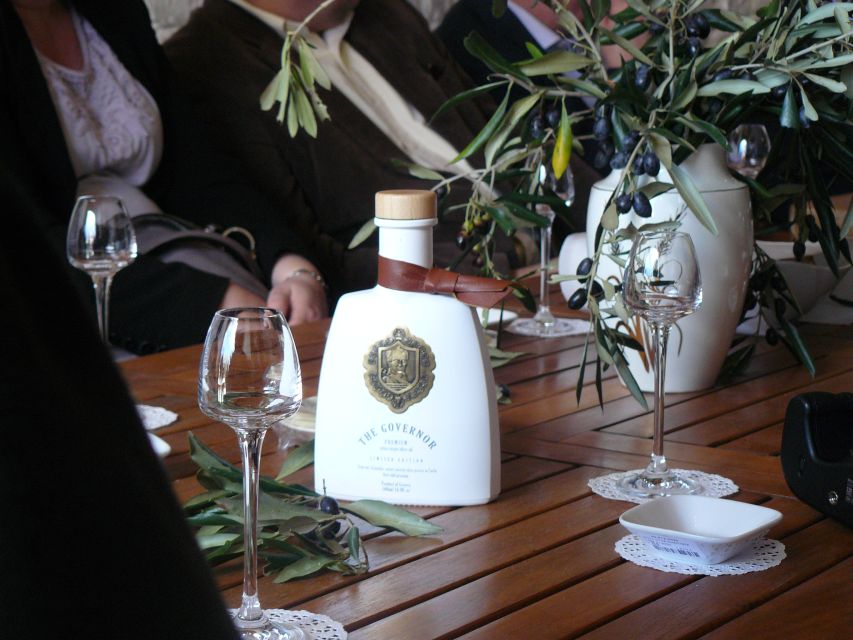
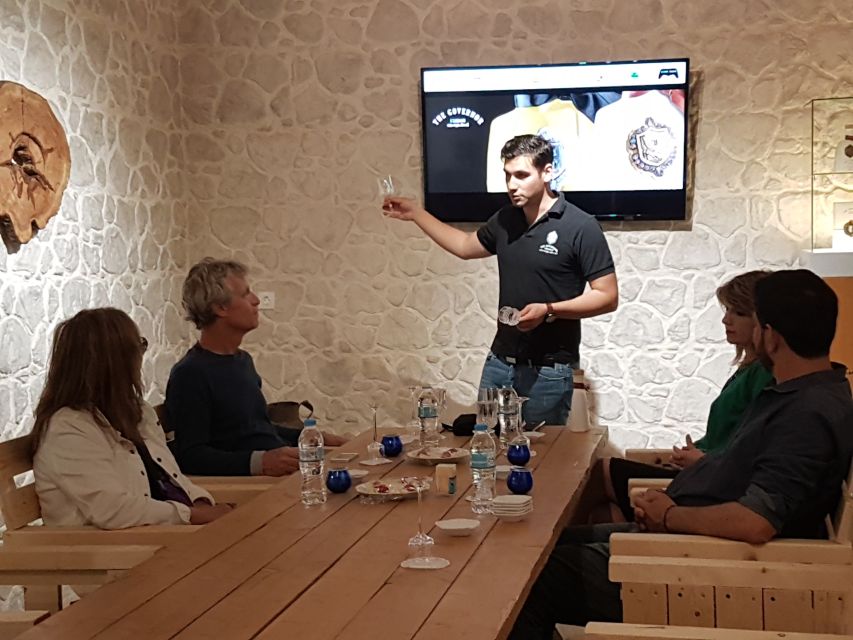
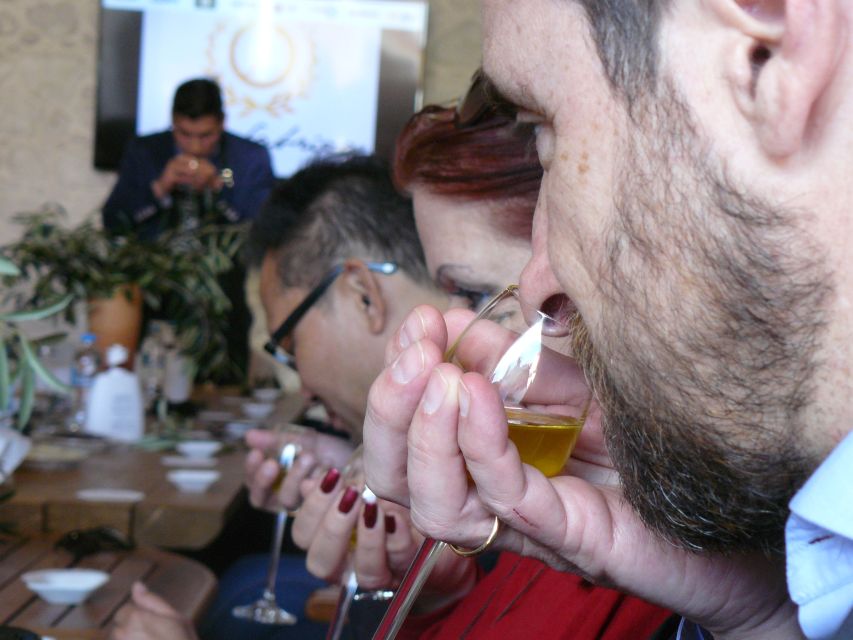
The tasting is not just a sip followed by a gift-shop purchase. It is presented as a short seminar on how to recognize high-quality olive oil.
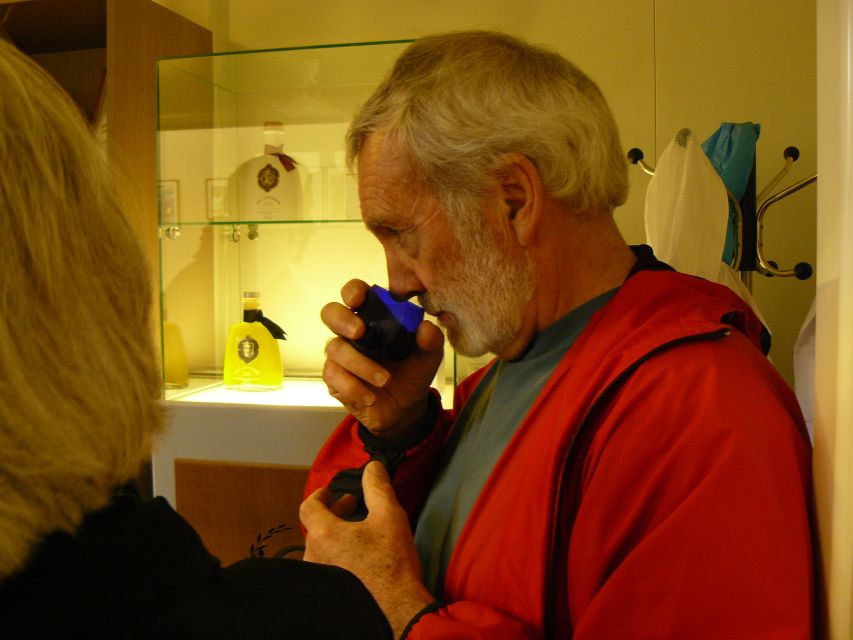
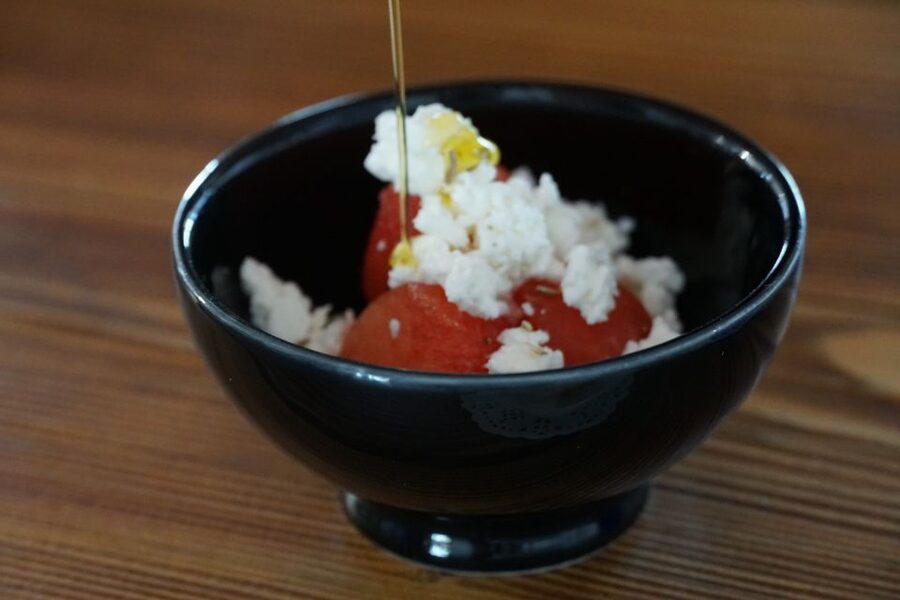
You taste the oil and learn what to look for in its smell and flavor. The goal is to help you notice the difference between fresh, well-made EVOO and a dull or defective product. The most useful lesson is that quality depends on more than a label saying extra virgin.
The food is simple and well chosen:
- Village bread
- Cheese
- Cherry tomatoes and capers
- A dessert such as yogurt, ice cream, or chocolate
- Natural mineral water
Some visitors describe the servings as snacks rather than a meal. I would eat breakfast before leaving, especially if you are used to an early lunch. The small portions work well for tasting, since heavy food would get in the way of the oil’s flavor, but this should not replace breakfast or lunch.
The tasting also makes the visit useful after you return home. You learn about choosing oil and about storage conditions, so the lesson applies to bottles bought in Greece or at home. If you plan to purchase olive oil, taste first and ask questions rather than choosing only by packaging or awards.
There is an exhibition shop where you can buy the mill’s products. The chance to taste before buying is a real advantage. You can also pick up other local items, including sea salt, as one visitor did. Prices for products were described as reasonable, but the information provided does not give a current price list, so check at the mill.
More olive oil tastings around Corfu:
- Symphony of Flavors – Olive Oil & Food Pairing at Corfu Town
★ 4.9 · 66 reviews - Corfu: Private Olive Oil Tasting with Guide
★ 4.9 · 62 reviews - Cooking Classes and olive oil tasting.The real taste of Greece!
★ 5.0 · 56 reviews - Knossos-Zeus Cave -Old Traditional Villages-Olive Oil Factory
★ 5.0 · 694 reviews
Ancient groves and the Mitera olive tree
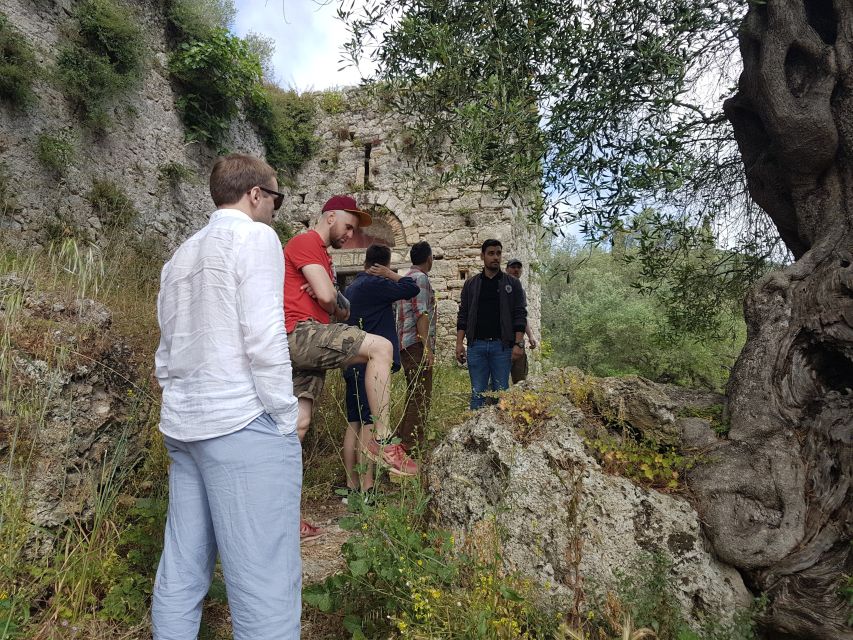
Once the mill portion is finished, the outing continues by van to the Dafnis family’s old olive groves. This is where the experience shifts from production to place.
The groves help you understand the scale and age of olive cultivation on Corfu. These are not a quick photo stop beside a single roadside tree. You visit old family groves and meet Mitera, or Mother Tree, estimated at about 1,500 years old.
That age gives the stop real weight. A bottle of olive oil can seem like a modern food product, but Mitera connects it to many generations of people who worked, ate, and built their lives around olive trees.
Bring shoes suitable for an uneven outdoor walk. Mosquitoes can be a nuisance in the groves, particularly in warmer months, so insect repellent is sensible. The operator has even provided mosquito bite cream during a visit, but it is better to arrive prepared.
This stop can be one of the most memorable parts of the day if you like old trees, rural scenery, and photographs. It may be less appealing if you want a fast food tasting with no walking. The grove visit is an important part of the full outing, not merely an optional decoration.
Gardiki Castle adds a final historical layer
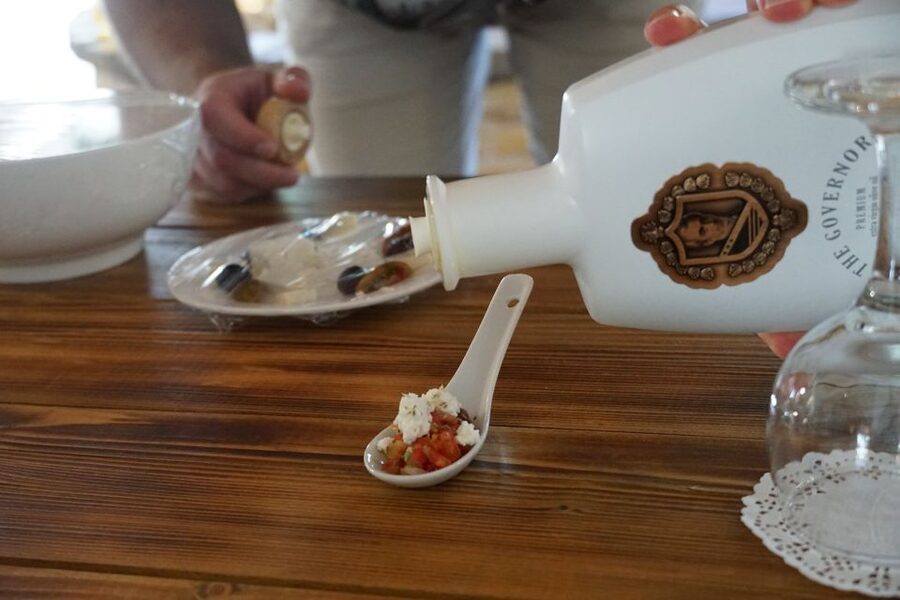
The route also includes a stop at Gardiki Byzantine Castle. The purpose is to explain more about the area’s history and give you another view of Corfu beyond the coast and old town.
The castle stop is brief, listed at about 20 minutes, so expect an introduction and a walk rather than a long archaeological visit. It works well after the olive groves because the tour keeps linking local agriculture with the people and defenses of the surrounding area.
If you are especially interested in history, this stop and Mitera may be the best extras. If you are visiting Corfu on a cruise and have a tight departure time, tell the driver at the start. One cruise passenger had to skip the grove portion to get back to the ship safely, and the driver adjusted the plan.
Pickup, vans, and the time you really need
Pickup is available from selected Corfu hotels, the airport, and the port, within the stated radius of the mill. The information gives both 25 and 30 kilometers as the pickup limit, so confirm your exact location before booking. Send the number of people and pickup point at least 24 hours ahead.
The assumed pickup time is around 9:30 a.m., with some schedules giving a window of approximately 9:00 to 9:30. The mill tour starts at 10:30. The drive from Corfu Town or the port can take roughly 45 minutes to an hour, depending on the route and traffic.
The stated duration is three hours, but the detailed schedule includes about one hour of transport, a 1.5-hour mill visit, a 20-minute drive, and a 20-minute outdoor stop, before the return transfer and castle visit are fully considered. In practice, you should keep much of the day open. Several visitors described the full experience as five to six hours, especially when the driver added local stops.
The van holds up to eight people, while the general group information is inconsistent, describing the experience both as a small group and as a total of 20 to 30 participants. The practical lesson is simple: you may travel in a small van, but the mill operation can serve a larger combined group. If a roomy ride or a fully private experience matters to you, ask for clarification before paying.
Is $80 a fair price?
At $80 per person, this costs more than a basic tasting at a shop. You are paying for transport, a live English or Greek-speaking guide, the mill visit, the tasting, the groves, and the castle stop.
The pickup is particularly valuable if you are staying in Corfu Town, arriving by cruise ship, or do not want to arrange a rental car. Drivers often provide extra island context along the way. George and Spiros, in particular, have been praised for turning the transfer into an informative and friendly part of the outing.
The value is weaker if you only want to taste olive oil and return quickly. You can find simpler tastings elsewhere, and the group transport may feel crowded. The price makes better sense for someone who wants a half-day cultural outing with food, history, and countryside rather than a single product demonstration.
The tasting food is included, but it is light. Budget for another meal later, especially since the day may last longer than the advertised three hours.
Who will enjoy this most?
I would recommend this experience to you if you enjoy:
- Food traditions and local products
- Family-run businesses
- Short guided walks in rural areas
- Ancient trees and smaller historical sites
- Learning practical skills you can use at home
- Tours with included transport from Corfu Town or the port
It is also a good choice for cruise passengers, provided you have enough time in port and confirm the return schedule. The operator has accommodated port pickups and adjusted plans when time was short.
Families can bring children, and entry is free for children under eight. Still, the visit includes explanations, tasting, transport, and a grove walk, so it suits children who can handle a slower cultural activity. Wheelchair access is listed, but the outdoor grove and old-site conditions are worth confirming directly if you need step-free access throughout.
You may want a different activity if your main goal is swimming, beaches, nightlife, or a private food tour. This is an educational visit with a strong focus on one family’s oil, not a broad sampling of Corfu’s entire food scene.
Useful booking advice before you go
Confirm the pickup point, especially if you are staying outside Corfu Town or arriving at the port. The radius limits are important, and the operator needs your details at least a day in advance.
Eat breakfast first. The bread, cheese, tomatoes, capers, and dessert are pleasant tasting companions, but the food is described as finger food. If you have food allergies or dietary needs, ask before the tour because the available menu is specified only in general terms.
Wear comfortable shoes for the old groves and bring mosquito repellent. Keep your camera ready for Mitera and Gardiki Castle, but do not assume every extra stop will fit if you are on a strict cruise schedule.
The tour offers free cancellation up to 24 hours in advance and a reserve-now, pay-later option. Those terms are useful when your Corfu plans are still shifting, but pickup details still need early attention.
Should you book The Governor’s Olive Mill experience?
Book it if you want to understand Corfu through its olive trees, not just buy a bottle in a shop. The strongest features are the old and modern mill comparison, the useful tasting lesson, the ancient Mitera tree, and the warm local guidance from people such as Maria, Eleni, George, and Spiros.
Skip it if you need a tightly timed three-hour outing or dislike group van transport. For everyone else, $80 is a fair price for transport, tasting, history, and access to a working family olive mill. Just plan for a longer day than the headline duration suggests.
FAQ
How long does the olive oil experience last?
The advertised duration is three hours, but the complete route can take longer because it includes transfers, the olive groves, Gardiki Castle, and the return drive. Allow extra time, especially if you are visiting from a cruise ship.
Where can pickup take place?
Pickup is available from selected Corfu hotels, the airport, or the port, within the stated radius of The Governor’s Olive Mill. The provided information gives a limit of 25 to 30 kilometers, so confirm your location before booking.
What time is pickup?
Pickup is generally assumed to be around 9:30 a.m., with some scheduling information giving an approximate window of 9:00 to 9:30. The mill tour begins at 10:30.
Is the tour private?
No. It is not a private tour. The information describes small-group arrangements, with vans holding up to eight people, but also gives a total participant range of 20 to 30 for the wider activity.
What languages are available?
Live guiding is available in English and Greek. The practical tour information specifically lists English as an available language.
What food is served during the tasting?
The tasting includes village bread, cheese, cherry tomatoes and capers, dessert such as yogurt, ice cream, or chocolate, and natural mineral water. It is light finger food, not a full meal.
Can children join the experience?
Yes. Entry is free for children under eight. The tour includes a guided mill visit, tasting, transportation, and a walk through old olive groves.
Can I buy olive oil at the mill?
Yes. You can purchase olive oil and other products at the exhibition shop after the tasting.
Fresh on the Corfu list
- Corfu: Customized Private Tour★ 4.5 · 47 reviews
- Elysium Transfer & Rental Services, Greece★ 5.0 · 48 reviews
- Corfu Shore Excursion to Greece’s Picturesque Paradise from Port★ 4.5 · 49 reviews
- From Lefkimmi: Corfu, Kavos Party Booze Cruise★ 4.6 · 49 reviews
- Private and Customizable Half-Day or Full-Day Corfu Tour★ 4.5 · 49 reviews
- Visit Corfu Private Tour – The Best Way to Discover Corfu★ 4.5 · 51 reviews
- From Lefkimmi: Boat Trip to Sivota & Blue Lagoon★ 4.8 · 51 reviews
- Corfu: Small Group City Walking Tour★ 5.0 · 51 reviews
Corfu Tours, compared.
From Corfu Island: Antipaxos & Paxos Blue Caves Boat Cruise
Read our review →
Day Cruise to Paxos, Antipaxos, and Blue Caves
Read our review →
Full-Day Boat Tour of Paxos Antipaxos Blue Caves from Corfu
Read our review →
Gouvia: Corfu Island Sailing Trip with Snack and Soft Drinks
Read our review →
Paxos Antipaxos Blue Caves (Lakka Village) from Corfu
Read our review →
Corfu Town: Full-Day Cruise with Lunch, Drinks & Swim Stops
Read our review →
Paleokastritsa Beach and Old Town Bus Shore Excursion
Read our review →Browse the lists this tour appears in