Reviewed · CRETE TOURS
Crete: White Mountains Preserve Day Tour
The best part of this White Mountains tour is the rough climb to a traditional shepherd’s hut, or mitato, at about 1,350 meters. You ride in a 4×4 through mountain tracks, pass goats and soaring eagles, and see a side of Crete that beach days never reveal.
I like the small vehicle groups, usually six or eight people, and the way the guides mix local stories with practical details about cheese, farming, and village life. I also like the generous lunch in Therisso, which turns the day from a scenic drive into a proper taste of Crete.
The main thing to consider is that this is chiefly a vehicle tour, not a mountain hike. The roads can be bumpy, the air is cooler up high, and passengers in the back row may have a poorer view through the Therisso Gorge.
Key points to know
- The mitato at 1,350 meters: See an original shepherd’s hut and learn how mountain shepherds made Graviera and Mizithra cheese.
- A true off-road ride: The 4×4 climb uses rough tracks that ordinary sightseeing vehicles cannot reach.
- Village life beyond Chania: Pass through Meskla, Zourva, Therisso, and other villages surrounded by orchards and mountain scenery.
- Strong guiding: Olga, Louise, Giannis, Efdikis, and other multilingual guides are praised for stories about nature, Greek mythology, history, and Cretan customs.
- A substantial local meal: Lunch in a family-run tavern includes traditional Cretan platters, local cheese, and olive oil.
- Plan for mountain weather: Bring a jacket, even in summer, and wear closed, comfortable shoes.
From Chania’s orchards to the White Mountains
Your morning begins with pickup from one of several points around western Crete, including Chania, Souda, Platanias, Agia Marina, Maleme, Kolymvari, Kalyves, Almyrida, and nearby coastal resorts. The stated pickup times run from about 7:55 in Kalyves to 9:00 in Kolymvari, so your exact start depends on where you stay.
The first part of the ride takes you through fertile country marked by orange and avocado trees. This is a useful introduction to Crete because it shows the working side of the island. You are not simply being rushed from one scenic stop to the next. The road gives you a look at orchards, village settlements, and the agriculture that supports local families.
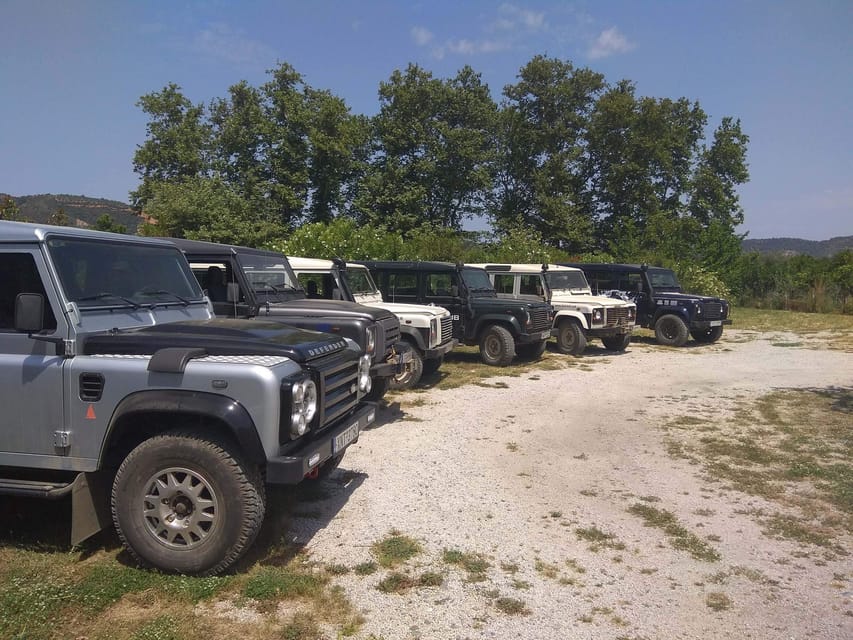
The vehicle is a 4×4 SUV, generally a seven or nine-seater, with a multilingual escort-driver. Groups are limited to around six or eight people per vehicle, though the experience requires at least four people to operate. That setup gives you more room than a large coach and makes it easier to ask questions or request a short photo stop when the road allows.
A few other Chania mornings to price up
- Thessaloniki: Bus Trip to Dion & Mt Olympus National Park
★ 4.5 · 256 reviews - From Athens: Mt. Olympus National Park Guided Day Tour
★ 4.6 · 104 reviews
Coffee and views at Deres
After roughly 30 minutes in the vehicle, you stop near Deres, also written as Nteres in the schedule. This is a coffee break and a chance to take in views across the lower valleys.
You can have coffee, tea, or juice at a traditional coffee shop, with some free time for photographs. It is a modest stop rather than a major attraction, and that is worth knowing. One person found the café underwhelming, so you should treat it as a pleasant pause, not a destination in its own right.
The value here is the change of pace. You get out, stretch your legs, and watch the scenery shift from cultivated lowlands toward the foothills. In spring, the scent of orange blossoms can be especially memorable, while the higher roads may feel crisp even when Chania is warm.
A slow ride through six Cretan villages
The route continues through Skonizo, Vatolakkos, Alikianos, Fournes, Meskla, Zourva, and finally Therisso. Several of these are pass-through points rather than long walking stops, but they help you understand how the mountain country is connected.
Meskla receives a short photo and sightseeing stop of about 20 minutes. Here, the tour begins to feel more rugged. The road and surroundings change, and the vehicle starts using rougher tracks as it climbs.
You should not expect a guided village tour at every location. The charm is in seeing the settlements from the road, hearing about their customs and past, and noticing how quickly the built-up coast gives way to quieter mountain country. Guides such as Giannis have been praised for linking local history with Greek mythology, while guides including Olga, Louise, and Efdikis bring plenty of humor to the drive.
That commentary matters. Without it, some of the villages might seem like quick names on a route map. With a good guide, you get a clearer sense of how farming, shepherding, family life, and mountain geography fit together.
The 4×4 climb to the mitato
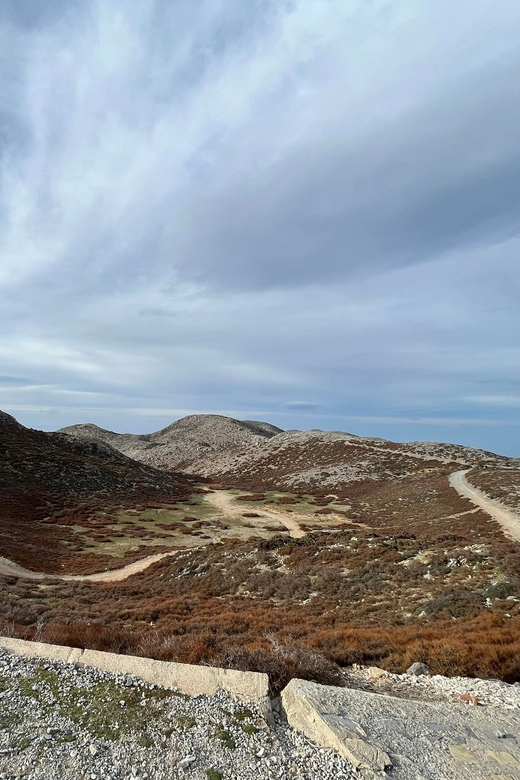
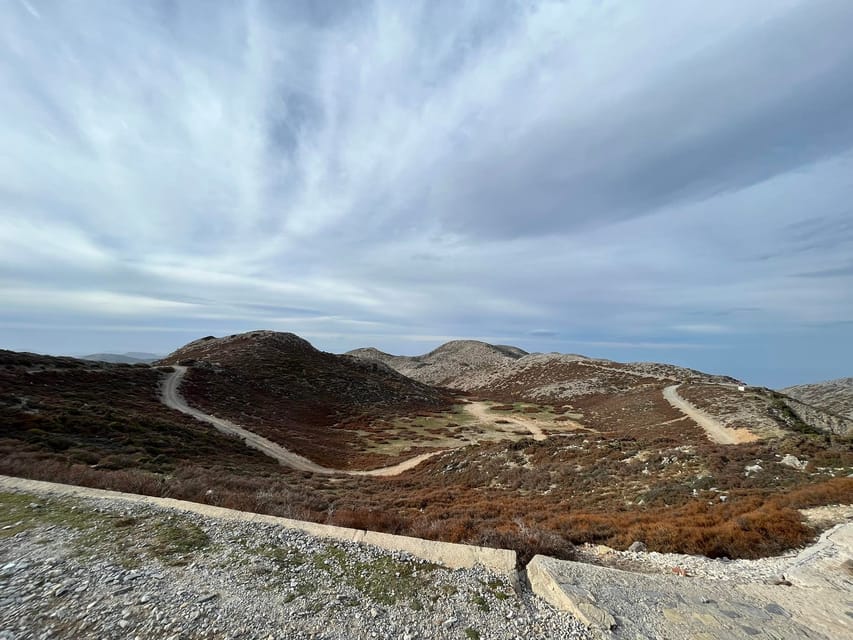
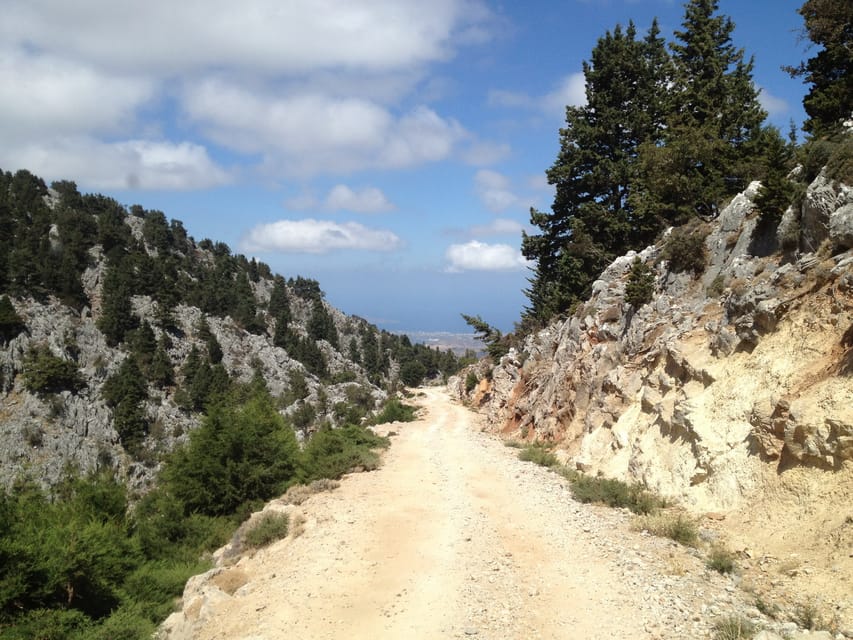
The most distinctive part of the day is the off-road ascent toward the shepherd’s hut. The road is not a smooth mountain highway. It uses unpaved tracks and uneven surfaces, which is exactly why a 4×4 is needed.
The ride is part of the attraction. You are not merely transported to a viewpoint. You feel the vehicle working its way up the mountain, with the views opening out as the elevation increases. Guides point out wild goats and, when conditions cooperate, eagles circling above the ridges.
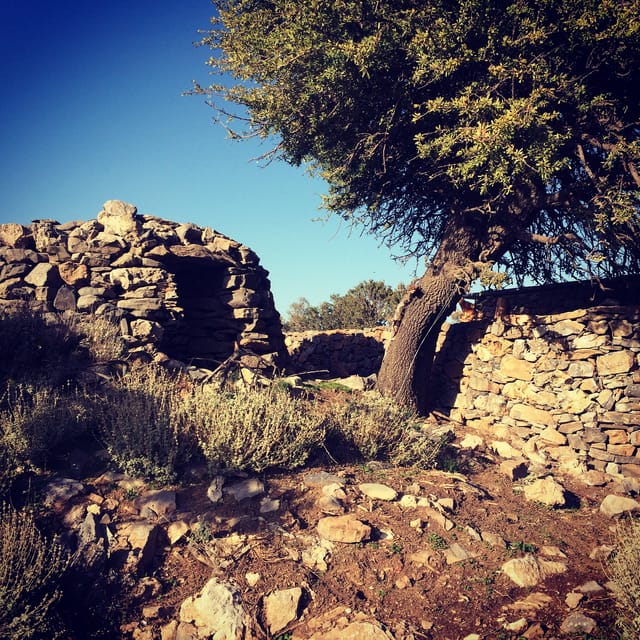
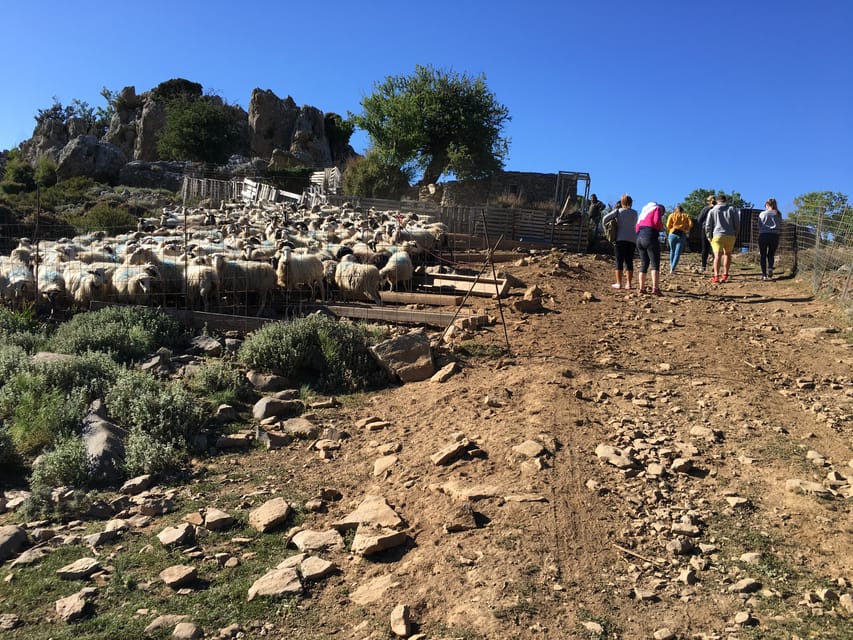
At around 1,350 meters, you reach an original mitato. These simple stone mountain huts were tied to seasonal shepherding and cheese production. The important local product here is Graviera, along with Mizithra, and the stop gives you context for how goat and sheep milk fit into Cretan food traditions.
The hut is a real cultural feature, not a polished museum display. That is part of its appeal. It connects the scenery to the people who use the high country. Do keep your expectations practical: the shepherd may not always be present to demonstrate the work. One person specifically wished for a closer look at the hut’s cheese-making operation, but also recognized that the shepherd has a regular job to do rather than a daily visitor schedule.
This is also where the tour is least suitable for anyone who dislikes rough roads or heights. The vehicle does the climbing, but the tracks and exposed views can feel intense if you suffer from motion sickness or are uneasy on mountain roads.
Same island, an entirely different sort of day:
- From Kissamos Port: Boat Cruise to Balos Lagoon & Gramvousa
★ 4.2 · 6,755 reviews - From Chania: Full-Day Samaria Gorge Trek Excursion & Guide
★ 4.6 · 3,191 reviews - Cretan Safari – 4×4 Adventure to Preveli Beach with Lunch
★ 5.0 · 780 reviews - Elafonissi Beach Day Trip from Chania -Stop in Elos Village
★ 4.5 · 744 reviews
Wide views over Chania
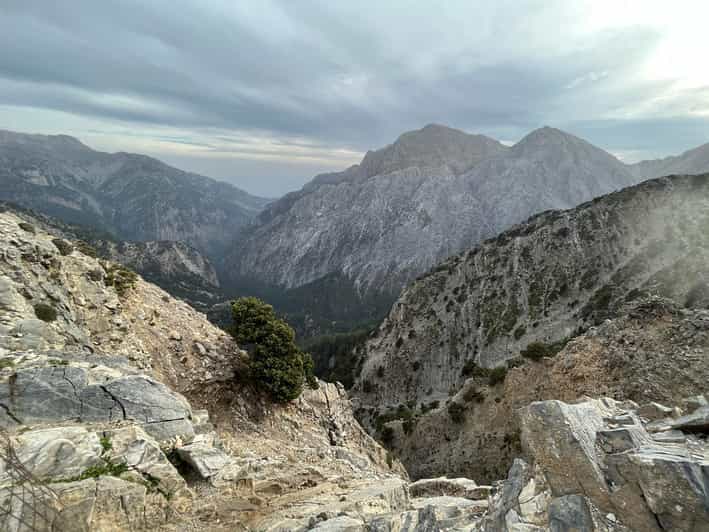
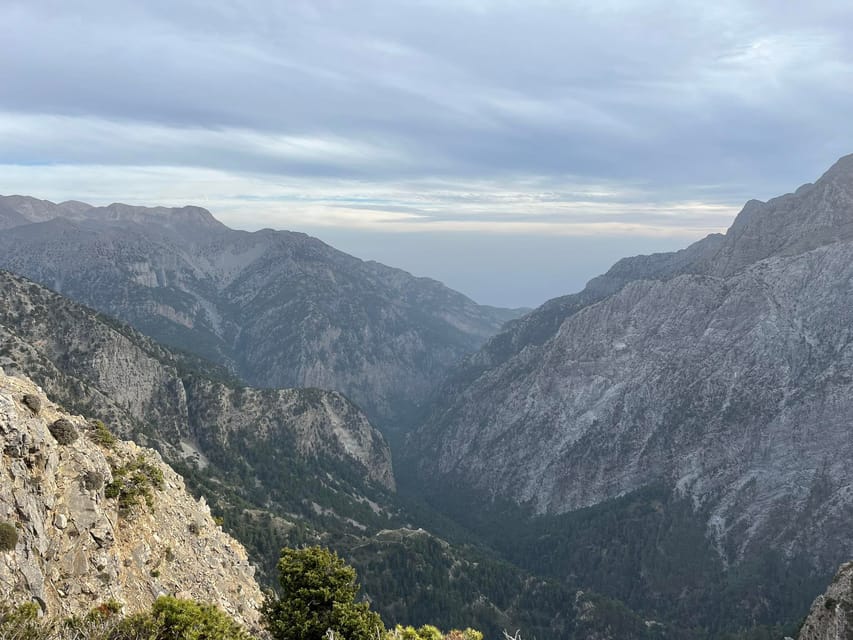
A viewpoint near the high route provides broad views toward Chania and northern Crete. The exact visibility depends on weather, but the change in height gives you a very different view from the coastal resorts.
I would bring a camera, sunglasses, and a hat, but also a jacket. Several people found the mountains cooler than expected, including in warmer months. The temperature can change quickly between the coast and 1,350 meters, and the open viewpoint offers little shelter.
The schedule includes a brief viewpoint stop of about 10 minutes. That is enough for photographs and a quick look around, but not enough for a long walk or quiet picnic. If you want serious hiking time, this is not the right excursion. The appeal is reaching a high, remote place by vehicle and having a guide explain what you are seeing.
Therisso, village streets, and a long lunch
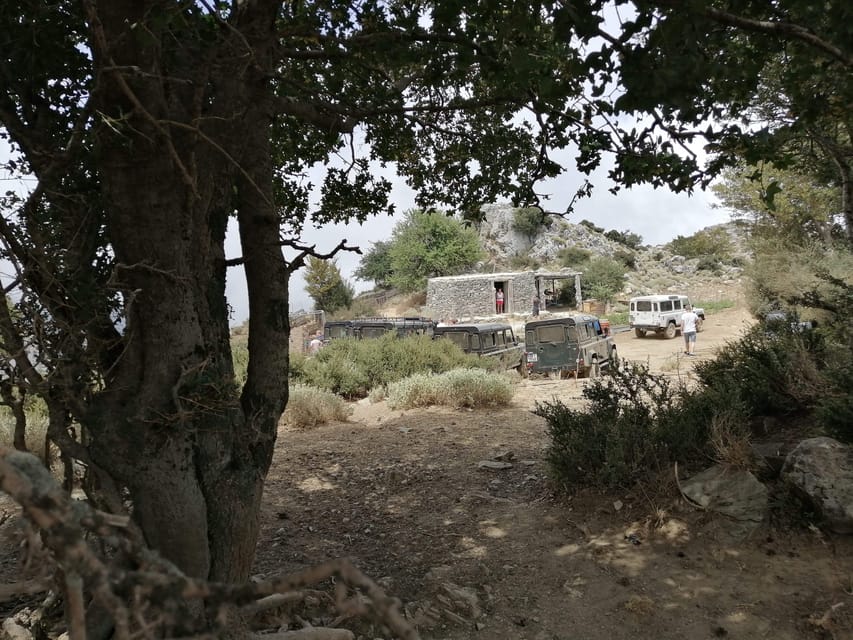
The route returns toward Therisso, an important mountain village with historic connections to Crete’s political struggles. You have around 30 minutes to walk through the village, take photographs, and see its traditional setting before lunch.
Therisso works well as the human counterpoint to the high mountain stop. At the mitato, you learn about shepherds and cheese. In Therisso, you see a settled village where local life continues at a slower pace.
Lunch lasts about 75 minutes at a family tavern. This is one of the strongest parts of the experience. Expect traditional Cretan platters rather than a rushed tourist meal, with generous portions, local cheese, olive oil, and regional dishes. One meal was served by the owner’s daughter, while the owner also worked with sheep in the mountains, giving the food a direct connection to the day’s theme.
The meal is included, but beer, soft drinks, and coffee purchased at the tavern are extra. Bring some cash for those additions and for any small personal expenses. Dietary restrictions and food allergies can be handled with advance notice, so provide that information when booking rather than waiting until lunchtime.
Children under 18 may not drink wine. The tour is not designed around alcohol, and the food is the main point of the stop.
The Therisso Gorge on the way home
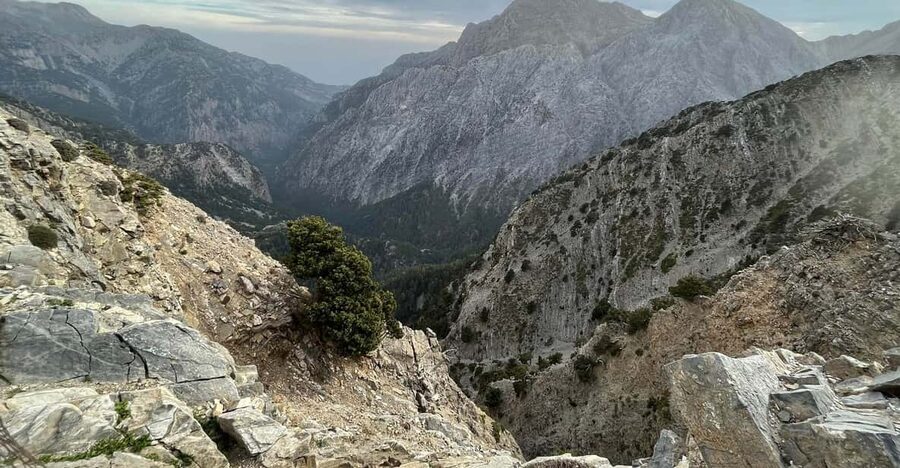
After lunch, the 4×4 takes a short 10-minute route through the Therisso Gorge before the longer drive back toward the coast. The gorge gives you one last look at the steep mountain setting before the scenery opens again.
The vehicle makes a photo stop in the gorge area, but the schedule does not provide a long walk there. Seat choice matters. If you sit in the back row, the view may be partly blocked, especially on a winding road. If you care about photography, ask the guide about changing seats when practical, and keep your camera ready for the brief stop.
The final drive takes roughly 45 minutes, depending on traffic, weather, and drop-off location. Hotel drop-off is included, but the vehicle may not be able to reach the exact entrance of every property. In that case, you receive instructions for a nearby meeting point.
What the $100 price really covers
At $100 per person, this is not the cheapest way to see the Chania area, but it includes more than a standard scenic drive. You receive hotel pickup and drop-off, a 4×4 vehicle, a multilingual driver-guide, coffee or tea or juice, the mitato visit, and a full traditional lunch.
The strongest value comes from access. You would need a suitable vehicle, confidence on rough mountain tracks, local route knowledge, and enough time to link the orchards, villages, high hut, viewpoint, gorge, and tavern yourself. The tour also removes the need to plan a mountain route while driving.
The price makes less sense if you mainly want a hike or a long stop in each village. Much of the day is spent in the vehicle, and some villages are viewed while passing through. You are paying for range, local interpretation, and access to places that are awkward to reach independently, not for several hours of walking.
The 6.5-hour duration is a good fit for a single day away from the coast. It is long enough to reach the high country and have lunch without consuming your entire day. Pickup times are early, though, and the return time can shift with group size and weather.
Who will enjoy this most
I would recommend this trip to you if you want to see working, rural Crete rather than stay around the beach resorts. It suits couples, friends, and families with children aged seven and over who enjoy scenery, food, local stories, and a bit of bumpy driving.
It is also a good choice if you are visiting independently and want an efficient introduction to the area around Chania. The guides explain nature, customs, food, Greek mythology, and local history, so the day has more substance than a simple viewpoint outing.
This is not a good fit if you want a proper mountain walk. One person enjoyed the day but wished for time to hike, and that is a fair criticism. You get short walks at stops, including in Therisso, but the vehicle remains the main way you explore.
You should also avoid it if you are pregnant, have serious back, heart, or mobility problems, have recently had surgery, or suffer from high blood pressure, altitude sickness, or motion sickness. Wheelchair users cannot take part. Sandals and flip-flops are not allowed, and people taller than 200 centimeters or heavier than 130 kilograms may not be accepted.
Practical preparation for a cooler, rougher day
Wear comfortable clothing and closed shoes with a decent sole. Add a jacket even if the forecast at the coast looks hot. The high stop can be cool, and the open roads expose you to wind and sun.
Bring water, sunscreen, sunglasses, a sun hat, a camera, and cash. You cannot bring large bags or luggage, and food and drinks are not permitted inside the vehicle. Smoking, alcohol, and drugs are also prohibited in the vehicle.
Arrive at the assigned pickup point 10 minutes early. Pickup is normally outside your hotel, not necessarily at the front door. Give the hotel name during booking so the operator can confirm the nearest accessible point.
The tour is offered in English and German. The exact schedule can change with weather and group size. Free cancellation is available up to 24 hours before departure, and you can reserve without paying immediately if that option is offered at booking.
Should you book the White Mountains tour?
Book it if you want a well-organized route into rural Crete, enjoy 4×4 travel, and value a substantial local lunch. The mitato, the goat and eagle sightings, the village route, and the high views give the day a clear sense of place. The strongest guides, including Olga, Louise, Giannis, and Efdikis, add stories and warmth that make the long vehicle stretches worthwhile.
Skip it if your priority is hiking, independent wandering, or a quiet mountain picnic. The café stop is simple, the gorge stop is brief, and the back-row view can be limited. For most people seeking a first look at the White Mountains from Chania, though, the $100 price is fair because transport, access, guiding, refreshments, and lunch are all bundled into one full day.
FAQ
How long does the White Mountains tour last?
The tour lasts about 6.5 hours, though the schedule can vary with group size and weather conditions.
Where can I be picked up?
Pickup is available from Tavronitis, Daratsos, Chania, Stalos, Kalyves, Platanias, Agia Marina, Gerani, Almyrida, Kolymvari, Maleme, and Souda. The designated point is outside your hotel or at a nearby accessible location.
What time does pickup begin?
Listed pickup times run from 7:55 in Kalyves to 9:00 in Kolymvari. Your exact time depends on your pickup area.
Is lunch included?
Yes. Lunch at a traditional tavern in Therisso is included and features regional Cretan food. Beer, other refreshments, and coffee bought at the tavern cost extra.
Is the coffee stop included?
Coffee, tea, or juice at the traditional coffee shop is included. The later coffee at the tavern is not included.
How many people travel in each vehicle?
The experience is semiprivate, with up to six or eight people per vehicle. The vehicles are seven or nine-seater 4×4 SUVs.
Is the tour suitable for young children?
Children under seven are not permitted. Children aged seven and over may join, but the tour is not suitable for people with the listed medical, mobility, height, weight, or motion-sickness restrictions.
Do I need hiking equipment?
No specialist hiking equipment is listed, but you need comfortable shoes, comfortable clothes, water, sun protection, and a jacket. The tour includes short walks rather than a substantial mountain hike.
Can dietary restrictions be accommodated?
Yes. Dietary restrictions and food allergies can be accommodated when you provide advance notice.
Fresh on the Chania list
- Chania: Elafonisi & Falasarna Private Tour w/olive oil tasting★ 5.0 · 46 reviews
- Samaria Gorge Trek: Full-Day Excursion from Rethymno with Guide★ 4.5 · 46 reviews
- Chania Alternative Sunset Bike Tour★ 4.9 · 48 reviews
- Polaris Buggy 4-Hour Safari from Rethymno Town★ 4.5 · 48 reviews
- Crete White Mountains Safari Including Lunch★ 4.5 · 48 reviews
- From Chania Private half day Winery-Olive factory-Kournas lake★ 5.0 · 50 reviews
- Elafonissi: Private Beach Day Trip with SUP★ 4.8 · 51 reviews
- Samaria Gorge Trek: Full-Day Excursion from Chania with Guide★ 4.5 · 51 reviews
Crete Tours, compared.
From Kissamos Port: Boat Cruise to Balos Lagoon & Gramvousa
Read our review →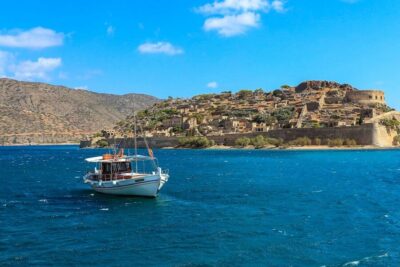
Day Trip to Agios Nikolaos and Spinalonga Island
Read our review →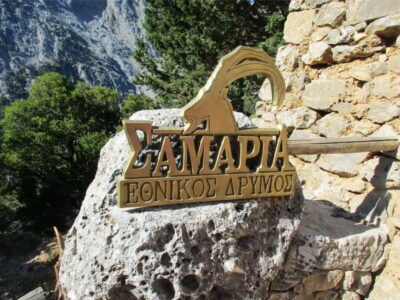
Full-Day Samaria Gorge Trek Excursion & Guide
Read our review →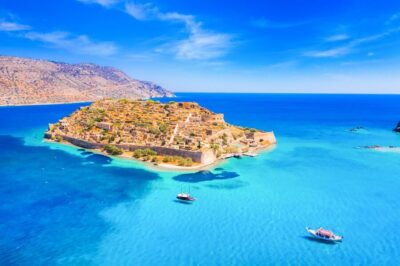
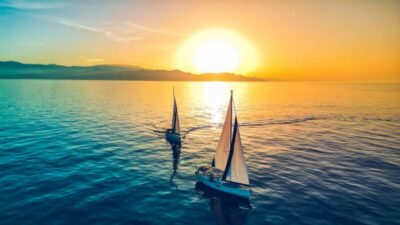
Dia Island Sailboat Cruise with Swimming and Meal
Read our review →
Knossos Palace Entry Ticket with Optional Audio Guide
Read our review →