
Reviewed · CRETE TOURS
From Chania: Wine and Olive Oil Tasting Tour with Snacks
The most unusual stop here is not a winery. It is a 3,000-year-old olive tree, rooted in a quiet village and still carrying the weight of Crete’s farming culture. Around it, you taste wines and oils that make the island’s food traditions easier to understand.
I like the tour’s family-run feel, and I like the generous tastings, which can include ten wines, several olive oils, cheeses, and local snacks. The main drawback is the price, $141 per person, which feels fair only if you value the transport, guiding, and full day of tastings rather than simply counting the number of stops.
Key points to know before booking

- Taste around ten wines: Sample Cretan varieties such as Vidiano, Muscat of Spina, and Vilana alongside Grenache rouge, Syrah, Mourvèdre, and Assyrtiko.
- See an ancient olive tree: The village stop gives the day a strong sense of place beyond food and drink.
- Visit two winery settings: One focuses on a family winery founded in 1993, while another offers a local white blend and a relaxed vineyard setting.
- Learn how extra virgin olive oil is made: The factory visit explains production before you taste several oils with local foods.
- Expect strong guiding: Andreas, Alex, Kostas, Nikos, and other guides are praised for local knowledge, humor, and careful driving.
- Plan for a full six hours: Pickup can begin 30 to 60 minutes before departure, and the schedule moves between Chania and the Kissamos region.
Leaving Chania for Crete’s wine country
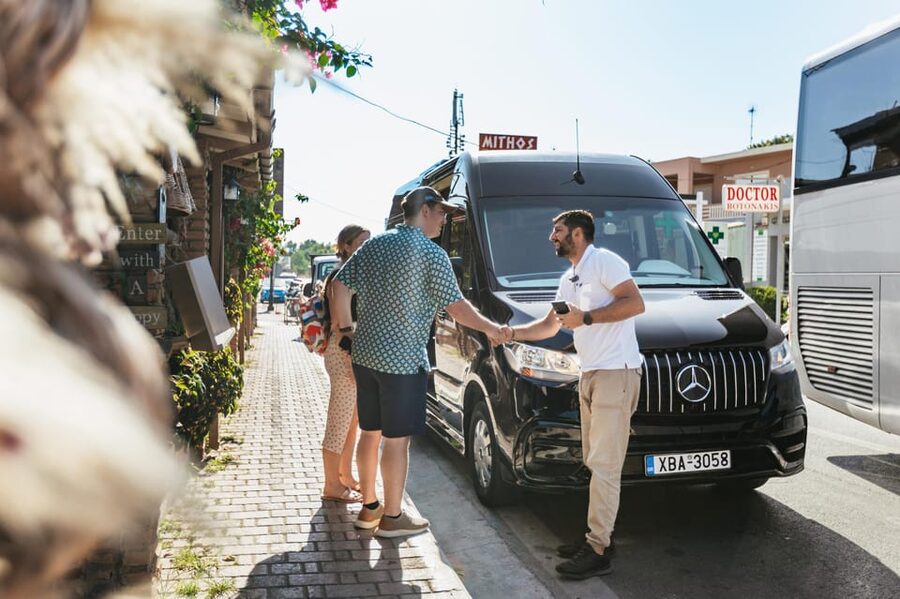
The tour begins with pickup from selected locations in the Chania region. You travel in an air-conditioned bus, with pickup starting 30 to 60 minutes before the scheduled departure time. That window matters, so do not treat the listed start time as the exact moment you leave your hotel.
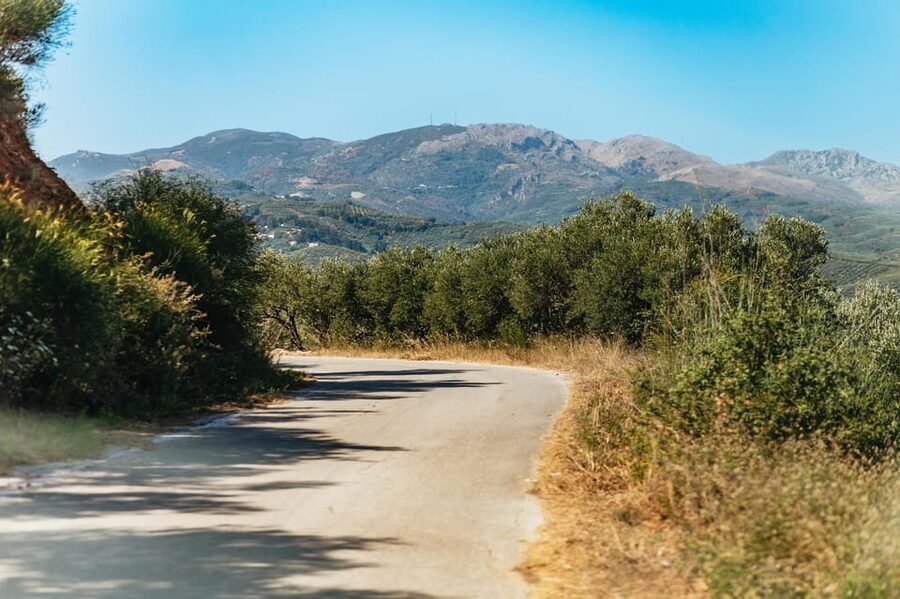
The road leads away from Chania and up into the Kissamos region. The scenery shifts from the city to olive groves, hills, villages, and vineyards. You are not simply being driven to a tasting room. The route gives you a look at the countryside that supplies much of the food and drink served across western Crete.
Your guide is both driver and host. Past guides have included Andreas, Alex, Alexandros, Kostas, Nikos, Thanassi, and Maria. Their roles go beyond pouring wine. They explain Cretan culture, local farming, and the places along the route. Several guides have also been described as sommeliers or as having strong wine knowledge, which adds useful detail during the tastings.
The air-conditioned vehicle is a real benefit in the warmer months. A six-hour outing with several food and drink stops would be tiring in a hot, cramped vehicle, while the transport lets you enjoy the wine without worrying about driving back to Chania.
More Olive Oil Tastings in Crete
- Knossos-Zeus Cave -Old Traditional Villages-Olive Oil Factory
★ 5.0 · 694 reviews - From Chania: Olive Oil, Wine, Cheese & Honey Tasting Tour
★ 4.6 · 490 reviews - Heraklion: Olive Farm Tour with Tasting of Local Delicacies
★ 4.9 · 411 reviews
The first winery and Crete’s changing wine tradition
The first winery is a traditional family business founded in 1993. Its story helps place modern Cretan winemaking in context. You learn about the grapes being grown, the winery’s approach to farming, and the effort to use newer production methods while keeping local character.
The tasting usually includes a broad selection rather than one narrow style. Local Vidiano is a key white grape, known for its importance in modern Cretan wine. Muscat of Spina brings another local expression. You may also taste international grapes such as Grenache rouge, Syrah, and Mourvèdre.
That mix is useful for beginners. If you know little about Cretan wine, comparing local grapes with familiar international varieties gives you a clear reference point. If you already enjoy wine, the value lies in noticing how the same grapes take on different flavors from the island’s soil, climate, and mountain growing areas.
The setting is part of the appeal. You are surrounded by vineyards and olive trees rather than seated in a city bar. The winery staff explain their products directly, and the experience feels tied to a working family operation. That personal scale is more rewarding than a large commercial tasting built mainly around sales.
Still, this is a tasting tour, not a technical wine course. The depth of the explanation can depend on the guide and the winery host. You will learn the main grape varieties and production ideas, but you should not expect a long cellar lecture or an advanced sommelier lesson.
The ancient olive tree in the village
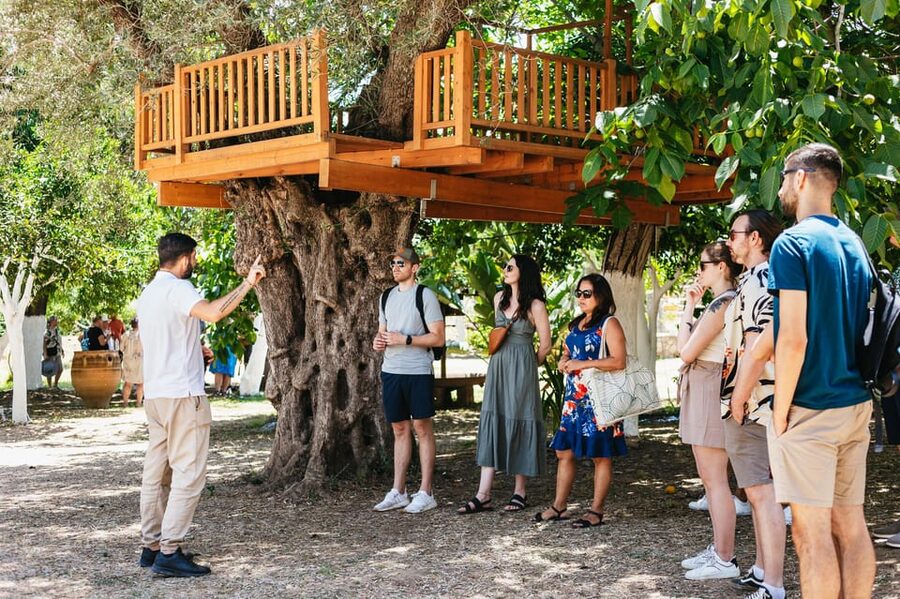
One of the day’s best pauses comes in a traditional village, where you see an olive tree estimated to be about 3,000 years old. It is often described as the oldest olive tree in the world, though the key point for your visit is its extraordinary age and connection to local cultivation.
The tree gives the olive oil tasting a useful human scale. Before you discuss extraction methods and extra virgin standards, you see the kind of old tree that has shaped Crete for thousands of years. Olive growing here is not a decorative theme added for tourists. It is part of the island’s food, economy, family life, and countryside.
This stop is also a welcome change of pace. The day includes several tastings, so a short walk and a quiet village setting help break up the drinking. It is a good place for photographs, though the tree itself is the attraction rather than a long guided visit.
Do not expect a major archaeological site or a long village tour. The olive tree stop is brief compared with the tastings. Its value comes from the story and setting, not from a large number of activities.
The olive oil factory and a lesson in extra virgin oil
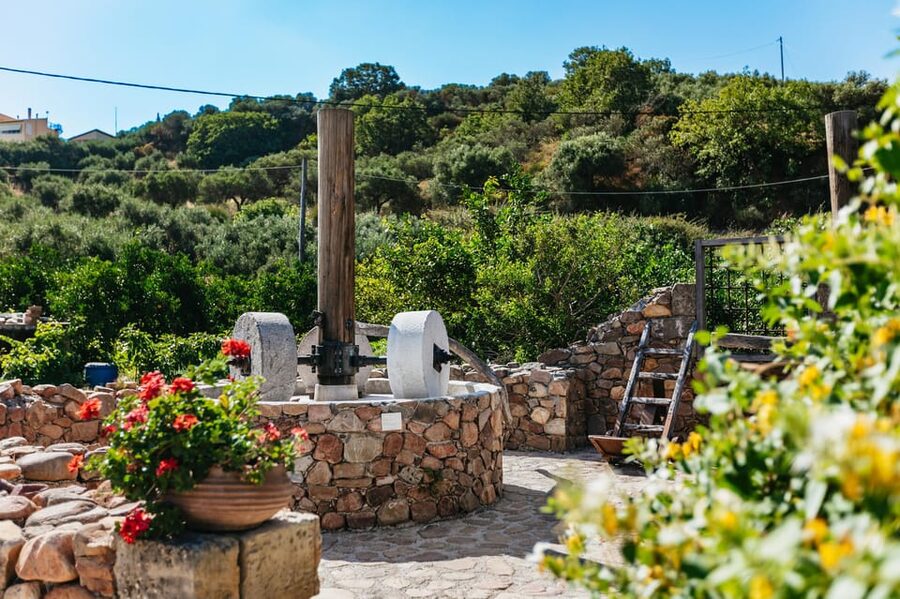
The olive oil factory is one of the strongest parts of the experience. You walk through a local production site and learn how olives become extra virgin olive oil. The staff explain the work involved and show why quality depends on careful handling from the fruit to the finished bottle.
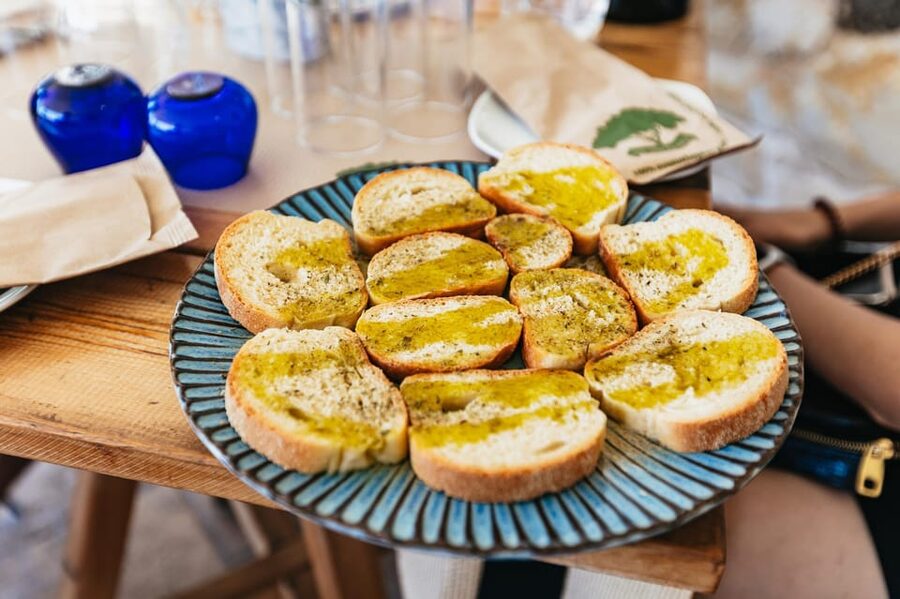
The tasting helps you notice differences between oils. You may try several varieties with local products and wine. If you normally pour olive oil over food without thinking about it, this is where you begin to recognize differences in aroma, bitterness, peppery finish, and freshness.
I like that the oil is treated as a central Cretan product, not just something placed on the table beside the wine. The factory visit connects farming, production, and eating in one stop. You also have the chance to buy bottles, though there is no need to purchase anything to enjoy the visit.
The stop can be especially useful for people who are new to olive oil tasting. The staff make the process approachable, and the guide fills in the wider Cretan context. Some visitors have found the oil so good that they bought several bottles despite limited luggage space, so think ahead if you want to take some home.
The practical issue is baggage. Glass bottles and airline limits do not always cooperate. If you plan to buy oil, ask about available packing or shipping options at the factory rather than leaving the decision until the end of the day.
More olive oil tastings around Crete:
- Zeus Cave, Lassithi Plateau, Olive Oil Factory, Kritza, Pottery
★ 5.0 · 362 reviews - Crete: Knossos, Lasithi, Lasinthos and Olive Farm Combo Tour
★ 4.5 · 351 reviews - The Terra Creta Olive Oil Experience Tour
★ 4.7 · 344 reviews - Knossos & Lasithi Plateau: Zeus Cave,Villages, Olive Oil Tour
★ 5.0 · 328 reviews
The second winery, white blends, and local snacks

The second winery offers another angle on Cretan wine. One featured white blend combines Vilana, Vidiano, and Assyrtiko. Vilana and Vidiano are local grapes, while Assyrtiko is strongly associated with Greek wine more broadly. Tasting them together gives you a useful example of how a winery can balance regional identity with a grape familiar to wine lovers across Greece.
The second setting is described as particularly atmospheric, with vineyards and a relaxed outdoor feel. That matters because the pleasure here is not only what is in the glass. You are tasting in the countryside, among the vines that help explain the wine’s character.
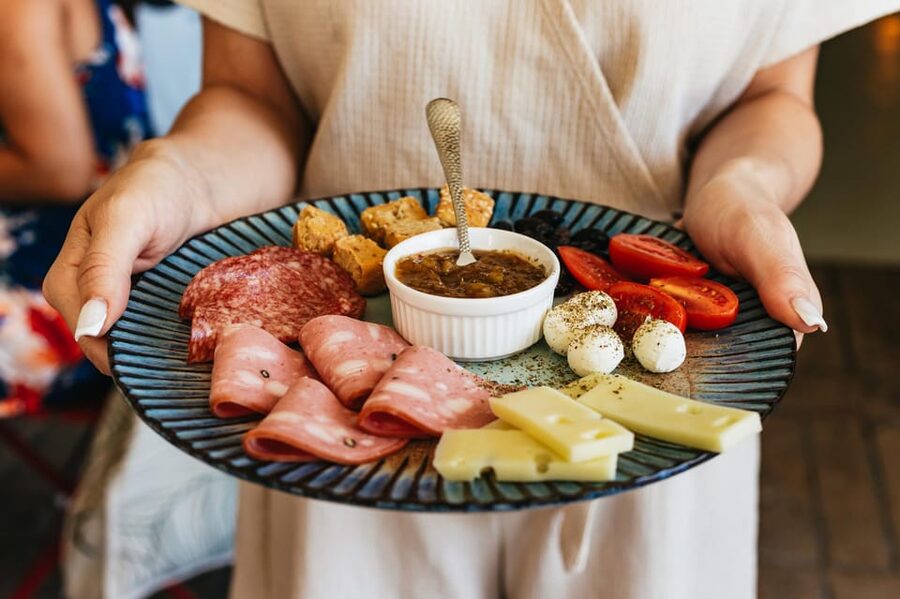
Food is served with the wine, including local cheeses and other snacks. Some outings include a light lunch, but this is not a large restaurant meal. One useful detail is that vegetarian and vegan needs can be accommodated if you mention them in advance.
The amount of food has been enough for some people and a little light for others. I would eat a modest breakfast before pickup, especially if you are not used to drinking several wines during the day. The snacks make the tastings more comfortable, but you should not book this expecting a full feast.
The wine pours are generally described as generous. That is good for tasting, but it also means the alcohol adds up. Drink water when it is offered, use the snacks, and pace yourself. The aim is to compare wines, not to win the afternoon.
What the wine list tells you about Crete
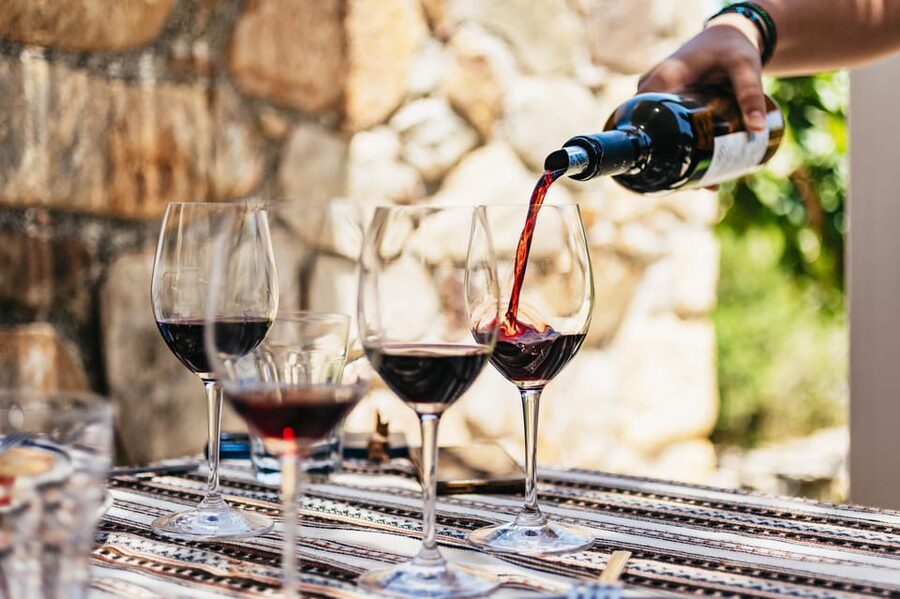
The grape selection is one of the tour’s best teaching tools. Vidiano and Muscat of Spina show you local white varieties, while Vilana adds another Cretan reference point. Assyrtiko gives you a familiar Greek comparison if you have tasted wines from Santorini or other parts of the country.
The reds broaden the picture. Grenache rouge, Syrah, and Mourvèdre are international varieties, but the local growing conditions give them their own expression. You may find that these wines taste different from versions you have tried elsewhere.
You do not need to know wine terms to enjoy this. Pay attention to which wines feel crisp, floral, dry, fruity, spicy, or heavy. Ask your guide what to look for, and take note of the bottles you like. The tour can become a practical introduction to what to order with Cretan food during the rest of your holiday.
The final drink is tsikoudia, the grape spirit traditionally offered as a goodbye in Crete. It is a small but fitting finish to the day. It also packs more strength than the wines, so take it slowly.
Guides, groups, and the feel of the day
The guide can shape the entire experience. Andreas is frequently praised for combining wine expertise with local knowledge. Alex and Alexandros are noted for warmth, patience, and stories about Crete. Kostas is described as friendly, down to earth, and good at making first-time tasters feel comfortable.
Nikos has been praised for his professionalism and for sharing Cretan history along the route. Maria is remembered for talking about Chania, local culture, and daily life. The names may change, but the pattern is clear: you are likely to get a guide who does more than drive between stops.
Group size can vary. Some outings have been small enough to feel almost private, while others include a friendly mix of couples and solo participants. A small group makes it easier to ask questions and speak with the winery staff. It also helps the day keep a personal rhythm.
The schedule is well balanced, with driving, walking, tastings, and food spread across six hours. You are not rushing through four wineries. Instead, you visit two wineries, spend time at an olive oil facility, and pause at the ancient tree.
The downside is that the route and timing can change. The operator may make minor adjustments in bad weather or other circumstances without advance notice. That is normal for a countryside tour, but keep your plans after the excursion flexible.
Is $141 a fair price?
At $141 per person, this is not a cheap transfer with a token tasting. The price includes pickup and drop-off from specified Chania locations, air-conditioned transport, entrance fees, a guide, wine tastings, olive oil tasting, and light food.
The value improves if you do not have a rental car. Driving through the hills, finding wineries, and arranging several tastings yourself would take planning. Someone in your group would also need to avoid drinking. Here, the transport is built into the day, and you can focus on the food, wine, and scenery.
The value is also stronger for first-time visitors to Crete. You get an introduction to local grapes, olive oil production, rural villages, and Cretan customs in one outing. A wine enthusiast looking for a very private or highly technical tasting may find the price less appealing.
One person felt the tour was slightly expensive for what they received, even while enjoying the transport and countryside. That is a fair caution. You are paying for a complete hosted excursion, not only the retail value of the wine and snacks.
The high overall rating of 4.8 from 354 bookings and the transport score of 90 percent suggest that the organization and vehicle are dependable strengths. No tour suits every budget, but this one makes the most financial sense when you value convenience and interpretation.
Who should book this Chania tasting tour?
I would recommend it to couples, solo visitors, and small groups who want a break from beaches and old-town sightseeing. It is also a good choice for beginners because the hosts explain the wine and oil without requiring prior knowledge.
Food lovers will appreciate the combination of cheese, snacks, olive oil, and wine. You should also book it if you want to see more of western Crete but do not want to rent a car or organize a rural route yourself.
Children can join if accompanied by an adult, but anyone under 18 cannot take part in the wine tasting. Water or fresh orange juice is provided instead. Unaccompanied minors are not allowed.
Bring a passport or ID card. Wear comfortable shoes for the village, vineyard, and factory visits. The outing is not a strenuous hike, but you will not spend the whole day sitting in the vehicle.
My verdict: a strong choice for food and countryside
Book this tour if you want a well-rounded introduction to Cretan wine and olive oil, with enough scenery and local context to keep the day from feeling like a string of tasting rooms. The ancient olive tree, two family wineries, and olive oil factory create a pleasing variety.
Skip it if you want a full meal, a private tasting, or an intensive study of winemaking. At $141, you should care about the complete experience, not just the number of glasses poured.
For most visitors based in Chania, I think the combination works. You get out into the Kissamos countryside, taste local varieties such as Vidiano and Muscat of Spina, learn how extra virgin oil is produced, and finish with tsikoudia. That is a useful, enjoyable day in Crete, especially when a guide such as Andreas, Alex, or Kostas adds local stories along the way.
FAQ
How long is the wine and olive oil tour from Chania?
The tour lasts six hours. Pickup begins 30 to 60 minutes before the scheduled departure time, depending on your pickup location.
Is pickup included?
Yes. Pickup and drop-off are included from specific locations in the Chania region. The tour uses an air-conditioned bus.
Which wines can I taste?
The tastings can include Cretan Vidiano, Muscat of Spina, and Vilana, along with Assyrtiko, Grenache rouge, Syrah, and Mourvèdre. The exact selection may vary.
Can children join the tour?
Children may join when accompanied by an adult, but wine tasting is not allowed for anyone under 18. Water or fresh orange juice is offered instead, and unaccompanied minors are not allowed.
Is food included?
Yes. Light lunch or snacks are included, such as local cheeses and other Cretan products. Vegetarian and vegan food can be accommodated if requested in advance.
What should I bring?
Bring a passport or ID card. Comfortable shoes are useful for walking through the village, vineyards, and olive oil facility.
Fresh on the Crete list
- Heraklion: Sunrise Balloon Flight & Sunset Catamaran Cruise★ 5.0 · 45 reviews
- Hersonissos: Alar Spectacular Dinner Show★ 4.7 · 45 reviews
- Kissamos: Balos & Gramvousa Sailing Cruise with Meal★ 4.6 · 45 reviews
- Chania: Elafonisi & Falasarna Private Tour w/olive oil tasting★ 5.0 · 46 reviews
- Samaria Gorge Trek: Full-Day Excursion from Rethymno with Guide★ 4.5 · 46 reviews
- From Rethymno: Santorini Guided Tour and Cruise from Crete★ 4.4 · 46 reviews
- Heraklion: Sunset Luxury Cruise with Sushi and Open Bar★ 5.0 · 46 reviews
- Crete: Coastline Snorkeling Cruise from Hersonissos Port★ 4.3 · 46 reviews
Crete Tours, compared.
From Kissamos Port: Boat Cruise to Balos Lagoon & Gramvousa
Read our review →
Day Trip to Agios Nikolaos and Spinalonga Island
Read our review →
Full-Day Samaria Gorge Trek Excursion & Guide
Read our review →

Dia Island Sailboat Cruise with Swimming and Meal
Read our review →
Knossos Palace Entry Ticket with Optional Audio Guide
Read our review →
Browse the lists this tour appears in