
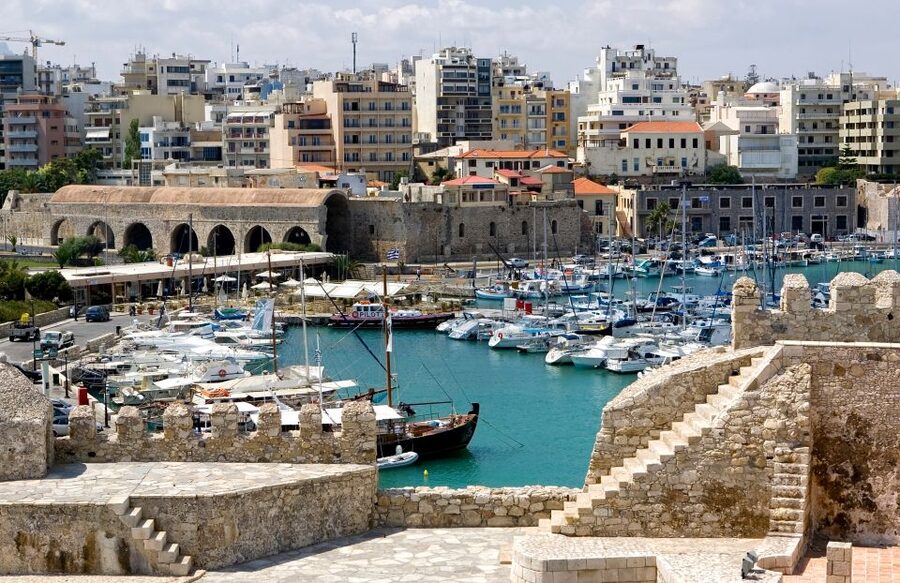
Reviewed · CRETE TOURS
Heraklion: Food Tastings Walking Tour
Heraklion reveals itself best one bite at a time. This four-hour walking tour moves from a traditional coffee stop to a 1920s bougatsa bakery, a food market, cheese and olive-oil tastings, and a generous wine-and-meze finish. You get more than a meal: you see how Cretans shop, eat, and welcome people.
I like the family-run stops, especially the long-running bougatsa shop and the local wine store. I also like the mix of food and city life, with time for churches, fountains, architecture, and neighborhood streets between tastings. The main consideration is simple: at $114 per person, this is not a cheap snack crawl, and you need four hours plus comfortable shoes.
Key points at a glance
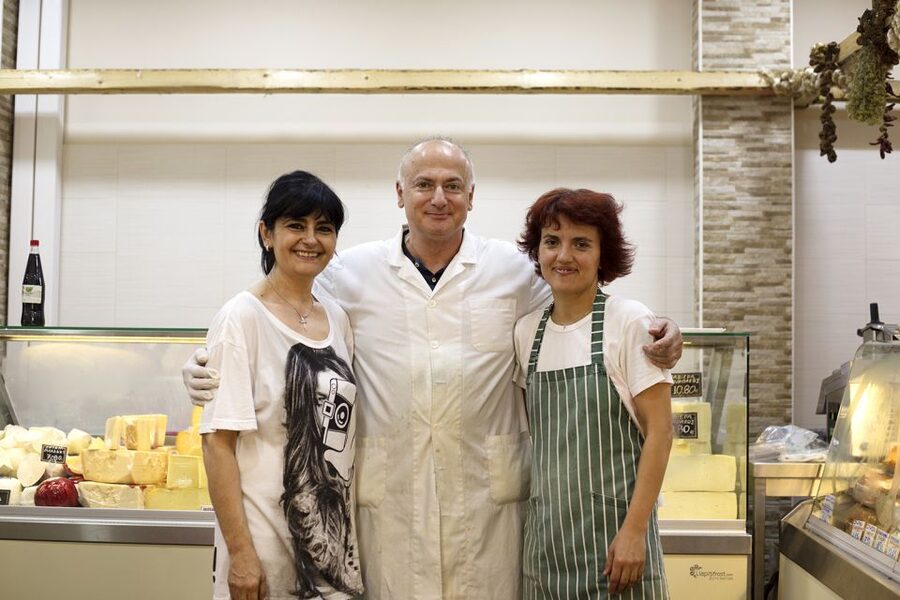
- Eight local food stops take you away from the main tourist circuit and into everyday Heraklion.
- Bougatsa since 1922 gives you a taste of one of the city’s signature pastries at a family-owned bakery.
- Cretan cheese lessons help you compare local varieties and choose better cheese in markets and shops.
- Olive oil tasting explains why Cretan oil is central to the island’s cooking and farming.
- Wine, raki, and meze create a substantial final stop, so plan on leaving well fed.
- Local guides such as Eva and Margarita add history, food knowledge, and practical restaurant advice.
Starting with coffee in Eleftherias Square
Meet at 11:00 AM beside the statue of a soldier in the middle of Eleftherias Square. This is Heraklion’s main square, near the Archaeological Museum and opposite the Astoria Hotel. Look for the guide holding a Crete Local Adventures sign.
The square can be busy, and past roadwork has made the meeting point harder to spot. I would arrive a few minutes early and stand near the statue rather than waiting by the museum or hotel. If you are delayed by public transportation, call the company as soon as you can. The organizers have shown flexibility in that situation.
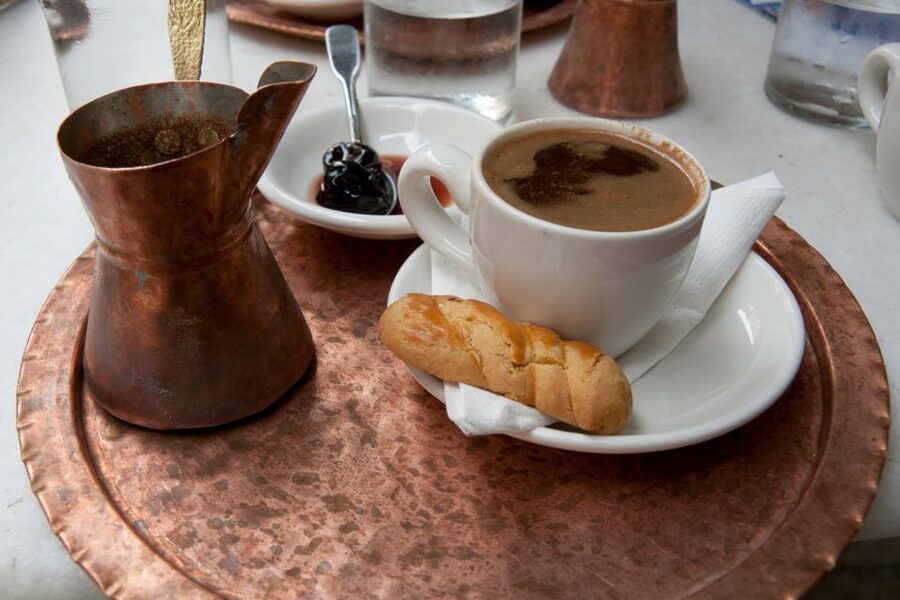
The tour begins with ellinikós kafés, Greek coffee brewed in the traditional way. You may see it prepared in heated sand, a small but memorable bit of ceremony. Your guide also explains why coffee plays such a social role in Greece and may introduce cup reading, the old practice of interpreting the shapes left in the grounds.
This first half hour sets the pace. You are not simply gulping down caffeine before a long walk. You are learning how a familiar drink fits into daily life, conversation, and local custom. The coffee is strong and unfiltered, so take your time with it.
More Walking Tours in Crete
- Knossos: Knossos Palace Skip-the-Line Guided Walking Tour
★ 4.8 · 1,380 reviews - Walking “Food tasting tour” in the town of Chania
★ 5.0 · 297 reviews - PRIVATE Walking Tour with Lunch and Wine Tasting by a Sommelier
★ 5.0 · 113 reviews
Bougatsa at a Heraklion bakery dating to 1922
The next stop is a local bakery known for bougatsa. This pastry is made with thin layers of phyllo wrapped around a filling that may include semolina custard, cheese, or minced meat. The sweet custard version is especially associated with breakfast and morning stops in Heraklion.
The bakery has been using its technique since 1922, giving this tasting a clear connection to the city’s food traditions. You can watch for the contrast between crisp pastry and soft filling, while your guide explains how bougatsa differs from other Greek pastries.
This is one of the strongest reasons to take the tour early in your stay. If you enjoy it, you can return on your own. One person on the tour liked it enough to go back the following day, which tells you something useful: this is not a token bite designed only to fill an itinerary.
The pastry stop lasts about 30 minutes. It is also a reminder that Cretan food is not all grilled meat, salad, and olive oil. Sweet dishes have their place, and Heraklion’s bakery culture deserves attention.
Learning to buy Cretan cheese
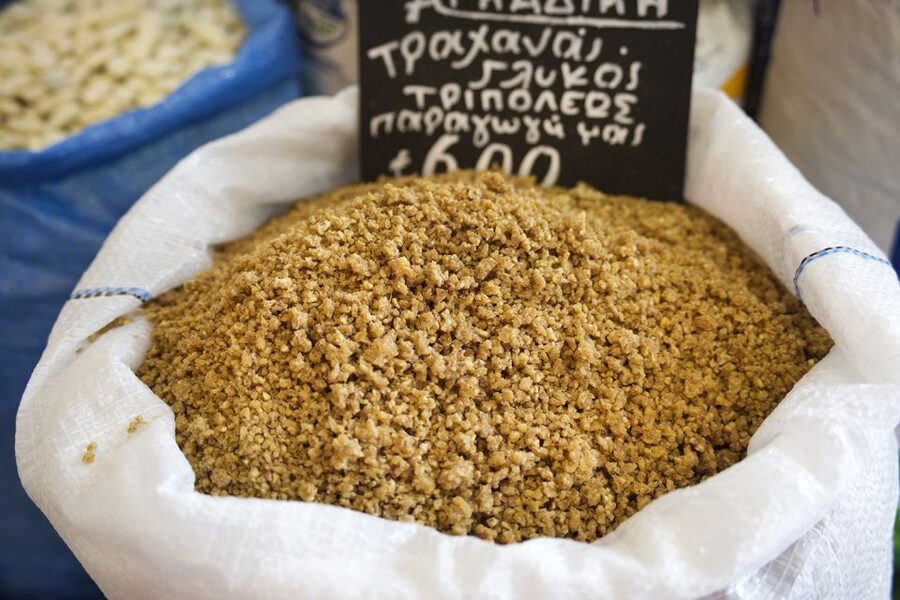
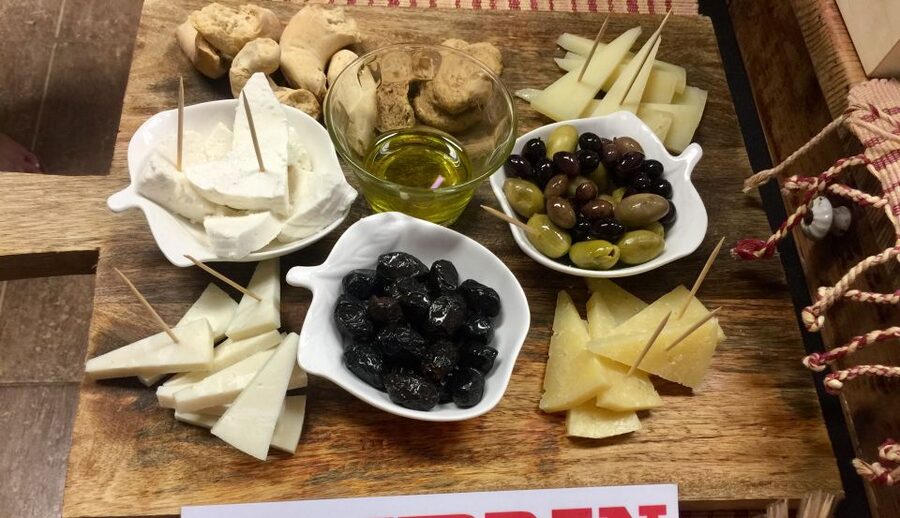
Cheese tasting gets its own half hour. You sample several local cheeses and receive practical tips for spotting quality. That makes this stop more useful than a plate of anonymous cubes. You learn what to notice in texture, aroma, salt, freshness, and the way each cheese works with bread, olives, or wine.
Cretan cheese is a key part of the island’s table. The tasting gives you a better chance of choosing well later at a market or specialty shop. If you plan to take edible gifts home, this is where a guide’s advice can save you from buying the first attractive package on the shelf.
The guide may also explain how cheese fits into Cretan meals and hospitality. The emphasis is not on formal food terminology. It is on practical local judgment, the kind of advice you can use when ordering a mixed plate or shopping for a picnic.
Vegetarian visitors should find this section particularly rewarding, since cheese, bread, olives, rusks, herbs, and olive oil form a substantial part of the tasting. Still, tell the operator about dietary needs when booking. Vegetarian options are available, but the request must be made in advance.
A market lesson in olives, rusks, and olive oil
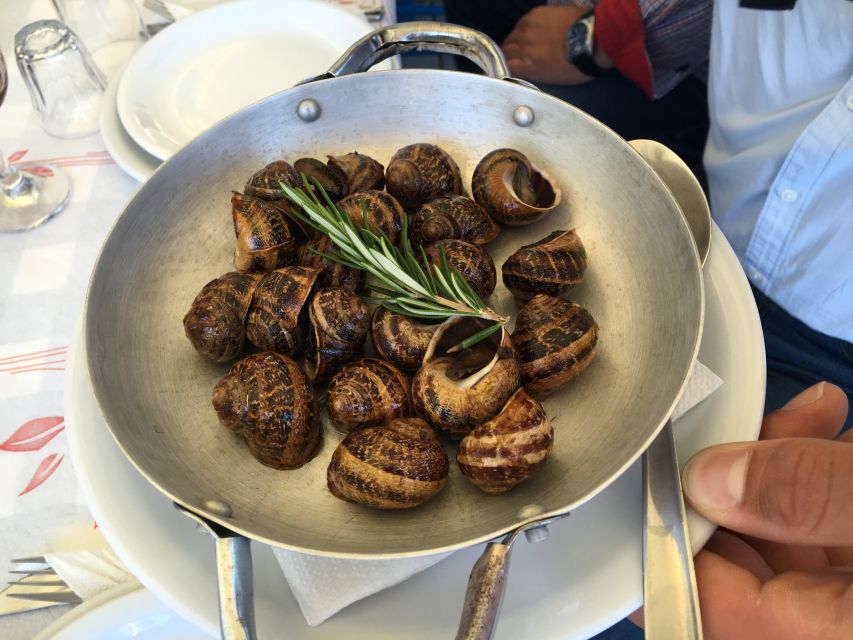
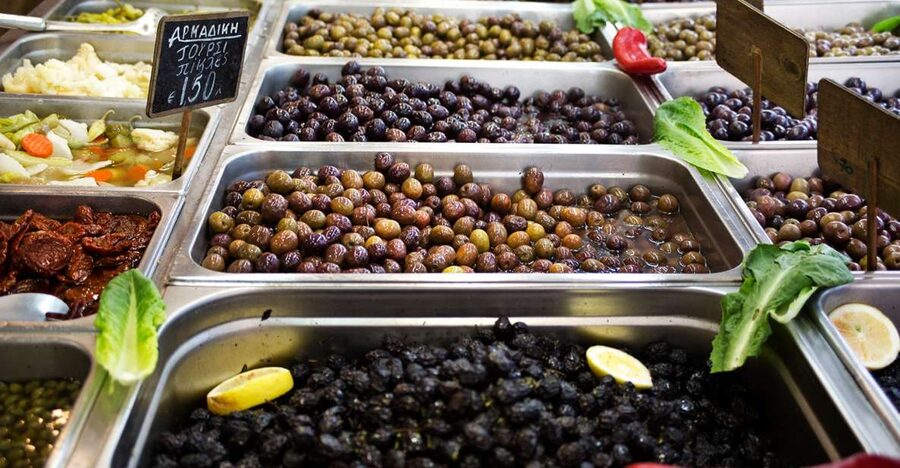
The food market visit lasts about 45 minutes and brings the tour closer to everyday shopping. You meet local vendors and sample basic ingredients used in Cretan cooking, including olives, rusks, and cheese.
Rusks are twice-baked breads with a firm texture. They are practical, durable, and especially good with tomatoes, soft cheese, olive oil, or other moist toppings. Your guide can show you how a simple dry bread becomes part of a satisfying Cretan snack once paired with the right ingredients.
The olive-oil tasting is another useful stop. Cretan oil is not just a cooking fat. It is a daily ingredient, a farm product, and an important part of the island’s food identity. Tasting it on its own helps you notice bitterness, peppery heat, fruitiness, and freshness in a way you may miss when it is mixed into a dish.
The tour also highlights organic Cretan olive oil and the island’s low-food-mile approach. One guide, Eva, is an olive farmer, so the conversation can include a direct connection to local agriculture. This gives the tasting more weight than a generic explanation of Mediterranean food.
Do not expect the market visit to feel like a museum display. Vendors are working, products vary, and the experience depends partly on the day’s activity. That is part of its value. You are seeing ingredients in a living setting, not just hearing a prepared speech about them.
A few other Crete mornings to price up
- Chania: Old Town Highlights Guided Tour with Street Food
★ 4.9 · 407 reviews - Crete: Full-Day Cretan Wines, Olive Oil, Raki and Food Tour
★ 5.0 · 264 reviews - The Delicious Chania Street Food Tour
★ 5.0 · 138 reviews - Rethymno Old Town: A Traditional Cretan Food Tour
★ 4.9 · 103 reviews
A pause near Agios Minas Cathedral
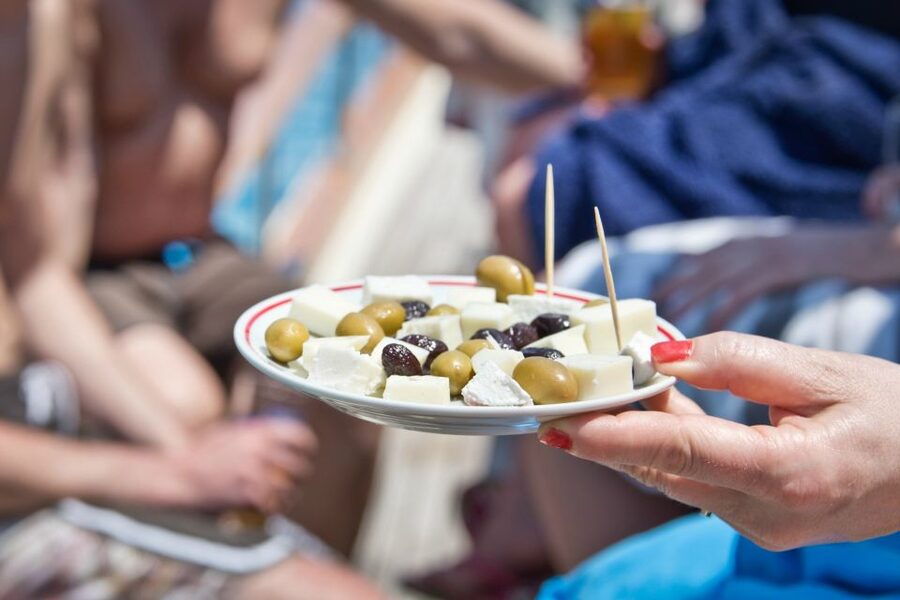
The itinerary includes a 30-minute stop around Agios Minas Cathedral, with tea listed at this point. This is one of the breaks that keeps the experience from becoming a nonstop eating contest.
The cathedral and surrounding streets give you a chance to shift your attention from taste to place. Guides have also taken groups inside churches and pointed out fountains, murals, old architecture, and other city details along the route. The exact commentary depends on the guide, but the food is regularly paired with stories about Heraklion and Cretan life.
This part matters because a good food tour should show you where food belongs, not just what it tastes like. You get a short cultural pause, a chance to sit or slow down, and some room for conversation with the guide and the rest of the group.
One small caution: the published schedule gives this stop 30 minutes but does not spell out every detail of the tea service. Think of it as a cultural and refreshment break rather than a separate major tasting.
Finishing with wine, spirits, and a full meze table
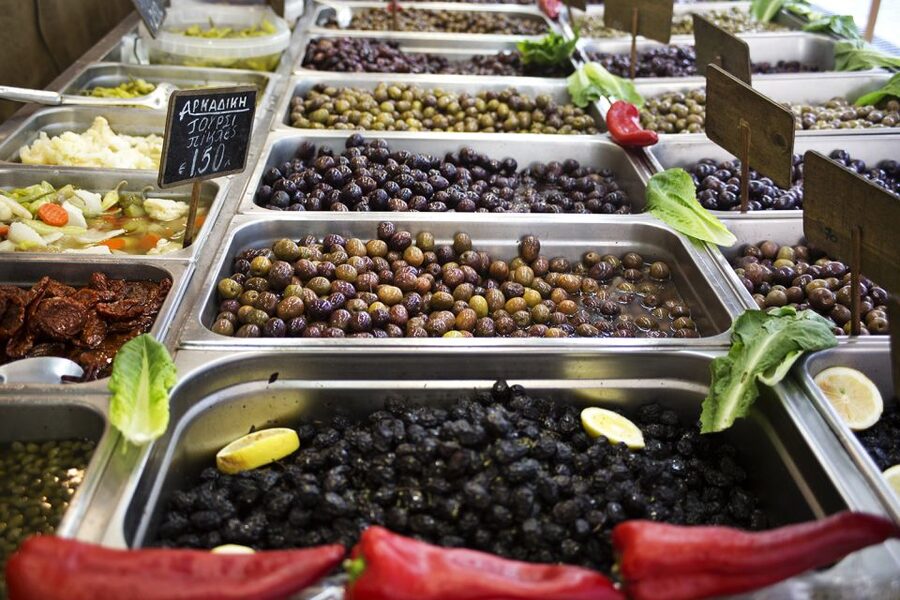
The final stop lasts about an hour at a family-run shop serving local Cretan wines and tapas. It is the longest food stop and, based on the planned samples, the most substantial. You may taste meats, meze, local wine, and spirits such as raki, along with some of the products introduced earlier.
Cretan winemaking reaches back to the Bronze Age, and your guide explains how local grapes and wine production fit into the island’s past and present. You do not need to be a wine expert. The point is to understand what you are drinking and how wine is served with food in Crete.
The meze spread is important when judging value. This is not only a wine flight with a few crackers. The included samples cover coffee, pastries, traditional sweets, rusks, olives, cheeses, meats, wine, and spirits. Several people found the portions substantial enough to leave full, and one described finishing happy and slightly tipsy.
Alcohol is available only to people aged 18 and older. Participants under 18 receive non-alcoholic drinks. If you are driving afterward, keep that in mind, since the final stop may include more than one alcoholic taste.
The family-shop setting also helps you understand the social side of Cretan drinking. Wine and raki are tied to sharing food and conversation, not just to ordering a single drink. The guide can explain how these products are made and how locals enjoy them.
How much walking and eating should you expect?
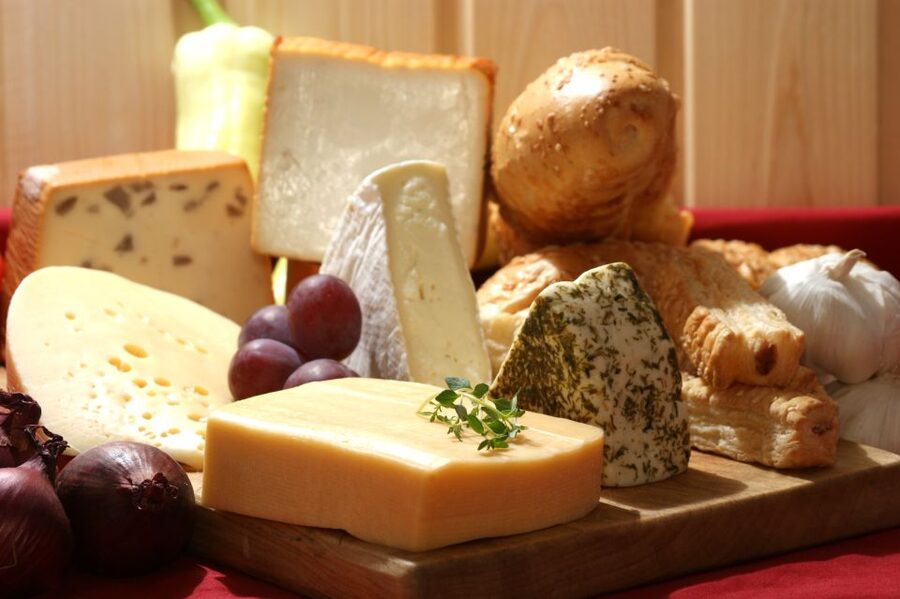
The tour lasts four hours and begins at 11:00 AM. It ends at Rocca a Mare Fortress, also known as the Venetian fortress by the harbor. That makes the finish convenient if you want to continue near the waterfront or visit another central sight afterward.
The route connects several food stops, so you walk between tastings through Heraklion’s local neighborhoods. Comfortable shoes are essential. The tour is not described as strenuous, but you should expect repeated walking, standing, and time on city streets.
The pacing appears more relaxed than a simple stop-after-stop tasting route. Cultural pauses at churches, fountains, and other sights break up the food. That is good for your appetite and gives the city some room to enter the experience.
Come hungry, but do not skip breakfast entirely if you are prone to low blood sugar. The first solid food arrives at the bakery, and the largest spread comes toward the end. The included samples are intended to be filling, but extra food and drinks are not included.
Guides make the difference
Guide quality is a major strength here. Eva is the name that appears most often in the tour’s feedback, while Margarita and Mya have also led groups, and Mya is listed among the guides praised for local culture and food knowledge. Mya has also been described as a guide who explains Heraklion’s traditions clearly.
Eva’s approach seems especially personal. She has been described as funny, warm, and closely connected to local vendors, with shopkeepers greeting her as she passes. That can change the feel of a walking tour. Instead of being moved from one anonymous tasting to another, you feel more like you are being introduced around town.
Margarita has also guided private-feeling and small-group outings, adding food advice, history, and recommendations for the rest of a stay. Guides have suggested restaurants and other places to visit, so save your questions for the last part of the tour.
The experience is offered in English. The guide’s personality will naturally vary, so you should book this for the route and food as well as for the chance to meet a strong local host. The consistent theme is a mix of city history, daily customs, and what to eat next.
Is $114 a fair price?
At $114 per person, the tour costs more than buying a coffee, pastry, and market snack on your own. But that comparison misses the point. You are paying for four hours of guiding, food and drink samples across several stops, local introductions, explanations of ingredients, and a half-day orientation to Heraklion.
The included food is broad: Greek coffee, bougatsa, pastries, sweets, rusks, olives, cheeses, olive oil, meats, local wine, and spirits. The final meze stop may function as lunch, which improves the value if you would otherwise pay for a separate meal.
I would consider the price fair for a first day in Heraklion, especially if you want help choosing restaurants and local products. It is less appealing if you already have a strong food plan, avoid most of the included items, or prefer to explore alone at your own pace.
The tour can also pay off later in the trip. You learn which cheeses, oils, pastries, and wines to seek out, and you finish with ideas for restaurants and sights. Book early in your stay if you can, so you have time to use that advice.
Who should book this walking food tour?
I would recommend it to first-time visitors who want a practical introduction to Heraklion without spending a full day in a formal cooking class. It suits people who enjoy tasting small portions, asking questions, and walking through ordinary parts of a city.
It is also a good choice for couples, families with older children, and small groups of friends. Children under 18 can join, with non-alcoholic drinks provided. Vegetarian options are available when requested at booking.
You should think twice if you want a strict sightseeing tour with long historical explanations at every stop. The main focus is food, and the history appears in short sections as you move around. One person wished for more historical detail, although the overall route still includes churches, architecture, fountains, murals, and city stories.
This may not suit anyone with serious food allergies unless the operator confirms the arrangements in advance. The supplied details only promise vegetarian options, not a full allergy program. Ask before booking rather than relying on substitutions on the day.
Practical details before you reserve
The meeting point is Eleftherias Square, next to the central soldier statue. The Astoria Hotel and Archaeological Museum are useful landmarks, but the sign held by the guide is the detail to rely on.
The tour does not include hotel pickup or drop-off. You make your own way to the square and leave from Rocca a Mare Fortress. Wear comfortable shoes, carry water if you like, and leave room in your appetite for a large finish.
You can cancel up to 24 hours before the start for a full refund, and the reserve-now, pay-later option keeps you from paying at once. Check the available start time when booking, since the advertised duration is four hours rather than a guaranteed daily departure time.
Should you book it?
I would book this tour if you want food with a sense of place. The best parts are the 1922 bougatsa bakery, the cheese and olive-oil guidance, and the long final stop with wine, raki, and meze. You also get useful restaurant advice and a friendly introduction to Heraklion’s streets.
Skip it if you prefer independent grazing, need a tightly controlled diet, or want a history-first walking tour. For most visitors who like local food and do not mind paying for a well-fed half-day, this is a strong use of time, particularly near the beginning of a Crete trip.
FAQ
Where does the Heraklion food tour start?
It starts at 11:00 AM next to the statue of a soldier in the middle of Eleftherias Square. The square is near the Archaeological Museum and opposite the Astoria Hotel. Look for the guide holding a Crete Local Adventures sign.
Where does the tour finish?
The tour finishes at Rocca a Mare Fortress near Heraklion’s harbor.
How long does the walking food tour last?
The experience lasts four hours.
What food and drinks are included?
Included samples may include Greek coffee, bougatsa, pastries, traditional sweets, rusks, olives, Cretan cheeses, olive oil, meats, local wine, and spirits such as raki.
Are vegetarian options available?
Yes. Vegetarian options are available, but you need to specify this when booking.
Can children join the tour?
Yes. Participants under 18 receive non-alcoholic beverages. Alcoholic drinks are available only to participants aged 18 or older.
What should I bring?
Bring comfortable shoes for walking through Heraklion’s neighborhoods and between the tasting stops.
Fresh on the Crete list
- Heraklion: Sunrise Balloon Flight & Sunset Catamaran Cruise★ 5.0 · 45 reviews
- Hersonissos: Alar Spectacular Dinner Show★ 4.7 · 45 reviews
- Kissamos: Balos & Gramvousa Sailing Cruise with Meal★ 4.6 · 45 reviews
- Chania: Elafonisi & Falasarna Private Tour w/olive oil tasting★ 5.0 · 46 reviews
- Samaria Gorge Trek: Full-Day Excursion from Rethymno with Guide★ 4.5 · 46 reviews
- From Rethymno: Santorini Guided Tour and Cruise from Crete★ 4.4 · 46 reviews
- Heraklion: Sunset Luxury Cruise with Sushi and Open Bar★ 5.0 · 46 reviews
- Crete: Coastline Snorkeling Cruise from Hersonissos Port★ 4.3 · 46 reviews
Crete Tours, compared.
From Kissamos Port: Boat Cruise to Balos Lagoon & Gramvousa
Read our review →
Day Trip to Agios Nikolaos and Spinalonga Island
Read our review →
Full-Day Samaria Gorge Trek Excursion & Guide
Read our review →

Dia Island Sailboat Cruise with Swimming and Meal
Read our review →
Knossos Palace Entry Ticket with Optional Audio Guide
Read our review →
Browse the lists this tour appears in