Reviewed · CRETE TOURS
Semi-Private Wine Discovery Tour in Chania
Crete’s wine country is the real star here, but the surprise is how much more you get than a few glasses of wine. This five-hour trip takes you from Chania’s Municipal Market to two family-owned wineries, with vineyard walks, local food, olive oil, and the Monumental Olive Tree of Vouves, said to be more than 4,000 years old.
I like the small maximum of eight people, which gives the trained wine guides, including Anna and Oz, room to explain what is in your glass. I also like the mix of local grapes and familiar international varieties, plus the countryside views between stops. The main drawback is the strict, non-refundable booking policy, especially since the tour depends on good weather.
Key points
- Taste up to 11 Cretan wines: Compare indigenous grape varieties with international grapes you may already know.
- Visit two working family wineries: Karavitakis Winery focuses the first stop on wine, while Anoskeli adds an olive mill.
- Learn how to taste: Your guide explains how to assess wine instead of simply pouring samples.
- Eat local snacks with the wine: Tomatoes, cheese, salami, cucumbers, bread, olives, and olive oil accompany the tasting.
- See an ancient olive tree: Vouves provides a memorable break from the wine and a strong link to Crete’s agricultural past.
- Ride in a small group: Air-conditioned minivan transport and a central Chania meeting point keep the afternoon simple.
What This Chania Wine Tour Actually Feels Like
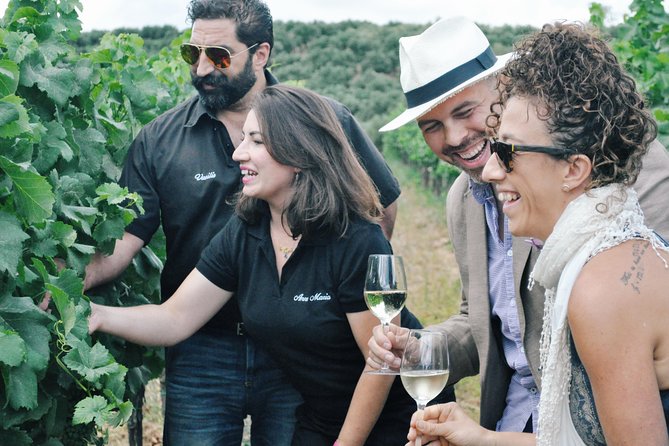
This is not a grand estate tour with polished halls and a long formal lunch. It is a compact introduction to Cretan wine, hosted by people who work directly with wine and local producers.
You meet at Platia Markopoulou, beside Chania’s Municipal Market, at 1 p.m. From there, an air-conditioned minivan carries you into the countryside. The trip lasts about five hours and ends back at the same meeting point, so you do not need to arrange a one-way taxi or work out a complicated return route.
The group limit of eight matters. Wine questions are easier to ask when you are not one face in a crowd, and the guide can adjust the talk to the group. Anna, who is a trained sommelier and speaks both English and Greek, has led some departures. Oz has also been praised for his humor and clear explanations. The exact guide is not guaranteed, but the experience is built around a wine professional rather than a general sightseeing escort.
The tone is educational without becoming a classroom. You learn why a wine smells or tastes a certain way, how to compare samples, and how local grape varieties fit into Crete’s wine culture. If you already work with wine, you may still pick up a useful tip. If you usually drink wine without thinking much about it, the explanations give you a better way to judge what you like.
A few other Crete mornings to price up
- Knossos Palace Skip-the-Line Ticket & Private Guided Tour
★ 4.9 · 633 reviews - Heraklion: Private Half-Day Sailing Trip to Dia Island
★ 4.9 · 466 reviews - Wine & Olive Oil Tour with Lunch – Semi Private Safari Tour
★ 5.0 · 156 reviews
Karavitakis Winery and the First Wine Flight
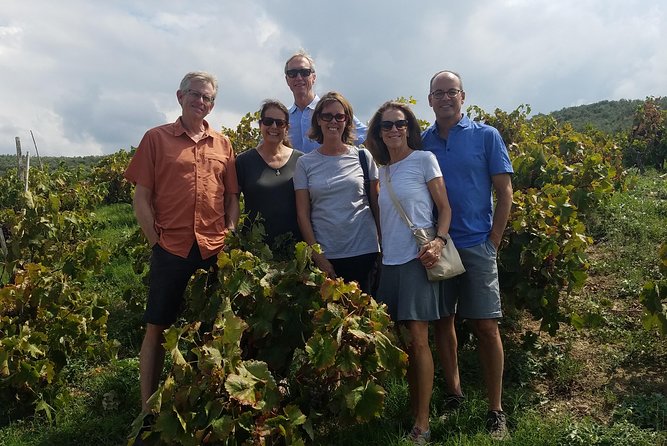
Karavitakis Winery is the first listed stop, and it sets the direction for the afternoon. You can expect to see vineyards and learn about the wines made from them before settling in for a tasting.
The appeal is variety. Cretan producers use indigenous grape varieties that may be unfamiliar to you, alongside international grapes with names you will recognize. That makes the tasting easier to follow. You can compare a new local style with a more familiar benchmark rather than trying to understand every glass from scratch.
The tour description includes 11 different wines across the winery visits. One account recorded 10 wines, so the exact number may vary by departure or current winery selection. Either way, this is a generous tasting for a five-hour outing, and you should not think of it as a quick sip and photo stop.
Your guide also teaches you how to taste. That can mean looking at the color, smelling before sipping, and noticing how the wine changes in your mouth. The useful part is not memorizing technical terms. It is learning a repeatable method you can use later in a Cretan taverna or at home.
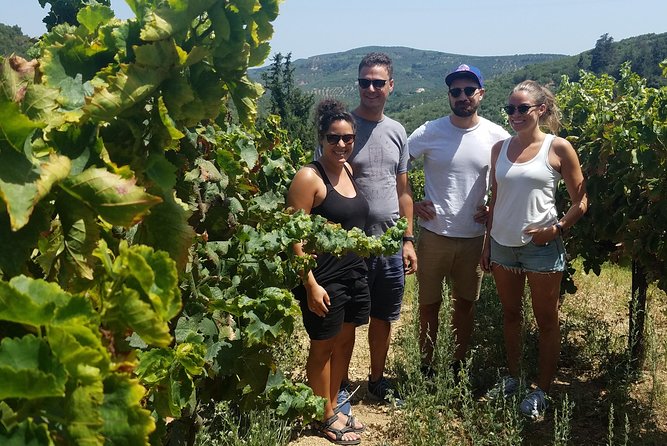
There is a photo opportunity in the vineyards, too. Do not expect the whole afternoon to be spent among the vines, but the walk gives you a better sense of where the wine begins. The views across the countryside add welcome space after time in Chania’s busy center.
Anoskeli Winery, Olive Oil, and Local Food
The second stop, Anoskeli Winery Olive Mill, broadens the subject from wine to another major Cretan product. You taste olive oil as well as wine, and that is one of the tour’s strongest features.
Olive oil can seem like a minor extra on a wine tour, but here it helps you understand how local food and drink fit together. You are not only sampling bottles. You are tasting the ingredients that shape everyday Cretan meals, then seeing how they work alongside wine.
The food is served as a snack plate rather than a full meal. Expect tomatoes, cheese, salami, cucumbers, bread, olives, and olive oil. This is enough to keep the tasting grounded and gives you something to eat between pours, but it is not a substitute for lunch or dinner.
The pairings are sensible, though not guaranteed to suit every palate. Strong olive oil, salty cheese, cured meat, and fresh vegetables create clear contrasts with the wine. If you prefer sweet or elaborate wine pairings, this may feel plain. I see that as part of the appeal: the food is local, direct, and more like what you might encounter in a Cretan kitchen than a staged restaurant tasting.
Anoskeli also helps break up the wine-heavy schedule. After several samples, a change of subject gives your senses a reset. You learn about olive oil without adding another major stop or making the afternoon feel rushed.
The Monumental Olive Tree of Vouves
The stop at the Monumental Olive Tree of Vouves is the tour’s most unusual pause. The tree is presented as the oldest olive tree in the world, and its age is often described as more than 4,000 years.
You will not go there for another tasting. You go to see a living piece of Crete’s agricultural past, take photographs, and consider how long olives have shaped the island. It gives the afternoon a sense of place that a winery alone cannot provide.
This stop also adds welcome variety. Five hours of wine talk can become tiring, even for people who enjoy wine. The ancient tree lets you stretch your legs and shift from tasting to history, without turning the tour into a full museum visit.
The information provided does not specify how long you spend at the tree or what facilities are available. Think of it as a short sightseeing stop within the larger wine outing, not a separate historical tour. The value is the unusual sight itself and the connection between the olive oil you taste and the old trees that make Cretan agriculture so distinctive.
Same island, an entirely different sort of day:
- From Kissamos Port: Boat Cruise to Balos Lagoon & Gramvousa
★ 4.2 · 6,755 reviews - Crete: Day Trip to Agios Nikolaos and Spinalonga Island
★ 4.6 · 4,416 reviews - From Chania: Full-Day Samaria Gorge Trek Excursion & Guide
★ 4.6 · 3,191 reviews - Agios Nikolaos: Boat Trip to Spinalonga with Swim Stop
★ 4.4 · 3,031 reviews
How Much Wine and Food You Receive
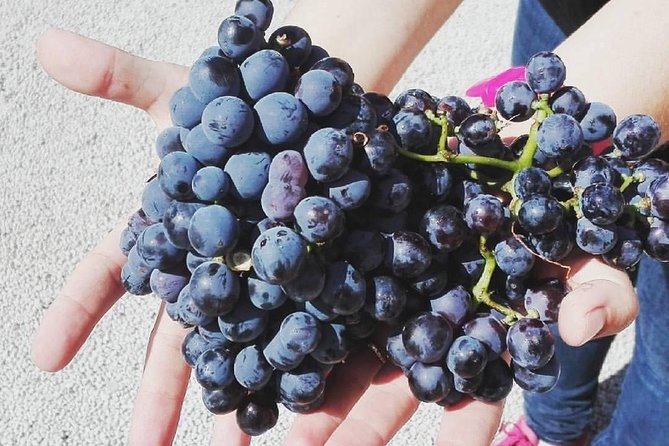
The planned tasting includes 11 wines and a snack plate. That is a substantial amount for an afternoon, especially when your guide is explaining each sample rather than rushing through a line of glasses.
The mix of grapes is important. Local indigenous varieties give you a taste of Crete that you are unlikely to find in the same form back home. International varieties give you familiar reference points. Together, they make the tasting useful for beginners and still engaging for people who already know wine.
You should eat before the tour if you need a full meal. Tomatoes, bread, cheese, salami, cucumbers, olives, and olive oil are practical tasting snacks, but the supplied menu does not promise a large lunch. The food is there to support the wine and showcase local produce.
Pacing also matters. The tour begins at 1 p.m., so it occupies the middle and later part of your day. That timing works well if you want a relaxed afternoon outside Chania and plan dinner afterward. It is less suitable if you want to visit several other major sights on the same day.
The drinking age and minimum participation age are both 18. Since wine is central to every stop, this is not a good choice for anyone who wants only a scenic drive or who does not drink alcohol.
Why the Small Group and Guide Make a Difference
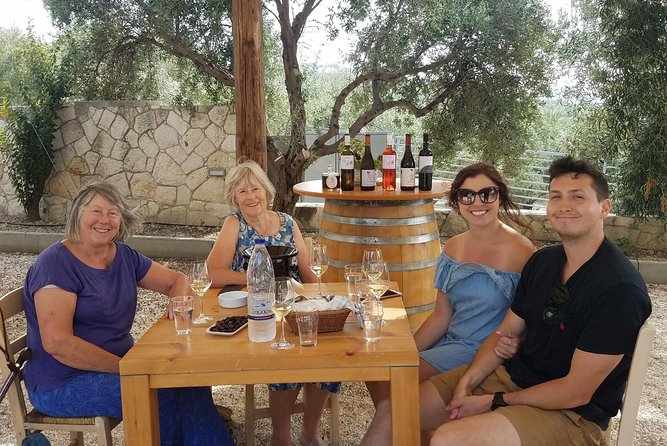
A group of eight or fewer is a useful middle ground. You get shared transport and a social setting, but the group is small enough for conversation. That is particularly helpful during a tasting, when you may want to ask why one wine feels sharper, fruitier, or heavier than another.
The guide is a key part of the value. Anna has been described as a trained sommelier with a strong grasp of wine and Cretan history. Her background speaking Greek at home and English to an American audience can help make local customs and wine terms easy to follow. Oz has been praised for his humor and for making the outing feel like an adventure rather than a lecture.
The guides also place wine in a wider setting. Cretan wine is not treated as an isolated product. The discussion connects it to the island’s long political and agricultural past, local grapes, olive oil, and family-run production.
The exact balance between talk and tasting depends on the guide and the group. That is worth remembering. If you want a formal technical seminar, this may feel conversational. If you want to learn while enjoying yourself, the approach should suit you well.
The Drive Through Chania’s Countryside
The minivan rides are part of the experience, not just a way to fill the gaps between wineries. As you leave Chania, the scenery changes to hills, vineyards, and open countryside.
You will see more of Crete than you would from a tasting room in town, and the drive provides useful context. Wine and olive oil make more sense when you see the land around the producers. The countryside views also offer a break from Chania’s streets and beaches.
Transport is included in an air-conditioned minivan, which is especially useful during a warm afternoon. You do not have to navigate rural roads, find parking, or decide who will drive after the tastings.
The central meeting point at the Municipal Market is practical for many people staying in Chania. One account also indicates that pickup near accommodation on the west side was possible for that departure, but the listed meeting point is Platia Markopoulou. Treat any accommodation pickup as something to confirm rather than a standard promise.
Is $114.65 a Fair Price?
At $114.65 per person, the tour is not the cheapest way to drink Cretan wine. But the price includes transportation, two winery visits, wine tasting, olive oil, snacks, a trained wine guide, and the ancient olive tree stop.
You are also paying for convenience. Organizing two rural wineries independently would mean arranging transport, checking opening times, and finding a safe way back after tasting up to 11 wines. The included minivan removes those problems.
The small group improves the value. A private tour would cost more, while a large coach tour would likely offer less personal attention. Eight people gives you a good chance to speak with the guide without paying private-tour rates.
The value is strongest if you care about learning. If you only want a couple of glasses with a view, the price may feel high. If you want a structured look at Cretan grapes, olive oil, food, and rural production in one afternoon, the package is reasonably balanced.
Timing, Weather, and Important Limits
The tour needs good weather. Vineyard walks, countryside drives, and the Vouves stop are less enjoyable in poor conditions, so the provider may cancel and offer another date or a full refund.
Your own cancellation terms are strict. The experience is non-refundable and cannot be changed for any reason once booked. That means I would avoid booking it until your Chania schedule is firm, especially if your trip depends on uncertain ferry or flight plans.
Confirmation is provided at booking, and most people can take part. The supplied information does not list special accessibility arrangements, so ask before booking if you need specific support.
The experience ends where it begins, at the central meeting point. Plan your evening around a return to Chania rather than assuming you will be dropped elsewhere.
Who Will Enjoy This Wine Afternoon Most?
I would recommend it to adults who want more than a standard winery tasting. The strongest match is someone who enjoys food, local products, scenery, and clear explanations in roughly equal measure.
It is especially useful early in a Crete visit. After learning about local grapes and olive oil, you may have a better sense of what to order in restaurants and shops for the rest of your stay.
Wine beginners should feel comfortable. You do not need prior tasting experience, and the guide explains how to assess what you are drinking. People with some wine background should also find value in the local varieties and the chance to compare them with international grapes.
The tour is less suitable if you dislike group activities, need a full meal during the afternoon, or want a visit built around architecture and formal winery interiors. It is also not suitable for anyone under 18, since wine tasting is central to the program.
Should You Book the Semi-Private Wine Discovery Tour?
Book it if you want a friendly, educational afternoon that combines Cretan wine with olive oil, local snacks, countryside views, and a very old olive tree. The strongest reasons are the small group, the wine-focused guides, and the range of local and international grapes.
Think twice if you need flexible cancellation, a substantial lunch, or a tightly controlled wine count. The tasting may include 11 wines as planned, but the number can vary, and the food is a snack plate rather than a full meal.
For most adults staying in Chania, this is a well-priced way to reach rural wineries without renting a car. I would schedule it on a day with clear weather, eat a light meal beforehand, and leave the evening free for dinner back in town.
FAQ
Where does the wine tour begin?
It begins at Platia Markopoulou, at Chania’s Municipal Market in Chania, Greece.
What time does the tour start?
The tour starts at 1 p.m. and lasts approximately five hours.
Which wineries are included?
The route includes Karavitakis Winery and Anoskeli Winery Olive Mill.
How many wines will I taste?
The experience is described as including 11 different wines. The exact number may vary, as one provided account recorded 10 wines.
Is food included?
Yes. A snack plate includes tomatoes, cheese, salami, cucumbers, bread, olive oil, and olives.
How large is the group?
The tour has a maximum of eight people and includes transport in an air-conditioned minivan.
Fresh on the Crete list
- Heraklion: Sunrise Balloon Flight & Sunset Catamaran Cruise★ 5.0 · 45 reviews
- Hersonissos: Alar Spectacular Dinner Show★ 4.7 · 45 reviews
- Kissamos: Balos & Gramvousa Sailing Cruise with Meal★ 4.6 · 45 reviews
- Chania: Elafonisi & Falasarna Private Tour w/olive oil tasting★ 5.0 · 46 reviews
- Samaria Gorge Trek: Full-Day Excursion from Rethymno with Guide★ 4.5 · 46 reviews
- From Rethymno: Santorini Guided Tour and Cruise from Crete★ 4.4 · 46 reviews
- Heraklion: Sunset Luxury Cruise with Sushi and Open Bar★ 5.0 · 46 reviews
- Crete: Coastline Snorkeling Cruise from Hersonissos Port★ 4.3 · 46 reviews
Crete Tours, compared.
From Kissamos Port: Boat Cruise to Balos Lagoon & Gramvousa
Read our review →
Day Trip to Agios Nikolaos and Spinalonga Island
Read our review →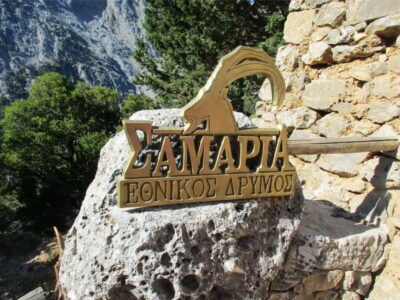
Full-Day Samaria Gorge Trek Excursion & Guide
Read our review →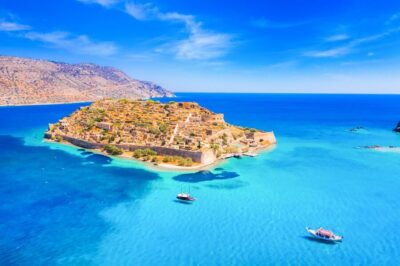

Dia Island Sailboat Cruise with Swimming and Meal
Read our review →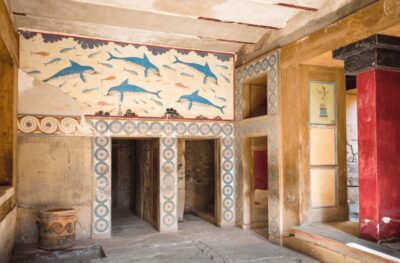
Knossos Palace Entry Ticket with Optional Audio Guide
Read our review →