
Reviewed · CRETE TOURS
Traditional Olive Grove and Dragon Fruit Farm Tour
Crete’s liquid gold gets a friendly, hands-on introduction at this family farm, where you walk among olive trees, handle traditional tools, and see how the harvest becomes oil. The surprise is dragon fruit, a newer crop for the island, with a chance to see the plants and taste the fruit when available.
I like the personal welcome from Alex, who explains both crops in clear English, and I like the generous tasting that can include bread, olive oil, olives, yogurt, tomatoes, jams, honey, coffee, and dragon fruit tea. The main consideration is timing: although the visit is sold as 90 minutes, the farm walk and tasting may finish in about an hour.
Key points to know before you go
- A five-generation family farm: Olive cultivation here has continued for more than five decades, with about 2,500 trees on the property.
- Two very different crops: You learn about traditional Cretan olives and the newer dragon fruit cultivation now taking hold on the island.
- Alex leads the visit: He guides in English and Greek, answers questions, and explains the work in a relaxed, personal way.
- A tasting is included: Local bread and olive oil are provided, along with a choice of espresso, Greek coffee, or dragon fruit and Cretan herb tea.
- Hands-on learning: You can see and touch harvesting tools, try them yourself, and possibly pick dragon fruit if fruit is available.
- Strong value at $9: The price covers the farm tour and tasting, while any olive oil, olives, tea, or fruit you buy afterward costs extra.
Why this small farm visit is worth your time
If you have spent time in Crete, you already know that olive oil is not just a bottle on the kitchen table. It is part of the island’s food, work, family life, and local economy. This visit gives you a practical look at that connection without the scale or sales pressure of a large commercial attraction.
The farm has been in the family for more than five generations, and olive trees have been cultivated here for over 50 years. The setting is agricultural rather than polished. That is part of the appeal. You are not watching a staged demonstration from behind a rope. You walk around the trees, look at the equipment, and ask how the work is done.
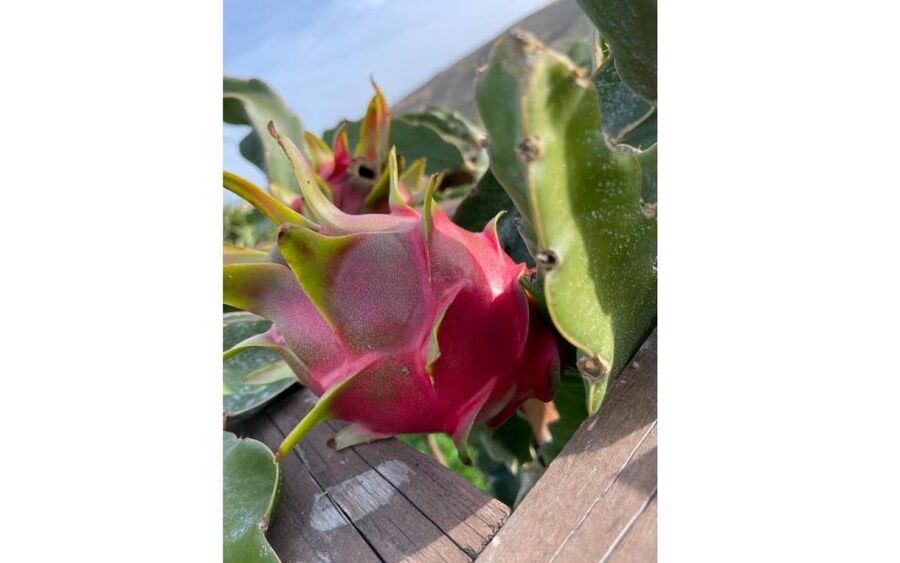
I especially like the mix of old and new. The olive side introduces a crop deeply tied to Crete. The dragon fruit side shows the island trying something different. Dragon fruit is an oriental fruit and a relatively new cultivation in Greece, so the discussion gives you something beyond the usual olive oil lesson.
The price makes this easy to fit into a day of sightseeing. At $9 per person, you are paying for a guided farm visit plus food and drink. That is unusually good value if you enjoy local food and small family businesses. Just remember that purchased products are not included.
More Olive Oil Tastings in Crete
- Knossos-Zeus Cave -Old Traditional Villages-Olive Oil Factory
★ 5.0 · 694 reviews - Crete: Knossos, Lasithi, Lasinthos and Olive Farm Combo Tour
★ 4.5 · 351 reviews - Knossos & Lasithi Plateau: Zeus Cave,Villages, Olive Oil Tour
★ 5.0 · 328 reviews
Meeting Alex at the olive grove
The farm has a sign on the right side of the road as you drive up. Free parking is next to the sign, which makes arrival simple if you are coming by car. The exact starting point is the Traditional Olive Grove and Dragon Fruit Farm, rather than a town-center meeting place.
Alex is the guide and owner connected with the Alex Alexakis family business. He speaks English and Greek. The strongest feature of his guiding style is the direct contact. You can ask about the trees, the fruit, the tools, and the family farm instead of simply listening to a fixed speech.
A shaded waiting area is available before the walk. That matters in Crete’s warmer months, especially if you arrive early and need a few minutes before heading into the orchard. The tour is offered as a private group, so the feel should be more personal than a large coach excursion, though the exact group size is not specified.
Wear proper shoes. Bare feet are not allowed, and an olive grove is a working farm rather than a smooth museum floor. Alcohol, drugs, littering, and explosive substances are also prohibited. The activity is not suitable for babies under one year or people over 95.
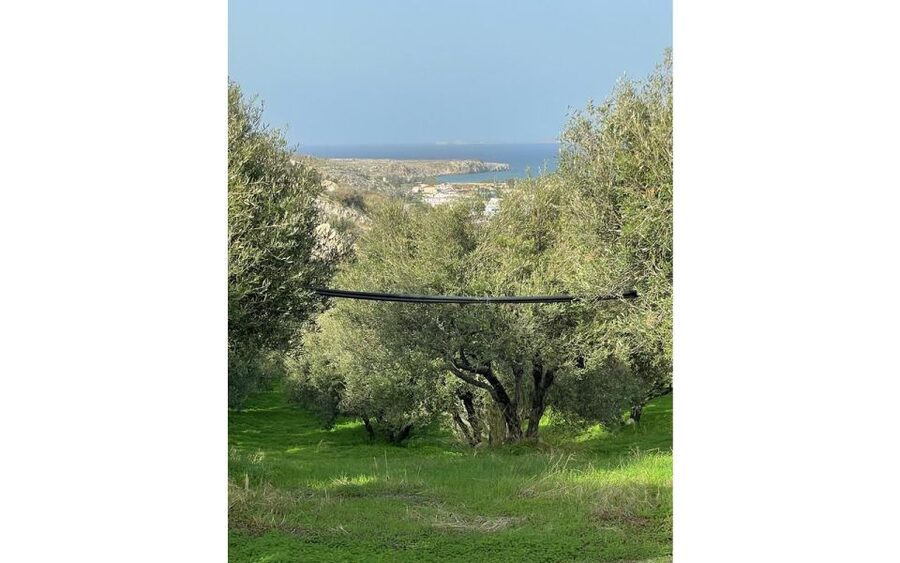
Walking among 2,500 olive trees
The guided walk begins with the olive grove. You learn how olive trees are cultivated, what is involved in harvesting, and how the fruit eventually reaches the press. The visit also covers olive oil extraction, so you get the full path from tree to table.
The most useful part is the chance to see and touch the tools. Alex can demonstrate how they are used, and you may try them yourself. That small hands-on element helps you understand that olive harvesting is skilled physical work, not simply a matter of waiting for ripe fruit to fall.
The tour also puts Cretan olive oil in context. The island is famous for its oil, but a tasting is more useful when you know what you are tasting and why it matters. You can ask about cultivation and extraction before sampling the finished product.
The orchard walk is not a long hike. It is a short farm visit designed to explain the work and introduce the crops. If you want a full agricultural tour with machinery, a large processing plant, or a long trek, this may feel modest. If you want a close look at a working family farm, its scale is just right.
The dragon fruit part of the tour
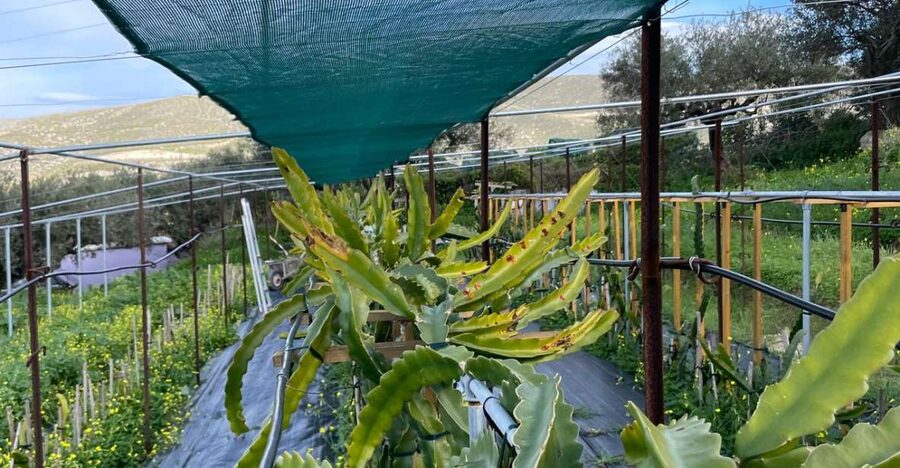
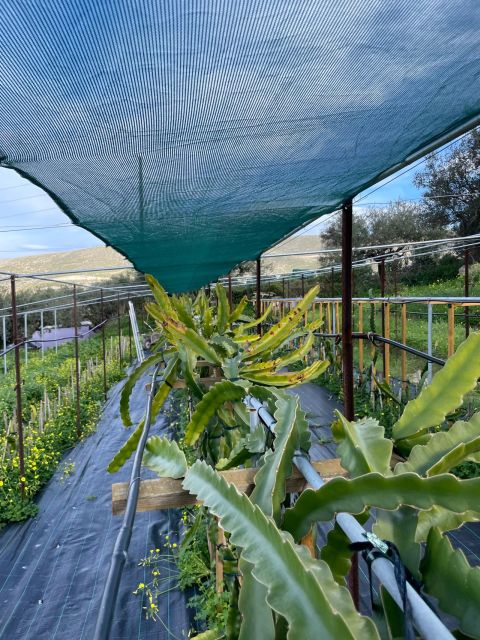
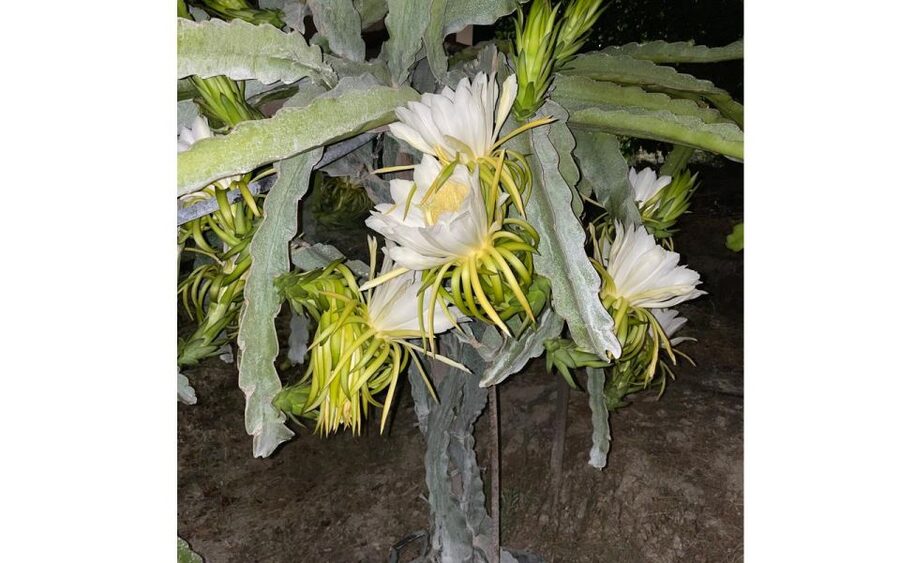
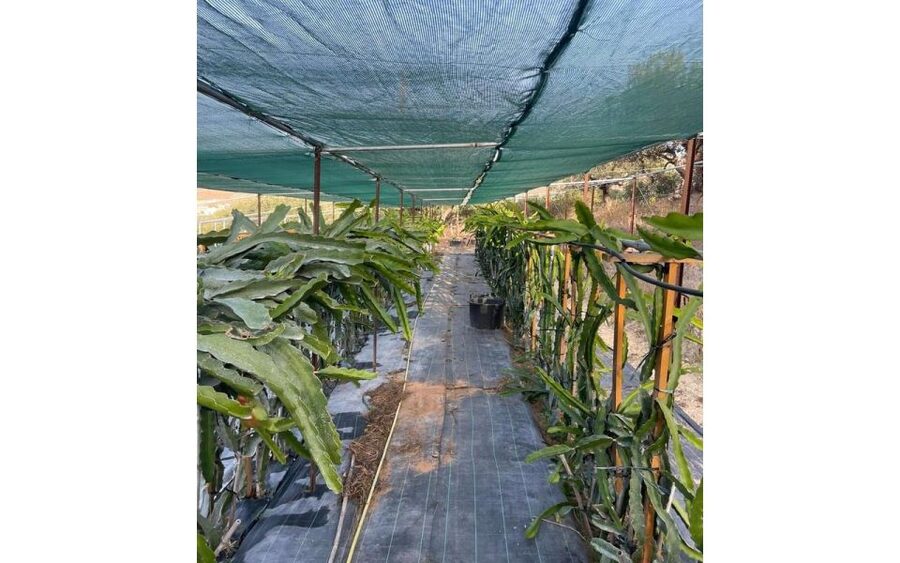
The dragon fruit section gives the visit its unusual twist. This crop is new to the island compared with olives, and Alex explains how it has found suitable ground in Crete and is becoming an important cultivation.
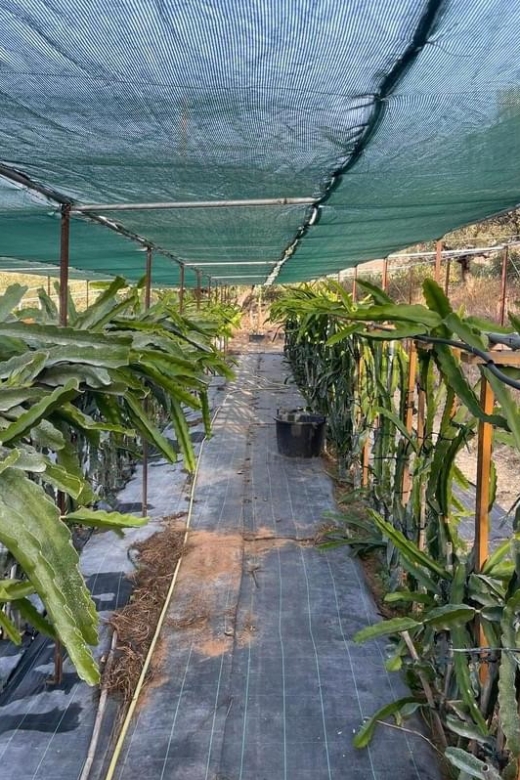
You can walk around the dragon fruit plants and learn how the crop is grown. If fruit is available, you may harvest your own. Availability matters here, so you should not book expecting a guaranteed picking session. The season and current supply will determine what you can collect.
For me, this is one of the best reasons to choose this farm over a standard olive oil stop. The olive story is familiar to many people visiting Crete. Dragon fruit adds a current farming story and gives you a chance to see how local producers are adapting their work.
The tasting can include a platter of dragon fruit, and the farm also offers dragon fruit tea. Some tasting spreads have included local bread, olive oil, olives, yogurt, tomatoes, marmalade, and honey. The exact selection can vary, but you should expect a generous sampling rather than a single tiny spoonful.
More olive oil tastings around Heraklion:
- Heraklion: Knossos, Zeus, Villages & Olive Oil Factory Tour
★ 5.0 · 88 reviews - The Governor’s Olive Mill Tour with Olive Oil Tasting
★ 5.0 · 502 reviews - From Chania: Olive Oil, Wine, Cheese & Honey Tasting Tour
★ 4.6 · 490 reviews - Heraklion: Olive Farm Tour with Tasting of Local Delicacies
★ 4.9 · 411 reviews
A relaxed patio tasting
After the walk, you take a break of about 30 minutes on the patio. This is the social heart of the visit. You can sit, look over the orchard, and taste the farm products at an unhurried pace.
The included drink is your choice of espresso, Greek coffee, or dragon fruit and local Cretan herb infused tea. You also taste the olive oil by dipping local bread into it. That simple method is common in Greece and lets you focus on the oil without a plate full of strong ingredients getting in the way.
The food offered during the tasting may go beyond the formal inclusions. Expect olive oil, bread, and a drink as the core offering. Depending on what is being served, you might also receive olives, yogurt, tomatoes, honey, jams, or dragon fruit.
This tasting is valuable because it links the farm walk to everyday eating. You learn how olives are cultivated, then taste the finished oil with bread. You see dragon fruit growing, then sample the fruit or a tea made with it. The connection is clear and satisfying.
You can buy products after tasting them, but you are not required to purchase anything. Possible items include specially packed olive oil and olives, harvested dragon fruit, and dragon fruit tea. Treat the shop portion as optional. At $9, the tour is still a good buy even if you leave with only the knowledge and the snack.
What the 90-minute schedule really means
The advertised duration is 90 minutes. The basic plan is a guided farm tour lasting roughly one hour, followed by a 30-minute break and tasting, then a return to the farm entrance.
In practice, the whole visit may be shorter. One detailed account put the experience at about an hour and found that sufficient because the farm is compact and the main points had been covered. I would treat 90 minutes as the planned time rather than a strict promise that you will be occupied every minute.
That shorter pace can be an advantage. You can add the farm to a day of exploring without giving up half a day. Families with older children and mixed-age groups should find the format manageable. A group ranging from teenagers to people in their late seventies has enjoyed the visit, and the hands-on tools and fruit tasting give younger people something concrete to do.
Still, do not choose this activity if you need a long, demanding outdoor excursion. It is an educational farm stop with food, not a full-day agricultural program.
How the value compares with other Crete activities
At $9, the arithmetic is simple: you receive a guided walk, a local drink, olive oil tasting, bread, and access to a family farm. Even if your visit lasts only about an hour, the cost remains low compared with many organized food activities.
The best value comes from the personal explanation. You are not only paying for something to eat. You are getting a look at cultivation, harvesting, extraction, and a newer crop that many people have never seen growing.
The value is also strong for families. You can make the visit educational without turning it into a formal lesson. Children and teenagers can walk among the plants, examine tools, taste unfamiliar fruit, and ask questions. Very young babies are not suitable for the activity, and people over 95 are excluded by the provider.
The only extra cost is anything you choose to buy. Olive oil, olives, dragon fruit, and dragon fruit tea are available for purchase, but they are not part of the admission. If you have checked luggage limits or are moving on to another island, think about how much food you really want to carry.
Practical advice for choosing the right time
The experience is available at different starting times, so check the schedule when booking. The farm itself is the meeting point, and parking is free beside the sign.
A shaded waiting area and a patio break make the visit more comfortable, but the walk still takes place outdoors among the trees. Bring sensible footwear and be ready for sun. The supplied information does not specify a dress code beyond the ban on bare feet, so practical farm clothing is the safest choice.
The tour is offered in English and Greek. If you need another language, this activity may not suit you. Alex’s English is described as clear, which is helpful when the subject includes farming methods and extraction.
You can cancel up to 24 hours before the activity for a full refund, and you can reserve now and pay later. Those terms help if your Crete plans depend on weather or a changing driving schedule.
Who will enjoy this farm tour most
I would choose this for you if you want a small-scale food experience rather than a major attraction. It works particularly well for:
- People curious about how Cretan olive oil is made
- Families with children old enough to walk and taste new foods
- Anyone interested in new crops and sustainable farm changes
- Couples looking for a quiet stop with local food
- Visitors who prefer a personal family business to a crowded group activity
- Budget-conscious visitors who still want a guided experience
It is less suitable if you want a long hike, a formal olive mill tour, or a guaranteed dragon fruit harvest. The tour is also not a good match for anyone who dislikes outdoor farm settings or has strict accessibility needs, since detailed accessibility information is not provided.
Should you book the Traditional Olive Grove and Dragon Fruit Farm Tour?
Yes, if you want a brief, friendly introduction to two sides of Cretan agriculture. Alex’s warm hosting and clear explanations are central to the experience, and the tasting gives the visit a generous finish.
Book it for the combination of old and new: more than five decades of olive cultivation alongside dragon fruit, a crop still gaining ground on the island. At $9, the risk is low, and the activity fits neatly into a driving day.
Skip it only if you expect a large estate, a long tour, or guaranteed fruit picking. For a compact family farm, hands-on learning, local tasting, and a chance to buy products directly from the source, this is one of the easier value choices in Crete.
FAQ
Where does the tour begin?
The tour begins at the Traditional Olive Grove and Dragon Fruit Farm. Look for the farm sign on the right side of the road as you drive up. Free parking is next to the sign.
How long does the experience last?
The stated duration is 90 minutes. The guided farm walk takes about one hour, followed by roughly 30 minutes for the break and tasting. The visit can sometimes finish closer to one hour.
What is included in the admission price?
Admission includes the farm tour, a choice of espresso, Greek coffee, or dragon fruit and local Cretan herb infused tea, plus an olive oil tasting with local bread.
Can I pick dragon fruit?
You may harvest your own dragon fruit if fruit is available. Picking is not guaranteed because it depends on the current supply.
Is the tour available in English?
Yes. The live guide speaks English and Greek.
Do I have to buy olive oil or other products?
No. Purchases are optional. Products may include olive oil, olives, dragon fruit, and dragon fruit tea, but these are not included in the admission price.
Can I cancel my booking?
You can cancel up to 24 hours in advance for a full refund. The provider also offers a reserve now and pay later option.
More Farms in Heraklion
- Mykonos: Farm, Ano Mera Village, and Beaches Guided Tour
★ 4.4 · 1,283 reviews - Crete: Road-trip to Lasithi Plateau & Olive Mill Farm
★ 4.4 · 420 reviews - Naxos Perivoli Farm Experience & Wood-fire Cooking Class
★ 5.0 · 339 reviews - Wine Tasting Tour at a traditional farm in Mykonos
★ 4.5 · 114 reviews
Fresh on the Heraklion list
- Heraklion: Sunrise Balloon Flight & Sunset Catamaran Cruise★ 5.0 · 45 reviews
- Hersonissos: Alar Spectacular Dinner Show★ 4.7 · 45 reviews
- Crete: Knossos E-Ticket with Audio Guide & Optional Museum★ 3.8 · 48 reviews
- Knossos Palace guided tour – Heraklion City tour + market★ 3.6 · 51 reviews
- Crete: Olive, Wine, & Raki on a Flavorful Culinary Journey★ 4.7 · 56 reviews
- From Heraklion: Elounda, Kolokitha, and Spinalonga Boat Trip★ 3.7 · 56 reviews
- Crete: Hot-Air Balloon Flight with Breakfast and Wine★ 4.9 · 60 reviews
- Heraklion: Dia Island Sunset Boat Tour with Dinner★ 5.0 · 61 reviews
Crete Tours, compared.
From Kissamos Port: Boat Cruise to Balos Lagoon & Gramvousa
Read our review →
Day Trip to Agios Nikolaos and Spinalonga Island
Read our review →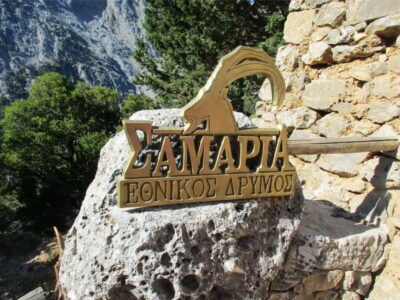
Full-Day Samaria Gorge Trek Excursion & Guide
Read our review →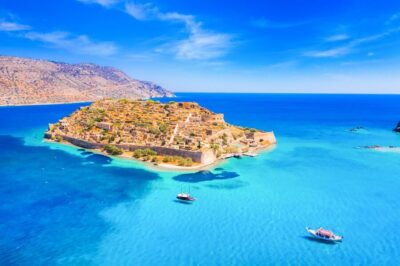

Dia Island Sailboat Cruise with Swimming and Meal
Read our review →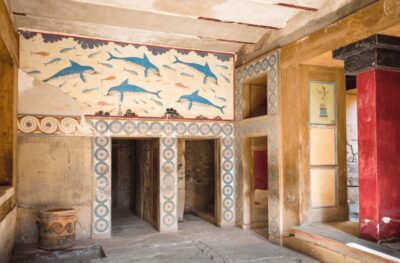
Knossos Palace Entry Ticket with Optional Audio Guide
Read our review →
Browse the lists this tour appears in