
Reviewed · CRETE TOURS
Olive Oil Tasting Tour
Crete’s olive oil story comes alive at Koronekes Olive Mill, where a one-hour visit takes you from the olive trees in the courtyard into the working mill. You will learn how organic olives are grown, how extra virgin olive oil is made, and how to taste it properly.
I like two things right away: the private format gives you room to ask questions, and the tasting goes beyond a single sample. You try three qualities of extra virgin olive oil, two flavored oils, sweet vinegar, and petimezi, a grape syrup that adds a distinctly Cretan finish.
The main consideration is the setting. The meeting point is simply listed as Koronekes Olive Mill in Epanos Archanes, with no street name, so you will want to allow time to find it. The tour is short, too, making it best as part of a driving day rather than a full half-day outing.
Key points to know before you book
- Private visit in Epanos Archanes: Your group receives the guide’s attention instead of joining a large crowd.
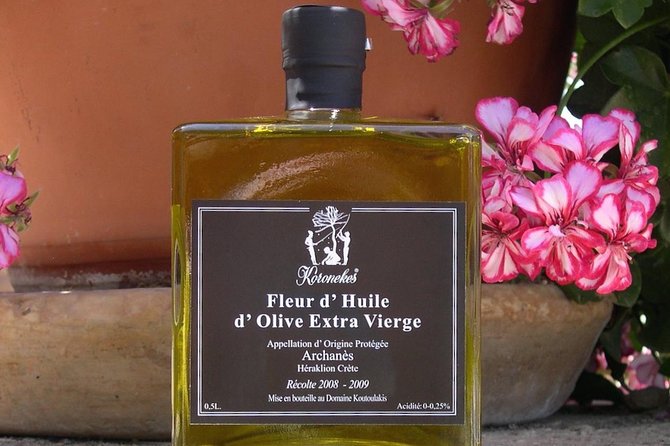
- Three extra virgin olive oils: The tasting lets you compare qualities and learn what separates good oil from ordinary oil.
- Two flavored oils, vinegar, and petimezi: The tasting includes more than standard olive oil samples.
- From olive trees to machinery: You begin outdoors with organic farming, then see the production equipment inside the mill.
- English-language tour times: Several start times are offered, which helps fit the visit into a day around Heraklion.
- About one hour for $19.36: The price is modest for a private educational stop, especially for couples or small groups.
Why this small mill visit works so well
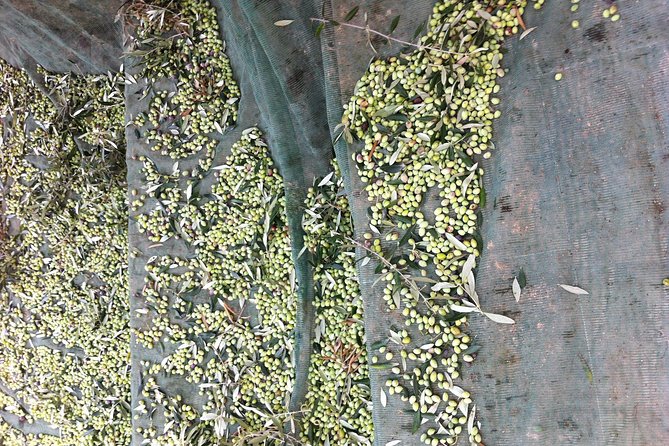
Many food tastings ask you to sample a product without explaining much about it. This experience takes a more useful route. You first see where the olives grow, then learn how they become oil, and only then taste the finished product.
That order matters. Once you understand the production process, the tasting has a purpose. You are not simply deciding which oil tastes nicest. You are learning to notice fruitiness, bitterness, sharpness, and quality.
The owners also put a personal face on the visit. The setting is their courtyard and mill, not a large commercial visitor center. That gives the hour a relaxed, direct feel. The hosts are comfortable explaining the subject in English, and the visit leaves plenty of room for questions.
I especially like the private format. If you are curious about storage, harvest methods, organic farming, or the difference between pressing and centrifuge extraction, you can ask without worrying about slowing down a large group. The visit is also a good fit for people who usually find food tastings too formal or too rushed.
A friendly dog may add to the informal atmosphere. It is a small detail, but it helps the place feel like a working family business rather than a staged attraction.
More Olive Oil Tastings in Crete
- Knossos-Zeus Cave -Old Traditional Villages-Olive Oil Factory
★ 5.0 · 694 reviews - From Chania: Olive Oil, Wine, Cheese & Honey Tasting Tour
★ 4.6 · 490 reviews - Heraklion: Olive Farm Tour with Tasting of Local Delicacies
★ 4.9 · 411 reviews
Starting among the olive trees in Epanos Archanes
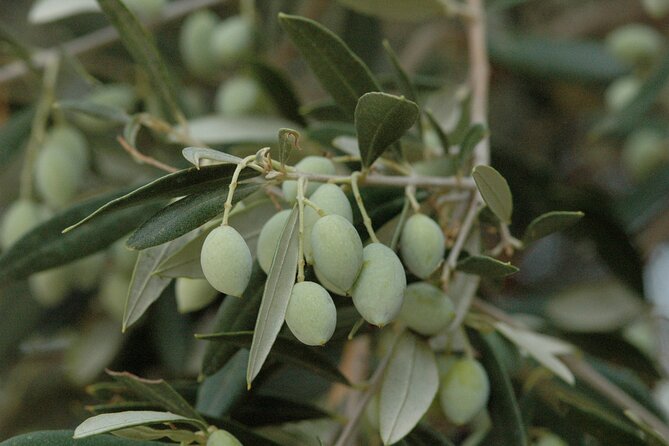
The tour begins in the courtyard, surrounded by olive trees. This first outdoor section introduces organic olive tree farming before the machinery takes over.
That opening is valuable because it gives you the basic setting for Cretan olive oil. You are not starting with a bottle on a table. You are looking at the trees and hearing how the crop is cared for before the olives reach the mill.
The information supplied for the visit does not promise a full farm walk or a long agricultural lesson. Expect an introduction rather than an extended field tour. Still, the courtyard setting gives the experience a clear sense of place, especially if you are already driving through the olive and wine-growing area south of Heraklion.
The surroundings also make this a pleasant stop during a road trip. You can spend an hour learning something specific, then continue on to another village, winery, or archaeological site. The short duration keeps the visit from taking over your day.
Inside the mill, from pressing to centrifuge extraction
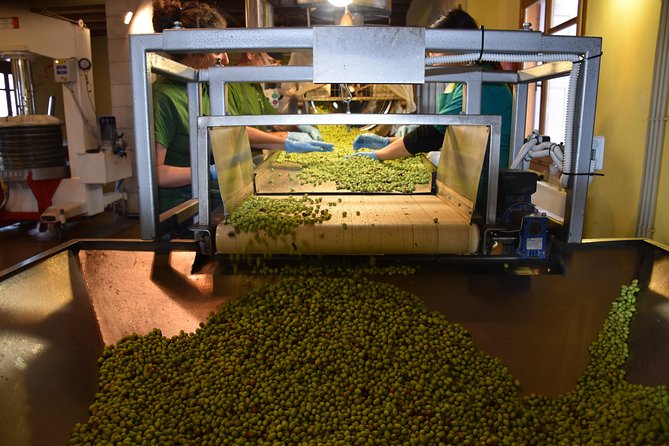
The second part moves indoors to the olive mill. Here, the guide explains the first cold pressed method and shows you each machine involved in production.
You will also hear about the modern cold extraction method, which uses a centrifuge. This comparison is one of the most useful parts of the visit. Olive oil labels often use technical terms that sound familiar but are hard to picture. Seeing the equipment helps turn those words into something concrete.
The visit also explains that the mill’s approach involves more labor-intensive handling, including hand sorting olives and pressing, rather than relying only on faster commercial centrifuge methods. That gives you a practical way to think about production choices: speed and scale are not the only factors that shape the final oil.
The guide’s explanation is aimed at ordinary food lovers, not just olive growers. You do not need prior knowledge. The tone is friendly and conversational, and the hosts encourage questions.
One caution: the experience lasts about one hour according to the detailed visit plan, while the overall duration is listed as roughly one hour to one hour and 20 minutes. Plan for up to 80 minutes, especially if your group asks plenty of questions or takes its time at the tasting.
Learning to taste extra virgin olive oil
The tasting is the heart of the experience. You sample three qualities of extra virgin olive oil, which gives you a chance to compare rather than simply accept one oil as the standard.
This is where the tour becomes useful beyond Crete. The host explains how to taste olive oil and how to identify extra virgin olive oil. You learn to pay attention to its aroma and flavor, not just its color or packaging.
A good tasting should make you slow down. Smell the oil first. Taste a small amount. Notice the balance between fruitiness and bitterness, along with the peppery sensation that can appear at the back of the throat. The point is not that the strongest oil is always best. The point is understanding how different qualities behave.
The three oils let you notice these differences side by side. That is more helpful than tasting a single premium product with no comparison. It also gives you a better chance of remembering the lesson when you shop for olive oil later.
The private setting makes this part stronger. You can ask why one oil tastes softer, sharper, or more fragrant. You can also ask about the qualities that distinguish extra virgin oil from lower-grade oil. The hosts clearly want you to leave knowing what extra virgin olive oil should taste like.
More olive oil tastings around Crete:
- Zeus Cave, Lassithi Plateau, Olive Oil Factory, Kritza, Pottery
★ 5.0 · 362 reviews - From Chania: Wine and Olive Oil Tasting Tour with Snacks
★ 4.8 · 354 reviews - Crete: Knossos, Lasithi, Lasinthos and Olive Farm Combo Tour
★ 4.5 · 351 reviews - The Terra Creta Olive Oil Experience Tour
★ 4.7 · 344 reviews
The flavored oils and Cretan sweet finish
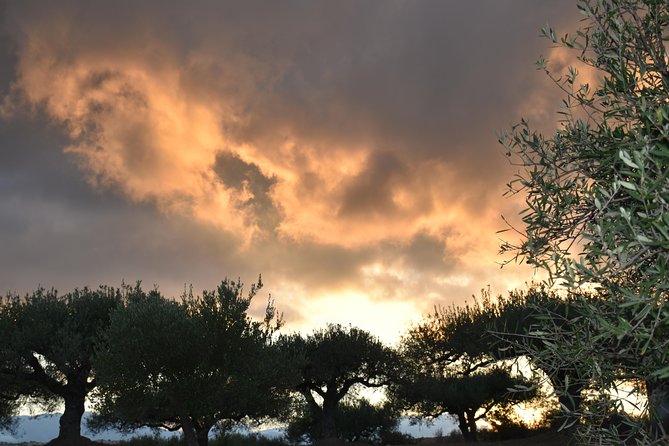
After the main oil tasting, the selection expands to two flavored oils, a sweet vinegar, and petimezi.
The flavored oils are described as blended flavors rather than infused oils. That distinction may interest food lovers who want to understand how flavor is added and how the result differs from plain extra virgin oil. The tasting gives you a chance to compare these products without losing sight of the main lesson about traditional olive oil.
The sweet vinegar changes the pace again. It offers a sharper contrast to the oils and helps keep the tasting from feeling repetitive.
Then comes petimezi, a thick grape syrup. It is a delicious local-style finish and one of the more distinctive parts of the tasting. If you have never tried it, this is a good chance to encounter a Cretan ingredient that is not simply another version of olive oil.
The extra samples add value to the $19.36 price. You are paying for instruction and access to the mill, but you are also getting a wider food experience. This matters if you are comparing the visit with a basic tasting at a shop, where the education may be limited and the selection narrower.
How much value do you get for $19.36?
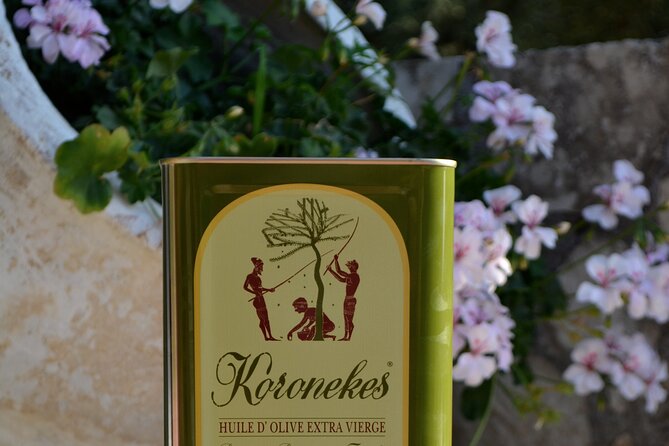
At $19.36 per person, this is an easy-priced activity for a private experience. Cost matters most when a tour is short, so the key question is what you receive in that hour.
Here, the answer is fairly clear. You get an explanation of organic olive farming, a walk-through of the mill equipment, a comparison of traditional pressing and centrifuge extraction, and a tasting of seven products if you count the three oils, two flavored oils, vinegar, and petimezi.
The private arrangement improves the value for couples, families, and small groups. A shared tour might cost less per person, but you would have less control over the questions and pace. For a group already exploring the area by car, this makes a useful one-hour stop.
The experience is less compelling if you want a long farm visit, a meal, or a full-day food program. None of those are included in the supplied details. Think of it as a focused introduction to Cretan olive oil, not a major all-day excursion.
The price also makes it suitable for a last-minute addition to a Crete itinerary, though the average booking lead time is 19 days. That suggests it is often planned ahead, especially by people arranging a route through the Epanos Archanes area.
Planning your visit to Koronekes Olive Mill
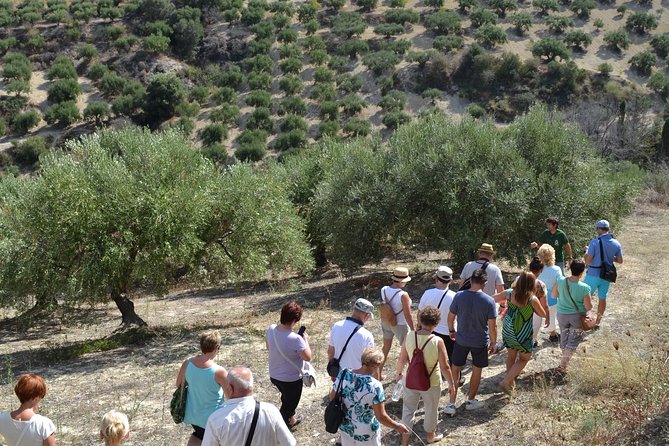
The meeting point is Koronekes Olive Mill, No street name, Epano Archanes 701 00, Greece. Since the address does not include a street name, check the meeting details carefully before setting out and leave extra time for navigation.
The activity begins and ends at the same place. There is no listed transportation from Heraklion or another town, so you should treat this as a self-arrival visit. The available details do not state that hotel pickup is offered.
The tour is offered in English, with different start times available. That flexibility is useful if you are combining the mill with other stops. You might place it in the morning before sightseeing, or use it as a short break during a drive through the olive and wine-growing area south of Heraklion.
Because the visit is private, only your group participates. That does not mean the mill visit can expand into a custom full-day program. It means the scheduled activity is reserved for your party and can feel more personal than a large group tour.
Confirmation is issued at booking. Free cancellation is available if you cancel at least 24 hours before the local start time. Changes or cancellations within 24 hours are not accepted for a refund.
Most people can take part, and service animals are allowed. The supplied details do not give specific information about wheelchair access or the exact surfaces around the mill, so you should ask the provider directly if you have mobility needs.
Who will enjoy this olive oil tour most?
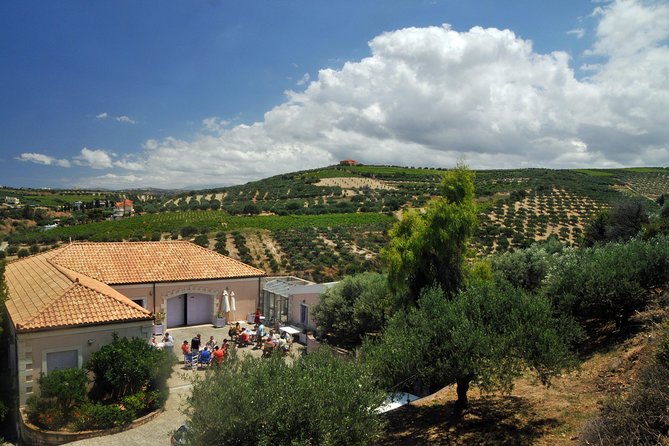
I would recommend this experience to anyone who wants a clear introduction to one of Crete’s most important foods without giving up half a day.
It suits:
- Couples looking for a relaxed stop with local food
- Small groups who enjoy asking questions
- Families with older children interested in how food is produced
- Drivers exploring Epanos Archanes and the area south of Heraklion
- Home cooks who want to taste and compare extra virgin olive oils
- Visitors who prefer a private visit to a crowded tasting room
It may be less suitable if you dislike technical explanations about machinery or want an activity built around a full meal. The tour focuses on olive farming, production, and tasting. The food samples are designed to teach, not replace lunch.
You should also allow for the fact that tasting olive oil is an acquired skill. The flavors can be bitter, grassy, peppery, or sharp. That is part of the lesson, but it may surprise you if you expect only mild, buttery oil.
What makes the hosts memorable
The strongest part of the experience is the human approach. The hosts explain the product with enthusiasm and make questions welcome. That matters in a private tour, because a stiff or hurried guide would waste the advantage of having your own group.
The tone appears especially well suited to curious beginners. You can learn how to taste oil, ask what quality means, and compare production methods without feeling that you need to already understand the subject.
The hosts also connect the tasting to a clear purpose: helping you recognize what extra virgin olive oil should taste like. That gives the visit a practical result. You leave with a better chance of judging olive oil at home, in a market, or at a restaurant.
The setting adds to that warmth. The olive trees, family-scale mill, and friendly dog create an informal atmosphere. You still get a lesson, but it does not need to feel like a classroom.
Should you book Koronekes Olive Mill?
Book it if you want a short, personal, and reasonably priced introduction to Cretan olive oil. The combination of olive trees, production machinery, pressing and centrifuge explanations, and a generous tasting makes this more useful than a simple sample-and-shop stop.
I would especially choose it during a driving day through the Epanos Archanes area. The hour-long format is easy to fit between other sights, and the private setup gives you a chance to ask the questions that matter to you.
Skip it if your schedule is already packed or if you want a full farm-to-table meal. This is a focused olive oil lesson, not a broad food tour. For most food-minded visitors to Crete, though, the $19.36 price offers a lot: a look behind the scenes, a practical tasting lesson, and a taste of products you may not encounter elsewhere.
FAQ
Where does the olive oil tour take place?
The tour takes place at Koronekes Olive Mill in Epano Archanes, Crete, at the address No street name, Epano Archanes 701 00, Greece.
How long does the experience last?
The visit is scheduled for about one hour. The overall duration is listed as approximately one hour to one hour and 20 minutes.
What does the tasting include?
You taste three qualities of extra virgin olive oil, two flavored oils, a sweet vinegar, and petimezi, a grape syrup.
Is the tour private?
Yes. Only your group participates in the activity.
Is the tour offered in English?
Yes. The experience is offered in English.
Can I cancel for a full refund?
Yes, if you cancel at least 24 hours before the local start time. Cancellations or changes made less than 24 hours before the start are not accepted for a refund.
Fresh on the Crete list
- Heraklion: Sunrise Balloon Flight & Sunset Catamaran Cruise★ 5.0 · 45 reviews
- Hersonissos: Alar Spectacular Dinner Show★ 4.7 · 45 reviews
- Kissamos: Balos & Gramvousa Sailing Cruise with Meal★ 4.6 · 45 reviews
- Chania: Elafonisi & Falasarna Private Tour w/olive oil tasting★ 5.0 · 46 reviews
- Samaria Gorge Trek: Full-Day Excursion from Rethymno with Guide★ 4.5 · 46 reviews
- From Rethymno: Santorini Guided Tour and Cruise from Crete★ 4.4 · 46 reviews
- Heraklion: Sunset Luxury Cruise with Sushi and Open Bar★ 5.0 · 46 reviews
- Crete: Coastline Snorkeling Cruise from Hersonissos Port★ 4.3 · 46 reviews
Crete Tours, compared.

From Kissamos Port: Boat Cruise to Balos Lagoon & Gramvousa
Read our review →
Day Trip to Agios Nikolaos and Spinalonga Island
Read our review →
Full-Day Samaria Gorge Trek Excursion & Guide
Read our review →

Dia Island Sailboat Cruise with Swimming and Meal
Read our review →
Knossos Palace Entry Ticket with Optional Audio Guide
Read our review →
Browse the lists this tour appears in