
Reviewed · CRETE TOURS
Small-Group Honey & Extra Virgin Olive Oil Tasting Tour in Crete
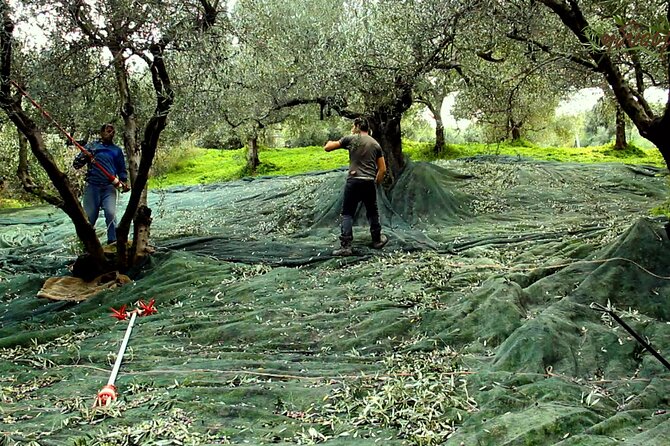
Crete’s best food experiences often begin with two simple products: honey and olive oil. At Idiosmos near Pervolakia, you get both in a small family-run setting, along with a look at beekeeping, olive harvesting, and the cold-pressing process. The tasting is the main event, with eight kinds of honey and local foods to pair with them.
I like the personal scale, with no more than 10 people, and I like the way guides such as Mariana turn production facts into an easy, funny conversation. The short one-hour format also fits neatly into a busy day. The one caution is that the tasting may feel less guided if a larger group arrives at the same time, so ask questions while your host is at the table.
Key points to know before booking
- Eight honey varieties: Taste several types side by side, then compare their flavor and texture with Cretan olive oil.
- A working family business: Idiosmos makes cold-pressed extra virgin olive oil from its own olive trees and has followed family traditions since 1920.
- Small groups: The maximum is 10 people, which gives you a better chance to ask about bees, harvests, and food pairings.
- More than a sample spoon: The tasting can include bread, cheese, yogurt, tomatoes, olives, and other local foods, making it a satisfying snack or light meal.
- A scenic rural setting: The route to the farm and the setting among olive trees are part of the appeal.
- Easy to fit into a holiday: The visit lasts about an hour, is offered in English, and ends where it begins.
Arriving at Idiosmos near Pervolakia
The experience begins at Idiosmos Extra Virgin Olive Oil and Honey Tour and Taste, at Pervolakia, 734 00, Greece. This is not a city-center food stop. You are heading into the Cretan countryside, where olive trees, open views, and the working farm setting help explain why these foods matter here.
The drive can be part of the pleasure. One family visiting from the port hired a taxi for the trip and described the route as taking almost an hour, with striking views and plenty of local produce to see along the way. That does not establish a standard transfer time, so you should arrange your own transport carefully and allow extra time if you are coming from a port or resort.
There is no hotel pickup included in the information provided. The meeting point is also the finishing point, so plan to arrive there directly. Since the tour needs good weather and a minimum number of participants, check for any schedule changes before setting out.
More Olive Oil Tastings in Crete
- Knossos-Zeus Cave -Old Traditional Villages-Olive Oil Factory
★ 5.0 · 694 reviews - From Chania: Olive Oil, Wine, Cheese & Honey Tasting Tour
★ 4.6 · 490 reviews - Heraklion: Olive Farm Tour with Tasting of Local Delicacies
★ 4.9 · 411 reviews
A family story that begins in 1920
The visit opens with the story of the family and its work, reaching back to 1920. This gives the products a useful sense of place. You are not simply sampling anonymous jars in a shop. You are learning how one family has kept olive and honey production part of its daily life.
The history is presented through conversation, a look at the production area, and a film about the work outside. That combination matters because the actual extraction and beekeeping activity may not all happen directly in front of you during a one-hour visit. You still get a picture of the work beyond the tasting room.
Mariana has been praised for making the explanation lively and easy to follow, even for people with little prior knowledge of olive oil or bees. Her style seems to be part lesson, part informal chat, with room for questions. Nancy is also named as a welcoming host in the experience feedback, so the exact guide may vary.
The English presentation is aimed at an English-speaking audience. You will need enough English to follow the talk and ask questions, especially if you want to understand the details of beekeeping in Greece and the olive oil process.
Seeing how cold-pressed olive oil is made
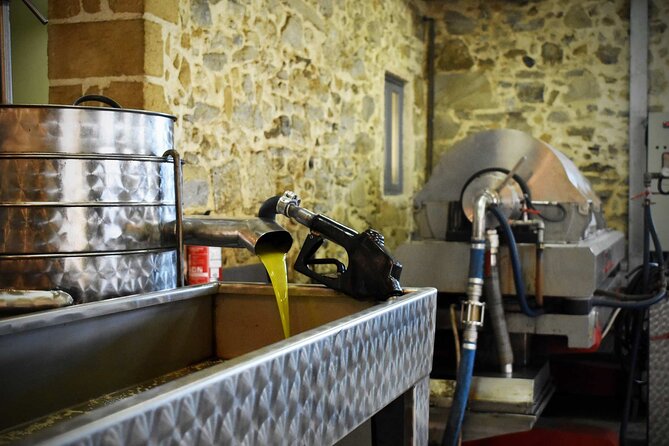
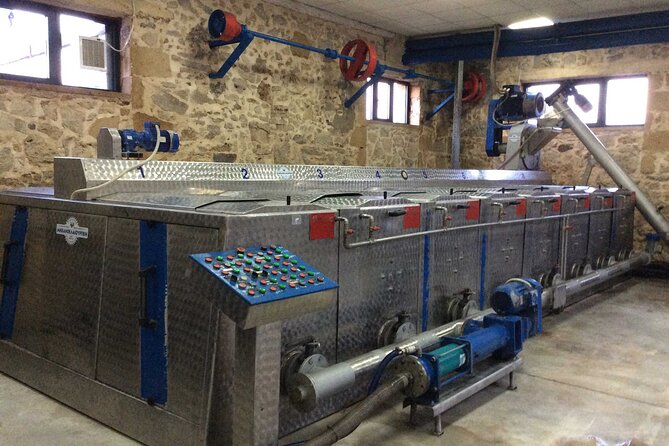
The olive oil section explains how extra virgin olive oil is extracted. Idiosmos produces its oil from the family’s own olive trees and uses a cold-pressing method, a detail worth noting if you care about how a bottle reaches your kitchen.
You are shown the core production process on site. The point is not to watch every stage of a full harvest day, but to understand the route from olive fruit to finished oil. You learn about the trees, the harvest, and the processing that follows.
The visit is especially useful for anyone who usually buys olive oil without knowing what the labels mean. You can ask about flavor, quality, and the way the oil is made, then test those ideas at the tasting table. The lesson becomes much clearer when you can try the product immediately.
The olive oil is served with food rather than treated as a stand-alone shot. Bread, cheese, tomatoes, olives, and other local items may be offered, giving you different ways to notice the oil’s taste. That makes this part more practical than a technical talk alone.
Learning the work behind Greek honey
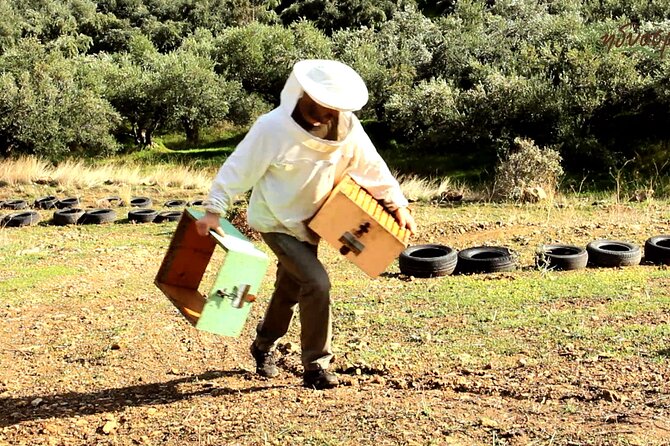
The beekeeping presentation explains how bees and honey production fit into Greek farming. You learn about hives, the work of the beekeeper, and the process that takes honey from the hive to the jar.
The experience does not promise that you will handle bees or inspect an active hive up close, so do not book it expecting a full beekeeping lesson in protective clothing. The hands-on element is more likely to come through the products, equipment, demonstrations, and conversation.
Still, this is a useful stop for families and food lovers. Children and teenagers can grasp the basic idea of hive work quickly, while adults can ask more detailed questions about flavor, production, and quality. A family with children aged 12 and 13 found the setting easy to enjoy, which suggests the hour has enough variety to hold younger attention.
The host’s sense of humor is part of the experience. Mariana is often singled out for being friendly, funny, and passionate about the subject. That matters in a short tour: a dry explanation of hives and extraction could feel like a classroom, but a warm host keeps the pace moving.
More olive oil tastings around Crete:
- Zeus Cave, Lassithi Plateau, Olive Oil Factory, Kritza, Pottery
★ 5.0 · 362 reviews - From Chania: Wine and Olive Oil Tasting Tour with Snacks
★ 4.8 · 354 reviews - Crete: Knossos, Lasithi, Lasinthos and Olive Farm Combo Tour
★ 4.5 · 351 reviews - The Terra Creta Olive Oil Experience Tour
★ 4.7 · 344 reviews
The tasting: eight honeys and a generous local spread
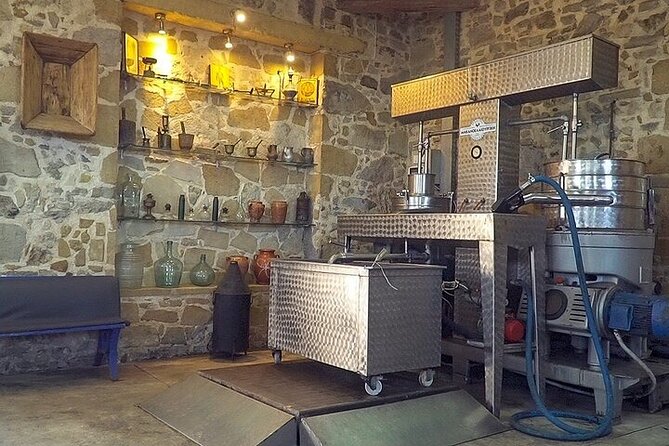
The tasting is where the visit earns its modest price. You sample eight different kinds of honey, along with Idiosmos extra virgin olive oil. This is a chance to compare the products rather than simply taste one spoonful and move on.
The honey is served with foods that help show how each variety works. Bread, cheeses from a local maker, yogurt, tomatoes, and olives have all been included in the spread. The exact combination may vary, but you should expect more than a basic cracker and sample cup.
I would treat the food as a light meal or a generous afternoon snack, not as a full lunch. Several accounts describe leaving well fed, and the pairing of sweet honey with salty cheese, creamy yogurt, fresh tomatoes, and bread gives the tasting a distinctly Cretan feel.
The best way to approach the table is slowly. Try a little honey on its own first. Then taste it with bread or cheese. Use the olive oil on a clean piece of bread or with tomato, and notice how the flavor changes with each pairing.
The tasting may be explained item by item, but there is one practical weakness. If a larger group arrives, the host may need to divide attention, leaving you to sample some products on your own. That is not a major problem if you are comfortable exploring independently, but it does reduce the sense of a guided tasting.
Why the small group matters
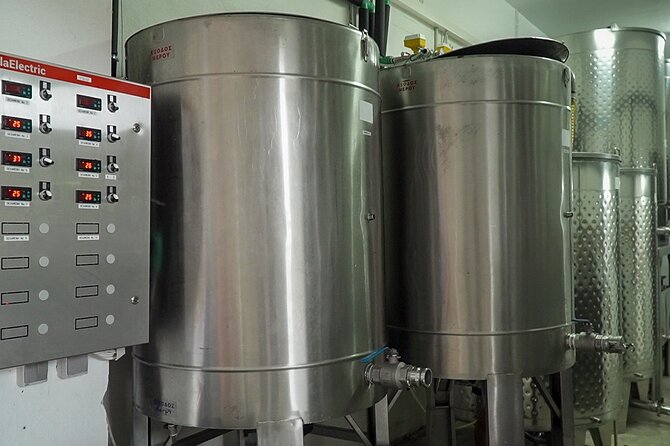
The maximum group size is 10 people. That is small enough for a personal visit, especially compared with a bus tour that moves through a shop in a line.
You can ask about the family’s olive trees, the different honeys, extraction methods, or the local foods on the table. The host can respond to the interests of your group rather than delivering only a fixed speech.
Small groups also help with the sensory side of the visit. You can look at the process, smell the oil and honey, handle or examine items used in production, and focus on the differences among the samples. The experience is designed around all five senses, not just a spoken explanation.
The tradeoff is that the atmosphere depends partly on the group present that day. A quiet group may get a very personal talk. A sudden larger arrival can make the final tasting less orderly. You will get the most from it by joining the conversation early and asking for explanations before the table becomes busy.
The shop and taking Crete home
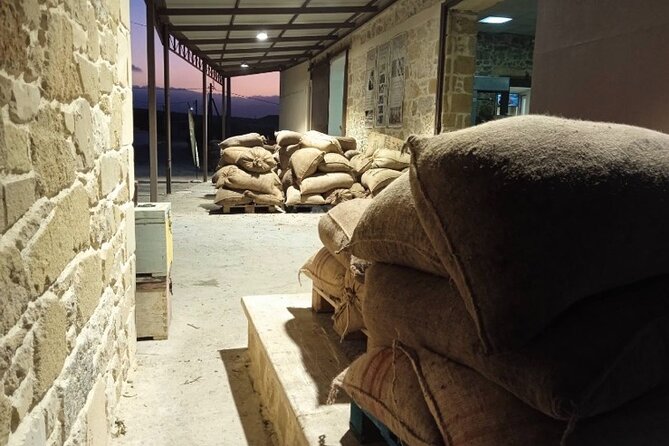
Idiosmos has products available to buy after the tasting. The selection includes cold-pressed extra virgin olive oil from the family’s own trees and different honeys made through the family’s production work.
This is a useful place to buy edible gifts because you have already tasted what you are taking home. You can choose a honey based on flavor instead of guessing from a label, and you can compare the oil with what you normally use at home.
There is no pressure to buy described in the experience details. The shop is part of the visit, but the tasting remains the focus. If you do purchase, remember that honey and olive oil are liquids or semi-liquids, so pack them securely for the journey.
The products were repeatedly described as good quality and reasonably priced. That is subjective, but the structure of the visit gives you a fair way to judge for yourself before spending more.
Is $18.10 good value for one hour?
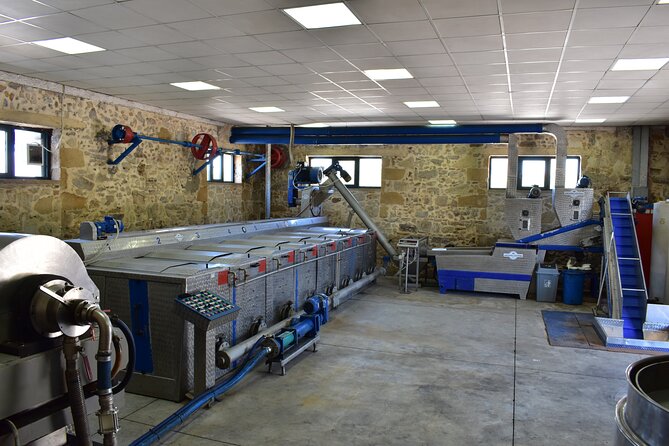
At $18.10 per person, this is inexpensive for a guided food experience in Crete. The value comes from the combination of a production explanation, a family story, a countryside setting, and a substantial tasting.
A simple shop tasting might cost less, but it would not necessarily include the background on beekeeping and olive oil extraction. A longer farm visit might offer more time on site, but it would also likely cost more and take up half a day.
The one-hour length is both a strength and a limit. It is ideal if you are fitting the stop between other activities, driving through the area, or looking for something to do with children without committing to a long excursion. It is not enough time for a detailed agricultural workshop or a slow farm lunch.
For food lovers, the eight honeys alone make the price appealing. For families, the mix of film, stories, production, scenery, and tasting gives the hour a good rhythm. For serious olive oil enthusiasts, the explanation may feel introductory rather than technical.
Who should book this experience?
I would recommend it to you if you enjoy local food, small family businesses, and seeing how everyday products are made. It also suits families, couples, and anyone who wants a short stop with a clear beginning and end.
The experience is especially good for:
- Food lovers who want to compare several honeys
- Visitors interested in Greek beekeeping and olive farming
- Families with older children and teenagers
- Anyone looking for edible gifts from Crete
- People who prefer small groups to large organized excursions
- Visitors already planning to explore the Pervolakia countryside
You may want to skip it if you dislike tastings, do not have a way to reach the meeting point, or want a long, highly technical tour. The production explanation is informative, but the visit is built around friendly presentation and eating, not specialist training.
The setting also means weather matters. The experience can be canceled in poor weather, with a different date or full refund offered. A minimum group size is required as well, so keep your plans slightly flexible.
Practical details for a smooth visit
The tour is offered in English and uses a mobile ticket. Confirmation arrives when you book, and most people can take part. Service animals are allowed.
The activity begins and ends at Idiosmos in Pervolakia. There is no separate end point to arrange around, which makes the visit easy to combine with your own driving route.
Free cancellation is available up to 24 hours before the start time for a full refund. Cancellations or changes made less than 24 hours before the start are not accepted for a refund. Cutoff times use local time in Crete.
I would book ahead rather than leave this to the last day. The experience is often reserved around 18 days in advance, and the small maximum group size can limit availability.
Should you book the Idiosmos tasting?
Yes, if you want a friendly, low-cost introduction to two important Cretan foods. The strongest parts are the eight honey samples, the local pairings, the family connection going back to 1920, and the chance to ask questions in a small group.
Book it as a one-hour countryside food stop, not as a full farm day. If possible, arrive ready to taste slowly and stay for the explanations before shopping. The one concern is the occasional loss of personal guidance when another group arrives, but at $18.10, the generous tasting and clear introduction still make this a very good buy for most food-minded visitors.
FAQ
Where does the honey and olive oil tour take place?
The tour takes place at Idiosmos Extra Virgin Olive Oil and Honey Tour and Taste in Pervolakia, 734 00, Greece.
How long does the experience last?
The visit lasts approximately one hour.
What does the tour include?
You learn about extra virgin olive oil extraction, Greek beekeeping, bee hives, olive harvesting, and the family’s production traditions. The visit ends with a tasting of honey and olive oil.
How many types of honey can I taste?
The tasting includes eight different types of honey.
Is olive oil included in the tasting?
Yes. You taste the family’s extra virgin olive oil, which is cold pressed and produced from its own olive trees.
What foods may be served with the tasting?
The tasting may include bread, cheese, yogurt, tomatoes, olives, and other local foods used to pair with the honey and olive oil.
Is the tour offered in English?
Yes, the experience is offered in English.
What is the maximum group size?
The activity has a maximum of 10 travelers.
Can children take part?
Most travelers can participate, and the experience has been enjoyed by families with children aged 12 and 13. The supplied information does not set a specific minimum age.
Can I cancel for a full refund?
Yes. You can cancel at least 24 hours before the local start time for a full refund. Cancellations or changes made less than 24 hours before the start are not accepted for a refund.
What happens if bad weather cancels the tour?
If poor weather causes a cancellation, you will be offered a different date or a full refund.
Does the tour always run as booked?
The experience requires a minimum number of participants. If that minimum is not met, you will be offered a different date or experience, or a full refund.
Fresh on the Crete list
- Heraklion: Sunrise Balloon Flight & Sunset Catamaran Cruise★ 5.0 · 45 reviews
- Hersonissos: Alar Spectacular Dinner Show★ 4.7 · 45 reviews
- Kissamos: Balos & Gramvousa Sailing Cruise with Meal★ 4.6 · 45 reviews
- Chania: Elafonisi & Falasarna Private Tour w/olive oil tasting★ 5.0 · 46 reviews
- Samaria Gorge Trek: Full-Day Excursion from Rethymno with Guide★ 4.5 · 46 reviews
- From Rethymno: Santorini Guided Tour and Cruise from Crete★ 4.4 · 46 reviews
- Heraklion: Sunset Luxury Cruise with Sushi and Open Bar★ 5.0 · 46 reviews
- Crete: Coastline Snorkeling Cruise from Hersonissos Port★ 4.3 · 46 reviews
Crete Tours, compared.
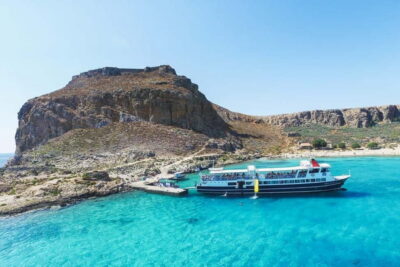
From Kissamos Port: Boat Cruise to Balos Lagoon & Gramvousa
Read our review →
Day Trip to Agios Nikolaos and Spinalonga Island
Read our review →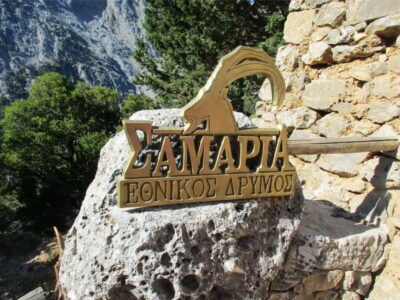
Full-Day Samaria Gorge Trek Excursion & Guide
Read our review →

Dia Island Sailboat Cruise with Swimming and Meal
Read our review →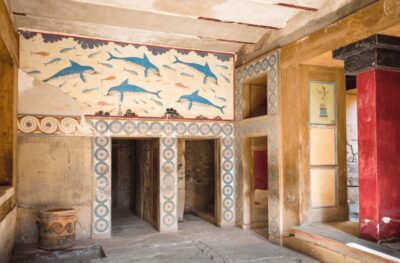
Knossos Palace Entry Ticket with Optional Audio Guide
Read our review →
Browse the lists this tour appears in