
Reviewed · OLYMPIA TOURS
Olympia Shore Ex: Olympic site, Honey Farm & Olive Oil Tasting
Ancient Olympia is the heart of this excursion. You walk through the grounds where the ancient Olympic Games began, see the original stadium, and stand near the Temple of Hera, where the Olympic flame is lit today. Afterward, the mood shifts from stones and legends to honey, olives, and homemade Greek sweets.
I like the easy port pickup and the chance to pair Olympia’s famous ruins with two local food stops. I also like the family feel of Klio’s Honey Farm, where coffee or juice, diples, pasteli, and quince spoon sweet are served beneath chestnut trees. The main drawback is that the extra admission fees can make the $119.48 price feel higher than expected, especially if you thought every stop was included.
Key points to know before booking
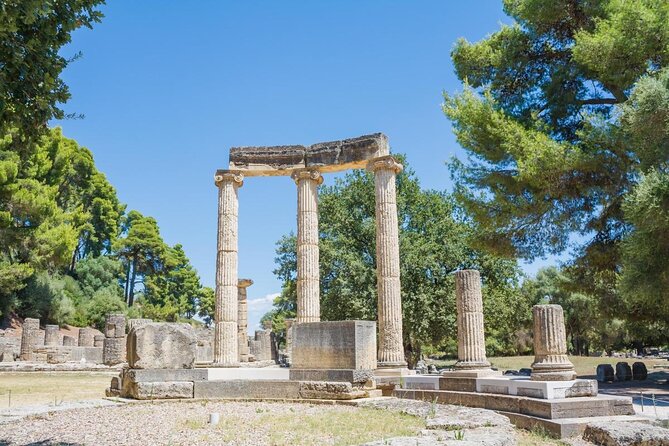
- The archaeological site is the clear centerpiece: Plan on about 90 minutes of walking among the gymnasium, palestra, temples, and stadium.
- Klio’s Honey Farm is a family cottage, not a working apiary: There are no beehives on the property, mainly to protect people with bee allergies.
- The olive stop is a tasting market, not an olive farm: You sample oils, olives, balsamic vinegar, honey, and related products indoors.
- The transport is designed for a port call: Pickup and drop-off are at Katakolon Port in an air-conditioned vehicle.
- Admissions cost extra: The stated fees are €12 for Klio’s Honey Farm and €20 for the archaeological site. An official guide may also be an optional extra, so confirm exactly what your booking includes.
- The group can reach 25 people: It may feel personal in a small van, but it is not a private tour.
From Katakolon Port to the birthplace of the Games
This is built for cruise passengers with limited time in Katakolon. Pickup takes place at the central port gate, near the sign board marked PORT OF KATAKOLON, JOHN LATSIS. Look for the agency sign, THE TRAVEL INSIDERS, and watch for a message giving you the exact pickup time.
The ride to Olympia is one of the practical strengths here. You do not need to arrange a taxi, find a rental car, or work out the road on your own. The vehicle is air-conditioned, and several positive experiences specifically point to clean, comfortable transport and a good driver.
The advertised duration is about 4 to 5 hours. That leaves enough time for the principal ruins and both food stops, but not much room for delays. Keep your phone available on the morning of the tour, arrive at the pickup point early, and do not wander far from the port gate.
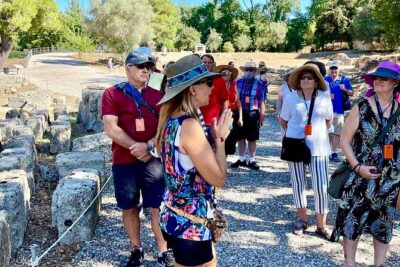
The tour is offered in English. Guides named Elena, Alena, and Taytothta are praised for clear explanations, friendly attention, and lively storytelling. The guide at the archaeological site is especially important because Olympia is broad and partly ruined. Without context, it can become a pleasant walk among fallen columns. With a good guide, the gymnasium, temples, athletic grounds, and stadium connect into a story.
More olive oil tastings around Greece:
- Knossos-Zeus Cave -Old Traditional Villages-Olive Oil Factory
★ 5.0 · 694 reviews - The Governor’s Olive Mill Tour with Olive Oil Tasting
★ 5.0 · 502 reviews - From Chania: Olive Oil, Wine, Cheese & Honey Tasting Tour
★ 4.6 · 490 reviews
Walking through Ancient Olympia in 90 minutes
The archaeological site is an open-air park, so bring practical clothing. You will walk on ancient ground, often in the sun, and the program notes that the site involves some walking, with shade available in places. Several accounts describe the pace as manageable, but one gives a simple warning: there is a lot to see and a lot of ground to cover.
The tour focuses on the main landmarks:
- The ancient gymnasium, where athletes trained
- The palestra, used for wrestling and other athletic preparation
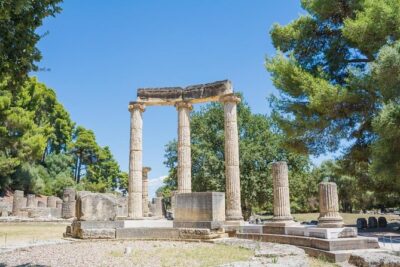
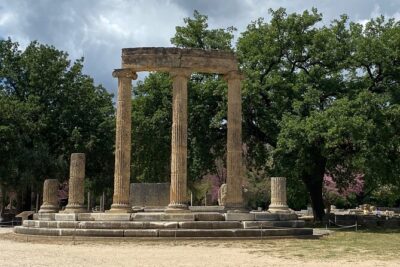
- The Temple of Hera
- The Temple of Zeus
- The original Olympic stadium
The Temple of Hera has a special modern connection. It is the place where the Olympic torch lighting ceremony takes place each time the modern flame is kindled. That gives the site more than an archaeological interest. You are looking at the old religious center connected to a ceremony still recognized around the world.
The Temple of Zeus was the largest temple in the area. It was also home to a gold and ivory statue of Zeus, counted among the Seven Wonders of the ancient world. The statue is gone, of course, but the scale of the temple ruins helps you understand why it mattered.
The stadium is the emotional high point for many people. You can walk into the long racecourse and picture the ancient athletic contests. It is not a modern stadium with seats, signs, or polished surfaces. That is part of its power. The simplicity of the space makes the running events feel surprisingly direct.
A strong guide can make this hour and a half fly by. Elena receives particularly warm praise for bringing the ruins to life, answering questions, and keeping the visit fun. At the same time, guide quality and pacing matter. One account found the explanations too long, so if you prefer to explore silently and take photographs, tell your guide early.
Admission to the archaeological site is listed separately at €20 per person. This is the most important cost to understand before booking. Some programs may have reduced admission for certain age groups, but you should confirm your own eligibility and the exact payment process.
There is also an inconsistency worth clearing up. The experience describes a guided visit with an official tourist guide, while the inclusions say the official guide inside the site is optional. Ask before departure if your price includes the site guide, the entrance fee, or only tour leadership and transport. That one question can prevent an unpleasant surprise.
Klio’s Honey Farm beneath the chestnut trees
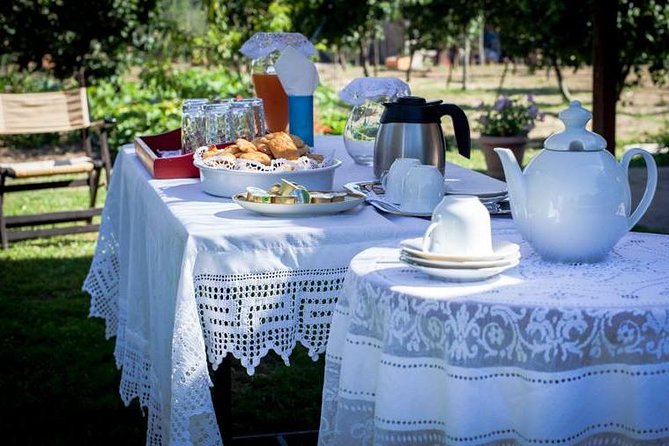
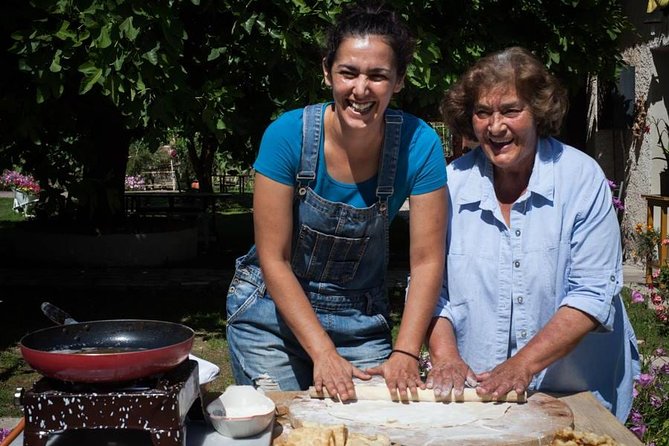
After the ruins, Klio’s Honey Farm offers a change of pace. You visit a local cottage and meet a beekeeper, then sit in the shade of chestnut trees with coffee or juice and homemade food. This is less a technical farm tour than a small cultural visit centered on a local family and its products.
The setting is part of the appeal. You leave the open archaeological grounds and spend time in a quieter, more personal place. The family welcome, the homemade sweets, and the chance to hear stories from a local artisan are the points that make this stop feel different from a standard roadside tasting.
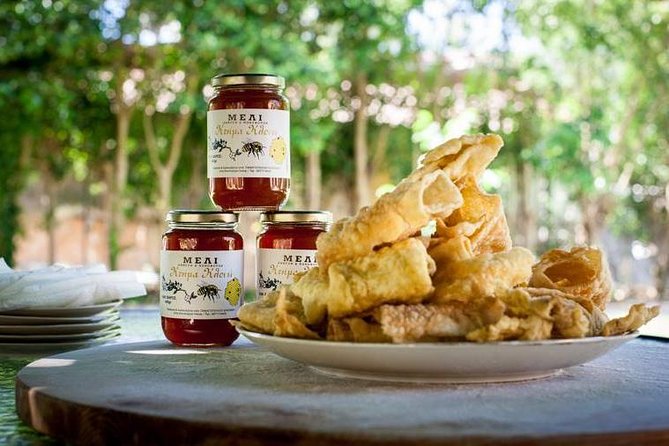
The sample foods include:
- Diples, a fried Greek pastry covered with artisan honey
- Pasteli, a bar made with local peanuts and honey or sesame and honey
- Quince spoon sweet, fruit preserved in syrup
- Honey and other homemade products
Diples are especially fitting here. They are light, crisp, and sweet, with honey doing most of the work. Pasteli gives you a firmer, nuttier taste, while quince spoon sweet is softer and more old-fashioned.
The key thing to understand is that there are no beehives at the cottage. This is intentional, since people with allergies or a fear of bees may still want to learn about honey and taste the products. If you expect protective clothing, hives, or a close look at honey extraction, this stop will disappoint.
The stated entrance fee is €12 per person, not included in the tour price. That extra charge has caused confusion because the stop can sound like part of the complete package. Read the cost details carefully and ask your guide to confirm the amount on the day.
The farm also has a shopping element. You may taste products and have the chance to buy honey or sweets. That can be a pleasure if you want an edible souvenir from the Peloponnese. It can feel less appealing if you want a strictly educational stop with no sales pitch.
Still, I would keep this stop if you like meeting local families and trying regional food. Several especially strong accounts describe it as the most memorable part of the day, with the family hospitality making the cottage feel more like a visit than a scheduled attraction.
Padelina Shopping Center and the olive oil tasting
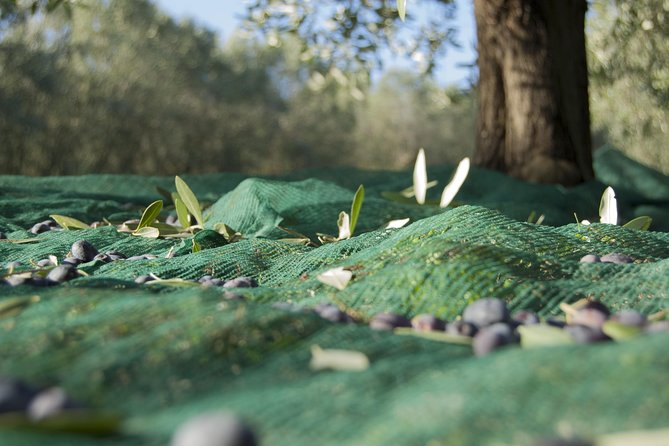
The olive stop takes place at Padelina Shopping Center, an indoor flea market with a section devoted to local products. It is not described as a grove, mill, or olive-oil production site. Think of it as a tasting counter in a local market.
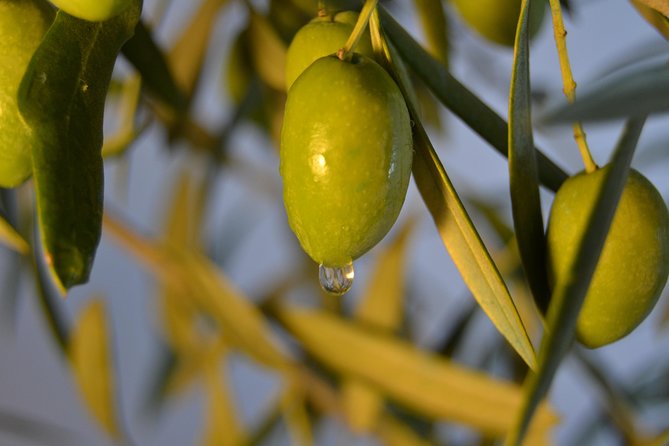
You can sample different olives, extra virgin olive oil, infused oils, balsamic vinegar, honey, local snacks, and products such as olive-oil-based lotions and creams. Infusions may include herbs, spices, or truffle. Kalamata olives are specifically included among the varieties.
This stop works best if you enjoy tasting before buying. Olive oil can vary sharply in flavor, from mild and buttery to peppery and herbal. Sampling several versions gives you a better sense of what you actually like, and you can order products for delivery home.
It is less satisfying if you want to see how olives are grown or oil is pressed. Some people would prefer open shopping in Olympia, a real farm, or more free time in town. The market is plainly commercial, and the focus is on products rather than agriculture or local history.
The stop lasts about 40 minutes. That is enough for a guided tasting, but not enough for a leisurely browse through every part of the market. If olive oil is not a major interest, the visit may feel long. If you enjoy Greek pantry goods, it gives you a compact introduction to flavors you might otherwise overlook.
There is no admission charge listed for the tasting. Samples are included, though anything you purchase is your own expense. If the market is closed on your date, the schedule may change. One amended program substituted a guided museum visit at no extra cost, but you should not assume that substitution will happen every time. Confirm the plan if the olive market is important to you.
A few other Greece mornings to price up
- Greek Food Walking Tour in Athens
★ 5.0 · 4,740 reviews - Athens: Street Food Tasting Tour
★ 4.9 · 2,557 reviews - Small Group Greek Traditional Food Tour in Athens 20+ Tastings
★ 5.0 · 1,759 reviews - Tour and Wine Tasting in Mykonian Land
★ 5.0 · 1,357 reviews
What the $119.48 price really covers
At $119.48 per person, this is not a bargain-basement transfer. You are paying for port pickup and return, air-conditioned transport, a tour leader, access to local tasting experiences, and a coordinated half-day schedule.
The value depends on how you use the food stops. If you mainly want Ancient Olympia, compare the cost with a simple transfer and site admission. If you also value the honey cottage, Greek sweets, olive oil samples, and the convenience of returning directly to the port, the price becomes easier to defend.
The admissions are the catch. Add the listed €12 honey-farm fee and €20 archaeological-site fee, and the total rises meaningfully. An official site guide may be extra as well. This is not necessarily poor value, but it is a price that needs to be calculated in advance.
The group size is capped at 25, though the experience may sometimes feel larger than expected. One account describes a bus of around 30 people rather than a very small group. Most other descriptions refer to a small vehicle or minibus, so I would treat the group cap as a maximum rather than a guarantee of a tiny party.
For a port day, transport has real value. Missing the ship because a self-arranged taxi runs late is a serious risk, and this format removes much of that worry. You still need to keep an eye on the clock, but a coordinated return is useful.
Who will enjoy this Olympia shore excursion
I would recommend this tour to you if you want the major Olympia sights without arranging several separate pieces. It suits first-time visitors, cruise passengers, families, and anyone who likes combining archaeological sites with food.
It is also a good match if you enjoy gentle cultural encounters. Klio’s cottage gives you contact with a local family, while the market introduces familiar Greek staples in a practical way. You do not need to be an olive-oil expert or a honey enthusiast.
You may want another option if your priority is a private, highly flexible day. The schedule is fixed, the group can be fairly large, and the two food stops are not optional simply because you are more interested in ruins. You may also prefer a different tour if you expect a working apiary, a real olive farm, or substantial free time in Olympia town.
The walking is usually manageable, but this is not a sit-down sightseeing tour. Wear comfortable shoes, bring water, and protect yourself from the sun. The archaeological site is the part to plan around. The honey cottage provides shade and a rest, but it comes after the main walk.
Free cancellation is available up to 24 hours before the start time. Changes inside that window are not accepted, and poor weather or failure to meet the minimum group size can lead to a date change, an alternate experience, or a full refund.
Should you book this tour?
Book it if you want Ancient Olympia plus a taste of everyday Greek food culture in one port-friendly half-day. The ruins, especially the stadium and Temple of Hera, are the reason to come, and guides such as Elena have made the historical visit lively and clear.
The honey cottage is the better of the two food stops for an authentic feel. The olive market is useful for tasting and shopping, but it is not a farm visit and may feel commercial. Before paying, confirm the €12 honey fee, the €20 site fee, and whether the official archaeological guide is included.
My advice is simple: choose this excursion for convenience, strong archaeological guiding, family hospitality, and a broad taste of Olympia. Skip it in favor of a private guide or a simpler transfer if you want full control of your time or care little about tastings.
FAQ
Where does the tour meet in Katakolon?
Pickup is at the central gate of Katakolon Port, inside the port area, near the sign board marked PORT OF KATAKOLON, JOHN LATSIS. Look for THE TRAVEL INSIDERS sign. The exact pickup time is sent by message.
How long does the experience last?
The tour takes approximately 4 to 5 hours.
Are the entrance fees included?
No. The stated additional fees are €12 per person for Klio’s Honey Farm and €20 per person for the Archaeological Site of Olympia. The official tourist guide inside the site is listed as optional, so confirm the exact inclusions before departure.
Are there beehives at Klio’s Honey Farm?
No. The cottage has no beehives. This is intended to protect people and children with bee allergies while still allowing you to learn about honey and taste local products.
What can I taste during the tour?
At the honey cottage, you may taste diples with honey, pasteli, quince spoon sweet, honey, and other homemade products. At the olive market, samples include Kalamata and other olives, extra virgin olive oil, infused oils, balsamic vinegar, honey, and local snacks.
Is the tour available in English?
Yes. The experience is offered in English, with port pickup and drop-off in an air-conditioned vehicle.
More Farms in Greece
- Mykonos: Farm, Ano Mera Village, and Beaches Guided Tour
★ 4.4 · 1,283 reviews - Crete: Road-trip to Lasithi Plateau & Olive Mill Farm
★ 4.4 · 420 reviews - Heraklion: Olive Farm Tour with Tasting of Local Delicacies
★ 4.9 · 411 reviews - Crete: Knossos, Lasithi, Lasinthos and Olive Farm Combo Tour
★ 4.5 · 351 reviews
Fresh on the Greece list
- Private Tour: Customize Your Perfect Day in Santorini★ 5.0 · 45 reviews
- From Thessaloniki:Day Trip to Dion, Litochoro &Mount Olympus★ 4.4 · 45 reviews
- Imerovigli: Premium Wine Tasting with Caldera and Sea Views★ 4.9 · 45 reviews
- Heraklion: Sunrise Balloon Flight & Sunset Catamaran Cruise★ 5.0 · 45 reviews
- Athens Airport Arrival Transfer to Hotels or Addresses in Athens★ 3.5 · 45 reviews
- Santorini_All time Classic in Santorini★ 5.0 · 45 reviews
- Hersonissos: Alar Spectacular Dinner Show★ 4.7 · 45 reviews
- Private Luxury Tour: Unveiling the Sacred Mysteries of Eleusis★ 5.0 · 45 reviews
Olympia Tours, compared.
Archaeological Site & Museum E-Ticket & Audio Guide
Read our review →
4 hour Katakolon shore excursion (Olympia – Winery – Beach)
Read our review →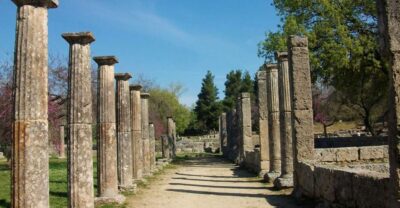
Private local tour of the archaeological site and museum of Olympia
Read our review →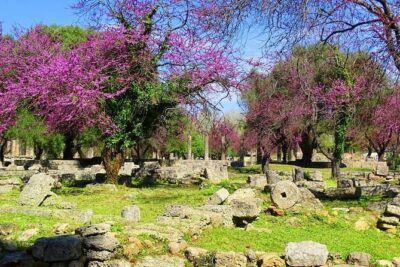
Browse the lists this tour appears in