
Reviewed · ATHENS TOURS
Greek Food Walking Tour in Athens
Athens reveals itself especially well through its food. This 3.5-hour walk takes you from Monastiraki to the Central Market and Psyrri, mixing Greek staples with lively streets, spice shops, coffee houses, and market stalls. You get a meal-sized series of tastings, not just a nibble or two.
I like the six stops and 12 tastings, which give you a useful first look at Greek food without making you commit to one long restaurant meal. I also like the way the route joins food with place: fish, meat, produce, wine, olive oil, and sweets make more sense when you see where Athenians shop.
The main consideration is simple: come very hungry. The food is plentiful, and one person even saved a gyro for dinner. Vegans and people with gluten intolerance should choose another tour, while vegetarians can request adjustments.
Key points to know before booking
- Six stops, 12 tastings: Expect koulouri, coffee, mezedes, pies, souvlaki, yogurt with honey, wine, tsipouro, and loukoumades.
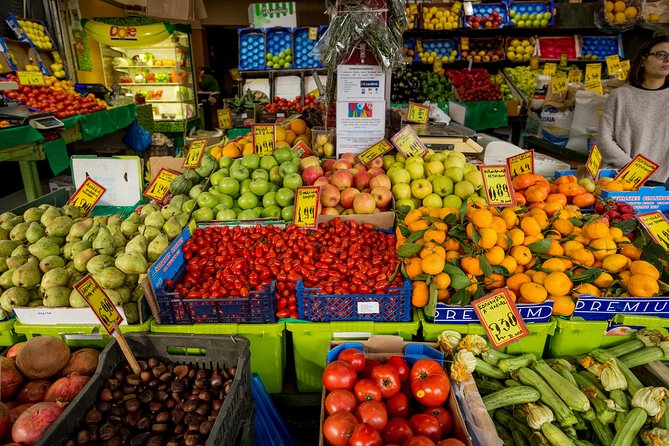
- A market-centered route: The Central Market includes fish, meat, and produce stalls, giving the food a strong local setting.
- Guides make a real difference: Adele, Ana, Anna, Tonia, Maria, Dorela, Dorella, Dora, and Alexandra are among the guides praised for warmth, food knowledge, and Athens advice.
- A full meal in walking-tour form: Eat lightly beforehand, or skip breakfast if your tour is early.
- Good for vegetarians, not vegans: Vegetarian preferences and allergies can be shared with the guide, but the activity is not suitable for vegans or gluten-free diets.
- A useful first-day activity: Guides can point you toward places to eat and areas to visit during the rest of your stay.
Starting at Monastiraki with a taste of Athens
Meet at the Holy Church of the Virgin Mary Pantanassa in Monastiraki Square. This is a practical starting point because Monastiraki sits close to several major sights, including Hadrian’s Library, the Ancient Agora, and the rebuilt Stoa of Attalos.
You begin with food, but the surroundings give you an immediate sense of central Athens. The flea market spreads through nearby streets with handmade sandals, soaps, clothing, and souvenirs. Restaurants and traditional tavernas fill the area, many with views toward the Acropolis.
The first stop lasts about 15 minutes and has no separate admission fee. It is less about a long visit inside a monument and more about getting your bearings while your guide explains the neighborhood and introduces the food culture that shapes the rest of the walk.
I would not book this tour mainly for detailed archaeological sightseeing. You will pass through an area packed with ancient remains, but the focus is eating, walking, and understanding modern Greek life through food. If the Acropolis and Ancient Agora are high on your list, plan separate visits.
More Food Tours in Athens
- Athens: Street Food Tasting Tour
★ 4.9 · 2,557 reviews - Small Group Greek Traditional Food Tour in Athens 20+ Tastings
★ 5.0 · 1,759 reviews - Athens Authentic Greek Food Walking Tour (Small Group)
★ 5.0 · 809 reviews
Koulouri, coffee, and the first Greek flavors
The sample menu begins with koulouri, a sesame-covered bread ring that is a familiar Greek breakfast snack. It is a good opening taste because it is simple, portable, and very different from the sweet pastries that often dominate a first meal abroad.
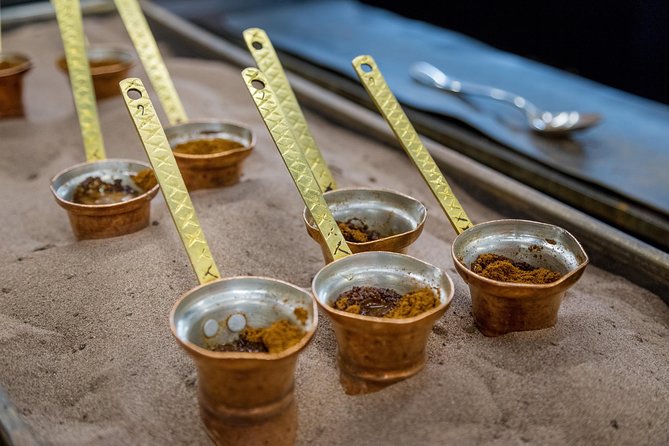
Local coffee follows. The exact preparation and serving style can vary, but the point is to introduce you to an everyday Greek habit rather than just hand you another dish. One stop mentioned in the food route is Mokka, where the coffee experience received particular praise.
You may also taste local pies, bread with tomato sauce, yogurt with honey, and other small starters as the route continues. These foods show how Greek eating moves between bread, dairy, vegetables, herbs, olive oil, and pastry.
The portions add up fast. I would treat the early tastings as part of a long lunch, not as samples to finish without thought. You have a better chance of enjoying the later mezedes and souvlaki if you eat little or nothing for at least three hours before meeting the guide.
Aiolou Street and Athens through everyday shops
From Monastiraki, the walk reaches Aiolou Street, named for Aeolus, the Greek god of winds. This central street helps connect the historic core with the food-shopping districts farther north.
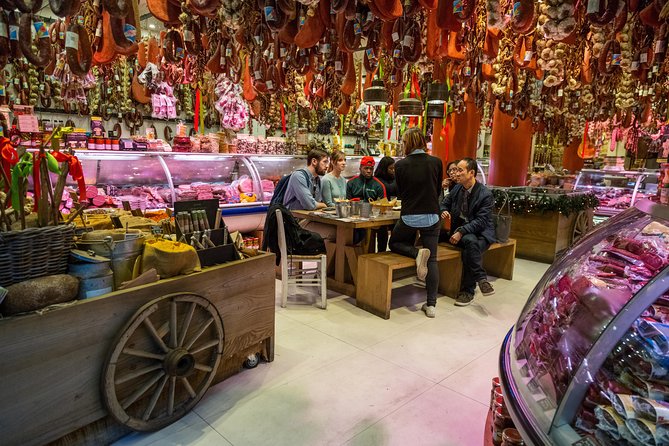
The route includes specialty food shops where you can taste local produce, high-quality olive oil, wine, olives, and possibly other regional products included in the day’s selection. The value here is not only the taste. Your guide can explain how Greek ingredients vary by region and how wine, feta, olives, and olive oil fit into the country’s food traditions.
One particularly useful part of the experience is the regional lesson. You may learn where different wines and olive oils come from, how Greek products are used, and why a basic dish can depend so much on the quality of its ingredients.
The route is also a good chance to ask practical questions. If you want to buy olive oil, herbs, or edible gifts later, this is the time to ask what to look for. The experience includes tasting, not a shopping allowance, so any purchases are your own responsibility.
Varvakios Agora: the working heart of the food route
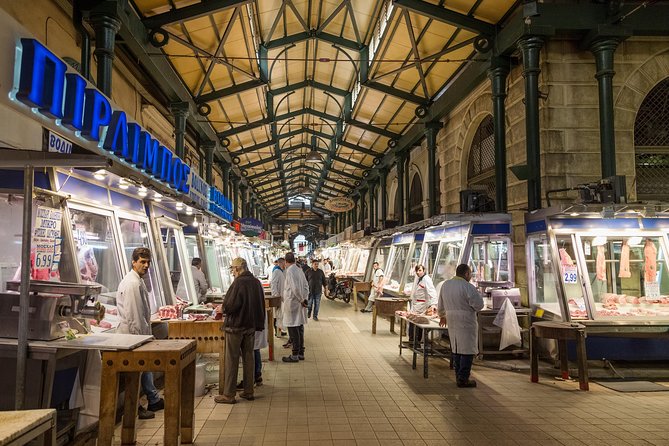
The Central Market of Athens, also called Varvakios Agora, is one of the strongest parts of this experience. The market sells fish, meat, and produce, with restaurants woven into the area.
You should expect a working food market rather than a polished food hall. That means a more direct look at the ingredients used in Greek kitchens, along with the sights and smells that come with a real market. The visit lasts about 30 minutes.
For me, this is where the walking tour earns its keep. A plate of food in a restaurant tells you what to eat. The market shows you the raw materials behind it. You see the relationship between fresh produce, seafood, meat, herbs, and the dishes served at the later stops.
The market may not suit everyone. If you dislike strong food smells or prefer quiet, tidy shopping spaces, this part can feel intense. Still, it gives the tour a more grounded feel than a series of restaurant tastings alone.
The guide’s role matters here. Ana was praised for explaining the fish, meat, vegetable, and fruit sections, while other guides were noted for making the market easy to understand. You are not simply walking through stalls. You are being shown how the food fits into Athens.
More Walking Tours in Athens
- Athens: Acropolis and Parthenon Guided Walking Tour
★ 4.6 · 5,882 reviews - Acropolis: Acropolis and Parthenon Guided Walking Tour
★ 4.7 · 3,442 reviews - Acropolis monuments & Parthenon Walking Tour with Optional Acropolis Museum
★ 5.0 · 2,678 reviews - Athens Acropolis and Parthenon Walking Tour
★ 4.5 · 1,355 reviews
The spice street and the flavors behind Greek cooking
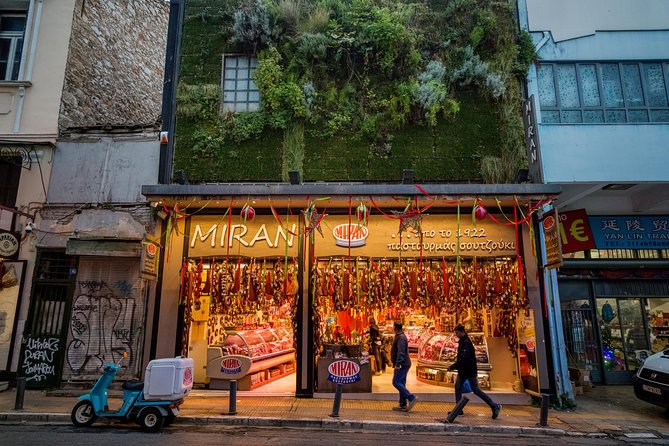
The route also passes through Athens’ herb and spice street. This section adds color and aroma without requiring a large meal, which is helpful by this point in the walk.
Greek food is often described through familiar dishes such as souvlaki and Greek salad, but herbs, spices, olive oil, and preserved foods carry much of the character. The spice quarter lets you connect those ingredients with what you have already tasted.
You may find this one of the most useful places to slow down and ask questions. If you cook at home, you can ask your guide about Greek herbs or products worth taking home. If you do not cook, the stop still helps explain why simple bread, tomatoes, yogurt, and grilled foods can taste so distinct.
Because the route is walking-based, wear comfortable shoes. The total duration is approximately three hours and 30 minutes, and the experience ends back at the original meeting point in Monastiraki.
Psyrri, mezedes, and a proper Greek spread
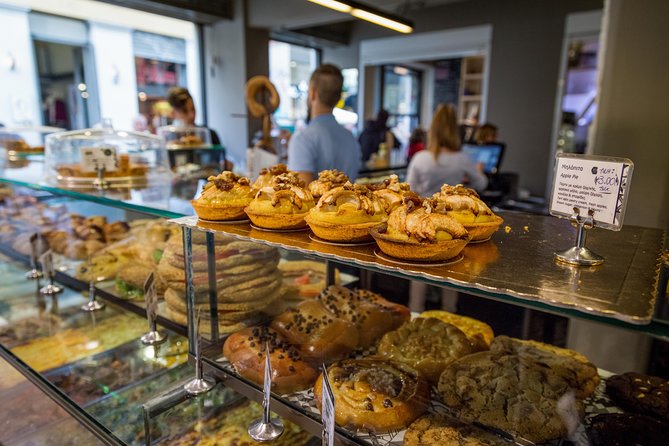
Psyrri, also spelled Psyrri or Psirri, is known for Iroon Square, restaurants, meze, live rembetika music, late-opening bars, and small independent shops. Graffiti-covered walls and artisan stores give the area a different feel from the ancient monuments around Monastiraki.
Here, the food becomes more substantial. The sample menu includes mezedes plates, bread with tomato sauce, local pies, and other Greek dishes. A full traditional meal may be served family-style at one of the stops, with enough food to function as lunch on its own.
This is a good introduction to the Greek habit of sharing. Instead of ordering one large dish for yourself, you may try several plates in one sitting. Anchovies in olive oil, Greek salad, feta, vegetables, meat dishes, and pies can all appear in a meal of this kind, though the exact selection may change.
The generous portions are both a strength and a warning. You get strong value from the amount of food, but you may be too full for the final tastings if you rush through the meal. Let the guide set the pace and do not feel obliged to eat every portion in full.
The neighborhood also makes the route feel broader than a food lesson. You see streets where people eat, shop, listen to music, and spend the evening. The guide may also offer suggestions for restaurants, drinks, and places to see later in your stay.
Souvlaki, wine, tsipouro, and loukoumades
Souvlaki is one of the expected savory highlights. It is a useful taste because it is among the Greek foods most visitors already know, yet eating it in the middle of a neighborhood food walk gives it more context than ordering it from a generic restaurant.
The menu also includes local wine and tsipouro, a strong Greek spirit. The drinking age for this activity is 18. Portions can be modest, with one person finding the wine and ouzo pours small, so do not book this as a wine tour or spirits tasting.
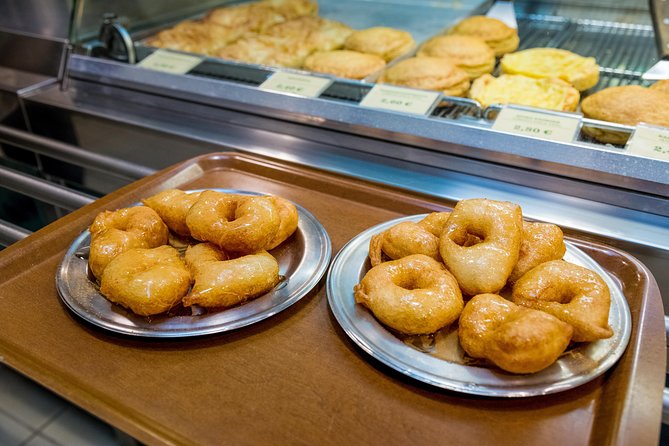
The final sweet is loukoumades, Greek doughnuts usually served with honey or another sweet topping. After the market, mezedes, coffee, pies, and souvlaki, these provide a fitting finish, though your appetite may already be running low.
Greek yogurt with honey may appear earlier or alongside dessert. It offers a cooler, lighter contrast to fried dough and gives you another classic combination of Greek dairy and local sweetness.
The exact order and selection can change, but the stated plan is six food stops and 12 tastings. That range gives you variety while keeping the activity within a manageable half-day.
What the $87.07 price really buys
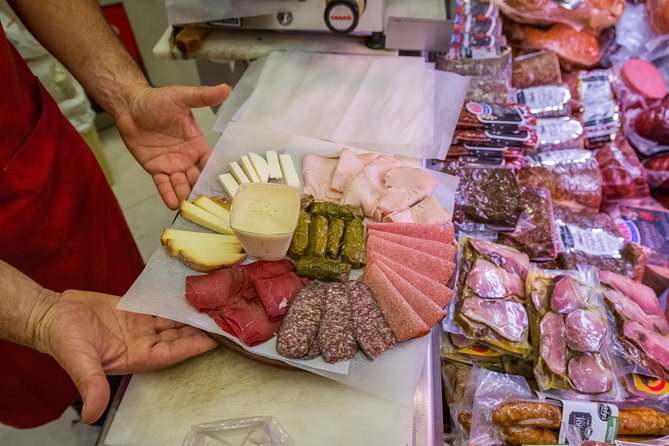
At $87.07 per person, this is not a cheap lunch. It becomes better value when you count the food, drinks, guide, market visit, and neighborhood orientation together.
You are paying for six stops, with 12 tastings and enough food to leave you full. You also avoid the uncertainty of choosing restaurants in an unfamiliar part of Athens. A guide handles the route and explains products that can be difficult to judge on your own.
The private format makes the price easier to justify for couples, families, or a small group that wants time for questions. The activity is described as private, with only your group participating, while the group size is capped at 12. Group discounts are also listed.
There is one point to clarify before booking: the information combines a private-tour format with a maximum group size of 12. If the size or setup matters to you, confirm the arrangement when you book.
The value is weaker if you mainly want alcoholic drinks, large restaurant portions, or a formal cooking lesson. Wine and tsipouro are part of the tasting, but the pours may be small. The strength is the full mix of food, market access, local context, and practical Athens advice.
The guides are central to the experience
The food is important, but the guide can shape the entire afternoon. Adele received repeated praise for her friendly manner, cultural explanations, humor, and ability to answer questions. Ana and Anna were also praised for their food knowledge, Athens suggestions, and relaxed way of leading the walk.
Tonia was noted for handling several dietary restrictions. Maria was praised for being welcoming and helpful, including when a participant arrived late. Dorela, Dorella, Dora, and Alexandra were also described as engaging and well informed about local food and neighborhoods.
You cannot necessarily request a particular guide, but these names show the kind of leadership the activity aims to provide. A good guide turns a series of tastings into a lesson about Greek customs, regional products, and daily life.
I would book this near the start of your Athens stay if you can. The food advice and neighborhood recommendations may help you choose restaurants and evening spots for the days that follow.
Who should book, and who should skip it
This tour suits you if you want a food-first introduction to central Athens and enjoy walking between small tastings. It works well for first-time visitors, couples, families, and people who want help making sense of Greek ingredients and dining customs.
Vegetarians can participate if they tell the guide about their preference or allergies. The experience is not suitable for vegans or people with gluten intolerance, and the food volume may be too much if you prefer light meals.
It is also a good fit if you like markets and ordinary city scenes more than a tightly scripted sightseeing route. Monastiraki, Aiolou Street, Varvakios Agora, the spice quarter, and Psyrri each add a different piece of Athens.
I would skip it if you want a quiet museum tour, a dedicated archaeological guide, or a serious wine tasting. The walking is easy according to the available information, but the day still includes several hours on your feet and a great deal of food.
Booking details that matter
The meeting point is the Holy Church of the Virgin Mary Pantanassa in Monastiraki Square, and the activity ends there. Hotel pickup and drop-off are not included, but the meeting point is near public transportation.
You receive confirmation at booking and can present either a paper or electronic voucher. Service animals are allowed, and most people can participate.
The experience requires good weather. You can cancel for a full refund up to 24 hours before the start time. Cancellations or changes made within 24 hours are not refunded or accepted. If poor weather causes the company to cancel, you are offered another date or a full refund.
Should you book this Greek food tour?
I would book it if you want one generous, social introduction to Greek food and central Athens. The market visit, regional ingredient talk, and six-stop tasting plan give you more substance than a simple street-food snack crawl.
Book it early in your stay, arrive at Monastiraki on time, and skip the big breakfast. If you eat meat, dairy, bread, sweets, and a little alcohol, you will get the fullest version of the experience.
The decision is less clear at $87.07 if you are a light eater or mainly want drinks. But for a private group that values personal attention, practical food advice, and enough tasting to replace lunch, the price is reasonable. For most food-minded visitors who can handle the portions, this is a strong way to get oriented in Athens.
FAQ
Where does the Greek Food Walking Tour in Athens start?
It starts at the Holy Church of the Virgin Mary Pantanassa in Monastiraki Square, Athens.
Where does the tour end?
The activity ends back at the Monastiraki meeting point.
How long does the tour last?
The tour lasts approximately three hours and 30 minutes.
How much does the tour cost?
The listed price is $87.07 per person. Group discounts are available.
How many food tastings are included?
The experience includes six food stops and 12 tastings.
What foods might I taste?
The sample menu includes koulouri, local coffee, mezedes, bread with tomato sauce, local pies, souvlaki, yogurt with honey, local wine, tsipouro, and loukoumades.
Does the tour include a visit to Athens Central Market?
Yes. The route includes about 30 minutes at the Central Market, also known as Varvakios Agora, where fish, meat, and produce are sold.
Is the tour suitable for vegetarians?
Yes. You can tell the guide about vegetarian preferences or allergies on the spot.
Is the tour suitable for vegans or people with gluten intolerance?
No. The activity is not suitable for vegans and is not recommended for people with gluten intolerance.
Can I cancel for a full refund?
Yes. You can cancel at least 24 hours before the local start time for a full refund. Cancellations within 24 hours are not refunded.
Fresh on the Athens list
- Athens Airport Arrival Transfer to Hotels or Addresses in Athens★ 3.5 · 45 reviews
- Private Luxury Tour: Unveiling the Sacred Mysteries of Eleusis★ 5.0 · 45 reviews
- Luxury Catamaran Sunset Semi-Private & Greek Gastronomy in Athens★ 5.0 · 45 reviews
- From Athens: Aegina Island guided tour in a day★ 5.0 · 45 reviews
- Delphi, Thermopylae full day private tour from Athens★ 4.9 · 46 reviews
- From Athens: City & Corinth Guided Day Tour★ 4.8 · 46 reviews
- Acropolis Private Wine Tasting @ Finewine store★ 5.0 · 46 reviews
- Ancient Corinth Half-Day Private Tour from Athens★ 5.0 · 46 reviews
Athens Tours, compared.
Acropolis & up to 5 Archaeological Sites Combo Pass
Read our review →
Acropolis, Parthenon & Acropolis Museum Guided Tour
Read our review →
Cape Sounion & Poseidon Temple Sunset Half-Day Trip
Read our review →
Cape Sounio & Poseidon Temple Trip with Audio Guide
Read our review →
Hydra, Poros, and Aegina Day Cruise with Lunch
Read our review →
Mythology of Delphi, Museum and Arachova Guided Tour
Read our review →Browse the lists this tour appears in