
Reviewed · KALAMATA TOURS
Organic Olive Grove tour & Olive oil tasting & lunch in Kalamata!
Kalamata’s olive oil culture makes far more sense after you have seen the trees, watched the pressing process, and tasted several oils side by side. This three-hour experience takes you from an organic olive grove just outside the city to a certified mill, then into one of Kalamata’s oldest olive oil shops.
I especially like the way the tour connects farming, machinery, tasting, and food instead of treating olive oil as a quick sampling stop. I also like the family-friendly approach of guide Maria, who has kept children from young kids to teenagers involved. The main consideration is transport: the grove and mill are about 10 minutes from central Kalamata, and taxi service costs extra if you do not have your own vehicle.
Key points to know before booking
- Walk among ancient olive trees: The grove includes trees of different ages and shapes, including trees reported to be around 800 years old.
- See oil made from grove to bottle: A certified mill explains harvesting, extraction, machinery, and bottling, with mill visits most available from March through October.
- Taste four Greek extra virgin oils: A professional olive oil taster introduces varieties such as Koroneiki and explains aromas, flavors, quality, and food pairings.
- Add a Greek meal: A light or full lunch may include pies, cheese, vegetarian dishes, split pea balls, seasonal foods, and local wine or drinks.
- Plan for outdoor time: Wear comfortable shoes and a hat, and tell the provider about dietary needs or allergies.
- Allow for transport costs: You must arrange your own vehicle or request taxi service through the provider for an added fee.
Why this olive tour fits Kalamata so well
Kalamata is not simply a place where olive oil happens to be sold in attractive bottles. Olive trees shape the countryside, the local economy, the food on the table, and much of the region’s identity.
That is why I find the order of this experience so useful. You begin with the tree, move to the mill, and finish with the liquid in the glass. Each stop answers a different question. What does an olive tree look like over many centuries? How does fruit become oil? What should good extra virgin olive oil smell and taste like?
Maria, the local host and tour leader, brings the human side of the subject. The supplied details describe her as passionate about olive farming and Greek culture, and her approach includes both history and practical points. You may hear about the timing of harvest, the choices farmers make, the cost of production, and the shift from older methods to modern machinery.
The experience is private, meaning only your own group takes part. That can make a real difference during the tasting, particularly if you want to ask questions or have children who need a little more attention. The tour is offered in English.
More olive oil tastings around Greece:
- Knossos-Zeus Cave -Old Traditional Villages-Olive Oil Factory
★ 5.0 · 694 reviews - The Governor’s Olive Mill Tour with Olive Oil Tasting
★ 5.0 · 502 reviews - From Chania: Olive Oil, Wine, Cheese & Honey Tasting Tour
★ 4.6 · 490 reviews
Walking through the traditional organic grove
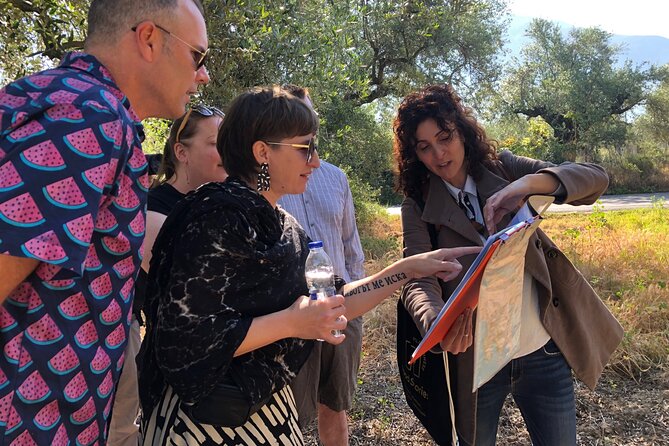
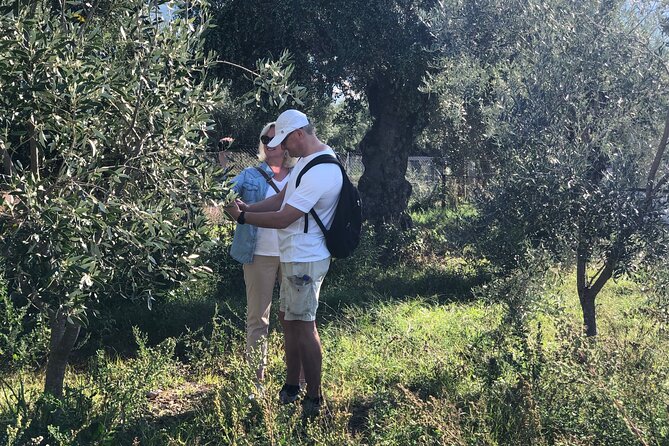
The first part takes place in a traditional organic olive grove about 10 minutes from Kalamata. This is not a quick photo stop beside a single tree. You walk among perennial trees of different shapes and ages, learning how the olive tree grows and why it has held such an important place in Greek life for so long.
I would treat this as the quietest and most atmospheric part of the outing. The grove gives you a chance to slow down before the machinery and tasting begin. Look closely at the trunks and branches. Their twisted forms tell you more than a museum panel can about age, pruning, weather, and continued cultivation.
The mention of 800-year-old olive trees is especially striking. You should not expect every tree in the grove to be that old, but the presence of trees with such a long life adds weight to the visit. You are looking at living links to earlier generations, not just agricultural plants.
The grove visit is available throughout the year, in the morning or afternoon. The provider also offers a 5:30 p.m. departure, which may suit you if you are spending the hottest part of the day in town or have a later start to your sightseeing.
This section does require some walking outdoors. Comfortable shoes and a hat are sensible choices. Ask about conditions if rain is in the forecast, since the experience needs good weather and may be moved or canceled if outdoor conditions are poor.
At the certified mill, from harvest to bottle
After the grove, you visit a certified olive oil mill close by. The mill is open to the public and explains the production chain, from harvested olives through extraction and bottling.
This is where the tour becomes especially useful for anyone who buys olive oil at home but has never seen it made. You can learn about the machinery, the extraction process, and the reasons farmers think carefully about when to harvest. The timing of harvest affects the fruit and the finished oil, while production also involves real labor and financial decisions.
The experience may also explain the contrast between older olive oil methods and modern processing. That comparison helps you understand why a bottle’s quality depends on more than the words extra virgin on its label. You will have a better sense of how handling, pressing, storage, and bottling fit together.
Mill access is seasonal. Visits are generally available from March through October, Monday through Sunday. From November through February, the mill visit depends on coordination and availability because this period overlaps with olive harvesting. The grove walk and olive oil tasting remain available year-round, but the full three-part program may need a different date in winter.
That seasonal detail matters. If seeing the mill is your main reason for booking, confirm the date before paying. The provider says the experience is offered upon request and depends on availability. If your chosen day does not work, you may be offered another date or a similar experience after discussion.
Four oils and a better way to taste
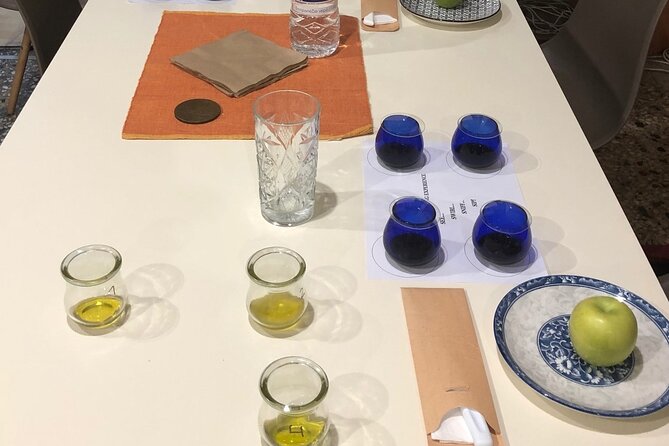
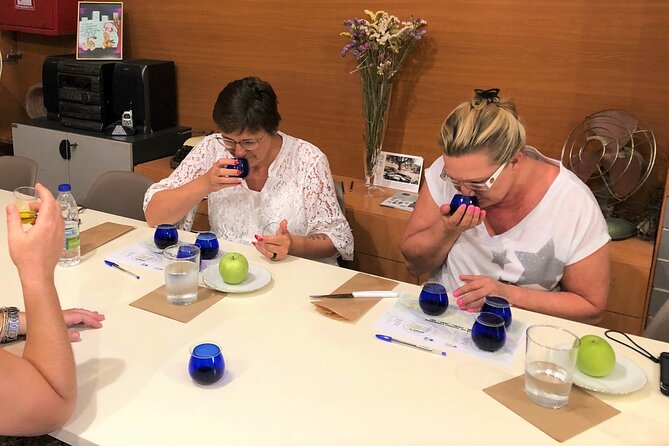
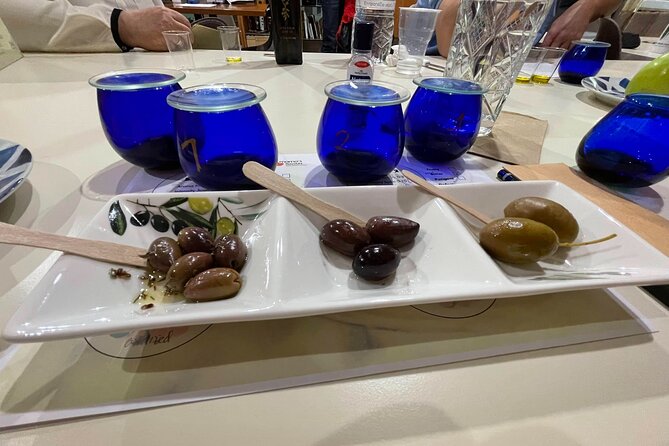
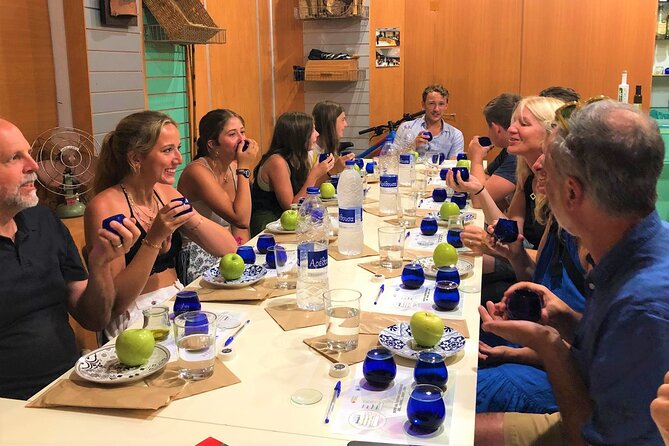
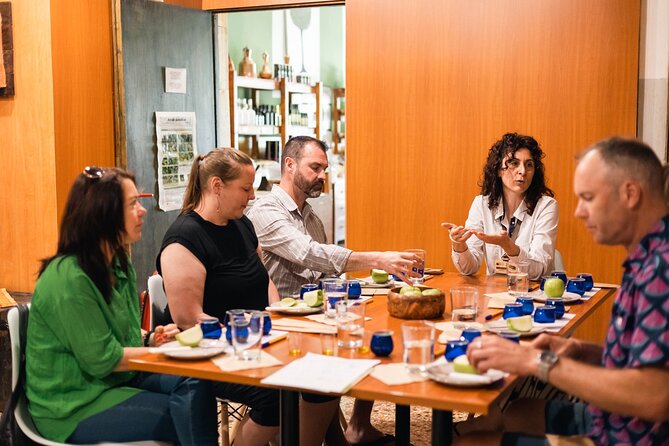
After the grove and mill, the experience moves to Kalamata’s historic center, to one of the city’s oldest olive oil shops. Here, a professional olive oil taster leads the tasting of four Greek extra virgin olive oil varieties.
This is more than dipping bread into oil and choosing the one you like best. The tasting is designed to help you notice different aromas, tastes, and characteristics. You learn about Greek varieties, including Koroneiki, and how one oil may suit a particular food better than another.
I like this part because it gives you a practical skill you can take home. Once several oils are tasted side by side, the differences become easier to recognize. You may begin to notice freshness, fruitiness, bitterness, or a peppery finish instead of treating all olive oil as the same golden liquid.
The tasting also covers health benefits, according to the tour details. Keep the focus on understanding the product rather than expecting a medical consultation. The valuable point is that the session connects quality with flavor and use.
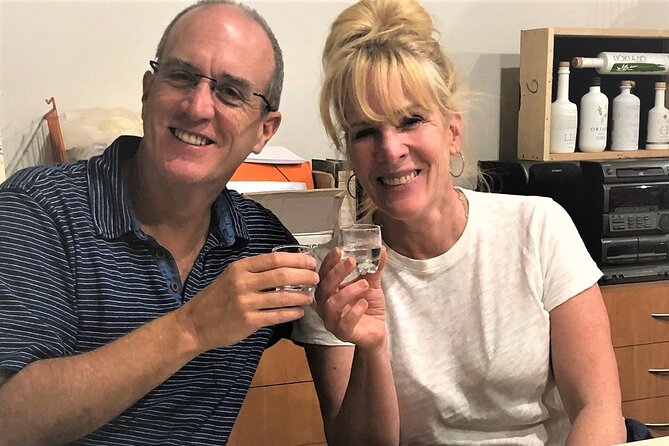
Greek local delicacies and a bottle of water are included. If you add lunch, the food may include Greek pies, cheese, vegetarian dishes, split pea balls, or other seasonal local items. A light or full lunch is available on request for an added charge, and local wine or other drinks can be added with the meal.
The shop is the final stop. This is a good place to buy oil if you want a bottle for home, but purchases are optional and not included in the price. I would wait until after the tasting before choosing what to buy. You will have more information and may make a smarter choice than you would at the start.
A few other Greece mornings to price up
- Greek Food Walking Tour in Athens
★ 5.0 · 4,740 reviews - Athens: Street Food Tasting Tour
★ 4.9 · 2,557 reviews - Small Group Greek Traditional Food Tour in Athens 20+ Tastings
★ 5.0 · 1,759 reviews - Tour and Wine Tasting in Mykonian Land
★ 5.0 · 1,357 reviews
Is the $144.82 price good value?
At $144.82 per person, this is not a bargain-basement tasting. The price makes more sense if you value a private experience with several connected parts: a grove walk, a mill visit, a four-oil tasting, a host throughout, a professional taster, snacks, water, and taxes.
The private format is one of the strongest value points. Only your group participates, so you are not being added to a large bus tour with a fixed script. Families may appreciate the flexibility, especially since Maria has been praised for keeping both younger children and teenagers engaged.
The price does not include transportation to the grove and mill. That is an important extra. You can use your own vehicle, or the provider can arrange taxi services through partners at an additional charge. If you are comparing this with a cheaper city-only tasting, include that transport cost before deciding.
Lunch is also extra. The meal can be worthwhile if you want to turn the outing into a fuller food experience, but it is not part of the standard price. Ask whether you want a light or full lunch and confirm the added cost before the day.
Group discounts are listed, which may improve the price for a larger party. Since the activity is private, ask how the discount applies to your group size. The total value is strongest for people who want context and instruction, not just a few samples.
Timing, meeting point, and the transport wrinkle
The listed starting point is the Kalamata Port Authority at Mpoumpoulinas 4. From there, you need transport to the grove and mill, which are about 10 minutes from Kalamata city center and the meeting point.
The ending information needs careful confirmation. The provider says the activity ends at the olive oil shop in the historic center, while the meeting-point details also say it ends back at the meeting point. Those descriptions do not match perfectly. Before booking, ask exactly where you will finish and whether a return transfer is included.
This is not a minor detail if you are visiting Kalamata from a cruise ship, have a restaurant reservation, or need to catch a bus. The tour itself lasts about three hours, but transport arrangements can affect the total time. The experience is near public transportation, yet the grove and mill still require a vehicle.
The provider specifically asks you to say if you have your own car. If not, request taxi arrangements early rather than assuming a vehicle will appear at the port. This was the one practical point that could cause frustration if left vague.
Morning and afternoon departures are available year-round for the grove and tasting, with a 5:30 p.m. option. Greek official holidays, from Holy Friday through Easter Tuesday, are excluded.
Who will enjoy this most
I would recommend this experience to anyone who wants to understand Kalamata through food and farming rather than only through monuments. It works particularly well for people who cook with olive oil and want to become more confident about quality and flavor.
Families are another strong match. The structure gives children something to see and do at every stage: trees in the grove, machines at the mill, and a tasting in the shop. Maria’s ability to include different ages is a useful feature, though very young children may still find the explanatory sections slow.
Couples and small private groups should also appreciate the relaxed format. You have room to ask about farming, Greek food, harvesting, or oil storage without competing with a large crowd.
I would be more cautious if you want a fast activity entirely inside the city. The grove and mill require transport and outdoor walking. You should also check the seasonal mill schedule if you are visiting between November and February.
People with food allergies should contact the provider in advance. This includes food allergies as well as allergies to bees. Dietary needs such as vegetarian, vegan, pescatarian, or flexitarian requests should also be shared before the tour.
How this compares with a simple Kalamata tasting
A city shop tasting can introduce you to Greek olive oil, but it cannot show you where the fruit grows or how the oil is extracted. This experience adds the agricultural and production stages, which makes the tasting easier to understand.
The reverse is also true. If you only have a short stop in Kalamata and want to sample oil with minimal movement, the three-part outing may ask more time and planning than you need.
The tour earns its price through the connection between the stops. You see the trees before hearing about harvesting. You visit the mill before discussing quality. You taste the oils after learning what goes into making them. That sequence gives the experience a clear purpose.
The optional lunch can make the day feel more like a local food outing, but I would not book it automatically. If you already have a firm dinner plan or prefer a light schedule, the included snacks may be enough. If you want traditional dishes and local drinks in the same sitting, ask for the lunch option and confirm the menu for your date.
Booking advice for a smoother outing
Confirm four things before you finalize your plans:
- Ask if the mill is available on your chosen date, especially from November through February.
- Confirm the taxi price if you do not have your own vehicle.
- Clarify whether the final stop is the olive oil shop or the original meeting point.
- State dietary needs and allergies in advance.
The experience requires good weather. If poor weather forces a cancellation, you will be offered a different date or a full refund. The general cancellation policy is strict: the booking is non-refundable and cannot be changed for any reason, so make sure your date and transport plans are solid.
The tour is offered Monday through Sunday, subject to availability, and confirmation is provided when you book. It is family-friendly and most people can participate, but you should still be comfortable walking outdoors for part of the morning or afternoon.
Should you book the Kalamata olive grove tour?
I would book it if you want more than a souvenir bottle and a quick sample. The grove, certified mill, and four-oil tasting give you a well-rounded look at Kalamata’s most important food tradition. Maria’s warm, lively style and her attention to children add a personal touch that suits families and small private groups.
I would hold off if you do not want to pay extra for transport or lunch, or if you are visiting during the winter and the mill visit is essential. Confirm those points first.
For most food-minded visitors with three hours to spare, this is a smart way to connect Kalamata’s countryside, working agriculture, and local table. You leave with a better palate, a clearer idea of what extra virgin olive oil means, and perhaps a bottle chosen with some real understanding.
FAQ
How long does the olive grove and olive oil experience last?
The experience lasts approximately three hours.
Where does the experience start?
The listed starting point is the Kalamata Port Authority at Mpoumpoulinas 4, Kalamata 241 00, Greece.
Where does the experience end?
The provider says the activity ends at the olive oil shop in Kalamata’s historic center. The meeting-point information also mentions returning to the meeting point, so you should confirm the final drop-off location before booking.
Is transportation included?
No. Transportation is needed to reach the olive grove and mill, located about 10 minutes from Kalamata city center and the meeting point. You can use your own vehicle or request taxi service through the provider for an additional charge.
Is lunch included in the price?
No. A light or full Greek lunch is available upon request for an extra charge. It may include Greek pies, cheese, vegetarian dishes, split pea balls, or other seasonal local foods. Local wine or drinks can also be added.
When is the olive oil mill visit available?
The mill visit is generally available from March through October, Monday through Sunday. From November through February, it requires coordination and depends on availability because of the olive harvesting period.
Are the grove walk and tasting available all year?
Yes. The traditional organic olive grove visit and olive oil tasting are available year-round, Monday through Sunday, in the morning or afternoon, subject to availability.
What should I wear and what information should I give the provider?
Wear comfortable shoes and a hat because you will spend considerable time outdoors. Tell the provider about dietary needs, food allergies, or allergies to bees before the experience.
More Lunch Experiences in Greece
- All Day Cruise -3 Islands to Agistri,Moni, Aegina with lunch and drinks included
★ 5.0 · 4,958 reviews - From Athens: Hydra, Poros, and Aegina Day Cruise with Lunch
★ 4.1 · 4,305 reviews - Athens: Meteora Monasteries Day Trip with Caves and Lunch
★ 4.7 · 2,964 reviews - From Kos: 3-Island Pirate Cruise with Lunch and Waterslide
★ 4.5 · 2,564 reviews
Fresh on the Greece list
- Private Tour: Customize Your Perfect Day in Santorini★ 5.0 · 45 reviews
- From Thessaloniki:Day Trip to Dion, Litochoro &Mount Olympus★ 4.4 · 45 reviews
- Imerovigli: Premium Wine Tasting with Caldera and Sea Views★ 4.9 · 45 reviews
- Santorini_All time Classic in Santorini★ 5.0 · 45 reviews
- Heraklion: Sunrise Balloon Flight & Sunset Catamaran Cruise★ 5.0 · 45 reviews
- Athens Airport Arrival Transfer to Hotels or Addresses in Athens★ 3.5 · 45 reviews
- Hersonissos: Alar Spectacular Dinner Show★ 4.7 · 45 reviews
- Private Luxury Tour: Unveiling the Sacred Mysteries of Eleusis★ 5.0 · 45 reviews
Kalamata Tours, compared.



Browse the lists this tour appears in