
Reviewed · ACROPOLIS & ACROPOLIS MUSEUM TOURS
Athens: Acropolis and Acropolis Museum Premium Guided Tour
The best part of this tour is the way it connects the Acropolis ruins with the objects now kept in the Acropolis Museum. You see the Parthenon on the hill, then examine sculpture, decoration, and archaeological remains indoors, where the story is easier to follow.
I like the south-slope approach, which takes you past the Theatre of Dionysus and the Dionysus Sanctuary before the climb. I also like the guide-led museum visit, since the glass floors, statues, and architectural fragments can feel like a lot to sort out alone. The drawback is simple: three and a half hours on steep, uneven ground and then inside a museum can be tiring, especially after a hot morning at the Acropolis.
Key points to know before booking

- Theater comes before the temples: You begin at the Theatre of Dionysus, often called the birthplace of the performing arts, rather than rushing straight to the Parthenon.
- Two major sights in one visit: The tour gives you about two hours on the Acropolis and 90 minutes in the Acropolis Museum.
- Guiding is the main value: Past guides including Yolanda, Apollon, Maria, Philippina, Angeliki, and Sissy have been praised for clear explanations, good pacing, and lively stories.
- Crowds are still possible: Skip-the-ticket-line access does not remove security checks, and peak-season waits can exceed 30 minutes.
- Bring identification if needed: Children and visitors seeking reduced admission may need official proof of age, nationality, or eligibility.
- Wear proper shoes: Slippery rocks, stairs, and inclines make this a poor choice for wheelchairs or people with mobility impairments.
Starting near Hadrian’s Arch
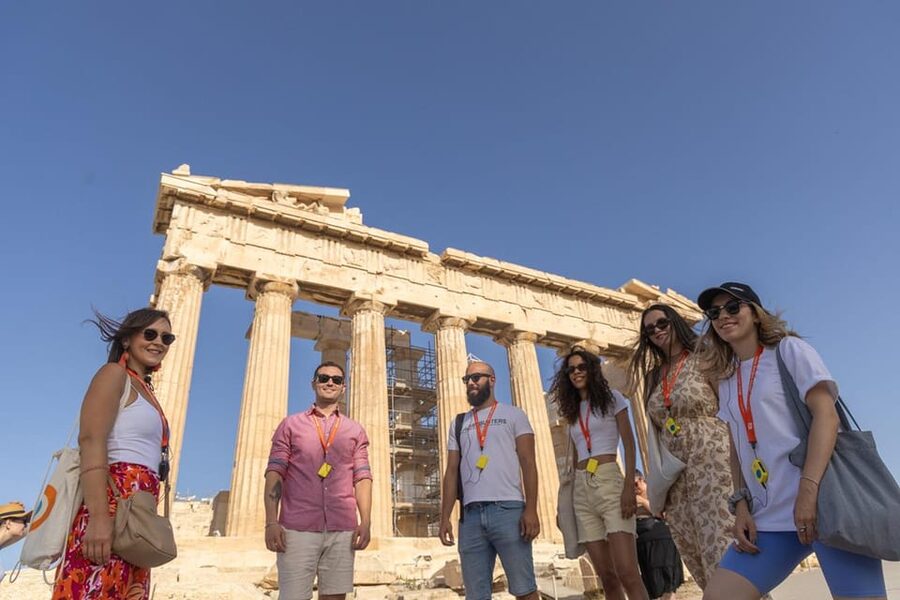
Meet at 3 Dionysiou Areopagitou Street, in front of the Lukumades and Pilino stores. The meeting point is at the beginning of the pedestrian walkway running from Hadrian’s Arch toward the Acropolis, about a three-minute walk from Acropolis Metro Station.
Look for the orange Athens Walking Tours sign. Arrive 20 minutes early. This is not a place where arriving at the last second works well, since Acropolis entry is timed and late arrivals cannot be accommodated or refunded.
The tour is conducted in English with a local, licensed guide. Group size is not fixed in the information provided, but several past participants described groups of fewer than 20 or a comfortable-sized group. That matters here. The Acropolis is crowded, and a guide who can gather everyone near a shady patch or quieter corner makes the visit easier.
More Museums in Athens
- Athens: Acropolis, Parthenon & Acropolis Museum Guided Tour
★ 4.8 · 9,316 reviews - Athens: Mythology of Delphi, Museum and Arachova Guided Tour
★ 4.6 · 4,008 reviews - Athens: Acropolis, Parthenon & Acropolis Museum Guided Tour
★ 4.8 · 3,579 reviews
The Theatre of Dionysus puts Athens in a human setting
The walking route heads toward the south slope of the Acropolis. Your first major stop is the Theatre of Dionysus, a fifth-century amphitheater tied to the birth of Western drama.
This is a useful opening because it takes the Acropolis beyond marble temples and famous photographs. Your guide can help you picture the theater filled with ancient spectators, then explain how performances fit into religious and civic life in Athens. The nearby Dionysus Sanctuary adds another layer, since it was dedicated to the god linked with wine and fertility.
You should expect to walk and listen at the same time. The route is not a flat city stroll. There are stairs, inclines, and rough stone underfoot, so sturdy footwear is more than a nice idea. On hot days, guides have been praised for choosing shady places for their explanations, but you still need water, a hat, and comfortable clothing.
The south slope and Odeon of Herodes Atticus
As you continue upward, you pass the Odeon of Herodes Atticus. The tour includes a guided walk and a view of this famous ancient performance venue, rather than a full performance visit.
This stop helps you understand that the Acropolis was not an isolated temple complex. It was part of a larger civic and religious center, surrounded by theaters, public spaces, and monuments. The guide also points out nearby places such as Mars Hill and the ancient Agora, once the center of Athenian public life.
The route takes about 10 minutes between several early stops, but the pace includes pauses for explanation. That balance is important. Past guides such as Apollon and Angeliki have been praised for telling stories without losing control of the walk, while other guides, including Alexandria, were able to add comments about archaeological repair work.
Propylaea, Athena Nike, and the climb into the citadel
The Propylaea is the monumental gateway to the Acropolis. It is one of those places that can be easy to treat as a passageway if you visit alone, but the guide gives it proper attention before leading you through.
You also see the Temple of Athena Nike, a small but important monument dedicated to Athena in her role as a bringer of victory. Its position near the entrance makes sense once the guide explains the symbolism and the way visitors approached the sacred hill.
The official route lists about 10 minutes for the Propylaea and another 10 minutes for the Erechtheion, but these times are part of a guided itinerary rather than strict promises. Crowds, security, and the group’s pace can change the schedule. Some tours have lasted closer to four hours, while others move more quickly.
A few other Athens mornings to price up
- Athens: Acropolis & up to 5 Archaeological Sites Combo Pass
★ 4.4 · 12,619 reviews - Athens: Acropolis Ticket with Optional Audio or Live Guide
★ 4.2 · 11,055 reviews - Athens: Acropolis and Parthenon Guided Walking Tour
★ 4.6 · 5,882 reviews - Athens: Acropolis Ticket with Audio Guide
★ 4.0 · 3,575 reviews
The Erechtheion and its unusual design
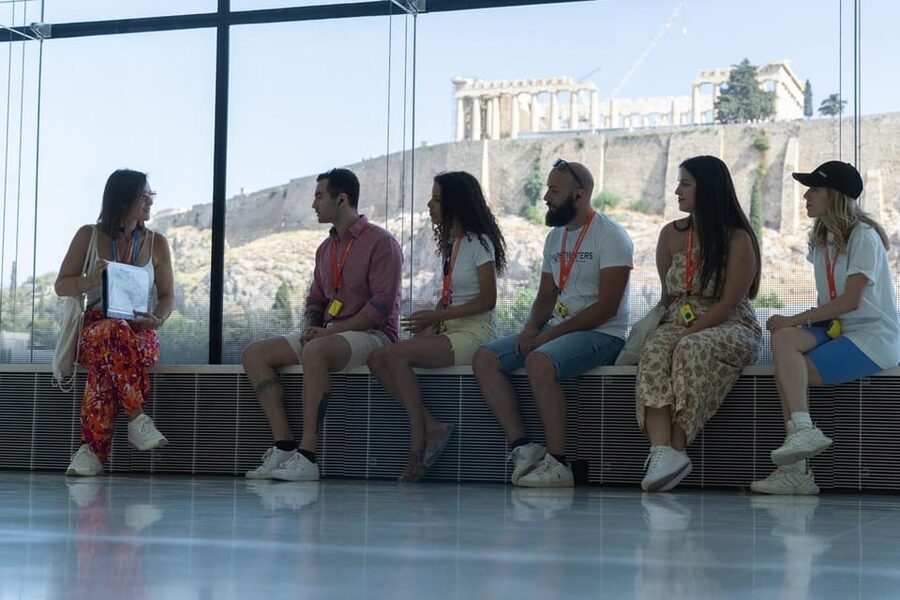
The Erechtheion is one of the most interesting stops because it does not have the simple, balanced appearance many people expect from a Greek temple. It served several religious purposes and has an uneven design shaped by the sacred places it contained.
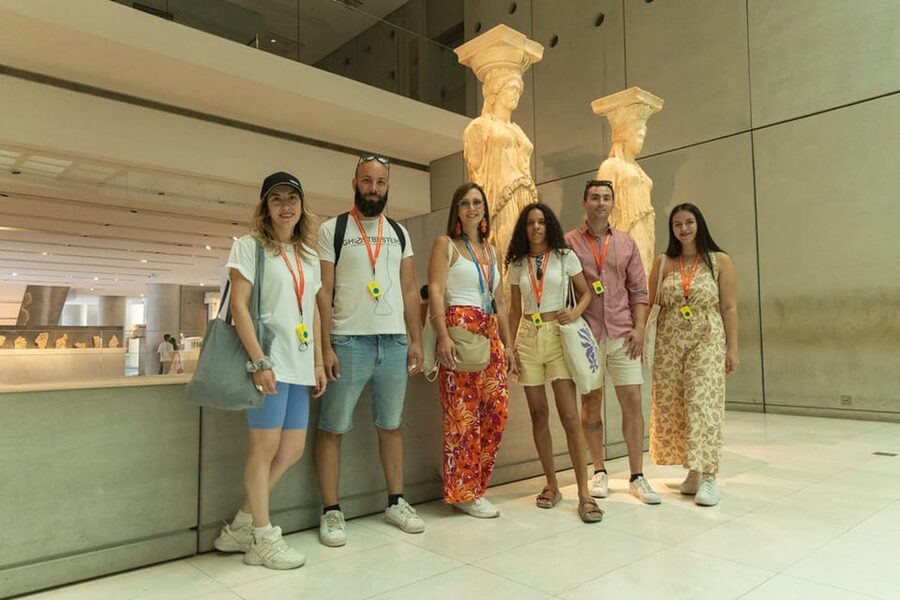
The famous Caryatid figures draw the eye, though the museum visit later helps you understand the preservation issues and the difference between what remains on the hill and what is protected indoors. This is one reason I prefer taking the Acropolis and museum together. The two visits explain each other.
Your guide may focus on mythology, architecture, politics, or daily life. The strongest guide accounts describe a mix of all four. That range keeps the tour from becoming a string of dates and names. It also gives you a better sense of how the Acropolis worked as a place of worship and as a symbol of Athenian power.
The Parthenon, Athens’ great visual reward
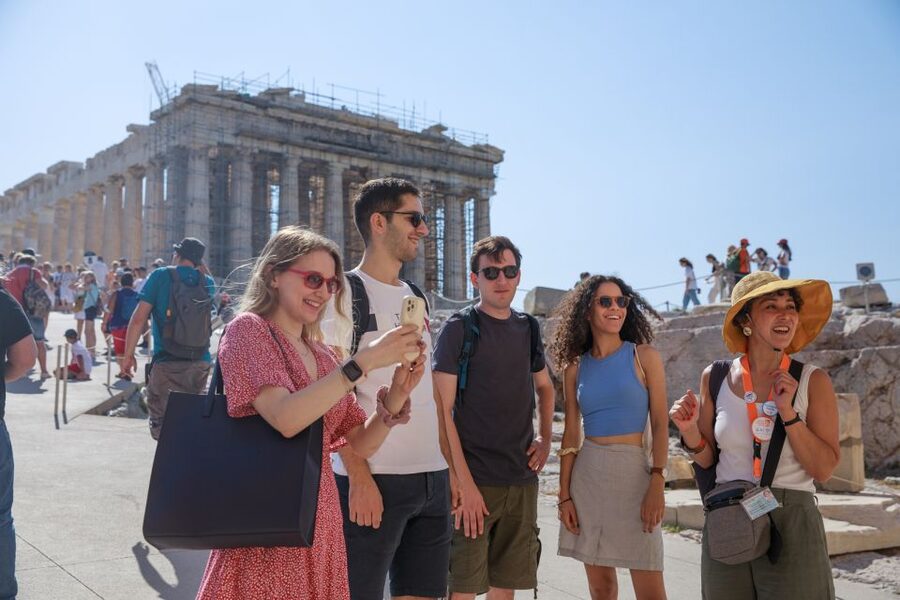
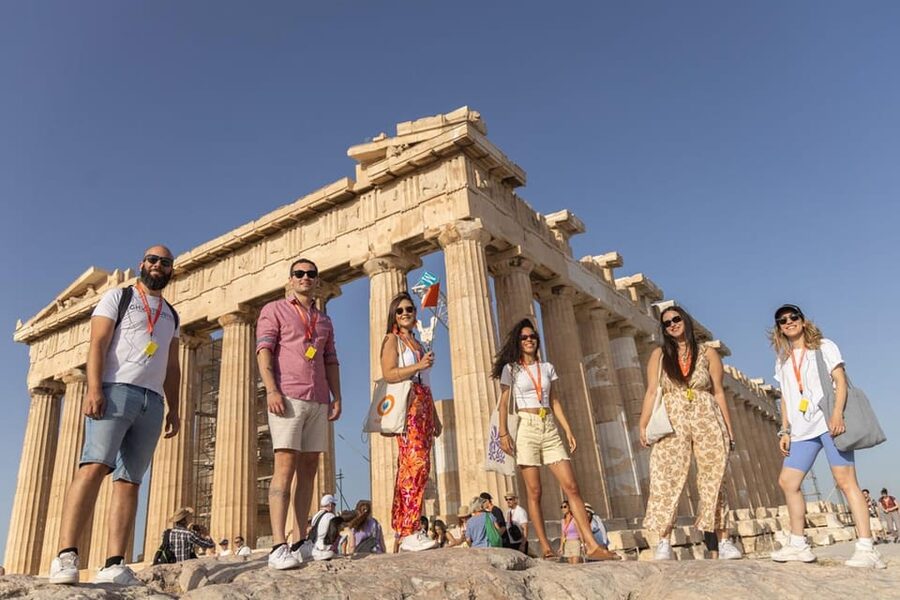
The Parthenon receives the longest single stop in the itinerary, about 20 minutes, followed by a 15-minute break and photo stop near the summit.
You do not simply walk around the building and leave. The guide explains the temple’s place within the Acropolis, points out architectural details, and puts the surviving ruins into context. The structure is partly restored, and active archaeological and conservation work is visible in the wider complex. You will not see the ancient building in its original complete form, but the hill still makes the scale and ambition of the project clear.
The summit gives you broad views across Athens. From here, the guide discusses Mars Hill, the Odeon of Herodes Atticus, the ancient Agora, and other nearby monuments. This is a good point to pause and connect the hilltop sanctuary with the city below.
Crowds are the chief challenge. Even a 9:30 a.m. Monday visit during shoulder season can be very busy, and peak-season security lines may take 30 minutes or more. Skip-the-ticket-line access helps with ticket purchasing, but it does not let you bypass airport-style security or site controls.
What the museum adds after the hill

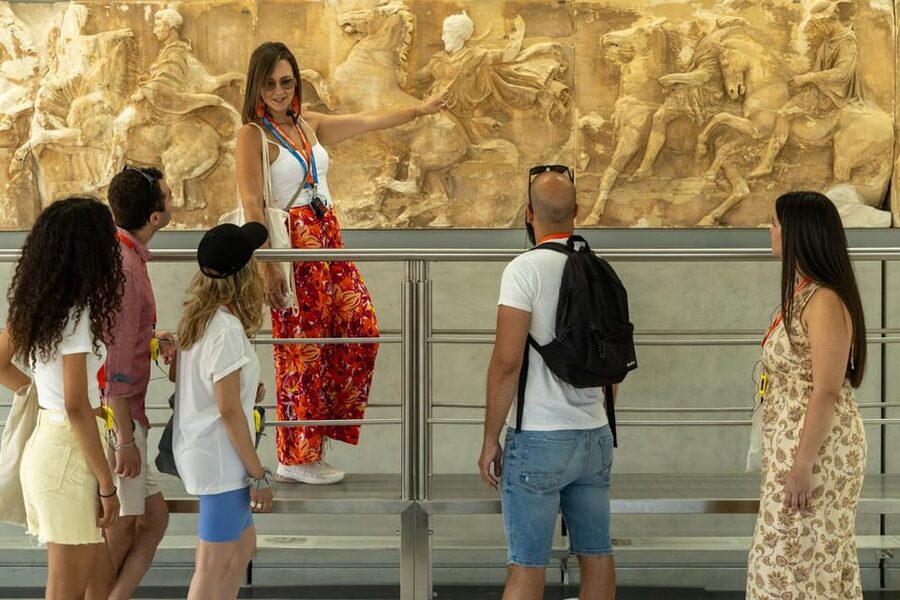
The Acropolis Museum is the second half of the tour, with about 90 minutes of guided time. It is not simply an indoor backup for bad weather. The galleries contain statues, relics, and architectural pieces that make the Acropolis easier to read.
The Gallery of the Slopes is especially useful. Glass floors reveal archaeological excavations beneath the museum, giving you a direct view of the layers below the modern building. This makes the museum feel connected to the site rather than separate from it.
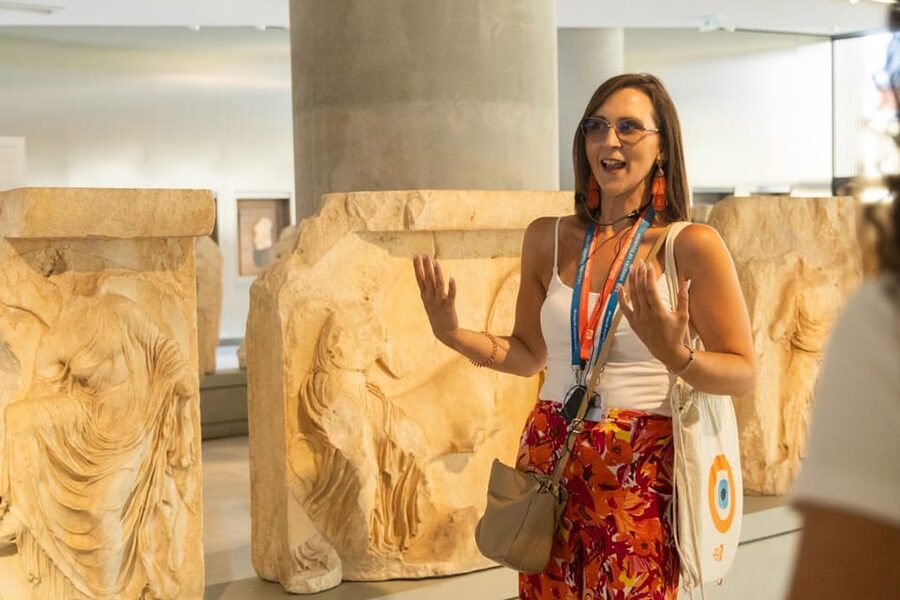
Inside, your guide leads you through selected highlights rather than attempting every object. That is a sensible approach. A museum this important can become exhausting when you try to see everything, and a good guide helps you focus on the pieces that explain the temples and their decoration.
Guides such as Maria, Sissy, and Thanassis have been praised for making the museum more than a quick walk-through. Maria was described as giving strong explanations at both the Acropolis and museum, while other guides have used mythology, politics, theater, and philosophy to make the material easier to remember.
The museum portion can feel like a lot after two hours outside. One past participant considered the combined visit too long, even while recommending both places separately. If you want a relaxed museum visit with plenty of time for every gallery, this tour may leave you wanting more. You finish inside the museum, however, so you can remain and continue exploring if your energy holds up.
Is the $55 price good value?
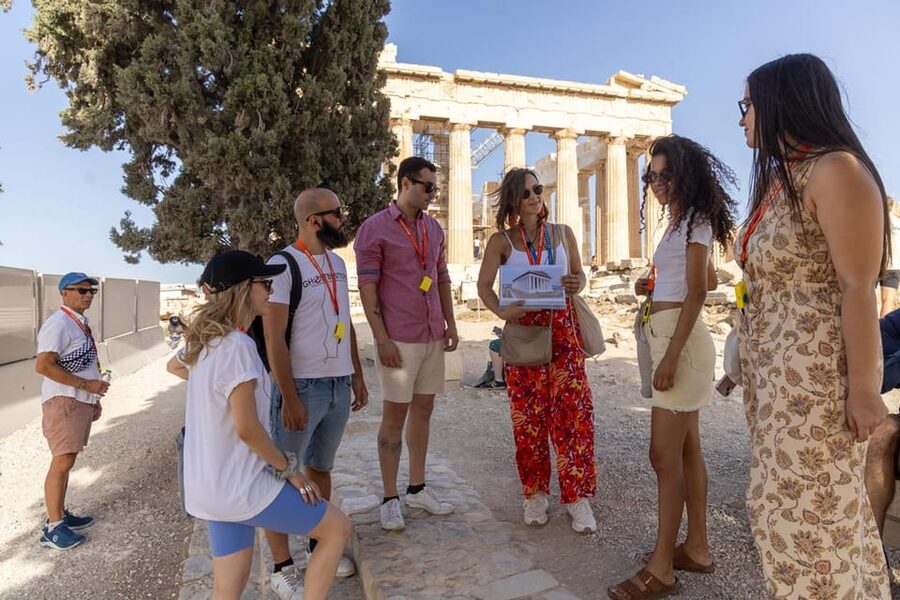
At $55 per person, the value depends on what you want from Athens. The fee includes a licensed guide, the two-hour Acropolis tour, the 90-minute museum tour, an Athens map, and an Athens Guide magazine when the ticket-included option is selected.
You can visit the Acropolis independently for less in some situations, but then you must handle timed entry, site orientation, and the meaning behind what you see. The guide is the main reason to pay more. Past guides have been praised for turning confusing ruins into understandable stories, pointing out details that are easy to miss, and keeping groups moving through crowds.
Check the booking choice carefully. With Tickets includes the entrance tickets and requires no extra action. Without Tickets means you receive a link after booking to buy the Acropolis and museum tickets yourself. If you choose the second option, the entry time must match the tour start time exactly.
The ticket rules are strict. If you qualify for free or reduced admission, bring official documents or valid identification showing your age and nationality. A child’s passport may be required, and one past family avoided trouble because passport images were available on a phone. The safest choice is to carry the required original identification.
Timing, clothing, and practical limits
The tour runs rain or shine. Comfortable shoes are essential, and large bags, luggage, baby strollers, and pets are not allowed. The museum may require a backpack to be checked, so bring a small bag if possible.
Early departures are worth considering. An 8:30 start was described as a good way to reach the Acropolis before the strongest heat and heaviest crowds, though no starting time guarantees an empty site. Morning is also easier for photographs and for listening while you still have energy.
There is no hotel pickup or drop-off, and food and drinks are not included. Plan to eat before or after the tour rather than expecting a refreshment break. The finish is at 11 Chatzichristou Street, near the Acropolis Museum, so you are left in a useful area for continuing your Athens sightseeing.
This is not suitable for wheelchair users or people with mobility impairments. Uneven stones, stairs, and inclines are part of the route, and the hill can be hard on anyone who struggles with balance or prolonged walking.
Who will get the most from this visit?
I would choose this tour for a first visit to Athens, especially if the Acropolis feels too important to tackle without context. It also suits families and small groups who want a clear route, timed entry support, and explanations that work for different ages.
It is a strong choice for anyone interested in architecture, mythology, theater, politics, or archaeology. Several guides have been praised for answering questions and adjusting the pace, and some made a point of finding shade during hot weather.
I would hesitate if you dislike group schedules or want to linger over every museum display. You may also prefer separate visits if you need a long rest after the Acropolis. The combined format is efficient, but it asks you to keep walking and listening for most of the morning.
Should you book the Acropolis and museum tour?
Book it if you want the main Acropolis monuments, a licensed English-speaking guide, and a museum visit that explains what you saw on the hill. The strongest value comes from the storytelling, not simply from skipping the ticket counter.
Choose an early departure, wear shoes with a firm grip, arrive 20 minutes ahead, and bring identification for every person who may need reduced or child admission. If you plan to explore the museum slowly or have limited stamina, consider a shorter Acropolis-only visit instead. For most first-time visitors who can manage the walking, this is a well-organized way to make sense of Athens’ central ancient sights.
FAQ
How long does the tour last?
The advertised duration is 3.5 hours. It includes about two hours at the Acropolis and 1.5 hours at the Acropolis Museum, though some past tours have lasted closer to four hours.
What language is the tour conducted in?
The live guided tour is conducted in English.
Where is the meeting point?
Meet at 3 Dionysiou Areopagitou Street, in front of the Lukumades and Pilino stores. It is near the start of the pedestrian walkway from Hadrian’s Arch toward the Acropolis.
How early should I arrive?
Arrive 20 minutes before the scheduled departure time. Acropolis entry is timed, and late arrivals cannot be accommodated or refunded.
Are entrance tickets included?
Tickets are included only if you select the With Tickets option. With the Without Tickets option, you receive an email link after booking to purchase the Acropolis and museum tickets.
Does skip-the-ticket-line access remove all waiting?
No. Security checks are still required. Waiting can be from zero to 10 or 30 minutes, and peak-season security lines may take longer than 30 minutes.
What should I bring?
Bring comfortable shoes and comfortable clothing. A hat and water are also sensible for the exposed Acropolis route, based on the walking conditions described for the visit.
Are large bags or strollers allowed?
No. Luggage, large bags, baby strollers, and pets are not allowed. Backpacks may need to be checked at the museum.
Is the tour suitable for wheelchair users?
No. The tour is not suitable for wheelchair users or people with mobility impairments because it includes stairs, inclines, uneven surfaces, and slippery rocks.
Where does the tour finish?
The guided tour finishes at 11 Chatzichristou Street in Athens, inside the Acropolis Museum. You may remain in the museum to continue exploring after the guided portion.
Fresh on the Athens list
- Athens Airport Arrival Transfer to Hotels or Addresses in Athens★ 3.5 · 45 reviews
- Private Luxury Tour: Unveiling the Sacred Mysteries of Eleusis★ 5.0 · 45 reviews
- Luxury Catamaran Sunset Semi-Private & Greek Gastronomy in Athens★ 5.0 · 45 reviews
- From Athens: Aegina Island guided tour in a day★ 5.0 · 45 reviews
- Delphi, Thermopylae full day private tour from Athens★ 4.9 · 46 reviews
- From Athens: City & Corinth Guided Day Tour★ 4.8 · 46 reviews
- Acropolis Private Wine Tasting @ Finewine store★ 5.0 · 46 reviews
- Ancient Corinth Half-Day Private Tour from Athens★ 5.0 · 46 reviews
Acropolis & Acropolis Museum Tours, compared.

Acropolis & up to 5 Archaeological Sites Combo Pass
Read our review →

Acropolis, Parthenon & Acropolis Museum Guided Tour
Read our review →
Acropolis, Parthenon & Acropolis Museum Guided Tour
Read our review →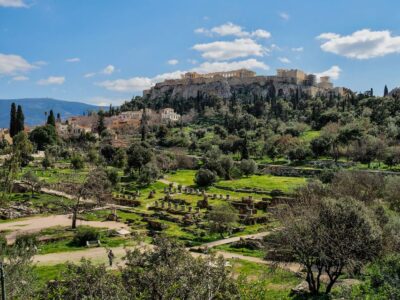

Acropolis monuments & Parthenon Walking Tour with Optional Acropolis Museum
Read our review →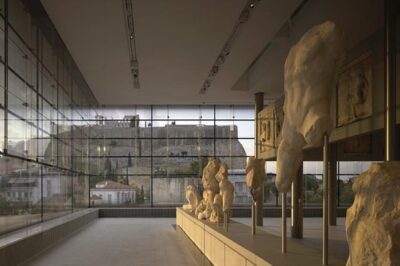
Athens All Included: Acropolis and Museum Guided Tour with Ticket
Read our review →Browse the lists this tour appears in