
Reviewed · MILOS TOURS
Milos Island: Kostantakis Winery Wine Tasting Experience
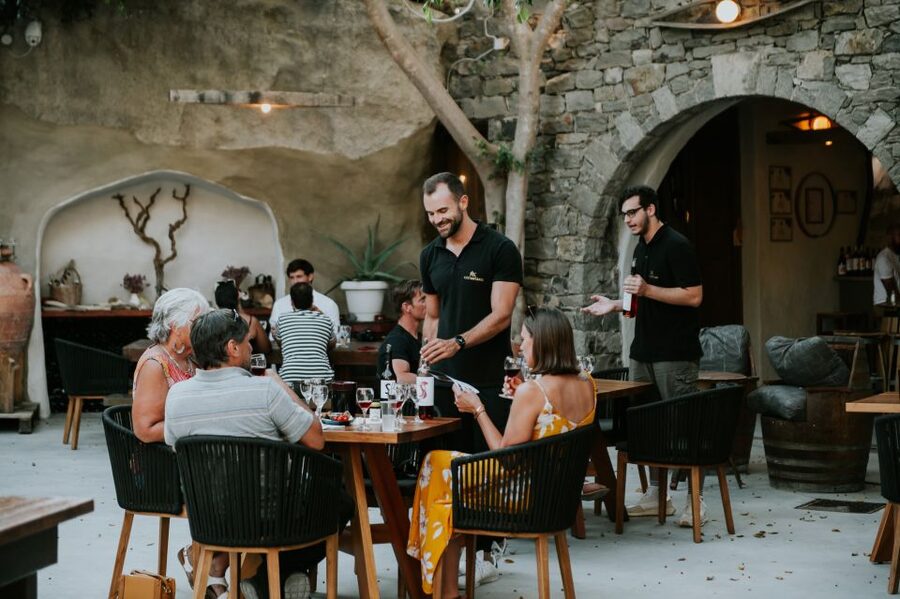
Milos has only one winery, and Kostantakis feels more like a working family home than a polished wine theme park. You’ll hear how a grandfather’s hobby grew into a small business, walk among indigenous grape varieties, and enter the island’s unusual cave cellar. Petros, George, Sofia, Jason, and Kate have all led tours, depending on the day.
I like the generous tasting, with seven wines, one grape distillation, and a snack plate of cheese, olives, bread, and local products. I also like the small groups, capped at eight, which give you time to ask questions. The main caution is the heat: on very hot days, the vineyard walk may be shortened or skipped, and the winery is not suited to children under 18.
Key points at a glance
- Milos’s only winery: Kostantakis is a small, family-run estate with more than 50 years of winemaking in the family.
- A real cave cellar: The natural cave is used to store wine and gives the visit its most unusual setting.
- Seven wines and one distillation: The tasting is generous, with local cheese, olives, bread, and other island snacks.
- Indigenous grapes only: You’ll learn how the family works with grape varieties suited to Milos’s dry, windy climate.
- An easy Pollonia stop: The winery is about five to seven minutes on foot from the village bus station.
- Small and personal: Groups are limited to eight, with English and Greek guides and time for questions.
Why Kostantakis is different from a mainland wine tour
Kostantakis Winery offers something you cannot get from a standard tasting room: a close look at wine made on a volcanic Cycladic island, in small quantities, by one family. You are not visiting a large estate with rows of guest facilities and a long commercial production line. You are seeing a modest operation where family memory, local grapes, and practical island farming all matter.
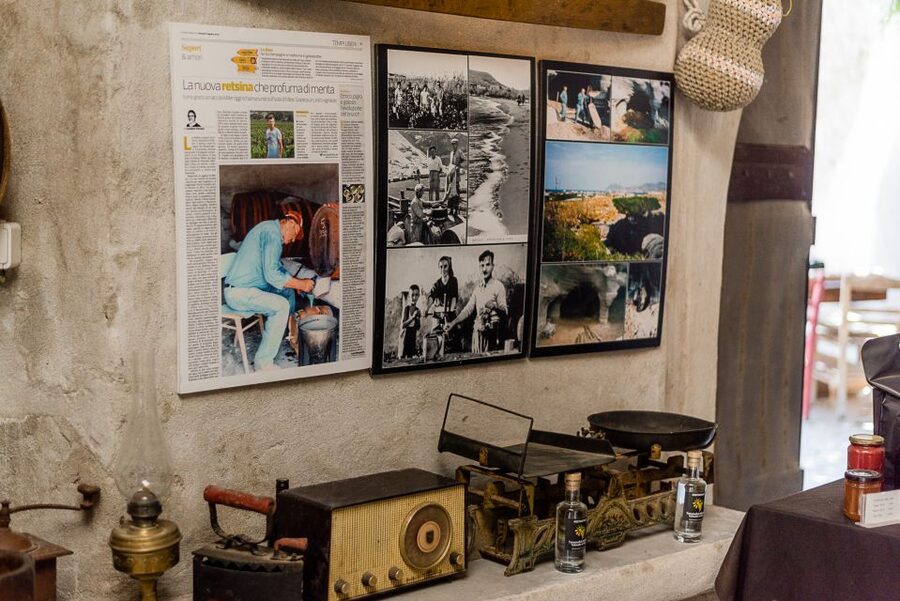
The family has been making wine for more than 50 years. The story begins with the grandfather, whose home winemaking hobby eventually became the foundation of the winery. His son and grandson continued the work, and the family still plays a central role in explaining the property and serving the wine.
I find that family connection important because it changes the tone of the visit. The history is not delivered as a memorized speech about a famous brand. Petros, the owner’s son, and Petros’s son have grown up around the vineyard and can explain how the work developed over time. Guides such as Sofia, George, Kate, and Jason also bring their own styles, from detailed wine explanations to a more relaxed conversation.
This is best for you if you want a local experience tied to Milos itself. It is less suited to anyone expecting a large choice of international labels, formal vineyard architecture, or a long gourmet meal.
More wine tastings around Milos:
- Kostantakis Winery – Milos Island Tour & Wine Tasting Experience
★ 5.0 · 55 reviews - Santorini Wine Adventure with 12 Wine Tastings, Tapas and Sunset
★ 5.0 · 1,715 reviews - Tour and Wine Tasting in Mykonian Land
★ 5.0 · 1,357 reviews
Reaching the winery from Pollonia
Kostantakis Winery is in Pollonia, on the eastern side of Milos. You can reach it by car or taxi, and road signs point the way. If you are staying in Pollonia, the walk from the village bus station takes about five to seven minutes.
That easy access makes the tasting simple to fit into a day by the sea. You can visit before dinner in Pollonia, or use it as a quieter break from the island’s beaches and boat excursions. Hotel transfers are not included, so you need to arrange your own taxi if you are staying elsewhere.
One practical point matters here: taxi costs can add up. A couple visiting from a cruise ship reported paying 35 euros each way between the port and the winery. That does not make the winery responsible for the fare, but it can change the total cost of the outing. If you are coming from Adamas, ask your hotel to arrange a return taxi rather than assuming one will be waiting.
The winery is also wheelchair accessible. Still, you should confirm the exact route and any specific needs when booking, since the experience includes outdoor areas and a cave.
The 40-minute tour: vineyard, equipment, and island conditions
The guided portion lasts about 40 minutes. It begins with an introduction to the estate and the Kostantakis family, followed by a look at the vineyard and the winemaking facilities.
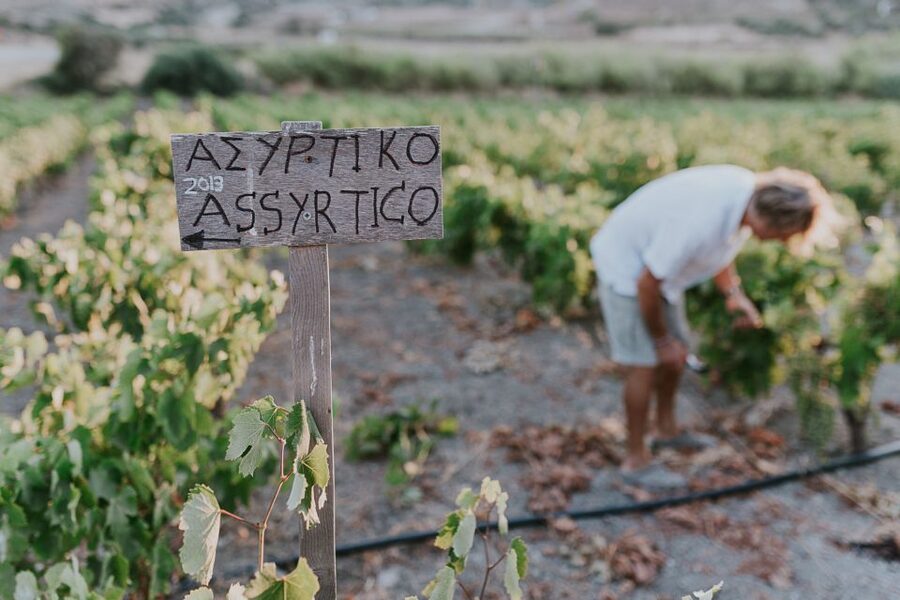
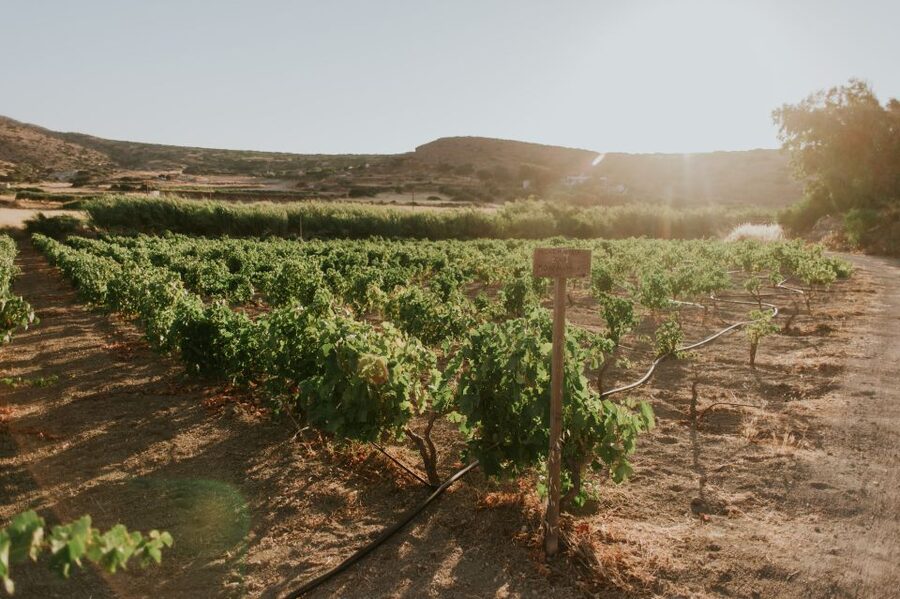
The vineyard is small, but that is part of the lesson. Milos is not an easy wine-growing area. The island has a particular climate, and grape growing means dealing with heat, wind, limited water, and small production. The family works only with indigenous grape varieties, so the tour connects what you see in the vines with the character of the island.
You’ll hear about how grapes are grown in this setting and how the family pairs or handles different grape types in its wines. If you are used to major wine regions, the scale may surprise you. Some people want miles of vines and several production buildings. Here, the value is in seeing how a small island winery adapts to its conditions.
The family also shows traditional machines and facilities used in production. This is not a tour built around high-tech equipment. Instead, you get a sense of the tools and methods behind a limited local output. Guides explain the process from the grapes through storage, and they take questions about the wines and the different methods used.
The vineyard walk is weather-dependent. In July, one visitor found the heat too intense for a full walk, with temperatures around 35 degrees Celsius. On a hot afternoon, expect the staff to keep much of the talk in a shaded or cooler area rather than push you through exposed rows of vines. That is sensible, though it means your experience can be more winery history than vineyard visit.
Bring water, wear light clothing, and consider booking a later time if you want a more comfortable outdoor visit. One rainy tasting became especially cozy indoors, so poor weather does not automatically ruin the experience.
The cave cellar is the memorable stop
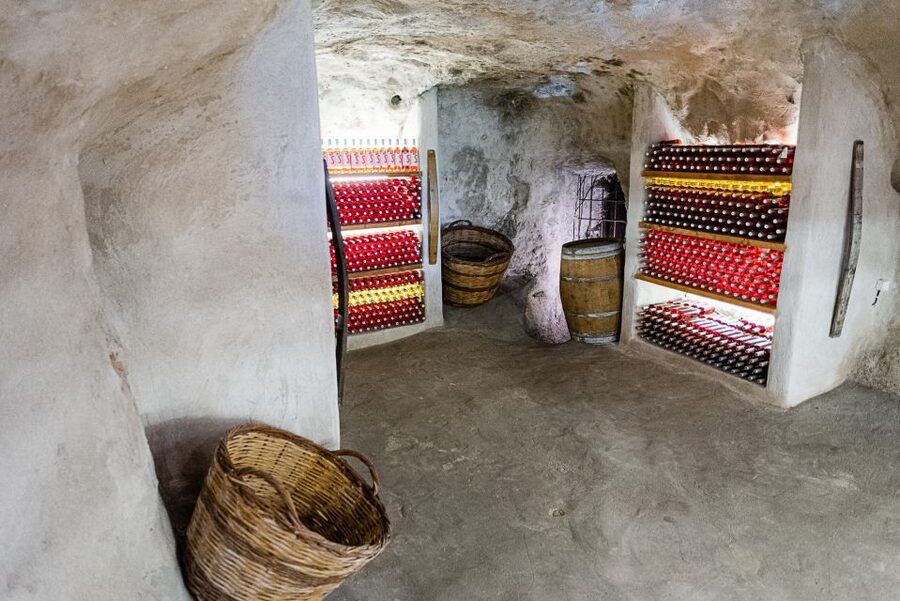
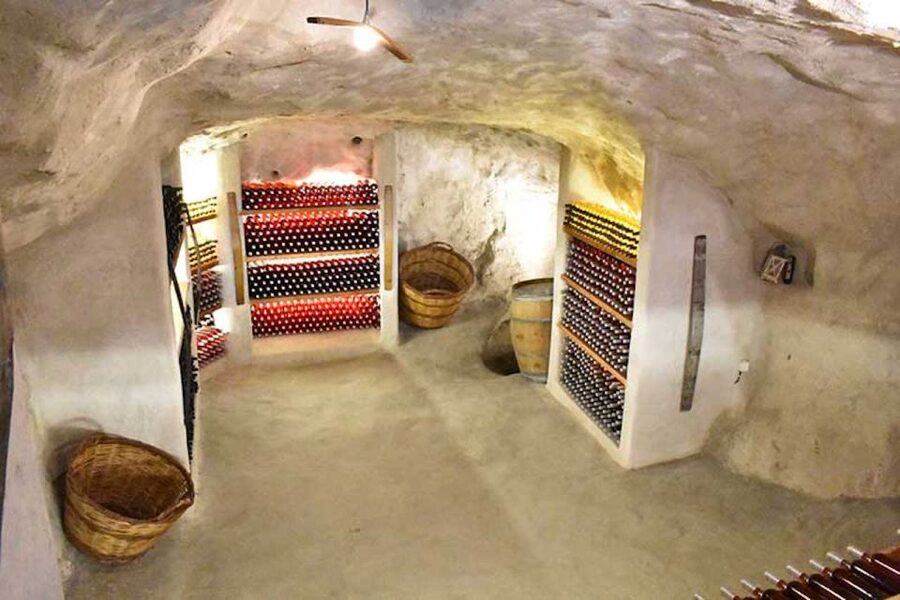
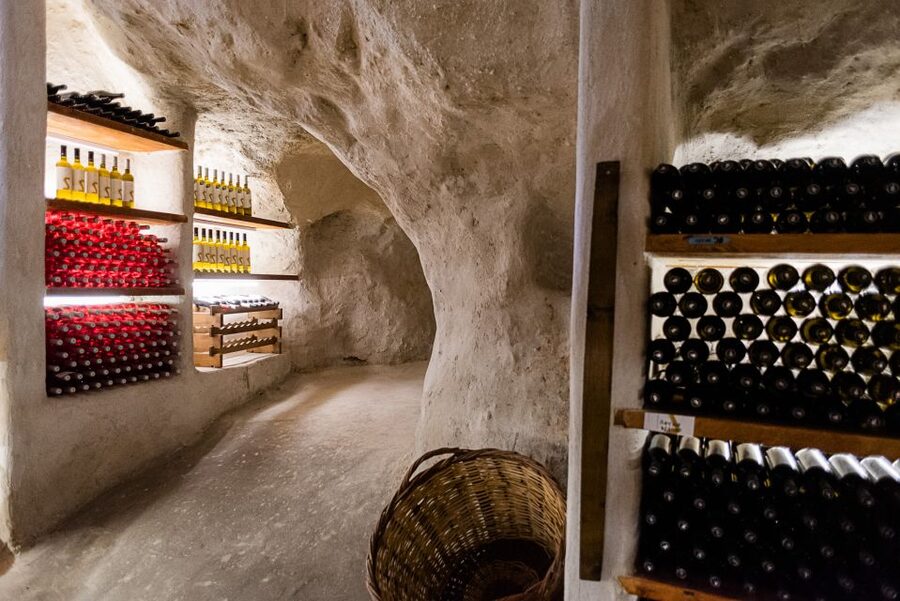
The natural cave is the most distinctive part of the property. It serves as a cellar where the wine is stored, and entering it gives you a clear sense of how the estate uses the island’s natural features.
You should not expect a vast underground network. This is a family winery, not a historic palace with miles of tunnels. The cave is special because it is practical, local, and unusual. Many wine tours show you stainless steel tanks and polished tasting rooms. Kostantakis also shows you a space shaped by the island itself.
The cave helps explain why storage conditions matter. It offers a different environment from the hot outdoor air, and the guide connects it to the traditional process used by the family. For many people, this is the part that makes the experience feel specific to Milos rather than interchangeable with a tasting anywhere in Greece.
If you dislike enclosed spaces, ask the guide what the cave visit involves before entering. The supplied information confirms that the cave is part of the tour, but it does not give details about its size or length.
A few other Milos mornings to price up
- Greek Food Walking Tour in Athens
★ 5.0 · 4,740 reviews - Athens: Street Food Tasting Tour
★ 4.9 · 2,557 reviews - Small Group Greek Traditional Food Tour in Athens 20+ Tastings
★ 5.0 · 1,759 reviews - Santorini Wine Stories: Sunset Tour with Tasting & Dinner
★ 5.0 · 1,285 reviews
Eight pours with cheese, olives, and island snacks
After the tour, you taste eight products in total: seven wines and one grape distillation. The tasting is more generous than a token sip. Several people described pours of roughly 80 to 100 milliliters for the wines, though the exact serving may vary.
That is a substantial amount, especially when you are tasting seven wines. You can dump anything you do not want to finish, so you do not have to drink every pour. This is useful if you want to focus on aroma and flavor rather than alcohol, or if you have a taxi, a drive, or a long walk afterward.
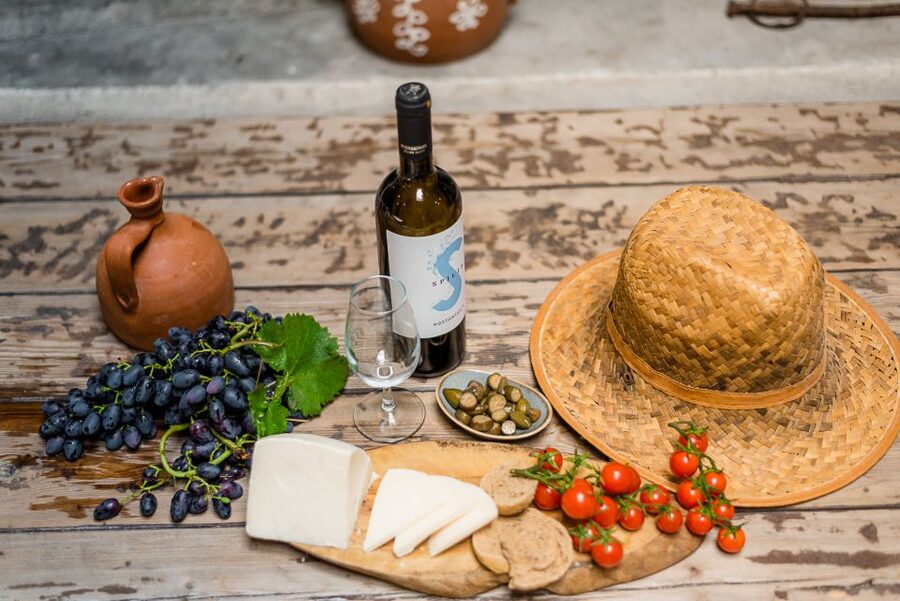
The wines are served with a snack plate. Expect local cheese, olives, bread, sundried tomato dip, and other island products. The food is not a full lunch, despite one booking being paired with a later meal elsewhere, so arrive ready for a tasting snack rather than dinner.
The food matters because it changes how the wines taste. Several wines may seem sharp or light when tasted alone, then feel rounder with cheese, bread, or olives. I like that the pairing stays simple and local. It gives you a chance to see how the wines work with everyday Greek flavors without turning the visit into an expensive restaurant production.
The tasting includes local wines and a grape-based distillation. You will not just sample one white and one red before being sent on your way. The range lets you compare styles and see how the family uses its grape varieties. The guides explain the wines and answer questions, though the exact wines served can vary with the winery’s current stock.
Production is limited, and that has a practical consequence. Some wine may not be available outside Milos, and the winery has sometimes been unable to ship bottles because island demand is high and supplies are limited. If you find a bottle you like, ask about buying it during your visit, but do not assume every label can be shipped or exported.
The guides make the small group work
The group limit is eight people. That is a good size for a family winery. You can hear the guide, ask about the winemaking process, and get individual help during the tasting without turning the visit into a crowded lecture.
The guide may be a member of the Kostantakis family or a staff member. Petros is the owner’s son and has led tours focused on the family story. George has been praised for keeping the explanation clear and making sure everyone stays involved. Sofia has led detailed history talks and wine tastings, while Kate has studied wine and explained the bottles in depth. Jason has also guided tastings.
The names are useful because the experience can vary slightly with the person leading it. A family member may offer more personal stories about the grandfather and the estate. A wine-focused guide may spend more time on grape types, production, and tasting notes. Either way, English and Greek are available.
The small setting also makes this a pleasant option for couples and friends. If you are traveling alone, you may enjoy meeting the other seven or fewer participants, but the social side is less predictable than it is for a couple or group. The tasting itself gives you conversation points, so solo visitors are not shut out, but the experience is built around shared sampling.
Cats may also appear around the property. They are not part of the formal program, but several visitors enjoyed the winery cats, including an orange and white cat called Moo Shu. If you like animals, consider them a bonus rather than a promised feature.
Is $68 a fair price?
At $68 per person, this is not the cheapest drink stop on Milos. The value depends on how you measure a wine experience.
You receive a guided vineyard and winery tour, entry to the cave cellar, seven wine tastings, one grape distillation, and a snack plate. The tasting portions are reported as generous, and the group is limited to eight. Add the family story and the fact that the wines are made locally in small quantities, and the price is reasonable for a focused two-hour experience.
It is especially good value if you enjoy wine and would otherwise spend money on several drinks and snacks in Pollonia. It is less compelling if you only want a quick glass of wine, do not drink alcohol, or are looking for a full meal.
Transport can alter the calculation. A short walk from Pollonia costs little, but a taxi from another part of Milos, or from a cruise port, may add a noticeable amount. If you are already planning to eat in Pollonia, the winery fits well into the evening and avoids making the outing feel like a single expensive transfer.
The booking terms also give you flexibility. You can cancel up to 24 hours in advance for a full refund, and you can reserve now and pay later. Starting times vary, so check availability for your date.
Who should book this Milos tasting?
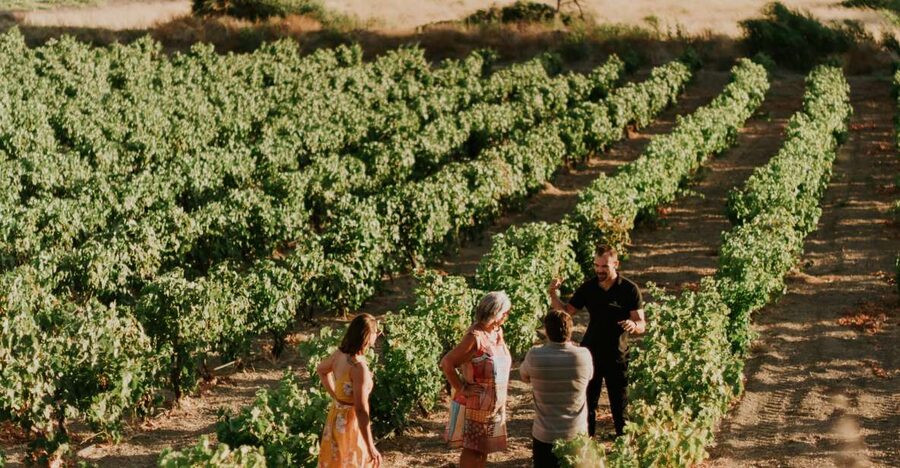
I would choose this for wine drinkers who care about place. The wines are connected to Milos, the grapes are indigenous, and the cellar is a real feature of the estate rather than a decorative photo stop.
It also suits anyone tired of commercial wine tourism. The property is small, the production is limited, and the story is centered on a family that has made wine for generations. You will not get a huge estate or a long formal tour, but you will get direct contact with a local business and a clear look at how island wine is made.
Couples, small groups, and curious food-and-drink fans are the best match. It can also work for people who know little about wine, since the guides explain the process without requiring technical knowledge.
I would skip it if you are under 18, traveling with young children, or unwilling to spend two hours tasting alcohol. Children may observe the tasting but are not offered alcoholic drinks, and the activity is listed as unsuitable for children under 18.
Book or pass?
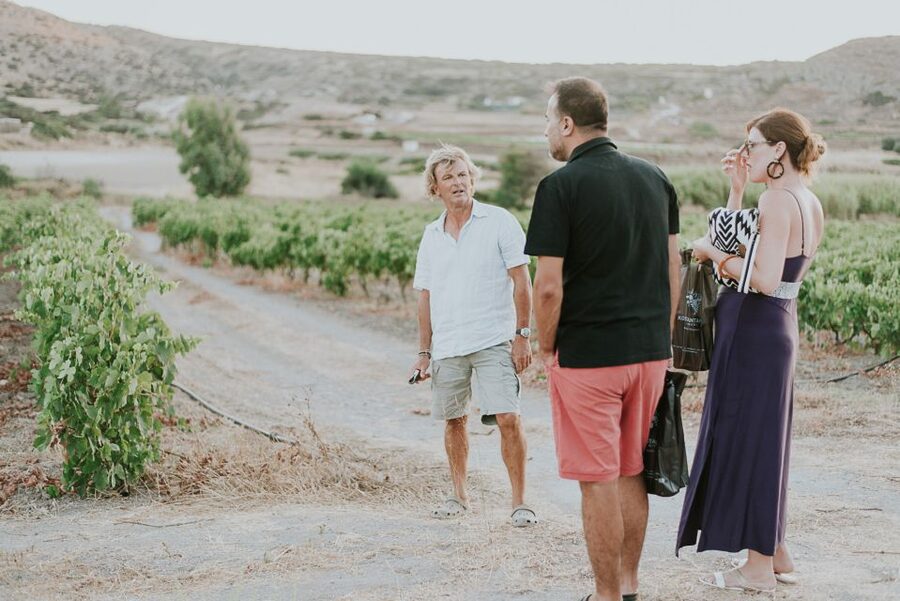
Book Kostantakis if you want a personal Milos story served with local wine, not a grand winery show. The cave cellar, indigenous grapes, family history, generous pours, and snack plate give the experience enough substance to justify its price.
Before booking, think about the heat and the transport. Stay in Pollonia or plan a taxi, carry water, and do not expect the vineyard walk to be long on a blazing day. If you enjoy wine and have room in your Milos schedule, this is one of the island’s more distinctive two-hour outings.
FAQ
Where is Kostantakis Winery?
The winery is in Pollonia on Milos Island. It is about five to seven minutes on foot from the village bus station, and you can also reach it by car or taxi.
How long does the experience last?
The experience lasts about two hours. The guided winery tour takes about 40 minutes, followed by roughly 100 minutes of wine tasting.
How many wines are included?
You taste seven wines and one grape distillation, for eight pours in total. The tasting is served with a snack plate.
What food is served with the wine?
The snack plate includes local cheese and other island products. Specific items mentioned include olives, bread, and sundried tomato dip.
Is transportation from my hotel included?
No. Hotel transfer is not included. You need to reach the winery by car, taxi, or on foot from Pollonia.
Can children join the tasting?
The activity is listed as unsuitable for children under 18. Children who are present may observe, but they are not offered alcoholic beverages.
Fresh on the Milos list
- Three Greek Islands Full-Day Private Luxury Boat Tour★ 5.0 · 48 reviews
- Kostantakis Winery – Milos Island Tour & Wine Tasting Experience★ 5.0 · 55 reviews
- Morning Group Sea Experience to Polyaigos★ 5.0 · 55 reviews
- Milos: Guided Kayaking Trip with Snorkelling & Lunch★ 5.0 · 64 reviews
- Milos Half-day Tour to Kleftiko★ 4.5 · 73 reviews
- Half-Day Private Romantic Sailing Getaway to Kleftiko★ 5.0 · 81 reviews
- Catamaran Full Day Cruise: Poliegos – Kleftiko★ 5.0 · 90 reviews
- Full day sailing cruise on the West side of Milos island★ 5.0 · 136 reviews
Milos Tours, compared.
Milos Small-Group Full-Day Cruise with Snorkelling and Lunch
Read our review →
Best of Milos and Poliegos Catamaran snorkelling Cruise with BBQ
Read our review →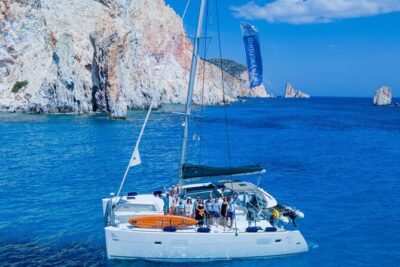
Full-Day Small-Group Cruise in Milos & Poliegos with Lunch
Read our review →
Milos and Polyaigos Full Day Cruise with Meals and Snorkelling
Read our review →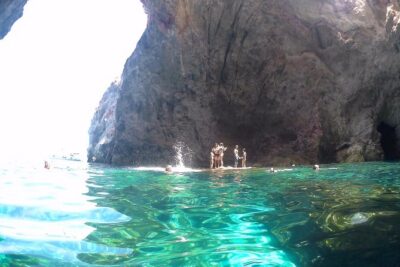
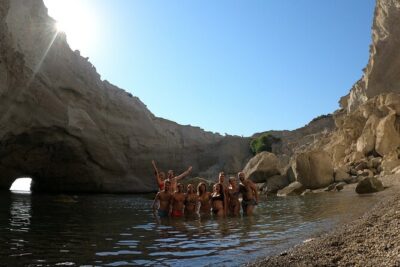
Round of Milos and Poliegos Sailing boat snorkelling cruise
Read our review →
Catamaran Full-Day of Milos and Poliegos With Lunch & BBQ
Read our review →
Half-Day Speedboat Cruise to Kleftiko with snorkeling tour
Read our review →Browse the lists this tour appears in