
Reviewed · ACROPOLIS & ACROPOLIS MUSEUM TOURS
Visit of the Acropolis with an official guide in Spanish
The best reason to choose this Acropolis tour is its Spanish-only guiding. In about two hours, you move from the Propylaea to the Parthenon, the Caryatids, and the theaters below with the myths, politics, engineering, and later religious history explained as you go. Guides including Efi, Ari, Simon, and Maria are praised for bringing the stones to life rather than simply naming them.
I especially like two things: the focused route through the major monuments, and the wireless audio system, which should make it easier to hear in a busy open-air site. The tour also adds useful architectural details, including the Parthenon’s optical refinements and the defensive role of the Propylaea. The main drawback is simple but important: your Acropolis admission ticket is not included, and the visit is entirely on foot over uneven ground.
Key points to know before booking
- Spanish-speaking official guide: The tour is conducted exclusively in Spanish, with guides such as Efi, Ari, Simon, and Maria.
- Major monuments in one visit: You see the Parthenon, Propylaea, Erechtheion, Odeon of Herod Atticus, Temple of Asclepius, and Theatre of Dionysus.
- About two hours: The pace is compact, making this a useful first visit or a good choice during a short stay in Athens.
- Entry ticket costs extra: You must arrange admission separately before the 8:30 am meeting time.
- Walk to the Acropolis: There are no transfers, and the group can include up to 27 people.
- Strong guide-led experience: The most praised feature is the guides’ warmth, passion, and ability to explain complex history in an easy way.
Why a Spanish guide changes the Acropolis visit
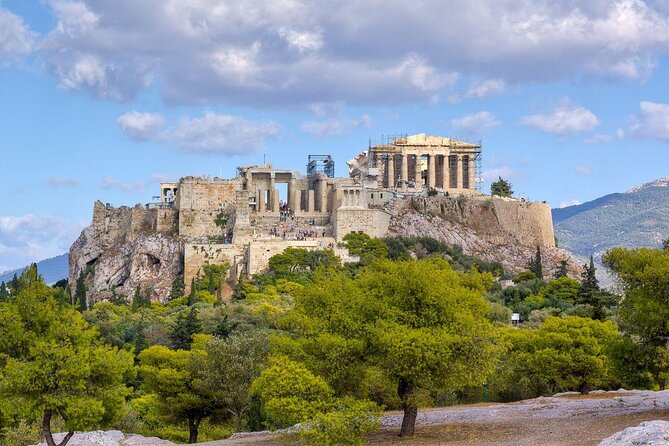
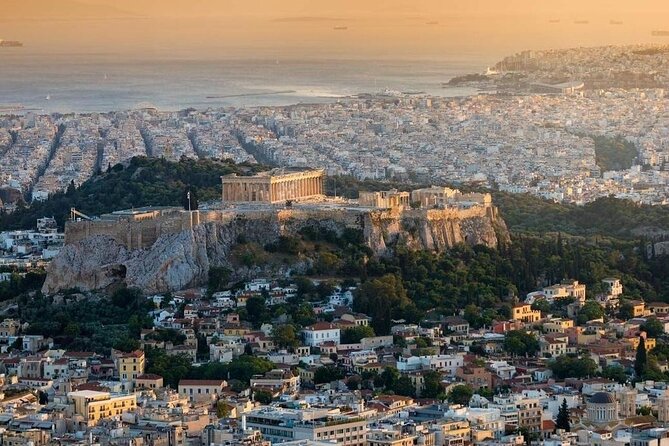
The Acropolis is easy to admire and surprisingly easy to misunderstand. You can see the Parthenon from almost every angle in central Athens, but the hill contains more than one famous temple. It is a sacred site, political symbol, military position, performance venue, healing center, and record of centuries of change.
That is where this tour earns its keep. A good guide gives you a framework before the details begin. You learn how mythology shaped the site, why Athena mattered so much to Athens, and how the buildings fitted together as part of a larger religious center.
The guiding style appears to be one of the strongest parts of the experience. Efi receives especially warm praise for asking questions, encouraging the group to imagine ancient events, and explaining mythology, history, and anthropology with real feeling. Ari, Simon, and Maria are also named as guides who made the route clear and engaging.
You should book this only if you are comfortable following the tour in Spanish. It is not a bilingual option. That focus is a plus for Spanish speakers because the explanations can flow naturally without switching languages, but it will not suit a mixed-language group unless everyone understands Spanish well.
A few other Athens mornings to price up
- Athens: Acropolis & up to 5 Archaeological Sites Combo Pass
★ 4.4 · 12,619 reviews - Athens: Acropolis Ticket with Optional Audio or Live Guide
★ 4.2 · 11,055 reviews - Athens: Acropolis, Parthenon & Acropolis Museum Guided Tour
★ 4.8 · 9,316 reviews
Meeting at 8:30 am near Dionysiou Areopagitou
The meeting point is the Greek National Tourism Organisation Information Point at Dionysiou Areopagitou 18. The tour starts at 8:30 am, a useful time for a site that can become demanding under the Athens sun.
You will meet near one of the city’s key pedestrian routes and then continue on foot. There is no hotel pickup or shuttle. That keeps the cost down, but you should arrive ready to walk from the start.
The group size can reach 27 people. That is not a private tour, and it is large enough that you may need to stay close to the guide. The wireless audio system matters here. It lets you listen while looking at the monuments instead of trying to stand shoulder to shoulder around one person.
Your confirmation arrives at booking, and the activity is listed as being near public transportation. Service animals are allowed. A moderate level of physical fitness is recommended, which is sensible for a hilltop archaeological site with stone surfaces and walking between several areas.
Buying the Acropolis ticket separately
At $44.03 per person, the price is reasonable for a specialist guided visit, but it is not the full cost of entering the monument. The admission ticket is separate, so you need to arrange that before the tour begins. The supplied details say an entry ticket is required from 8:00 to 9:00, though the wording is unclear about the closing time. Confirm the current entry instructions when you book.
This separate-ticket setup can be a benefit if you already have an eligible ticket or plan to combine Acropolis admission with another Athens visit. It can also create stress if you arrive without the required ticket. Do not treat the $44.03 price as an all-in admission price.
The value depends on how much help you want. If you are happy to read signs and move at your own pace, you can visit independently. If you want the Parthenon’s design, religious role, later use as a church and mosque, and restoration story explained in Spanish, the guide adds real substance.
You also receive the guide’s service, wireless audio equipment, and the walking route through the listed monuments. Personal expenses and transfers are not included. For a two-hour introduction, the price is most attractive for first-time visitors who want a clear explanation without committing to a longer city tour.
The Propylaea sets the tone
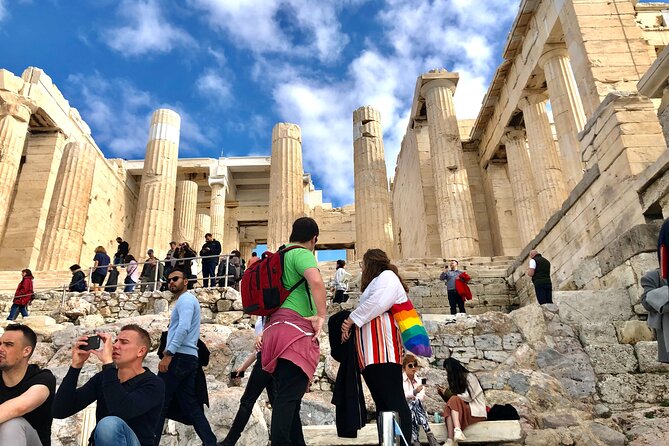
The Propylaea is the monumental gateway to the Acropolis. Built largely from marble, it was designed to make an impression before you even reached the temples.
Your guide explains more than its appearance. The gateway’s position and topography gave it a strategic role, and the route could act as a funnel during wartime. The different column types also become part of the lesson, showing that ancient builders were making deliberate choices about function, proportion, and visual effect.
This is a smart opening stop because it teaches you how to look. The Acropolis is not a random collection of ruins. Its entrances, paths, terraces, and buildings were planned to shape movement and create a sense of arrival.
The itinerary also includes the small temple dedicated to Athena Nike, described in the tour material as a monument built in honor of Athena Victorious. It commemorates Athenian victories over the Persians and the golden age that followed. It is easy to overlook beside the Parthenon, so having it pointed out is useful.
Same island, an entirely different sort of day:
- Athens: Cape Sounion & Poseidon Temple Sunset Half-Day Trip
★ 4.8 · 8,241 reviews - Athens: Acropolis and Parthenon Guided Walking Tour
★ 4.6 · 5,882 reviews - All Day Cruise -3 Islands to Agistri,Moni, Aegina with lunch and drinks included
★ 5.0 · 4,958 reviews - Athens, Piraeus, and Coastline: Blue Hop-On Hop-Off Bus
★ 3.9 · 4,849 reviews
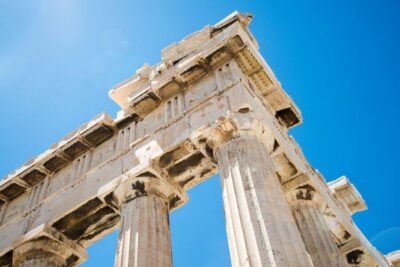
The Parthenon beyond the postcard view
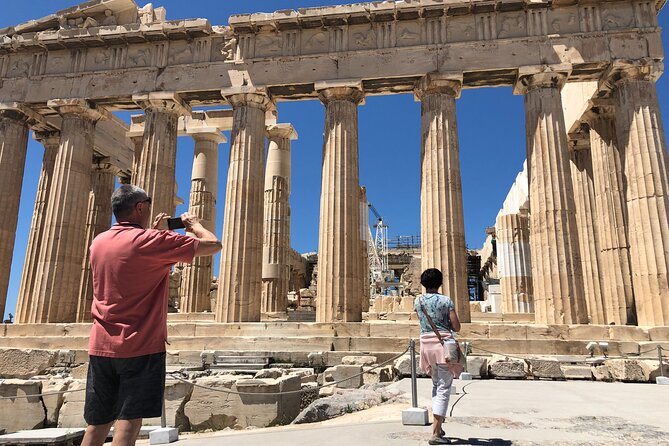
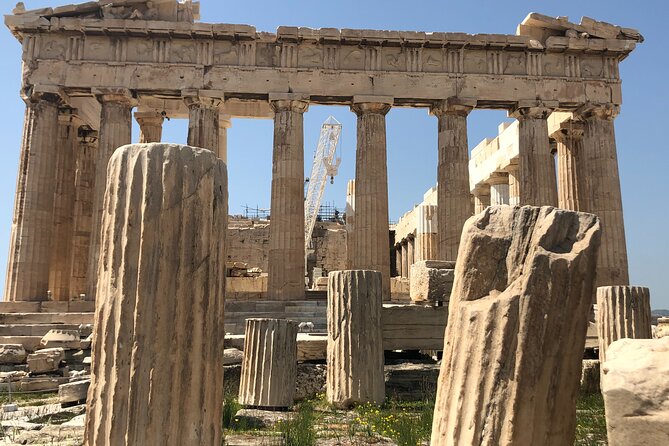
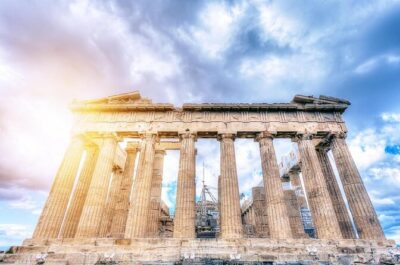
The Parthenon receives about 20 minutes of attention, though explanations may continue as the group moves around the site. It is the central stop, and rightly so. Built roughly 2,500 years ago, it is famous not just for its size but for its balance and visual precision.
The guide covers the building’s optical refinements, an especially worthwhile subject because the temple does not rely on perfectly straight, visually plain construction. You learn how its design creates an impression of harmony, along with the myths connected to the monument.
The historical timeline makes the building more understandable. The Parthenon did not remain a pagan temple forever. It later became a Byzantine church and then a mosque during the Ottoman period. Its decoration was damaged and removed over time, and restoration work continues.
I like this broad time span. Too many short Acropolis visits freeze the monument in the fifth century BC. Here, you are encouraged to see the Parthenon as a building that continued to matter, even as its religious and political meaning changed.
The drawback is that 20 minutes is not a long time for such a complicated monument. If you want a detailed study of every sculpture, restoration debate, or architectural measurement, you will need more time on your own after the tour. Think of this visit as a clear introduction, not a specialist seminar.
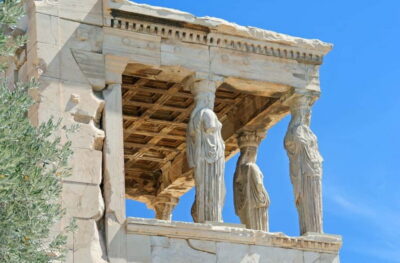
The Erechtheion and its famous Caryatids
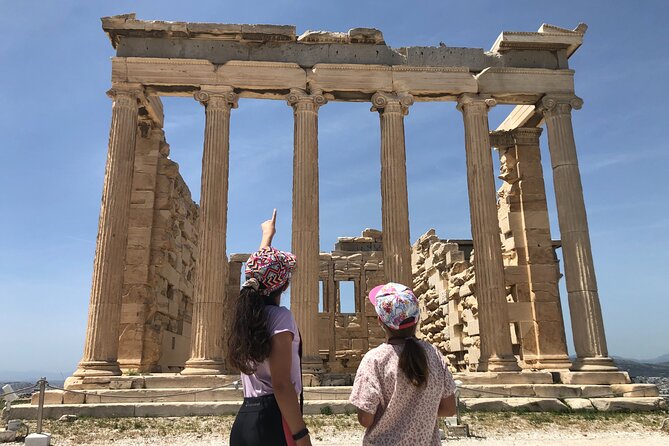
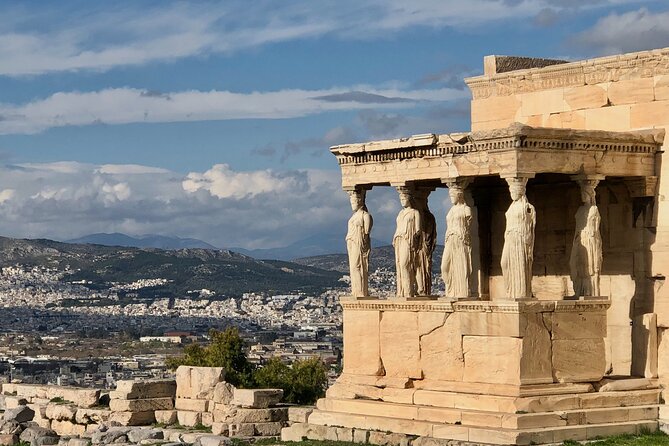
The Erechtheion is often the most photogenic building on the hill. Its Caryatids, female-shaped columns, are the feature most people remember, but the guide adds the legends and religious meaning behind the structure.
The building was dedicated to several divine and heroic figures, including Athena, Poseidon, and Erechtheus, a mythological king of Athens. That mixture makes the Erechtheion different from the more unified image many people have of the Parthenon.
The sacred olive tree receives special attention. You learn why it mattered to the Athenians and how the tree fits into the contest between Athena and Poseidon for the city’s protection. This is exactly the sort of detail that gives a short stop a human scale.
The tour allows about 10 minutes here. That is enough for an explanation and photographs, but you should not expect a long quiet pause. The Acropolis is a working archaeological site, and your group continues on a set route.
One practical advantage is that the guide can identify good photo positions. Several comments specifically praise Efi for indicating where to take pictures, allowing you to pay attention to the explanation without missing the view.
Looking down at the Odeon of Herod Atticus
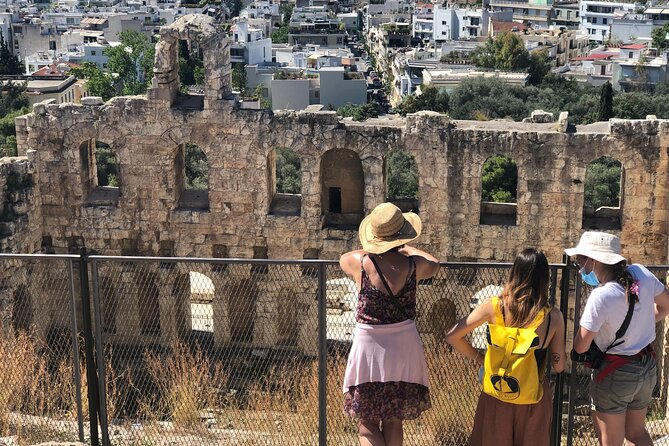
The Odeon of Herod Atticus is a Roman-era theater built by one of the prominent Roman governors associated with Athens. It was dedicated to his wife, Regina, and could hold about 5,000 spectators.
The theater is still used for performances during the Athens Festival. That gives the site a rare connection between ancient architecture and present-day cultural life. You are not looking at a ruin that has lost all purpose. You are seeing a restored performance space that remains part of Athens’ public life.
The tour allows roughly 10 minutes for this stop. You view the auditorium from the Acropolis area rather than settling in for a performance, but the guide’s explanation helps you understand its scale and setting.
I find this kind of stop valuable because it broadens the visit beyond temples. The Acropolis was not only about worship. Theater, civic identity, storytelling, and public gatherings all belonged to the world around the hill.
The Temple of Asclepius and ancient healing
The Temple of Asclepius receives a shorter explanation of about five minutes. It was dedicated to Asclepius, the god of medicine, and offers a glimpse into how ancient Athenians thought about illness and recovery.
You learn how patients were treated in this sacred setting and what kinds of votive offerings people left in thanks. Those offerings provide a direct link between belief and personal experience. Instead of thinking only about rulers and grand monuments, you get a look at ordinary people hoping for relief.
Five minutes will not cover every aspect of ancient medicine, but it is enough to place the sanctuary within the wider religious life of the Acropolis. This brief stop works best as part of the sequence, showing that the hill served many needs.
The Theatre of Dionysus and the birth of drama
The Theatre of Dionysus Eleuthereus is described as one of the oldest theaters in the world built entirely of marble. Its position on the slope of the Acropolis helped provide strong acoustics, and its capacity could reach about 17,000 spectators.
This is where the works of Euripides, Aeschylus, Sophocles, and Aristophanes were first presented. Even if you are not a theater specialist, those names give the place weight. The performances were not a side activity. Drama was tied to public life, religious festivals, and the way Athenians debated human behavior and civic duty.
The scheduled explanation lasts about 10 minutes. That is enough to understand the theater’s purpose and scale, but you may want to return later if ancient drama is a major interest.
The visit ends at Theorias 21, at the top of the Acropolis, allowing you free time to photograph the monuments. This ending is useful. You are not rushed directly out after the final explanation, and you can take in the views or revisit a detail that caught your attention.
Two hours is efficient, not leisurely
The full experience lasts about two hours. That is a good length if you want the main story before spending the rest of your day in Athens, but it demands a steady pace.
You will cover several monuments, listen to historical explanations, and walk uphill and across uneven archaeological surfaces. The moderate fitness recommendation should be taken seriously, especially in hot weather. One particularly positive account describes the guide keeping the experience engaging despite intense heat, but weather still affects how comfortable the visit feels.
Wear practical walking shoes and bring water. These are basic choices, but they matter more here than dressing for a casual city stroll. Because the tour begins at 8:30 am, you also get an earlier start than many sightseeing activities, which can make the walk more manageable.
The tour’s maximum of 27 people is worth considering. It is small enough to remain organized, but not intimate. If you want long personal conversations with the guide, a private visit would be a better fit. If you want structure and a lower price than a private tour, this group size is acceptable.
How the guides shape the experience
The guide is the heart of this tour. Efi is the name most strongly associated with the warmest comments, and her approach seems especially useful for families. Her explanations connect history, geography, mythology, and anthropology, while questions and imagined scenes keep children and adults involved.
A few people book an additional visit with the same guide after the Acropolis tour. That suggests the guide may be able to make Athens feel coherent rather than treating the Acropolis as an isolated monument.
Ari is praised for passion, and Simon receives credit for a clear, impressive explanation. Maria is also singled out for making the walking route interesting. The guide assigned to your date may vary, so you should not book on the assumption that Efi will lead every departure.
The common thread is a human approach. You are not simply given dates and building names. You are asked to picture ancient ceremonies, understand why a sacred olive tree mattered, and follow the changes that turned a temple into a church and later a mosque.
Who should book this Acropolis experience
I would recommend this tour most strongly to:
- Spanish-speaking first-time visitors to Athens
- Families who want history explained in an engaging way
- People who prefer a clear two-hour introduction
- Visitors who want the major Acropolis monuments covered in one route
- Anyone who values mythology and cultural context as much as photographs
It is less suitable for visitors who want to explore alone, linger at every building, or study the site in technical detail. It is also a poor match if your group cannot comfortably follow Spanish.
The 100 percent recommendation figure and 5 out of 5 rating from 616 reviews point to a consistently well-received product, with the guide’s passion and clarity receiving the most attention. Still, those ratings do not remove the practical conditions: admission is extra, the route is on foot, and the schedule is compact.
Should you book this Spanish Acropolis tour?
Book it if you want the Acropolis to make sense, not just look impressive. The price of $44.03 is fair for a two-hour official guided visit, particularly when you want Spanish explanations of the Parthenon’s design, the site’s myths, its later Christian and Ottoman use, and the role of theater and healing in ancient Athens.
Skip it if you already know the Acropolis well or prefer complete freedom to wander. Also confirm your separate entry ticket before meeting at 8:30 am. For a first visit, though, this is a practical way to see the essential monuments with a guide who can turn a famous hilltop into a connected story.
FAQ
Is the Acropolis entrance ticket included?
No. Admission to the Acropolis is not included in the $44.03 tour price. You need a separate entry ticket for the visit.
Is the tour conducted in Spanish?
Yes. The experience is conducted exclusively in Spanish with an official tourist guide.
How long does the Acropolis tour last?
The tour lasts approximately two hours.
What time and where does the tour begin?
The tour begins at 8:30 am at the Greek National Tourism Organisation Information Point, Dionysiou Areopagitou 18, Athens.
Which monuments are included?
The route includes the Acropolis, Parthenon, Propylaea, Temple of Athena Nike, Erechtheion, Odeon of Herod Atticus, Temple of Asclepius, and Theatre of Dionysus Eleuthereus.
Does the tour include transportation?
No. The visit takes place on foot, and transfers are not included.
How large can the group be?
The activity can have a maximum of 27 participants. A wireless audio system is included to help you hear the guide.
Can I cancel for a full refund?
Yes, if you cancel at least 24 hours before the experience start time. Cancellations made less than 24 hours in advance are not refunded, and changes within that period are not accepted.
Fresh on the Athens list
- Athens Airport Arrival Transfer to Hotels or Addresses in Athens★ 3.5 · 45 reviews
- Private Luxury Tour: Unveiling the Sacred Mysteries of Eleusis★ 5.0 · 45 reviews
- Luxury Catamaran Sunset Semi-Private & Greek Gastronomy in Athens★ 5.0 · 45 reviews
- From Athens: Aegina Island guided tour in a day★ 5.0 · 45 reviews
- Delphi, Thermopylae full day private tour from Athens★ 4.9 · 46 reviews
- From Athens: City & Corinth Guided Day Tour★ 4.8 · 46 reviews
- Acropolis Private Wine Tasting @ Finewine store★ 5.0 · 46 reviews
- Ancient Corinth Half-Day Private Tour from Athens★ 5.0 · 46 reviews
Acropolis & Acropolis Museum Tours, compared.
Acropolis & up to 5 Archaeological Sites Combo Pass
Read our review →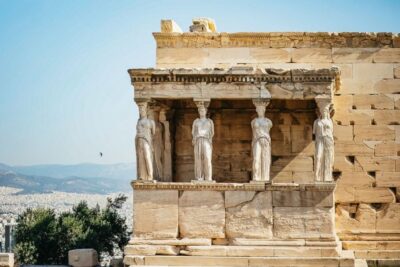
Acropolis, Parthenon & Acropolis Museum Guided Tour
Read our review →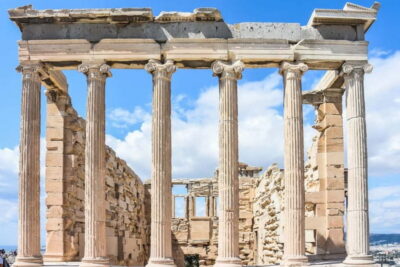
Acropolis, Parthenon & Acropolis Museum Guided Tour
Read our review →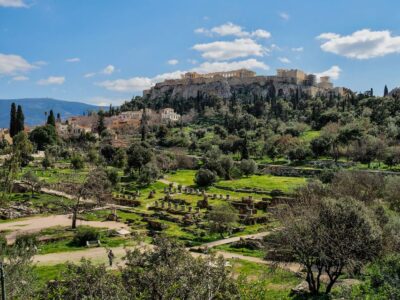
Acropolis monuments & Parthenon Walking Tour with Optional Acropolis Museum
Read our review →
Athens All Included: Acropolis and Museum Guided Tour with Ticket
Read our review →Browse the lists this tour appears in