
Reviewed · CRETE TOURS
Kleanthi Olive Farm: Guided Tour with Local Delicacies Tasting
The best part of Kleanthi Olive Farm is the shift from ancient olive trees to working mill. You walk among the groves, learn how olives are grown and harvested, then see how the fruit becomes oil. The final tasting turns that lesson into lunch, with bread, cheeses, tomatoes, olives, fruit, honey, herbs, and other local products.
I like the friendly family setting, where guides such as Mary, George, Yannis, and Theodora explain the work in clear English. I also like the generous tasting, which shows you several ways to use olive oil instead of simply handing you a small sample. The main caution is timing: outside the harvest season, the production line is not operating, so the mill visit is quieter and more about equipment, history, and explanation.
Key Points at a Glance
- A working Cretan family farm: The visit connects olive-growing traditions with modern milling methods.
- A walk through the olive grove: You see the trees up close and learn about cultivation and harvesting.
- A full food tasting: Expect olive oils paired with bread, cheese, tomatoes, fruit, olives, honey, herbs, and other local foods.
- Guides who make the difference: Mary, George, Yannis, and Theodora are praised for warm hosting and clear English explanations.
- A good-value short outing: The visit lasts about 1 hour 15 minutes and costs $25.34 per person.
- Harvest season matters: The mill is livelier when production is underway. Off-season visits can feel quiet.
Why Kleanthi Olive Farm Is Worth Your Time
Crete is closely tied to the olive tree. Olive oil appears at nearly every Cretan table, but most visitors only meet it in a bottle or poured over a salad. At Kleanthi Family Olive Farm, you get to follow the product back to its source.
The farm is in Skalani, near Heraklion, making it an easy short outing from the city. One review describes it as a quick taxi ride from Heraklion, while another family drove two hours from Plakias and still felt the visit was worthwhile. That gives you a useful sense of scale: it is convenient for a nearby afternoon, but the tasting may also justify a longer drive for people especially interested in food.
The tour is short enough to fit into a busy Crete schedule. At about 75 minutes, it does not take over your day, and the activity finishes where it begins. At $25.34 per person, the price is fair for a guided farm walk, a look at the milling process, and a substantial food tasting. Group discounts are available, which makes the outing more attractive for families and small parties.
I would not book this as a grand agricultural attraction with a long production-floor visit. It is a compact family experience. Its value comes from the combination of personal hosting, practical explanations, and food served in a relaxed setting.
More Olive Oil Tastings in Crete
- Knossos-Zeus Cave -Old Traditional Villages-Olive Oil Factory
★ 5.0 · 694 reviews - From Chania: Olive Oil, Wine, Cheese & Honey Tasting Tour
★ 4.6 · 490 reviews - Heraklion: Olive Farm Tour with Tasting of Local Delicacies
★ 4.9 · 411 reviews
Starting Among the Olive Trees
The visit begins at Kleanthi Olive Farm, Skalani 715 00, Greece. You start with a walk through the olive grove, where the guide explains how olives are grown and harvested.
This first section matters because it gives context to everything that follows. You see the trees before hearing about the machines. That simple order helps you understand that olive oil production is not just an industrial process. It begins with patient cultivation, seasonal work, and careful handling of the fruit.
The walk is described as easy, but you should still wear sensible shoes for an outdoor farm visit. The activity requires good weather, so rain or poor conditions can affect the schedule. The exact character of the walk will also depend on the season, since the farm changes when harvesting is underway.
Guides are a major part of the experience. Mary is praised for her warm manner and clear English, while George is described as enthusiastic and especially good at explaining olive growing and processing. Yannis and Theodora also lead visits and are noted for their friendly, professional approach.
You can expect the tone to be personal rather than formal. The family-run setting gives the tour a connection to everyday Cretan life, including food, farming, and family traditions. If you enjoy asking questions, this is a useful place to do it. The guides are happy to explain the process and also offer help with local points of interest.
Seeing the Mill and the Route from Fruit to Bottle
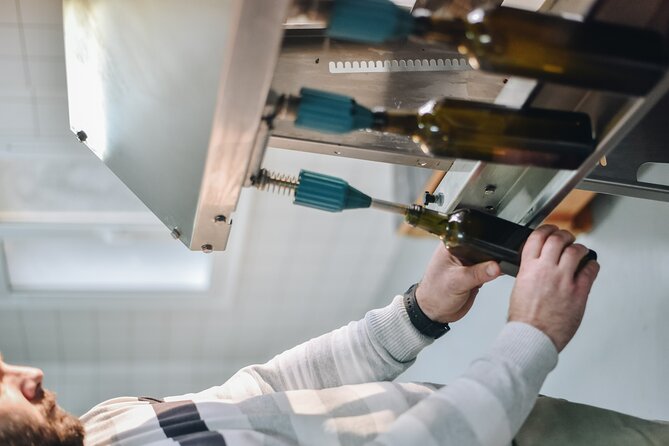
After the grove, the tour moves to the olive mill and its equipment. You learn how handpicked olives are transformed into Kleanthi Olive Oil, with the guide explaining the stages from harvest to bottle.
The equipment demonstrations are one of the strongest parts of the visit. You are not only told that olives become oil. You get an explanation of the machinery and how the process works. A short video may also be included, helping fill in steps that are difficult to show during a brief visit.
There is an important seasonal distinction here. During harvest, the mill is in active production, and you can see the process taking place live. That adds noise, movement, and a stronger sense of a working farm. If you visit outside harvest months, the production line is not operating. The guide instead focuses on the history of olive cultivation, sustainable farming methods, the grove, and the mill equipment.
That does not make an off-season visit useless, but it does change the mood. If you want the most active version of the tour, plan for harvest time if your wider Crete itinerary allows it. If you are visiting in another season, set your expectations correctly. You are booking an educational farm visit with tasting, not a live factory demonstration.
The farm also presents its olive oil production as a careful and sustainable process. The information provided does not give a list of specific farming certifications or technical standards, so I would not treat the tour as a specialist agricultural course. Still, it offers a useful introduction to how Cretan olive oil is made and why the stages between tree and bottle matter.
The Tasting Table Is the Main Event
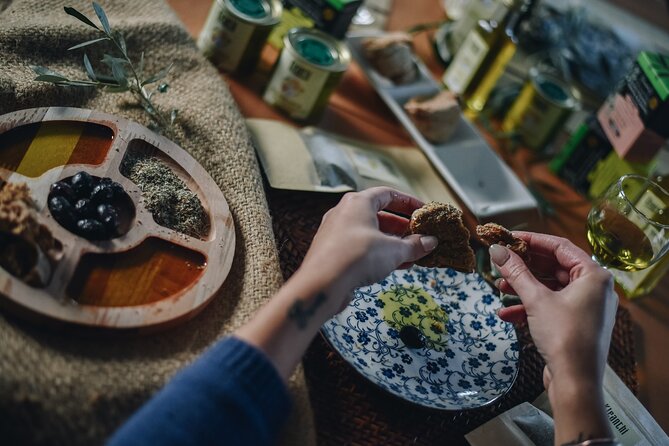
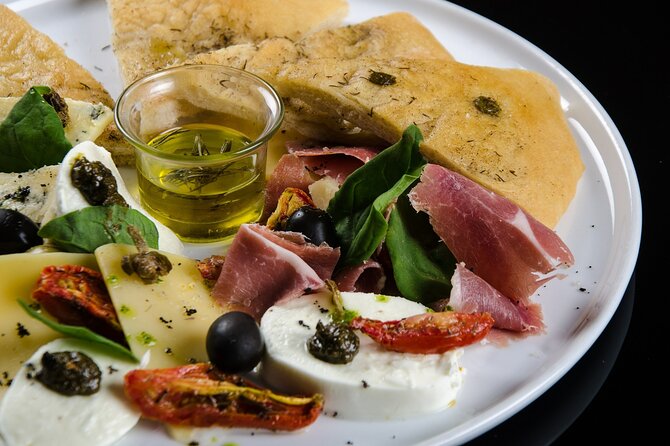
The tour ends with a seated tasting of Kleanthi olive oils and local foods. This is not just a quick piece of bread dipped in oil. The spread can include artisanal bread, cheeses, tomatoes, olives, smoked meat, figs or grapes in syrup, yogurt, honey, herbs, and other fruit.
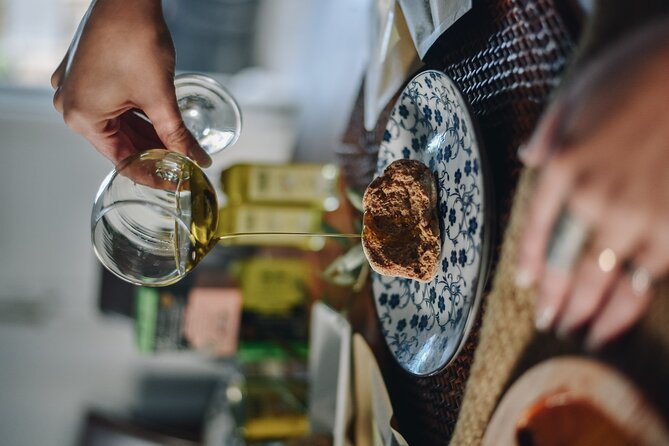
The guides show you different pairings, sometimes adding oregano, thyme, honey, or syrup to the tasting. This is a smart way to help you understand olive oil as a food rather than a cooking ingredient you use without much thought.
You may discover combinations you would not order on your own. Olive oil with bread gives you the cleanest basic taste. Cheese and tomatoes show how the oil works with savory foods. Honey, fruit, yogurt, and herbs create a different set of flavors. The point is not to find one correct way to eat olive oil. It is to notice how the oil changes when paired with familiar Cretan ingredients.
The food also gives the visit a cultural side. A table of bread, cheese, fruit, olives, and honey tells you something about how food is shared in Crete. The tasting feels closer to a generous family snack than a sterile product demonstration.
Families should take note. Children are reported to enjoy the activity, and the tasting gives them something concrete to look forward to after the walk and equipment lesson. The pace is also helpful for mixed-age groups because the tour is brief and the food creates a natural change of focus.
The tasting is generous enough to affect the value calculation. At $25.34, you are paying for more than a talk beside olive trees. You receive an organized introduction to olive farming, an explanation of milling, and a meal-like selection of local foods. If you do not care for olive oil, the experience will naturally have less appeal. If you enjoy food traditions, the tasting makes the price easier to justify.
More olive oil tastings around Crete:
- Zeus Cave, Lassithi Plateau, Olive Oil Factory, Kritza, Pottery
★ 5.0 · 362 reviews - From Chania: Wine and Olive Oil Tasting Tour with Snacks
★ 4.8 · 354 reviews - Crete: Knossos, Lasithi, Lasinthos and Olive Farm Combo Tour
★ 4.5 · 351 reviews - The Terra Creta Olive Oil Experience Tour
★ 4.7 · 344 reviews
Buying Olive Oil Without the Hard Sell
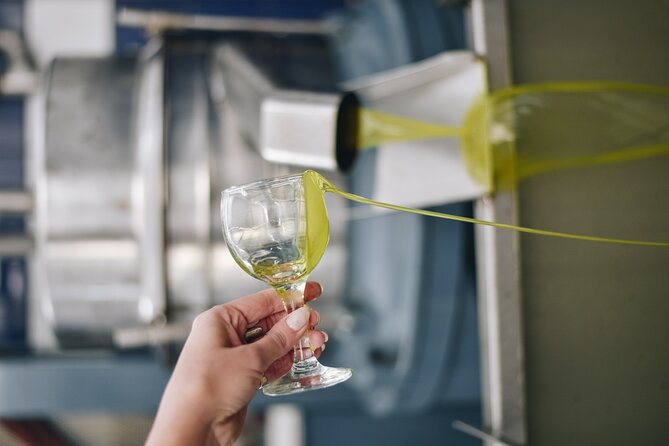
The visit ends with time in the onsite shop, where you can buy Kleanthi Olive Oil and other products such as honey. This is convenient if you find a favorite oil during the tasting and want to take it home.
The important point is the relaxed sales approach. You are given the chance to buy, but the atmosphere is not described as pushy. That makes a difference. A tasting is more pleasant when you can compare flavors and decide for yourself instead of feeling pressured at the end.
If you plan to purchase oil, remember that a bottle is part of your own travel logistics after the tour. The supplied information does not specify bottle sizes, shipping options, or baggage rules, so ask at the shop if you have a long journey ahead. The staff can also tell you more about the products you have tasted.
I like the shop best as a final step rather than the main reason to visit. Buy something if you enjoyed a particular oil or want a practical reminder of Crete. Do not book the tour solely as a shopping stop. The farm walk, mill explanation, and shared tasting are what give the purchase meaning.
Timing, Group Size, and Getting There
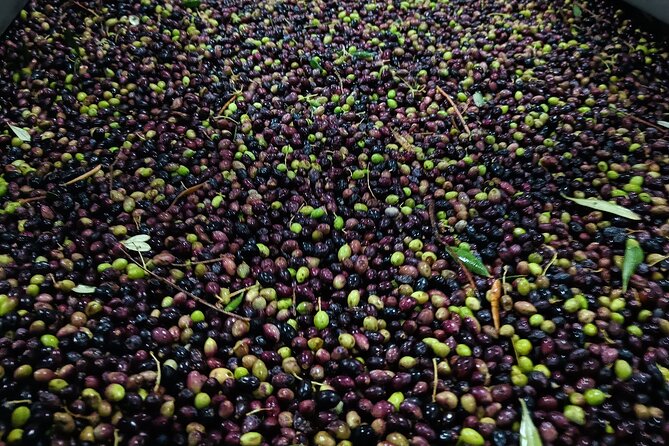
The official duration is about 1 hour 15 minutes. That makes Kleanthi easy to pair with other plans in or around Heraklion. You should allow a little flexibility around the stated time, especially if your group has questions or lingers over the tasting, but the experience is not designed as a half-day excursion.
The maximum group size is 40 people. That is large enough for a lively scheduled group, but it may feel less intimate than a private farm visit. The family hosts appear to keep the tone personal, yet the number of people can affect how easily you hear every explanation or ask individual questions.
Kleanthi Olive Farm is near public transportation, and the meeting point and endpoint are the same. The location is also described as easy to find, with one account calling it a short taxi ride from Heraklion. Because the precise transport details are not provided, confirm your route before setting out, especially if you are relying on buses rather than a taxi or car.
Mobile tickets are accepted, and confirmation is received at booking. Service animals are allowed. The tour is offered in English, which is useful for international visitors who want detailed explanations rather than a silent tasting.
Free cancellation is available if you cancel at least 24 hours before the start time. Changes or cancellations inside that window are not accepted for a refund. Since weather can cancel the outdoor activity, a poor-weather cancellation gives you the choice of another date or a full refund.
Who Will Enjoy This Farm Visit Most?
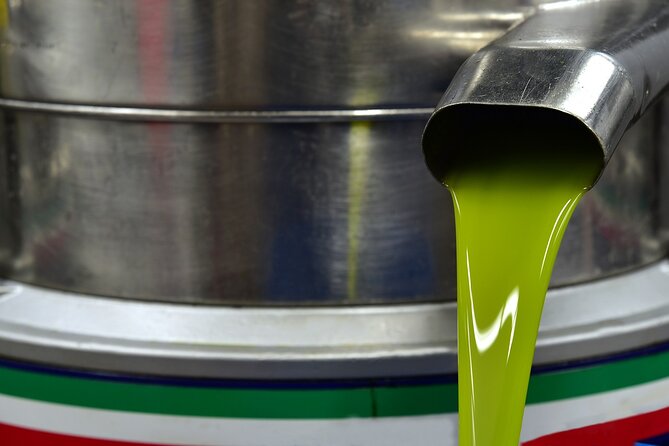
I would recommend Kleanthi to food-minded visitors who want a short, local activity near Heraklion. It suits you if you like knowing how regional products are made, enjoy guided tastings, or want an experience that connects farming with daily Cretan food.
Families are another good match. The walk is manageable, the explanations are practical, and the tasting gives children a clear reward at the end. The experience also works for couples and small groups looking for something more grounded than another archaeological site or beach stop.
Olive oil enthusiasts will get the most from the tasting. You can pay attention to flavor, texture, and pairings, then compare what you like before visiting the shop. People who are already familiar with olive oil may find the explanations basic, but the food combinations and farm setting can still make the visit worthwhile.
I would be more cautious if you are looking for a large, highly active mill operation. Outside harvest season, the production line is shut down, and the farm may feel very quiet. That is not a flaw in itself, but it means the tour depends more heavily on the guide and tasting.
Should You Book Kleanthi Olive Farm?
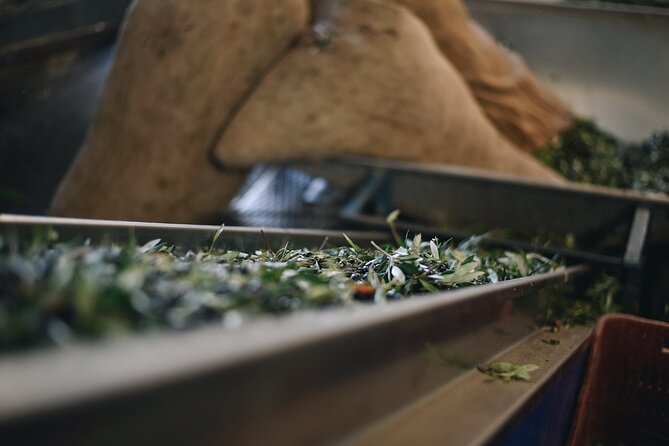
Book it if you want a friendly, compact introduction to Cretan olive oil with a real food component. The guides bring warmth and useful detail, while the tasting gives you a better sense of Cretan eating than a simple oil sample would.
Before booking, check the season. Harvest time offers the best chance of seeing the mill in operation. An off-season visit can still teach you about the trees, farming traditions, and oil, but it will be calmer and less visual.
At $25.34, the experience offers solid value for its length, especially if you enjoy the tasting and take time to ask questions. I would place it near the top of a Heraklion food itinerary, but I would not make a long cross-island drive for it unless olive oil is a major interest. For most visitors staying nearby, it is an easy and flavorful way to spend an hour in the Cretan countryside.
FAQ
Where is Kleanthi Olive Farm located?
Kleanthi Olive Farm is in Skalani, Crete, at Skalani 715 00, Greece.
How long does the olive farm tour last?
The activity lasts approximately 1 hour and 15 minutes.
How much does the experience cost?
The listed price is $25.34 per person.
What language is the tour offered in?
The tour is offered in English.
What food is included in the tasting?
The tasting can include Kleanthi olive oils with bread, cheeses, tomatoes, olives, fruit, honey, herbs, yogurt, smoked meat, and figs or grapes in syrup.
Does the tour include a visit to the olive mill?
Yes. The tour includes an explanation of the olive oil production process and a look at the mill equipment.
Can I see the mill operating?
You can see the production line operating during the harvest season. Outside the harvest months, the line is not in operation.
Is the tour suitable for a large group?
The activity accepts a maximum of 40 travelers, and group discounts are available.
Is public transportation available near the farm?
The farm is near public transportation. The experience is also described as a short taxi ride from Heraklion.
What happens if bad weather cancels the tour?
If poor weather causes a cancellation, you will be offered another date or a full refund. You can also cancel for a full refund if you do so at least 24 hours before the start time.
More Farms in Crete
- Crete: Road-trip to Lasithi Plateau & Olive Mill Farm
★ 4.4 · 420 reviews - Traditional Olive Grove and Dragon Fruit Farm Tour
★ 4.8 · 118 reviews - Moires: Cooking Class and Olive Oil Tasting at a Family Farm
★ 5.0 · 93 reviews - Mykonos: Farm, Ano Mera Village, and Beaches Guided Tour
★ 4.4 · 1,283 reviews
Fresh on the Crete list
- Heraklion: Sunrise Balloon Flight & Sunset Catamaran Cruise★ 5.0 · 45 reviews
- Hersonissos: Alar Spectacular Dinner Show★ 4.7 · 45 reviews
- Kissamos: Balos & Gramvousa Sailing Cruise with Meal★ 4.6 · 45 reviews
- Chania: Elafonisi & Falasarna Private Tour w/olive oil tasting★ 5.0 · 46 reviews
- Samaria Gorge Trek: Full-Day Excursion from Rethymno with Guide★ 4.5 · 46 reviews
- From Rethymno: Santorini Guided Tour and Cruise from Crete★ 4.4 · 46 reviews
- Heraklion: Sunset Luxury Cruise with Sushi and Open Bar★ 5.0 · 46 reviews
- Crete: Coastline Snorkeling Cruise from Hersonissos Port★ 4.3 · 46 reviews
Crete Tours, compared.
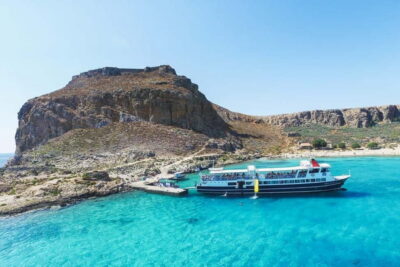
From Kissamos Port: Boat Cruise to Balos Lagoon & Gramvousa
Read our review →
Day Trip to Agios Nikolaos and Spinalonga Island
Read our review →
Full-Day Samaria Gorge Trek Excursion & Guide
Read our review →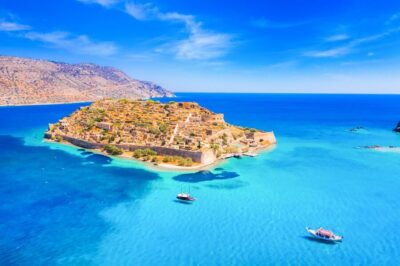

Dia Island Sailboat Cruise with Swimming and Meal
Read our review →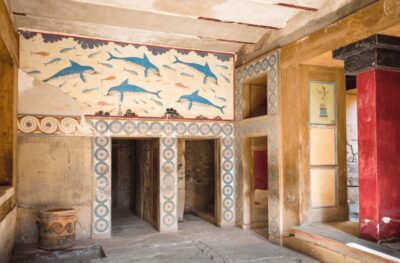
Knossos Palace Entry Ticket with Optional Audio Guide
Read our review →
Browse the lists this tour appears in