
Reviewed · ACROPOLIS & ACROPOLIS MUSEUM TOURS
Athens: Guided Tour of Acropolis & Parthenon with Tickets
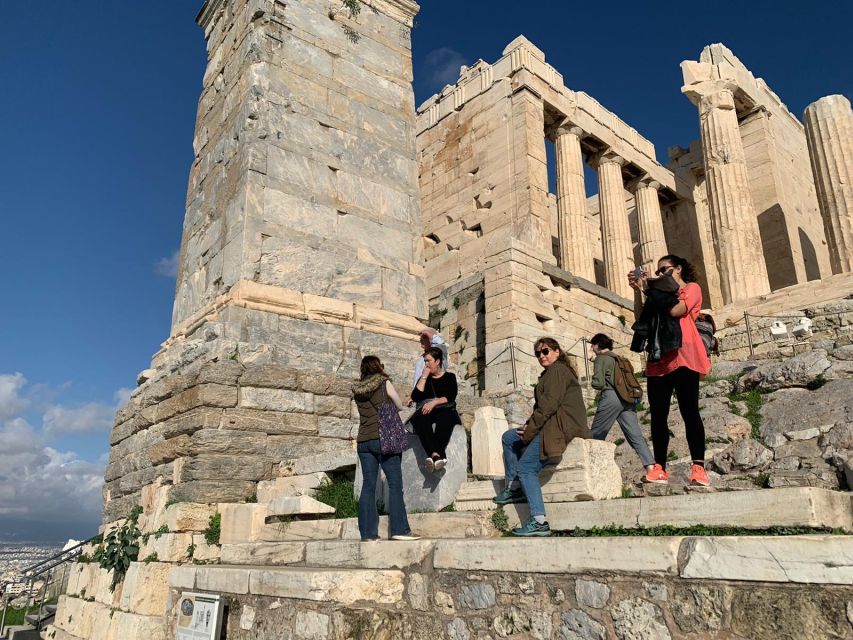
The best part of this two-hour Acropolis tour is the way the monuments gain meaning as you climb. You are not simply looking at the Parthenon from a distance. Your guide connects the buildings with Athenian mythology, ancient festivals, changing rulers, and the city spread below you.
I like the pre-reserved entry and the headsets. The first can save valuable time, while the second lets you hear the guide even when the hill is crowded. I also like the practical pace: enough structure to keep you moving, with time for questions, photographs, and a little wandering after the guided portion.
The main drawback is the climb. The Acropolis is reached on foot over uneven surfaces and steps, often in strong sun. There is no elevator access during this tour, and the site is not suitable for wheelchairs, walkers, strollers, or people with serious mobility limits.
Key points to know before you book
- Timed entry helps, but it is not a magic pass: In high season, even pre-reserved ticket holders may wait in their own queue.
- The guides bring the monuments to life: Guides named in recent bookings include Lisa, Vicki, Eva, Maria, Elina, Ria, and Frosso.
- The early starts are worth considering: Morning visits can mean cooler temperatures and fewer people at the top.
- You get the essential monuments in two hours: The Parthenon, Propylaea, Erechtheion, Temple of Athena Nike, and Theater of Dionysus all appear.
- Headsets make group touring easier: You can hear the guide clearly without standing shoulder to shoulder.
- Plan for a serious uphill walk: Wear sturdy shoes, carry water, and leave large bags and strollers behind.
Meeting at the Acropolis Metro Station
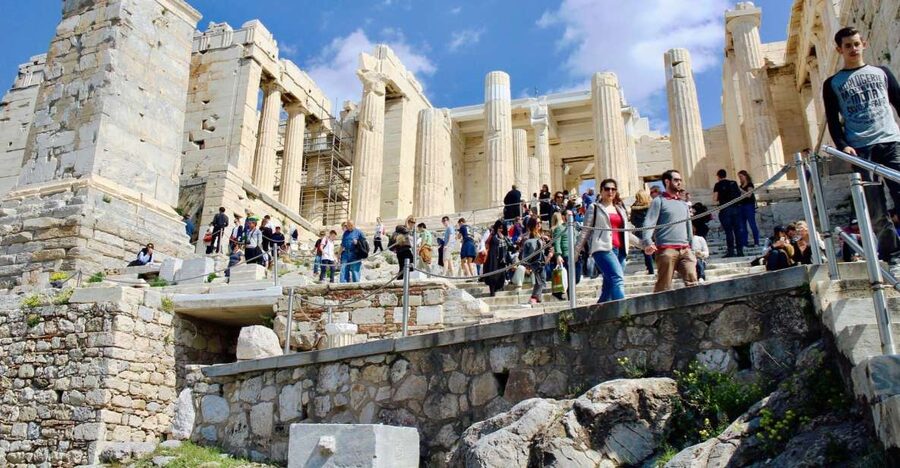
The tour begins outside the Acropolis Metro Station at Makrigianni 7. If you arrive by metro, use the Makrygianni or Dionysiou Areopagitou exit, go up to street level, and look for the sign marked Akropoli.
Your guide waits with a sign showing your names. This is a sensible meeting point because it is close to the archaeological site and easy to reach by public transport. Still, do not cut it close. Arrive 5 to 10 minutes early.
Your entry time is fixed. Tickets can expire within 5 to 10 minutes, and the group leaves on schedule. If you miss the start, joining later is not considered practical, so this is not the kind of outing to pair with a last-minute café stop or a complicated taxi ride.
The tour is offered in English or German, and a private group option is available. The standard experience is a small-group walk, though the exact group size is not stated. Headsets are provided, which matters at a crowded monument where voices can quickly disappear into the noise.
A few other Athens mornings to price up
- Athens: Acropolis & up to 5 Archaeological Sites Combo Pass
★ 4.4 · 12,619 reviews - Athens: Acropolis Ticket with Optional Audio or Live Guide
★ 4.2 · 11,055 reviews - Athens: Acropolis, Parthenon & Acropolis Museum Guided Tour
★ 4.8 · 9,316 reviews
Entering the Acropolis with a timed ticket
The phrase skip-the-line needs a little explanation. Pre-reserved tickets let you use the entry process for ticket holders instead of buying admission on the spot. During the busiest months, that line can still be long, because many people have reserved times.
Even so, having the ticket arranged in advance is useful. The Acropolis is one of Athens’ most popular sights, and losing an hour to ticket arrangements can throw off your whole day. If you choose the option without tickets, you must bring the exact cash amount for the Acropolis entrance fee. Other tickets or passes are not accepted for that payment.
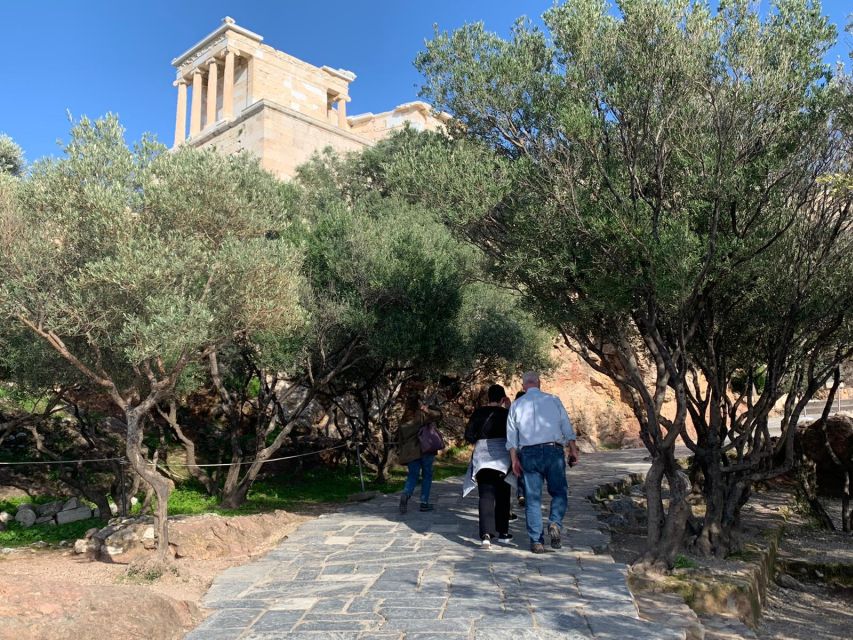
Once inside, you begin the uphill walk. The route is exposed in places, with stone surfaces that may feel slippery or uneven. I would wear walking shoes with a firm sole, not flip-flops or delicate sandals. Bring a hat, sunscreen, and water, since shade is limited and the Greek sun can be fierce even outside midsummer.
The climb to Athens’ sacred hill
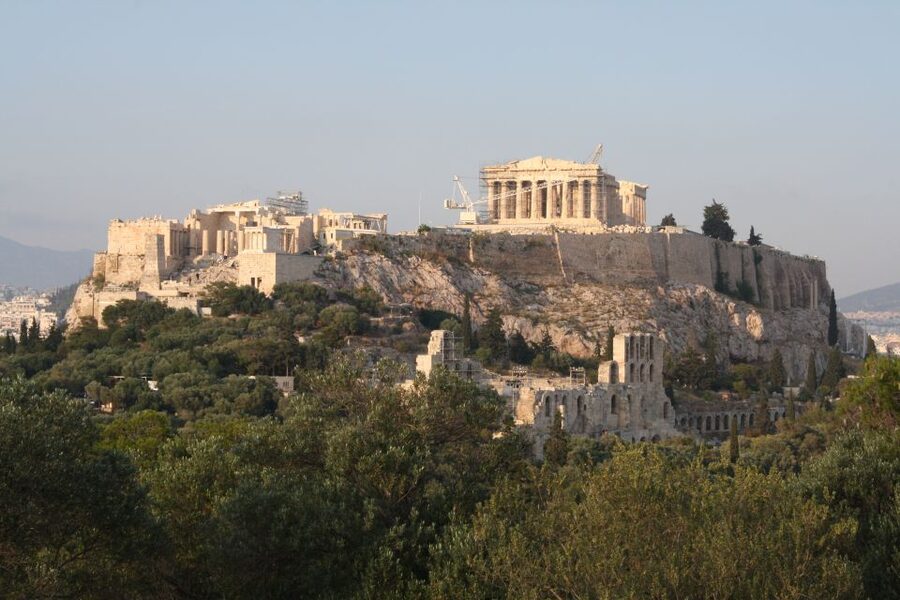
The ascent is part of the experience, not just a way to reach the monuments. As you rise, the city opens around you, and your guide places the site in the long story of Athens.
The tour explains how the Acropolis changed across many centuries. You hear about classical Athens, then later Roman, Byzantine, and Ottoman periods, followed by the site’s modern rebirth. That wider view is useful because the hill was not frozen in the fifth century BC. It was reused, damaged, altered, and reinterpreted over time.
Your guide also brings in the religious life of the hill. Ancient Athenians did not see these buildings as empty ruins. The gods, sacred rituals, processions, and great festivals gave the Acropolis its purpose. The stories of Athena and the city’s early cults help explain why the buildings were placed here and why their decoration mattered.
This is where the guide adds real value. On your own, you can admire marble columns and dramatic views. With a good guide, you begin to understand what people were doing here, which deity each structure honored, and how architecture expressed civic pride.
The Parthenon, Athens’ great symbol
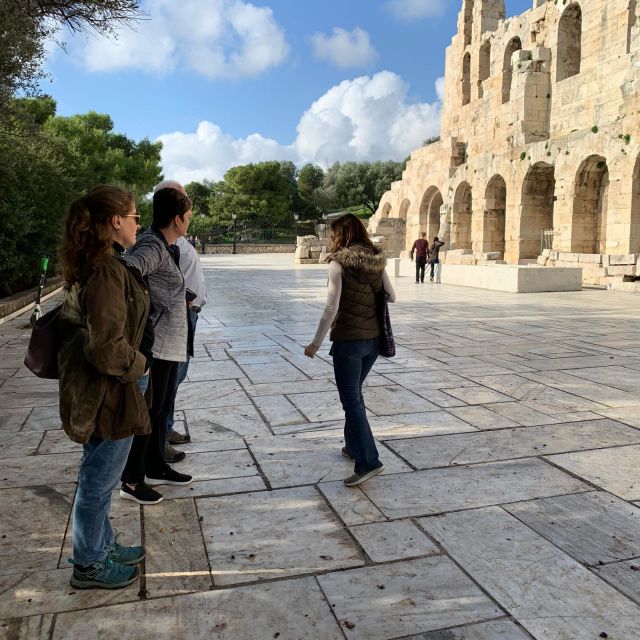
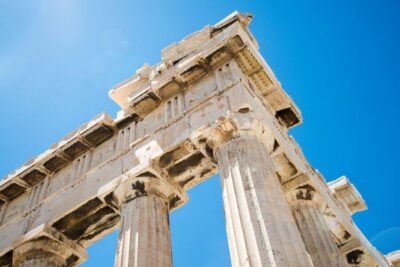
The Parthenon is the central event of the visit. It is large, familiar, and often partly covered by conservation work, but seeing it in person is still different from seeing a photograph.
Your guide discusses its architecture, purpose, and connection to Athena, the city’s patron goddess. You will also hear how the building fits into the wider program of monuments on the Acropolis. The value here is not just learning dates. It is seeing how design, religion, politics, and public identity worked together.
The Parthenon is not an indoor museum experience. You view the monument from outside and walk around the accessible areas with the group. Expect crowds, photo stops, and other guides speaking nearby. The headsets help, but you still need to stay aware of where your group is moving.
The views from this height are one of the tour’s rewards. Athens stretches in every direction, and the guide can point out how the ancient hill relates to the modern city. Take photographs, but also give yourself a quiet moment without the camera. The setting is powerful even when the site is busy.
Same island, an entirely different sort of day:
- Athens: Cape Sounion & Poseidon Temple Sunset Half-Day Trip
★ 4.8 · 8,241 reviews - Athens: Acropolis and Parthenon Guided Walking Tour
★ 4.6 · 5,882 reviews - All Day Cruise -3 Islands to Agistri,Moni, Aegina with lunch and drinks included
★ 5.0 · 4,958 reviews - Athens, Piraeus, and Coastline: Blue Hop-On Hop-Off Bus
★ 3.9 · 4,849 reviews
Propylaea and the formal gateway
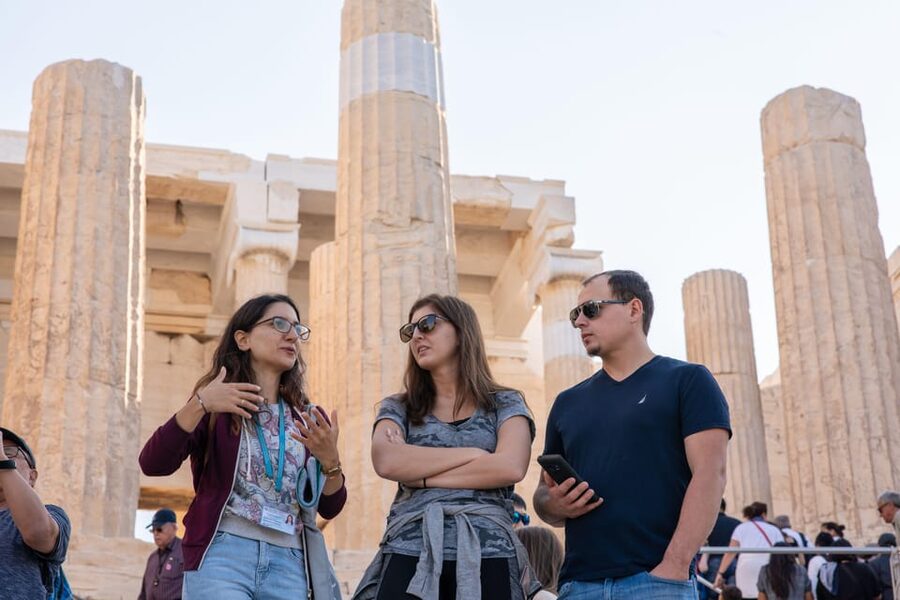
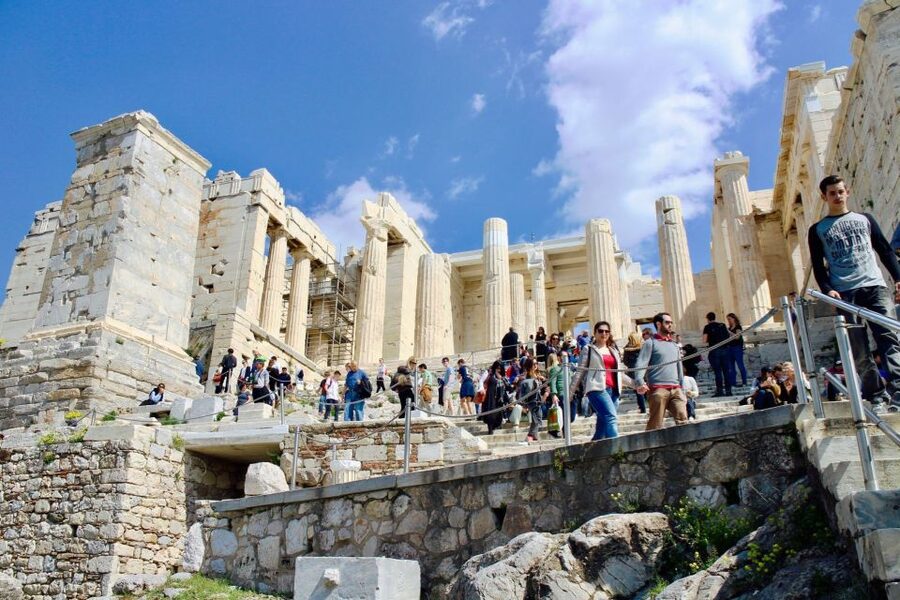
The Propylaea is the monumental entrance to the Acropolis. It once gave arrival at the sacred hill a strong ceremonial character, and your guide helps you read that sense of procession in the surviving structure.
This stop is easy to rush past because everyone is eager to reach the Parthenon. I find it worth slowing down here. The scale of the gateway prepares you for the buildings beyond it, and the approach shows that the Acropolis was designed as a sequence, not a random collection of ruins.
The stone underfoot can be uneven, and the slope remains demanding. If you have trouble with hills, tell your guide early. Several people who enjoyed the tour also found the climb harder than expected, especially on hot days. A patient guide may help with pacing and shade, but the physical demands cannot be removed.
Erechtheion and the stories of Athena
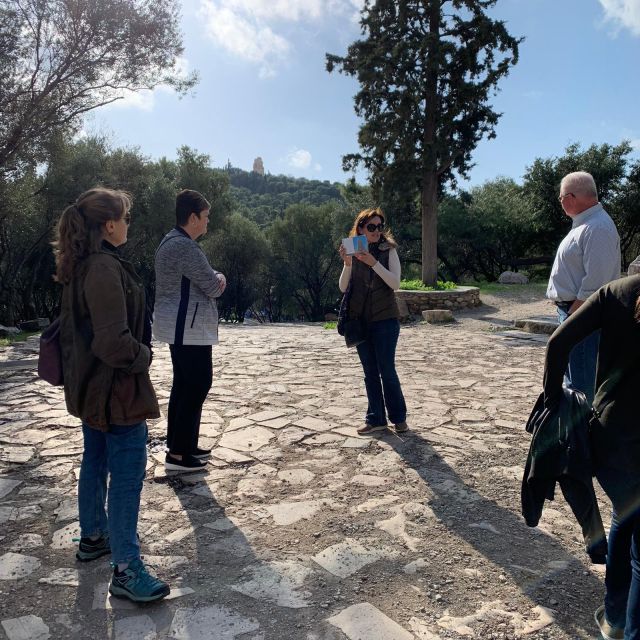
The Erechtheion offers a different mood from the Parthenon. It is more irregular and intricate, with several sacred associations tied to the ancient city.
Your guide explains the myths and rituals linked to Athena and the earliest worship on the hill. This is one of the places where storytelling matters most. The building’s unusual form makes more sense when you understand that it served several religious purposes rather than one simple function.
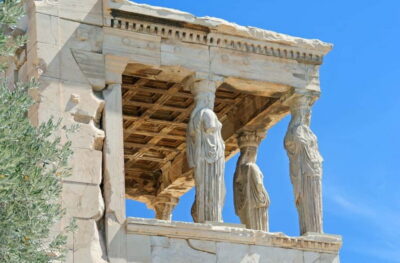
The famous Caryatid figures are among the most memorable details associated with the Erechtheion. The guide can help you notice the building’s fine proportions and the way its design responds to the uneven ground. You will not get a long, private viewing. The Acropolis is shared with many other groups, so keep your camera ready and listen closely while the guide has a clear position.
Temple of Athena Nike above the city
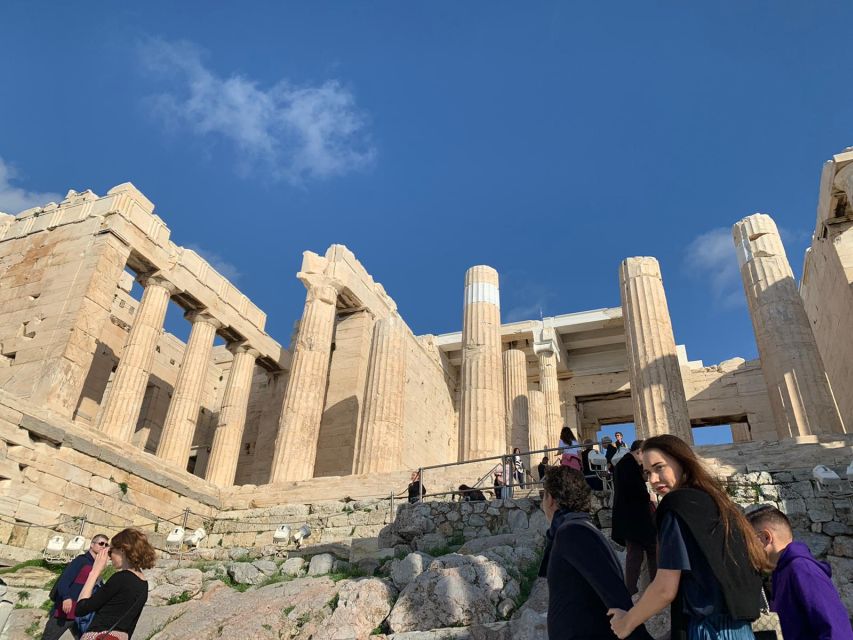
The Temple of Athena Nike is smaller than the Parthenon, but its location gives it great visual force. It sits near the entrance, poised above the city, and honors Athena in her role as Nike, or victory.
Your guide uses the temple to explain how the Athenians linked religious devotion with military success and civic identity. The stop is brief compared with the Parthenon, yet it gives you a useful contrast. Not every important monument on the Acropolis was designed to overwhelm you with size.
This is also a good photo area, though space can be tight. You may need to wait for a clear angle, and the group needs to keep moving through the controlled route.
The Theater of Dionysus and the south slope
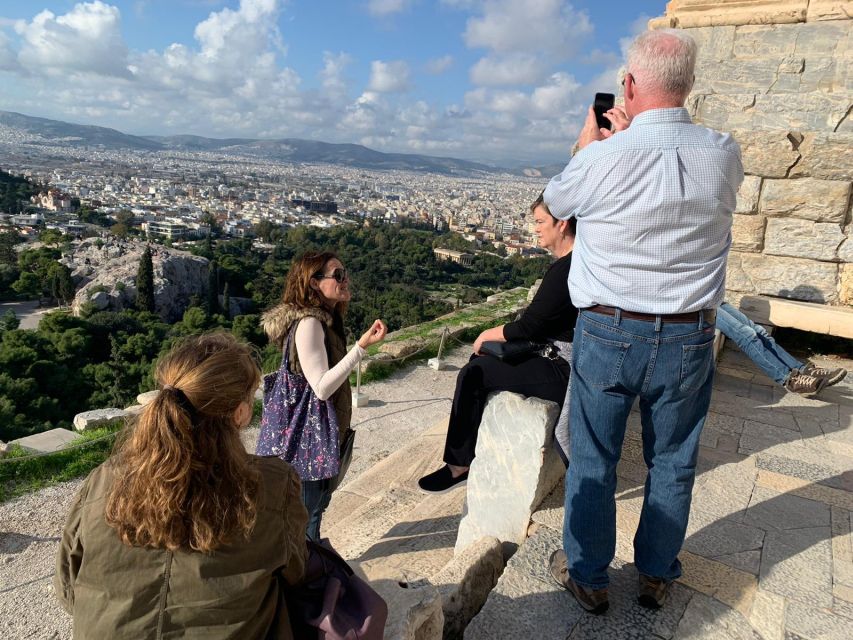
When the main guided walk ends, you may be able to remain on the Acropolis at your own pace or follow the guide toward the south slope. The route can include the Sanctuary of Asclepius and the Theater of Dionysus.
The theater is especially important because it is linked with the beginnings of Greek drama. Standing near its ancient seating gives you a different way to understand Athenian culture. The Acropolis was not only a religious center. The city’s theater, festivals, public life, and ideas were all part of the same world.
The south-slope portion is worth clarifying before you book. The stated tour duration is two hours, but the exact amount of time spent there may depend on the group, the route, and site conditions. You should expect a walking tour focused on the Acropolis and its major monuments, not a full museum visit.
The Acropolis Museum is not included. One recent booking described wishing there had been time for it, but the museum requires a separate visit and ticket. If you want both, leave a generous block in your Athens schedule rather than trying to squeeze the museum into this tour.
Why the guide matters here
You can walk around the Acropolis without a guide, but this site rewards explanation. Many buildings are partly ruined, some features are easy to miss, and the ancient purpose of a monument is not always obvious from its remains.
The strongest guide style reported for this experience is calm, organized, and story-driven. Lisa is praised for looking after the group and keeping people safe. Vicki appears often in booking feedback for clear explanations and thoughtful pacing. Eva, Maria, Elina, Ria, Frosso, and others are also singled out for combining history with humor, mythology, and local culture.
A guide does not simply recite facts. The best moments come when the explanation helps you see a detail you would otherwise pass by. A carved figure, a ceremonial route, or an odd corner of the Erechtheion can become memorable once you know why it is there.
The headsets are a practical bonus. You can step slightly aside for a photograph and still hear the explanation. That is better than clustering around a guide in a tight circle, though you still need to remain with the group.
Timing, heat, and crowd levels
Your starting time will shape the experience. Early morning is often the safest choice in hot weather. Several bookings praised the first tour of the day for cooler air and lighter crowds, while one person found 10 a.m. quieter than 8 a.m. The lesson is simple: there is no single perfect time for everyone, but early or midmorning can be more comfortable than the hottest part of the day.
Summer heat is a real issue. People completing the route in temperatures around 34 C and even higher appreciated guides who stopped in shade, kept the group together, and allowed short rests. That care helps, but you should still bring water, sunscreen, and a hat.
The Acropolis has little shelter once you are among the monuments. If you are sensitive to heat, book the earliest suitable time and avoid treating the climb as a casual stroll. The ascent is manageable for many people with normal walking ability, but it can be strenuous for older visitors or anyone with heart, breathing, or mobility problems.
Strollers are not allowed inside the site. A baby pouch is recommended instead. Children under six are not considered suitable for this tour, and pregnant people or those with pre-existing medical conditions should take the physical demands seriously before booking.
Is $35 a fair price?
At $35 per person, this is a reasonable price for a licensed guide, a two-hour walking tour, headsets, and pre-reserved Acropolis admission when that option is selected. The value depends on what you want from the site.
If you only need entry and prefer to read at your own pace, the guided format may feel expensive for two hours. Several bookings described the price as high, but still felt the guidance justified it. That is a fair assessment: you are paying for interpretation, time management, and the chance to understand the monuments rather than simply photograph them.
The ticket choice matters. Check carefully to see if your selected price includes the Acropolis ticket. If it does not, you must pay the entry fee in exact cash at the meeting point. Transport is not included, but the metro meeting point makes getting there fairly straightforward.
Free cancellation is available up to 24 hours before the tour for a full refund, and you can reserve now while paying later. Those terms help if your Athens plans are still shifting, but punctual arrival remains essential once you have a time slot.
Who should book this Acropolis tour?
I would choose this tour if you are visiting Athens for the first time, want the main monuments explained, or have limited time in the city. It is also a good choice if ancient religion, mythology, architecture, or Greek drama interest you.
You will get the most from it if you can walk uphill for two hours in sun and over uneven ground. People who prefer complete independence may find the group format restrictive, especially during busy periods. On the other hand, the structure prevents you from missing the Parthenon, Erechtheion, Propylaea, and Temple of Athena Nike.
This is not a museum tour, a relaxed stroll, or a fully accessible visit. It is a focused introduction to the Acropolis, with the option to linger afterward. If you want a slower study of the sculptures and archaeological finds, add the Acropolis Museum separately.
Final booking advice
Book this tour if you want the Acropolis to make sense, not just appear on your camera roll. The guide, timed entry, and headsets are especially useful at a crowded site where signs and ruins cannot explain the whole story.
Choose an early start when possible, arrive at least 5 to 10 minutes ahead, and wear proper shoes. If stairs, heat, or uphill walking are serious concerns, skip this outing and seek an option designed around your mobility needs. For most fit visitors with two hours to spare, it is a well-organized way to meet Athens’ most important ancient monuments.
FAQ
Where does the Acropolis tour meet?
The meeting point is outside the Acropolis Metro Station at Makrigianni 7. Use the Makrygianni or Dionysiou Areopagitou exit, go to street level, and look for the sign marked Akropoli. The guide waits with a sign showing your names.
How long does the tour last?
The guided tour lasts two hours. Afterward, you may be able to remain on the Acropolis at your own pace or follow the guide toward the south slope.
Are Acropolis entrance tickets included?
Tickets are included only if you choose the option with pre-reserved entry tickets. If you choose the option without tickets, bring the exact cash amount for the Acropolis entry fee. Other tickets or passes are not accepted for that payment.
Does skip-the-line mean there is no waiting?
No. Pre-reserved tickets let you use the entry process for ticket holders, but during high season that queue can still be busy. Timed tickets also expire within 5 to 10 minutes, so arrive early.
What languages are available?
The live tour guide is available in English or German.
Are headsets provided?
Yes. Headsets are included so you can hear the guide more clearly during the walk and in crowded areas.
What should I bring?
Bring comfortable walking shoes, a sun hat, sunscreen, and water. Sandals or flip-flops, baby strollers, luggage, and large bags are not allowed.
Is the tour suitable for wheelchair users or people with limited mobility?
No. The tour has no wheelchair, walker, or elevator access. It includes an uphill walk over uneven surfaces and is not suitable for wheelchair users or people with significant mobility limitations.
Fresh on the Athens list
- Athens Airport Arrival Transfer to Hotels or Addresses in Athens★ 3.5 · 45 reviews
- Private Luxury Tour: Unveiling the Sacred Mysteries of Eleusis★ 5.0 · 45 reviews
- Luxury Catamaran Sunset Semi-Private & Greek Gastronomy in Athens★ 5.0 · 45 reviews
- From Athens: Aegina Island guided tour in a day★ 5.0 · 45 reviews
- Delphi, Thermopylae full day private tour from Athens★ 4.9 · 46 reviews
- From Athens: City & Corinth Guided Day Tour★ 4.8 · 46 reviews
- Acropolis Private Wine Tasting @ Finewine store★ 5.0 · 46 reviews
- Ancient Corinth Half-Day Private Tour from Athens★ 5.0 · 46 reviews
Acropolis & Acropolis Museum Tours, compared.
Acropolis & up to 5 Archaeological Sites Combo Pass
Read our review →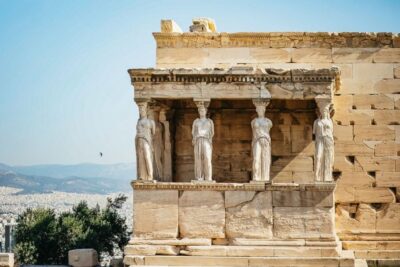
Acropolis, Parthenon & Acropolis Museum Guided Tour
Read our review →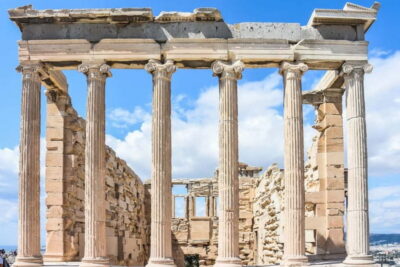
Acropolis, Parthenon & Acropolis Museum Guided Tour
Read our review →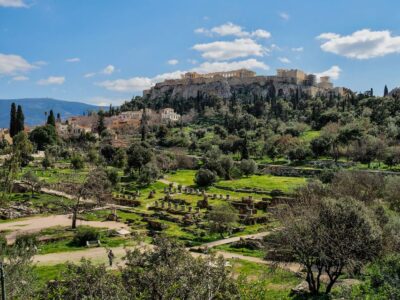

Acropolis monuments & Parthenon Walking Tour with Optional Acropolis Museum
Read our review →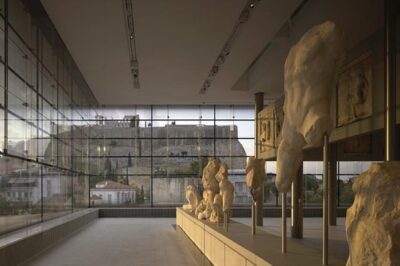
Athens All Included: Acropolis and Museum Guided Tour with Ticket
Read our review →Browse the lists this tour appears in