
Reviewed · DELPHI DAY TRIPS
Ancient Delphi Full-Day Tour from Athens
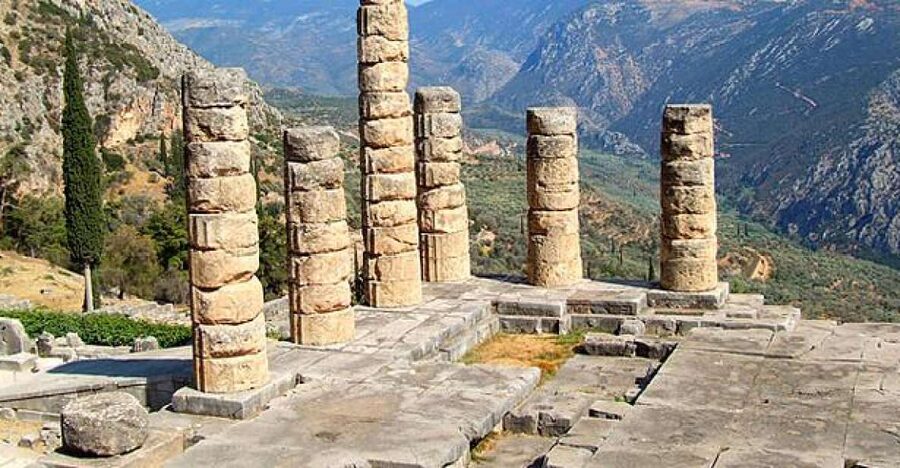
Delphi is the reason to take this trip. High on the slopes of Mount Parnassus, the sanctuary feels far removed from Athens, and the setting helps explain why ancient Greeks treated it as the Navel of the World. The bronze Charioteer, Naxian Sphinx, and Temple of Apollo give the visit real weight, not just a checklist of broken stones.
I like the museum-first flow, since seeing the Charioteer and Antinoos before walking among the ruins gives you useful context. I also like the practical design: hotel pickup, entrance fees, a three-course lunch, timed bathroom stops, and a pause in Arachova are all handled for you.
The drawback is the long road day. Athens traffic can eat into the schedule, and Delphi itself is steep and uneven. This is a poor fit for wheelchair users, people with mobility limits, or anyone seeking a relaxed afternoon rather than an eight-hour outing.
Key points to know before booking
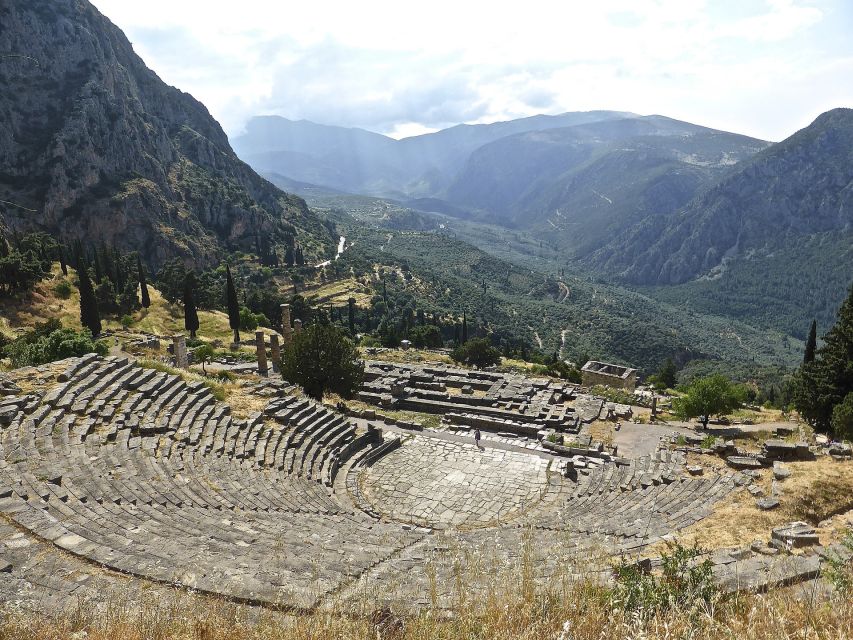
- Delphi gives you both ruins and major museum pieces: Visit the Temple of Apollo site, then see the bronze Charioteer, Naxian Sphinx, and Statue of Antinoos indoors.
- The route passes through central Greek towns: The drive includes Thebes, Levadia, and mountain scenery around Mount Parnassus.
- Lunch is part of the value: A substantial three-course Greek meal is included, though drinks and extra food cost more.
- Arachova adds a local shopping stop: Look for hand-woven carpets, rugs, quilts, wine, and cheese during the short visit.
- The day works best for active sightseers: Comfortable shoes matter, and the archaeological site is not suitable for people with mobility impairments.
- The group experience can vary: Recent departures have included a minibus group of about 13 people, while the guide’s involvement may depend on the departure.
Why Delphi makes the long trip worthwhile
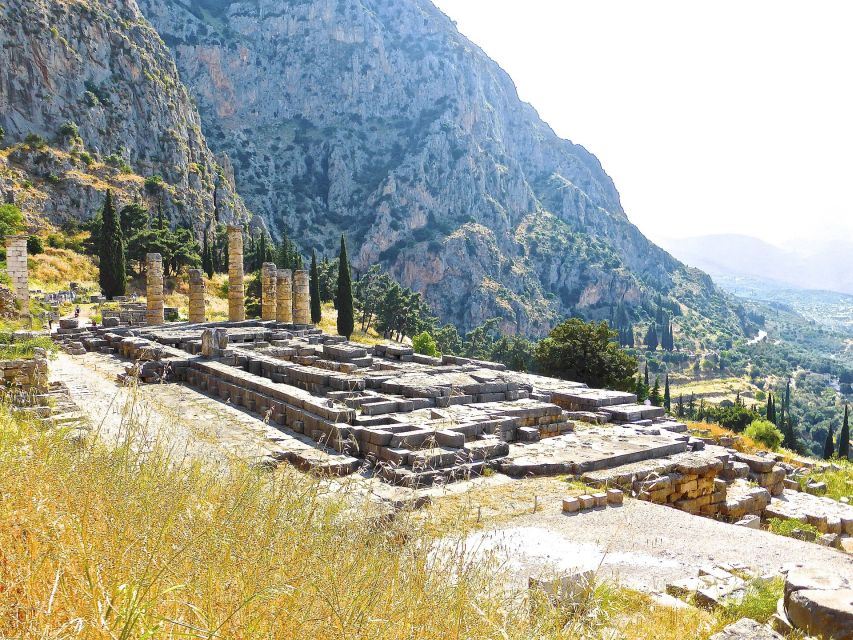
Delphi was one of ancient Greece’s most important religious centers. Pilgrims came to consult the oracle of Apollo, and the sanctuary drew people from across the Greek world. The site’s old name, the Navel of the World, reflects its symbolic importance.
You do not need a specialist’s interest in mythology to enjoy the place. The appeal comes from the combination of setting, sculpture, and story. The ruins climb the mountainside, with the Temple of Apollo at the heart of the sanctuary. As you look across the slopes, it becomes easier to understand why this location was considered sacred.
The trip from Athens takes you into a very different part of Greece. The road passes through Thebes and Levadia before climbing toward Parnassus. A full day is a fair amount of time for Delphi, but it is also a reminder that this is not a quick side trip. Heavy Athens traffic can make the road portion feel even longer, especially on the way back.
That is why I would not choose this tour if you have only a few hours free or dislike sitting in a vehicle. If Delphi is high on your list, though, the included transport removes the need to organize a long intercity journey yourself.
A few other Athens mornings to price up
- Athens: Mythology of Delphi, Museum and Arachova Guided Tour
★ 4.6 · 4,008 reviews - From Athens: Delphi Full Day V.R. Audio Guided Tour
★ 4.6 · 3,028 reviews - From Athens: Small-Group Delphi, Museum & Arachova Day Trip
★ 4.8 · 2,476 reviews
Leaving Athens through Thebes and Levadia
Pickup is available from hotels in central Athens. Depending on your hotel’s location, you may leave directly from the entrance or walk to a nearby meeting point. Since the tour starts early, have your shoes ready and keep your morning simple.
The road north takes you through Thebes and Levadia. These towns are part of the route rather than major sightseeing stops, so you should think of them as a gradual transition out of Athens. The city gives way to smaller communities and then to the mountains.
This part of the day matters because Delphi is not an isolated monument beside a motorway. The approach through central Greece helps you see the sanctuary in its proper setting. You will also appreciate the planned bathroom stops, particularly on a long day with a substantial drive.
The vehicle format can affect how comfortable the ride feels. One recent departure used a minibus with around 13 people and had a friendly mix of nationalities. A group of that size is small enough to feel more personal than a large coach, though you should still expect a shared schedule rather than the freedom of a private car.
Castalia Spring and the sacred approach
Castalia Spring is part of the sacred approach to Delphi. In the ancient world, springs and water sources had religious importance, and Castalia is closely tied to the sanctuary.
The stop helps frame the visit before you reach the main ruins. Delphi was not simply a collection of temples. It was a place where ritual, pilgrimage, politics, and art met. The spring offers a small but useful introduction to that wider purpose.
Do not expect a long independent walk at every point. This is a structured tour, and the time at each stop is planned so the group can reach the archaeological site, museum, lunch, and Arachova within eight hours. That efficiency is useful, but it means you may need to keep moving.
The Delphi Museum before the ruins
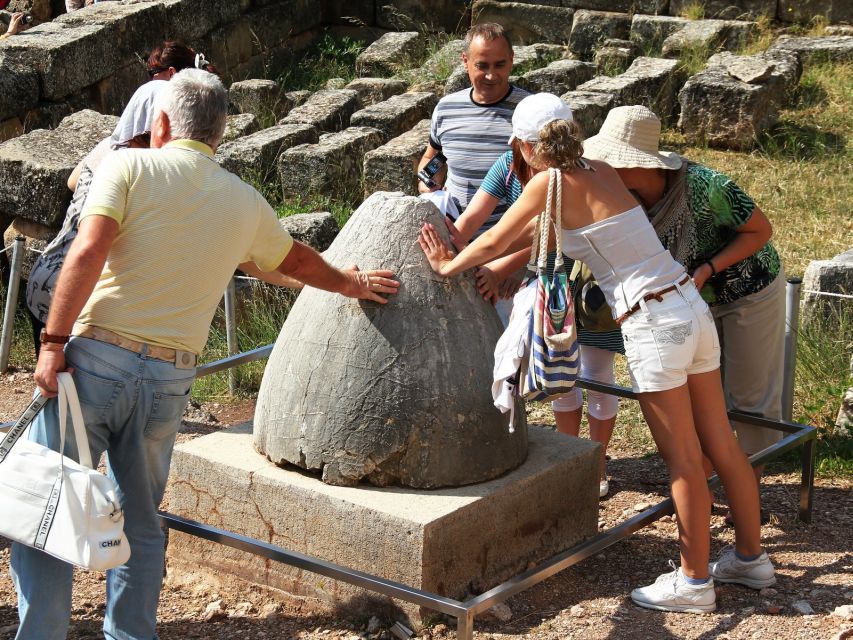
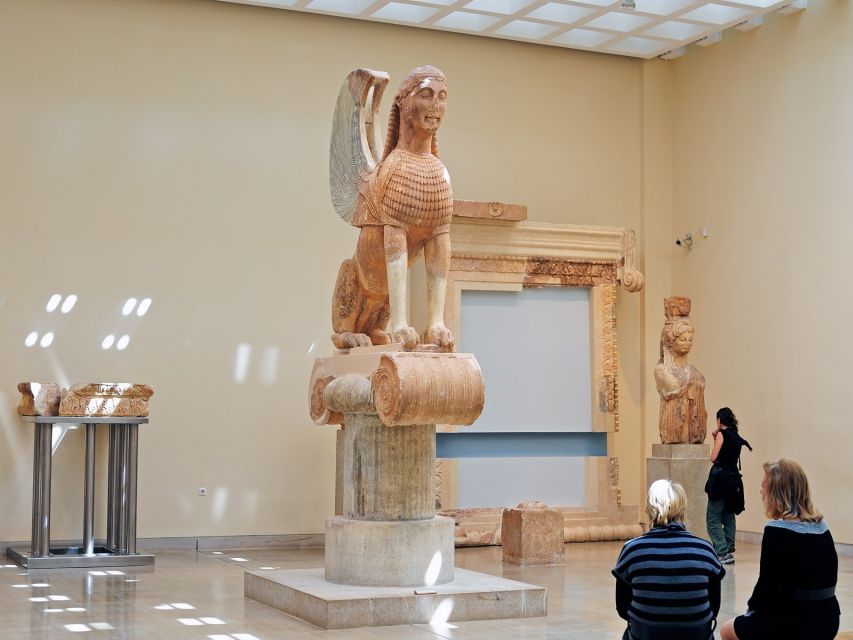
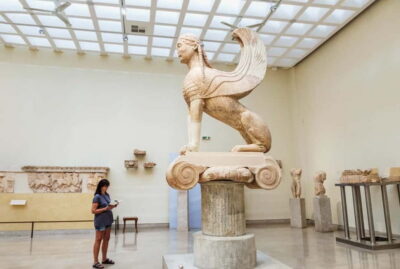
The Delphi Museum is one of the strongest parts of the day. The building holds important finds from the sanctuary, including the bronze Charioteer, the Naxian Sphinx, and the Statue of Antinoos.
Seeing the museum before the ruins is a smart order. Inside, you can examine the surviving sculpture and decorative details at close range. Once you walk outside, the broken columns and foundations make more sense because you have already seen examples of the art that once filled the sanctuary.
The bronze Charioteer is particularly important to the visit. A person seeing the site without preparation might look at scattered stones and have trouble picturing the original buildings. The museum gives you solid visual evidence of the skill and care that went into Delphi’s monuments.
One point to keep in mind is the guide arrangement. On at least one departure, the guide did not accompany the group into the ruins, and no printed visual aid was provided to show how the Charioteer may have looked in its original setting. That can make the outdoor part less clear for someone who wants a detailed explanation at every turn.
Other departures have featured a personable guide named Elena, along with a driver named Nicos. You should not assume the same staff will lead every date, but those names give you an idea of the best version of the experience: a good driver, a guide who explains the objects clearly, and a group that stays together.
Same island, an entirely different sort of day:
- Athens: Acropolis & up to 5 Archaeological Sites Combo Pass
★ 4.4 · 12,619 reviews - Athens: Acropolis Ticket with Optional Audio or Live Guide
★ 4.2 · 11,055 reviews - Athens: Acropolis, Parthenon & Acropolis Museum Guided Tour
★ 4.8 · 9,316 reviews - Athens: Cape Sounion & Poseidon Temple Sunset Half-Day Trip
★ 4.8 · 8,241 reviews
Walking up to the Temple of Apollo
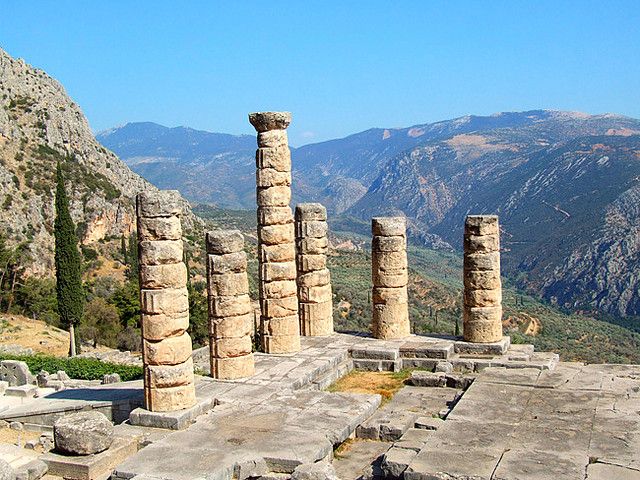
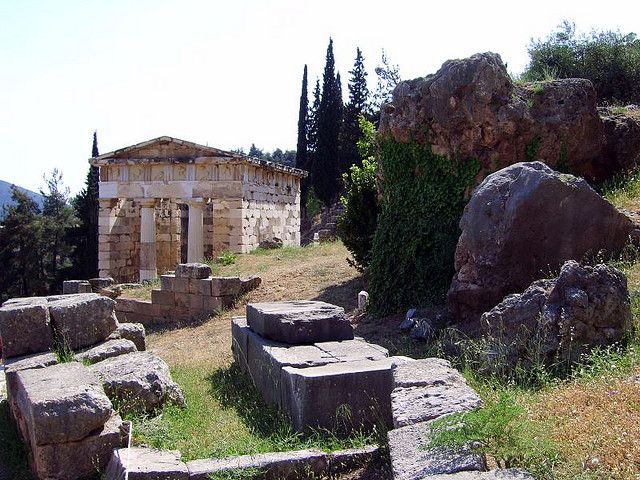
After the museum, you visit the archaeological site itself. The Temple of Apollo is the main focus, but the value lies in the whole sanctuary and its position on the mountain.
The site is not flat. You will walk over uneven ground and deal with an uphill setting, so comfortable shoes are essential. The ruins are exposed, and in summer the heat can be intense. One person found the heat made the visit difficult even while recognizing how interesting the site was.
Bring water, use sun protection, and pace yourself. Drinks are not included in the tour, so plan to buy or carry what you need within the rules of the day. The tour includes additional food only through the scheduled lunch, not as an open supply of snacks.
The outdoor visit rewards attention to small details. Look at the stonework, the surviving columns, and the way the sanctuary is arranged along the slope. The Naxian Sphinx, seen in the museum, also helps you picture the scale and ambition of the offerings once placed here.
A guide can add a lot at this stage, especially when the remains are difficult to read. If the guide stays with the group and explains the buildings in sequence, you gain a clearer sense of what you are seeing. If not, you may need to rely more on your own preparation and the museum visit.
A three-course Greek lunch
Lunch is included and served at a traditional restaurant. The meal is a practical feature, not just a pleasant extra. With transport, entrance fees, guiding, and a full day on foot, having a substantial meal built into the schedule saves you from arranging another stop.
The included meal is described as three courses, and one recent departure found it filling enough that no evening meal was needed. Another person thought the lunch could have been better, so you should keep your expectations sensible. This is a convenient group meal, not a carefully planned food tour.
Drinks are not included, and extra food or personal expenses are also separate. If you want wine, coffee, a soft drink, or something beyond the set meal, budget for it.
Lunch also gives you a proper break after the archaeological site. Delphi requires more energy than its postcard views suggest. A sit-down meal helps you reset before the return journey and the stop in Arachova.
Arachova on the way back
Arachova sits on the southern slopes of Mount Parnassus and has a very different feel from the ancient sanctuary. The village is known for hand-woven carpets, rugs, quilts, wine, and cheese.
The stop is short, so treat it as a chance to browse and buy a small souvenir rather than a full village tour. The local textiles are the most distinctive shopping option. If you prefer edible gifts, wine and cheese offer a practical alternative, though personal purchases are not included.
Arachova also breaks up the return drive. After a museum, ruins, and lunch, a few minutes among shops gives the day a change of pace. The mountain setting is another reason to keep your camera ready, although the time available may be limited.
Do not book this excursion mainly for Arachova. Delphi is the main event, and the village stop works best as a bonus. If you want a slow meal, extended shopping, or a long walk through the village, this schedule may feel too tight.
Is $141 a fair price?
At $141 per person, the tour is not the cheapest way to see Delphi. The price needs to cover a long round trip from Athens, a live English-speaking guide, hotel pickup and drop-off, entrance fees, and a three-course lunch.
For a first visit, I think the package can be good value. You do not need to arrange intercity transport, buy site tickets separately, find a restaurant, or work out how to combine Delphi with Arachova. The day is organized around the major sights, which is useful when your Athens stay is short.
The value drops if you care mainly about independence. You will follow the group’s timing, accept the assigned lunch arrangement, and have limited time for shopping. A person who already has a rental car and prefers long museum visits may get more from a self-guided trip.
The 4.3 rating from 50 submitted ratings suggests a generally strong experience with some unevenness. The most consistent strengths are organization, transportation, the substantial lunch, well-timed rest stops, and the quality of the Delphi visit when the guide is actively involved.
Who should take this Delphi tour?
I would recommend it to you if you want to see Delphi from Athens in one day without handling the logistics yourself. It suits first-time visitors, couples, solo visitors comfortable in a shared group, and anyone who values a guide and included admissions.
It is also a good fit if you want more than ruins. The museum, mountain drive, lunch, and Arachova stop create a fuller day than a simple transfer to the site.
You should think twice if you have mobility problems. The archaeological site is specifically not suitable for people with mobility impairments or wheelchair users, and it is a poor choice during pregnancy according to the activity restrictions. The ground and slopes are central to the experience, not minor details.
Heat is another serious consideration. Summer can be harsh at the exposed ruins, so spring, autumn, or a cooler departure may feel easier, though the tour operates according to availability. Comfortable walking shoes are required, and oversized luggage or large bags are not allowed.
Should you book it?
Book this tour if Delphi is a priority and you want an efficient Athens day trip with transport, tickets, lunch, a museum visit, and a short Arachova stop included. The museum-first order is a real advantage, and the combination of major artworks with the mountain setting gives you a better sense of Delphi than a rushed photo stop.
Skip it if you need a slow pace, close control over every stop, or easy access across the ruins. Also skip it if you are hoping for a food-focused or shopping-focused day. The road is long, the schedule is fixed, and the outdoor site can be hot.
For most physically able visitors with limited time in Athens, I would choose it for the convenience and the chance to see one of Greece’s great ancient sanctuaries without arranging the whole day yourself.
FAQ
How long is the Ancient Delphi tour from Athens?
The tour lasts 8 hours, including the journey from Athens, the Delphi archaeological site, the museum, lunch, the Arachova stop, and the return to Athens.
What is included in the tour price?
The price includes an English-speaking guide, hotel pickup and drop-off, entrance fees, and a three-course lunch.
Are drinks included with lunch?
No. Drinks, additional food, tips, and personal expenses are not included.
Is hotel pickup available in Athens?
Yes. Pickup is available from hotels in central Athens. Depending on the hotel’s location, pickup may be at the hotel or at a nearby walking-distance meeting point.
Which language is the tour conducted in?
The live tour guide service is in English.
What can I see at Delphi?
The itinerary includes Castalia Spring, the archaeological site of the Temple of Apollo, and the Delphi Museum. Museum highlights include the bronze Charioteer, the Naxian Sphinx, and the Statue of Antinoos.
Does the tour visit Arachova?
Yes. The return route includes a short stop in Arachova, where you have time to shop for hand-woven carpets, rugs, quilts, wine, and cheese.
What should I bring?
Bring comfortable shoes. You will walk through an archaeological site on uneven and sloping ground.
Is the tour suitable for wheelchair users or people with mobility impairments?
No. The activity is not suitable for wheelchair users or people with mobility impairments. It is also listed as unsuitable for pregnant women, and oversized luggage or large bags are not allowed.
Fresh on the Athens list
- Athens Airport Arrival Transfer to Hotels or Addresses in Athens★ 3.5 · 45 reviews
- Private Luxury Tour: Unveiling the Sacred Mysteries of Eleusis★ 5.0 · 45 reviews
- Luxury Catamaran Sunset Semi-Private & Greek Gastronomy in Athens★ 5.0 · 45 reviews
- From Athens: Aegina Island guided tour in a day★ 5.0 · 45 reviews
- Delphi, Thermopylae full day private tour from Athens★ 4.9 · 46 reviews
- From Athens: City & Corinth Guided Day Tour★ 4.8 · 46 reviews
- Acropolis Private Wine Tasting @ Finewine store★ 5.0 · 46 reviews
- Ancient Corinth Half-Day Private Tour from Athens★ 5.0 · 46 reviews
Delphi Day Trips, compared.
Mythology of Delphi, Museum and Arachova Guided Tour
Read our review →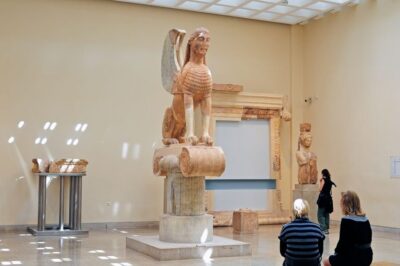

Small-Group Delphi, Museum & Arachova Day Trip
Read our review →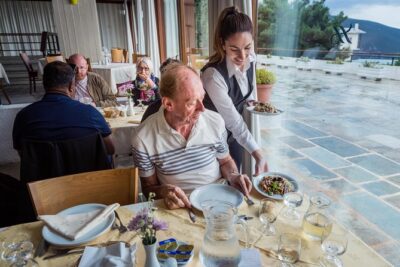
Delphi English Day Trip from Athens with Official Guide
Read our review →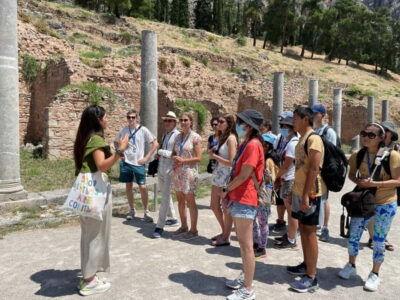
Delphi Guided Trip with Optional Lunch and Entry
Read our review →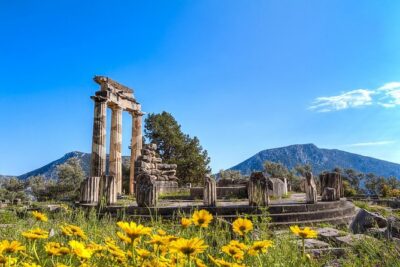
Historical Delphi One Day Tour with Arachova Stop & Expert Guide
Read our review →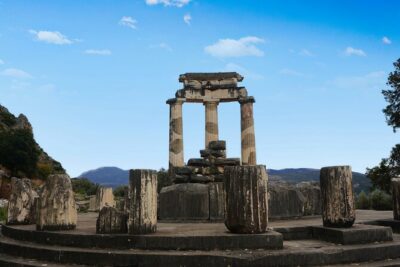
Premium Delphi Day Trip with an Expert Guide, Museum & Lunch
Read our review →
Browse the lists this tour appears in