
Reviewed · OLIVE OIL TASTINGS
Olive oil Mill Visit & Olive oil tasting Experience
Androusa’s olive oil experience connects the dots between ancient olive trees, family traditions, and modern production. You begin near the 13th-century castle, visit a traditional olive museum in the village, then learn how extra virgin olive oil is made before sitting down to taste several varieties.
I like the mix of history and hands-on tasting, and I especially like that the small bites are local: Kalamata olives, tapenade, bread, cheese, and vegetables. The guides, including Athanasia, Dimitra, Calliope, Georgia, Demeter, Stavroula, and Kalliopi, bring warmth and practical insight to the visit. The main consideration is timing: this 90-minute experience is not the full olive harvest or cooking day, and the machinery may not be running outside the production season.
Key points at a glance
- Start beside Androusa Castle: Meet at the 13th-century castle, about 20 minutes from Kalamata and 10 minutes from Ancient Messene.
- See two sides of olive making: Visit a traditional olive museum in a village building used for more than 120 years, then tour a modern olive oil mill.
- Learn to taste properly: An olive oil expert explains the smells, flavors, and faults that help define extra virgin olive oil.
- Try regional pairings: Taste Kalamata olives, olive tapenade, bread, cheese, vegetables, and several extra virgin oils.
- Keep the group personal: The maximum group size is 16 people, with a tour leader included.
- Plan your transport: An air-conditioned vehicle is not included, and the tour finishes where it starts.
Why Androusa is a smart setting for an olive oil tour
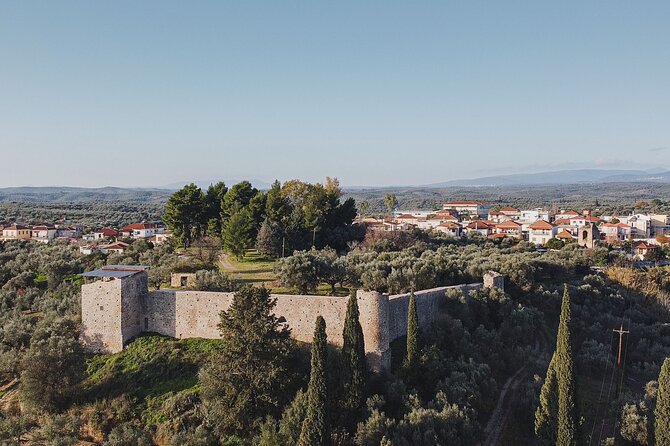
Messinia is one of Greece’s great olive-growing areas, and Androusa gives the subject a sense of place. This is not a tasting room detached from the countryside. The experience begins at a medieval castle in the middle of the region, then moves into the village itself and its long connection with olive farming.
The meeting point is on Epar.Od. Ellinoklissias-Androusa 29, in Androusa. From Kalamata, the drive takes about 20 minutes. From Ancient Messene, it takes about 10 minutes, making this an easy add-on if you are already visiting the archaeological site.
I like that the tour starts with local history rather than rushing straight to a bottle and a plate of food. The castle and village help explain why the olive tree is not just a crop here. It is tied to work, cooking, family life, and regional identity.
You should arrange your own transport carefully. The tour does not include an air-conditioned vehicle, so you need to reach the meeting point independently. The activity ends back at the same place, which makes planning simple if you are driving, but less convenient if you are relying on public transport or a taxi from farther away.
More olive oil tastings around Greece:
- Knossos-Zeus Cave -Old Traditional Villages-Olive Oil Factory
★ 5.0 · 694 reviews - The Governor’s Olive Mill Tour with Olive Oil Tasting
★ 5.0 · 502 reviews - From Chania: Olive Oil, Wine, Cheese & Honey Tasting Tour
★ 4.6 · 490 reviews
The old olive museum in the heart of the village
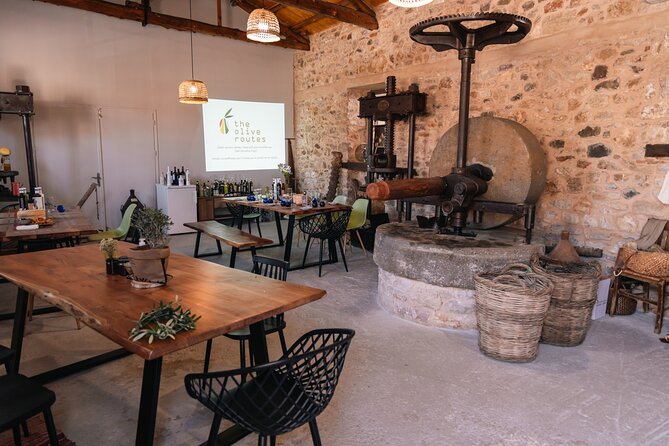
The traditional olive museum has been part of Androusa for more than 120 years. Its age gives the visit a useful contrast with the modern mill that follows. You get a sense of how olive oil was produced before today’s equipment made the process faster and more controlled.
This stop is especially worthwhile if you want more than a technical explanation. Olive oil can seem like a supermarket product until you see the tools, buildings, and methods connected to older village life. The museum helps put the modern process into context.
The guides also bring in the stories of the area’s perennial olive trees. You learn about local olive varieties, the age of some trees, and the role these trees have played in Messinia. A small olive treasure hunt game may be included, adding a little movement and fun to what could otherwise be a talk-heavy visit.
The museum is traditional, so do not expect a polished, large-scale museum with extensive displays. Its appeal is its local character. If you prefer modern exhibits and lots of written information, this part may feel brief. If you like old working spaces and personal explanation, it should be one of the more memorable stops.
Inside the modern olive oil mill
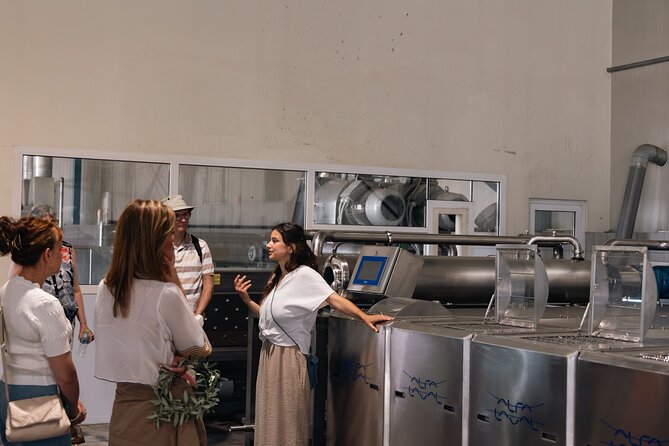
Next comes the modern mill, where the focus shifts from tradition to production. Your guide explains how olives become extra virgin olive oil and what separates this grade from lower-quality oil.
The important lesson is that extra virgin is not simply a marketing phrase. During the tasting workshop, you learn to recognize the sensory elements that help define it. The guide explains the oil’s organoleptic characteristics, meaning the qualities you can identify through smell, taste, and mouthfeel.
This is where the tour becomes useful at home. You are not only told that one oil is better than another. You are shown how to pay attention to the aroma and taste, and how to notice the qualities that make an oil fresh, balanced, and suitable for the extra virgin category.
The mill visit may be more about explanation than active machinery. If you visit outside the olive processing season, the equipment may not be running. That is a real limitation if your main goal is to watch the full production line in operation.
Still, the mill adds an important practical layer. You see how the old and new methods relate to one another, and you gain a clearer idea of the work behind the bottle you might buy. For a short tour, the balance between history, production, and tasting is well judged.
The olive oil tasting workshop
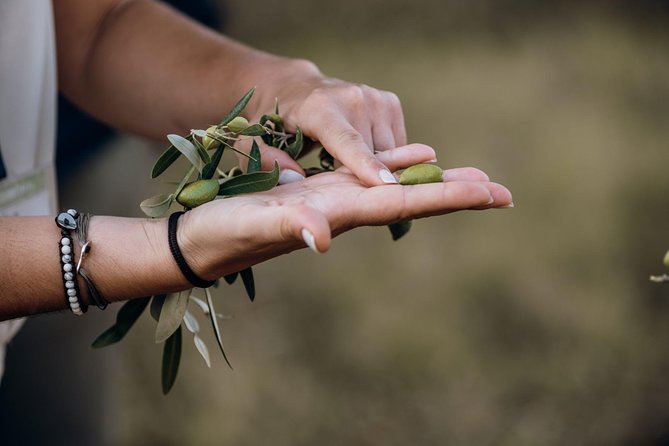
The tasting is the heart of the experience. An olive oil expert leads you through different varieties and shows you how to assess them instead of simply swallowing and choosing the one you like best.
You learn to pay attention to aroma, flavor, texture, and finish. The session is designed to help you recognize the elements that define extra virgin olive oil. That makes it useful for anyone who cooks, shops for oil, or wants to understand why Greek olive oils can taste so different from one another.
The tone is friendly and interactive. Athanasia is noted for her warm and engaging presentation, while Dimitra, Calliope, Georgia, Demeter, Stavroula, and Kalliopi are also involved in different parts of the wider Olive Routes program. Your exact host may vary, but the experience is built around personal instruction rather than a recorded presentation.
The tasting is not a formal meal. The included food consists of small local bites paired with the oils. That distinction matters. You should arrive expecting a generous sampling rather than lunch, even though some versions of the broader Olive Routes program have included a full homemade meal.
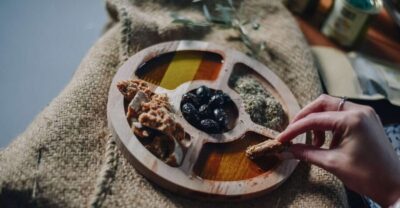
The pairings make the tasting easier and more enjoyable. Bread, cheese, and vegetables show how the oil works with simple foods. Kalamata olives and olive tapenade bring in familiar Messinian flavors, while the different oils let you compare how the same ingredients change with each oil.
I like this part because it turns an abstract lesson into something you can remember. After tasting oil with bread or vegetables, you have a better sense of how to use it in your own kitchen. You can also buy the products tasted during the visit, a handy option if you want to take home a practical souvenir instead of a generic keepsake.
A few other Greece mornings to price up
- Greek Food Walking Tour in Athens
★ 5.0 · 4,740 reviews - Athens: Street Food Tasting Tour
★ 4.9 · 2,557 reviews - Small Group Greek Traditional Food Tour in Athens 20+ Tastings
★ 5.0 · 1,759 reviews - Tour and Wine Tasting in Mykonian Land
★ 5.0 · 1,357 reviews
What the food adds to the experience
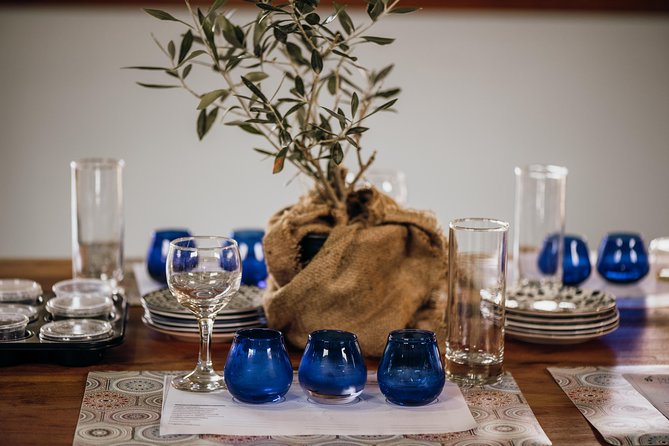
The food is modest in scale but important in purpose. Local products let you taste the region in a direct way, without dressing everything up. Kalamata olives, tapenade, cheese, bread, and vegetables are simple partners for olive oil, which means the oil remains the focus.
The homemade quality is part of the charm. The food is presented as something connected to local hospitality and family cooking, not as a restaurant menu. You may find the tasting substantial enough for a light snack, but lunch is not included in the listed price.
Some versions of the day may include more food, especially if combined with a cooking class or a longer olive grove visit. Do not assume that this 90-minute booking includes those extras. The listed experience is centered on the museum, modern mill, tasting workshop, and small pairings.
That shorter format works well if you are fitting Androusa between Kalamata and Ancient Messene. It also keeps the focus sharp. You can learn the basics, taste carefully, and still have time for another site or meal elsewhere.
Group size, pace, and guide style
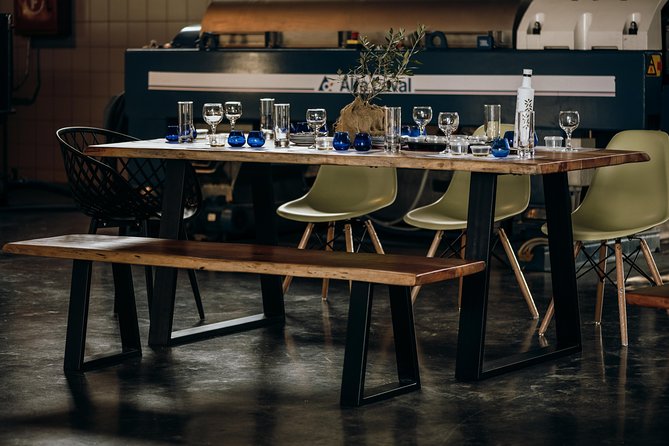
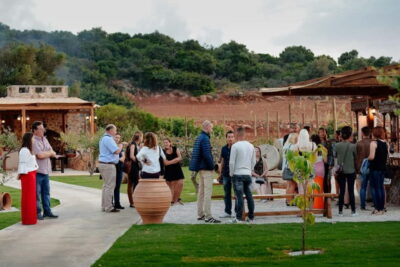
The maximum group size is 16 people. That is small enough for questions and discussion, though the feel will depend on the final number booked. A full group will not feel as private as a one-family visit, but it should remain more personal than a large bus tour.
The guides are a major part of the experience. The strongest feature is their passion for olive trees and Greek food traditions. They do not just explain machinery or farming terms. They connect olive oil with Messinian families, the village, and everyday meals.
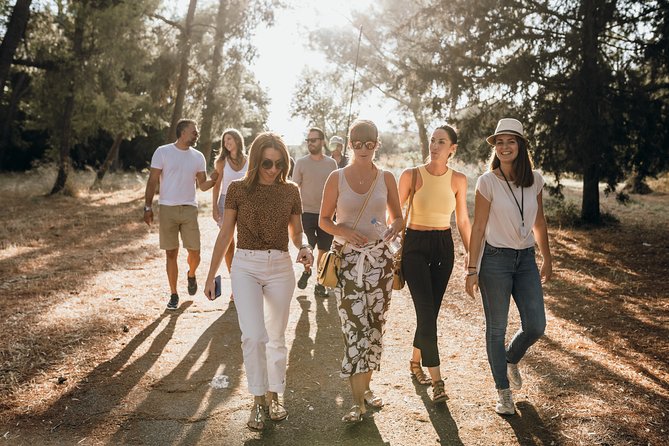
The pace is relaxed and informative. You will walk between the different elements of the visit and spend seated time tasting. Most people can participate, and service animals are allowed. The activity is offered in English.
Because the tour lasts about 1 hour and 30 minutes, it suits people who want a focused introduction rather than a full-day farm program. If you want to walk through olive groves, see fruit and herb gardens, or take a cooking class, ask about the provider’s other tours. A separate option includes olive groves and gardens.
Is $54.31 a fair price?

At $54.31 per person, the value depends on how you use the experience. You are paying for a tour leader, visits to both a traditional and modern olive facility, an olive oil tasting workshop led by an expert, and local food pairings.
That is a fair price if you are already in the Kalamata or Ancient Messene area and can reach Androusa without paying for a separate transfer. The castle setting, museum, instruction, and tasting give you several different activities in a compact visit.
The value is less clear if you expect transportation, a full lunch, or a working mill during harvest season. None of those are included in the stated package. You also need to budget for your own drive and any bottles or local goods you decide to purchase.
I would see it as a strong food-and-culture stop, not as a full agricultural day. You get enough background to understand the product and enough tasting to make the visit practical, but not an extensive olive farm expedition.
Who should book this experience?
I would recommend it to you if you enjoy food traditions, small museums, local history, and guided tastings. It is also a good choice if you are staying in Kalamata and want to see a village setting beyond the city.
It suits adults particularly well because the tasting depends on paying attention to subtle smells and flavors. Families can participate too, and the treasure hunt game may help younger visitors stay engaged, but the central focus remains olive oil education.
You should book it if you want to buy Greek olive oil with more confidence. The workshop gives you a vocabulary for comparing oils, and the tasting lets you try before you purchase.
You may want a different activity if your priority is watching the mill operate, walking through groves, or eating a full meal. The production machinery may be quiet outside the olive season, and lunch is not part of this package.
Book early if your dates are fixed. The experience is often reserved about 33 days ahead, and the group is capped at 16 people. You can cancel for a full refund up to 24 hours before the start time. Poor weather can also lead to a new date or a full refund.
My verdict on the Androusa olive oil visit
I would book this as a compact, well-rounded introduction to Messinian olive oil. The best parts are the old village museum, the clear tasting lesson, and the chance to pair the oils with Kalamata olives and homemade local foods.
The main limitation is scope. This is not a full farm day, not a guaranteed working-mill demonstration, and not a lunch tour. But if you want a focused 90-minute experience near Kalamata or Ancient Messene, it offers genuine local context and a pleasant way to understand what is in the bottle.
FAQ
Where does the olive oil experience start?
It starts at Epar.Od. Ellinoklissias-Androusa 29, in Androusa, Greece, near the 13th-century castle of Androusa.
Where does the activity end?
The experience ends back at the same meeting point in Androusa.
How far is Androusa from Kalamata?
Androusa is about a 20-minute drive from Kalamata.
How far is Androusa from Ancient Messene?
Androusa is about a 10-minute drive from Ancient Messene.
How long does the experience last?
The activity lasts approximately 1 hour and 30 minutes.
Is transportation included?
No. An air-conditioned vehicle is not included, so you must arrange your own transportation to and from the meeting point.
What food is included?
The tasting includes small local bites such as Kalamata olives, olive tapenade, bread, cheese, and vegetables paired with extra virgin olive oils.
Is lunch included?
No. Lunch is not included in this experience.
How many people can join the tour?
The maximum group size is 16 people.
Is the tour offered in English?
Yes. The experience is offered in English.
Can I cancel for a refund?
You can cancel up to 24 hours before the experience start time for a full refund. Cancellations or changes made less than 24 hours before the start time are not refunded. If poor weather causes the activity to be canceled, you will be offered a different date or a full refund.
Fresh on the Greece list
- Private Tour: Customize Your Perfect Day in Santorini★ 5.0 · 45 reviews
- From Thessaloniki:Day Trip to Dion, Litochoro &Mount Olympus★ 4.4 · 45 reviews
- Imerovigli: Premium Wine Tasting with Caldera and Sea Views★ 4.9 · 45 reviews
- Heraklion: Sunrise Balloon Flight & Sunset Catamaran Cruise★ 5.0 · 45 reviews
- Athens Airport Arrival Transfer to Hotels or Addresses in Athens★ 3.5 · 45 reviews
- Santorini_All time Classic in Santorini★ 5.0 · 45 reviews
- Hersonissos: Alar Spectacular Dinner Show★ 4.7 · 45 reviews
- Private Luxury Tour: Unveiling the Sacred Mysteries of Eleusis★ 5.0 · 45 reviews
Olive Oil Tastings, compared.
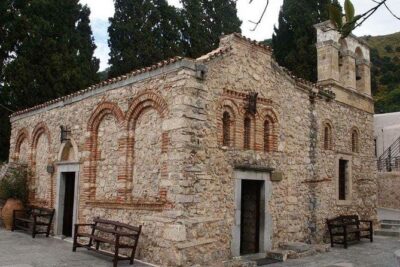
Knossos-Zeus Cave -Old Traditional Villages-Olive Oil Factory
Read our review →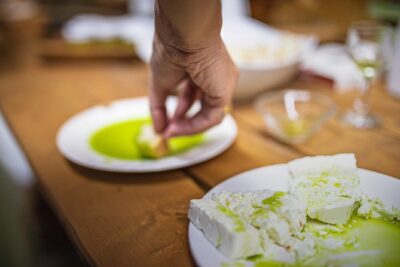
The Governor’s Olive Mill Tour with Olive Oil Tasting
Read our review →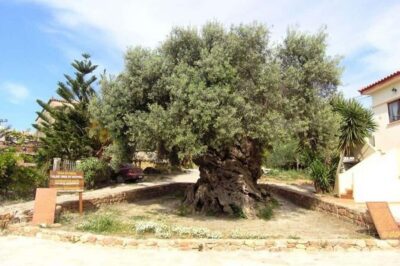
Olive Farm Tour with Tasting of Local Delicacies
Read our review →
Zeus Cave, Lassithi Plateau, Olive Oil Factory, Kritza, Pottery
Read our review →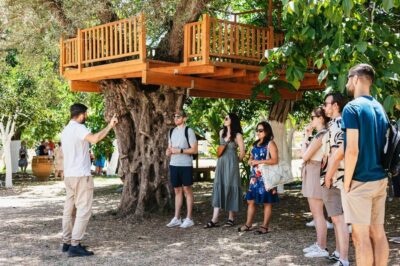
Knossos, Lasithi, Lasinthos and Olive Farm Combo Tour
Read our review →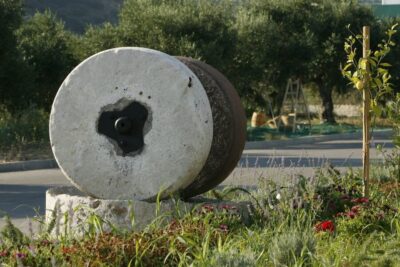
Browse the lists this tour appears in