
Reviewed · ANCIENT CORINTH & PELOPONNESE TOURS
4-Day Classical Greece Tour: Epidaurus, Mycenae, Olympia, Delphi, Meteora
The remarkable thing about this four-day tour is its sweep. You go from the Corinth Canal and the hilltop ruins of Mycenae to Olympia, Delphi, and the monasteries of Meteora, covering the backbone of ancient Greek history without arranging several hotels, tickets, and transfers yourself.
I like the excellent site selection, especially the mix of major archaeological areas and smaller stops such as Thermopylae and the Corinth Canal. I also like the practical setup: three breakfasts, three dinners, hotels, entrance tickets, and Athens transport are bundled into one price.
The tradeoff is time. Some days run from about 8:00 in the morning until 7:00 in the evening, and the road stretches are long. Hotel quality can also vary, and the 4-star label may not match North American expectations.
Key points to know before booking
- Five major UNESCO sites: Epidaurus, Mycenae, Olympia, Delphi, and Meteora form the main arc of the trip.
- A history-first itinerary: Your guide supplies context on Greek mythology, architecture, ancient politics, and the Olympic Games.
- Three hotel nights and most dinners included: Breakfast and dinner are provided, while lunches are paid separately.
- Long but worthwhile road days: The route covers more than 2,500 kilometers according to one detailed account of the circuit.
- Hotel standards are mixed: Amalia hotels are generally clean and comfortable, but some rooms and facilities feel dated.
- Group size can change: You may travel with a small group in a mini-coach, but some departures combine groups for the Delphi to Meteora section.
Why this route works so well
Classical Greece is spread across the mainland, not gathered around Athens in a neat cluster. Seeing the major sites independently means sorting out intercity buses, regional taxis, hotel transfers, and entrance tickets. This tour does that work for you.
The route also gives you a useful historical sequence. Mycenae introduces the Bronze Age world connected with Agamemnon and Homer. Olympia shifts the focus to sport and religious ceremony. Delphi brings in prophecy and Apollo, while Meteora takes you into the Christian era, with monasteries perched above the plains.
You are not simply moving from ruin to ruin. Between stops, the coach passes olive groves, farmland, seaside towns, mountain roads, and the dramatic bridge across the Gulf of Corinth. The scenery helps break up the history lessons, though you should still expect plenty of sitting.
A professional guide stays with the trip, and the strongest guides make a real difference. Names associated with especially effective departures include Joy, Xenia, Maria, Sophia, Foteini, Emilia, Dimitra, Eleni, and Jordan. Guide quality is not identical on every departure, so clear English and strong site interpretation are important things to value when choosing this kind of tour.
A few other Athens mornings to price up
- From Athens: Mycenae, Epidaurus & Nafplio Full Day Trip
★ 4.8 · 2,438 reviews - From Athens: Mycenae, Epidaurus & Nafplio Full-Day Tour
★ 4.5 · 1,580 reviews - From Athens: Ancient Corinth Day Trip with Canal & VR Guide
★ 4.6 · 1,073 reviews
Day 1: Epidaurus, Mycenae, and the Corinth Canal
Pickup from selected Athens hotels begins between 7:30 and 8:15 a.m., with departure from Leof. Vasilisis Amalias 10 at 8:30. The first day is packed, but it introduces two very different chapters of Greek culture.
The Ancient Theatre of Epidaurus is the morning highlight. Its famous acoustics and elegant stone design make it one of the most memorable ancient theaters in Greece. You get about an hour here, with admission included and a guide to explain how the theater fit into the sanctuary of Asklepios, the ancient healing god.
This is a site where a short visit can work well. The theater is visually clear, easy to understand, and rewarding even if you are not an archaeology specialist. Bring a hat and water, since shade can be limited and summer heat can build quickly.
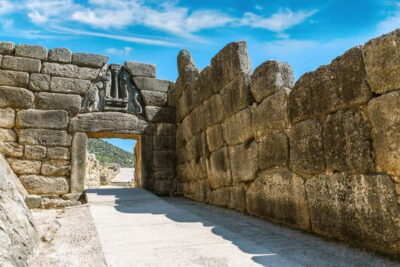
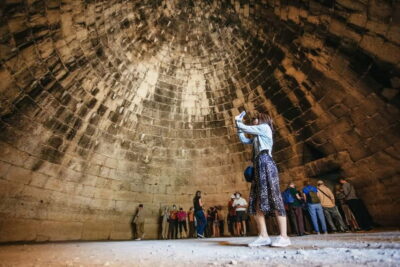
Mycenae comes next, with about 90 minutes at the archaeological site. The hilltop citadel, massive stone walls, palace remains, and royal tombs connect the ruins to the legendary world of Agamemnon. The setting also gives you wide views over the Argolid plain.
Mycenae requires more effort than Epidaurus. Expect uneven ground, stone paths, and walking over exposed terrain. Comfortable shoes are essential, and an umbrella can provide welcome shade on very hot days. Weather can change quickly too, so a light rain layer is sensible outside the peak summer season.
The Epidaurus Archaeological Museum receives about 15 minutes in the published schedule. It is a short museum visit, not a leisurely gallery tour, but it helps place the theater and sanctuary in context. Your guide provides the entry tickets, which saves time at each archaeological site.
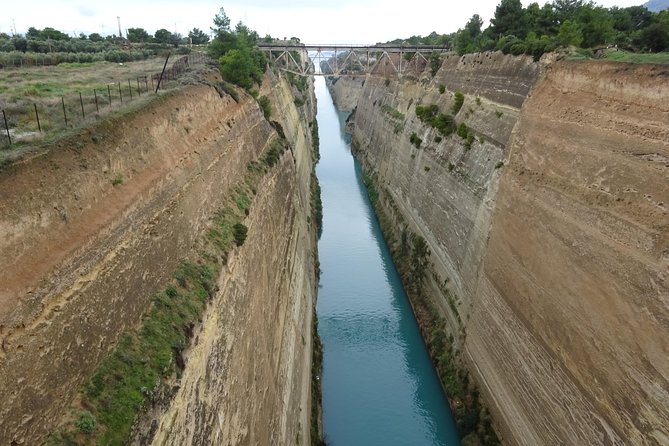
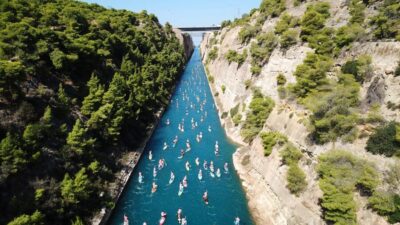
The Corinth Canal is a 20-minute photo stop. The narrow cut connects the Gulf of Corinth with the Saronic Gulf and separates the Peloponnese from mainland Greece. It is a modern engineering project rather than an ancient ruin, but it gives the day a useful change of pace.
Lunch is not included, so budget for a meal during the day. Dinner is included at the hotel. The first overnight is usually in Nafplio or the surrounding area, though the schedule can sometimes place you in Olympia instead. That change matters if you hoped for time in Nafplio, so check the final arrangements before departure.
Day 2: Olympia and the Gulf of Corinth
Day two begins after breakfast and heads toward Olympia, the birthplace of the ancient Olympic Games. The archaeological site receives about 90 minutes, followed by an hour in the museum.
Olympia was not only a sports venue. It was a major sanctuary dedicated to Zeus, and the athletic contests formed part of a larger religious festival. Your guide can help you see the stadium, temple remains, training areas, and sacred precinct as parts of one complex rather than disconnected stones.
The museum makes the site stronger. Sculptures and architectural pieces, including important works associated with the sanctuary, give you a clearer idea of what the buildings once looked like. The balance between outdoor ruins and indoor displays is especially helpful on a hot afternoon.
You pay for lunch yourself. The organized lunch stops are convenient, but they can be geared toward coach groups and may cost more than a simple local meal. You have limited time, so convenience is often the point rather than culinary discovery.
The route then crosses the impressive sea bridge over the Gulf of Corinth before dinner at the hotel. This is one of the more scenic travel sections, and you will appreciate it after a full morning on foot.
The hotels used on the route are often from the Amalia chain. Several rooms have been described as clean, comfortable, and equipped with balconies or patios, while some properties feel older and basic. Pools are available at some hotels, which can be a welcome relief during warm weather, but air conditioning has not always kept rooms as cool as visitors wanted.
Day 3: Delphi, Apollo, and the Tholos
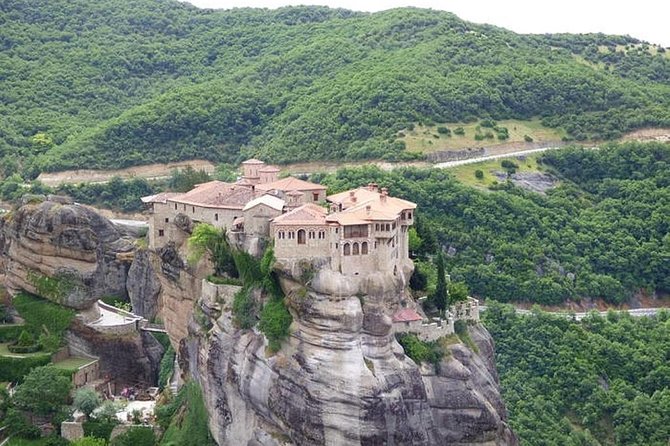
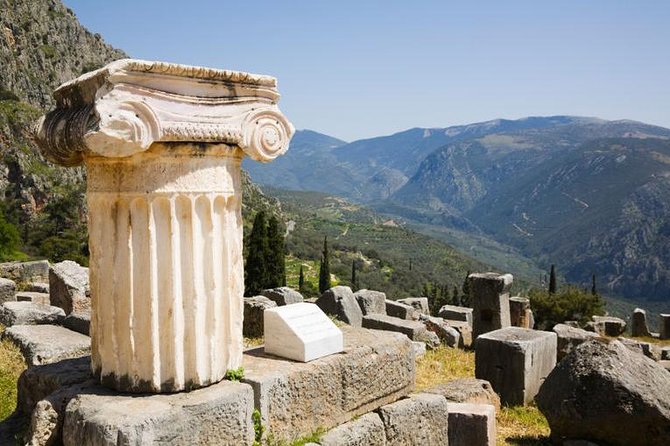
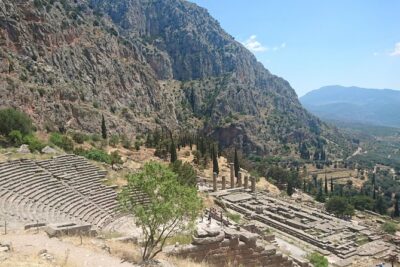
Delphi is the intellectual center of the tour. In the ancient world, people came here to consult the oracle of Apollo, and the sanctuary became one of Greece’s most influential religious sites.
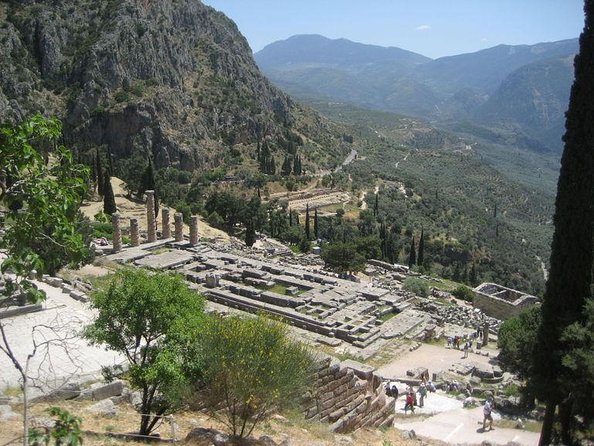
The main archaeological area takes about 90 minutes with your guide. It climbs along a mountainside, so expect slopes, uneven paving, and some effort in the heat. The location is part of the appeal: the sanctuary looks across the mountains and valleys, giving you a strong sense of why this place felt remote and sacred.
The Temple of Apollo is the central focus, but the guide’s explanation is what makes the scattered remains readable. You learn how pilgrims approached the sanctuary, how political communities used offerings to display their wealth, and how the oracle fit into Greek religious life.
Allow an hour for the Delphi Archaeological Museum. The bronze Charioteer of Delphi, along with sculpted figures and architectural fragments, provides some of the tour’s finest art. The museum is not just a backup plan for rain. It is necessary for understanding the skill and visual ambition behind the ruins outside.
The Tholos of Athena Pronaia is a separate stop, usually about 30 minutes. Its circular form is one of the most photographed structures in Delphi, even though only part of the original complex survives. It is a shorter visit, but it helps you see that Delphi extended beyond the main sanctuary.
Lunch is again at your own expense. Rest stops are built into the long driving days, including time for toilets and snacks. You should still carry water, since the timetable moves quickly and there may not be much free time between the guide’s explanation, photographs, and museum entry.
This is often the day when group arrangements become important. Some departures remain small, with around 9 to 26 people and a comfortable mini-coach. Other departures combine groups after Delphi, sometimes producing a much larger bus and bilingual commentary. French-language service is available only on Mondays, and winter departures operate in English only.
Same island, an entirely different sort of day:
- Athens: Acropolis & up to 5 Archaeological Sites Combo Pass
★ 4.4 · 12,619 reviews - Athens: Acropolis Ticket with Optional Audio or Live Guide
★ 4.2 · 11,055 reviews - Athens: Acropolis, Parthenon & Acropolis Museum Guided Tour
★ 4.8 · 9,316 reviews - Athens: Cape Sounion & Poseidon Temple Sunset Half-Day Trip
★ 4.8 · 8,241 reviews
Day 4: Meteora and the Leonidas Monument
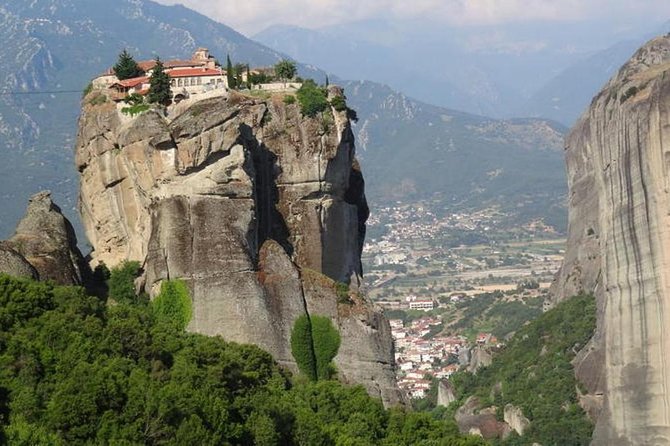
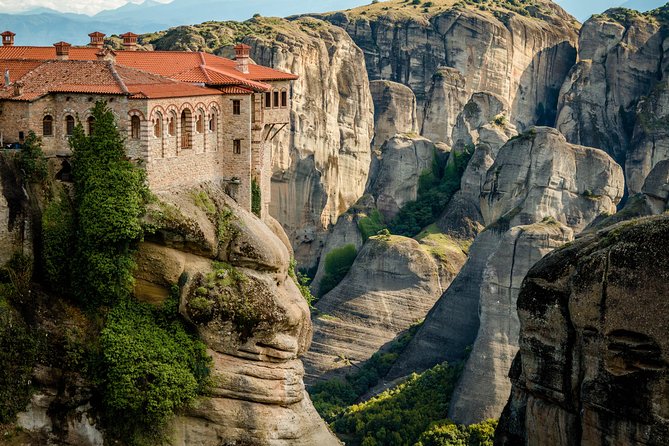
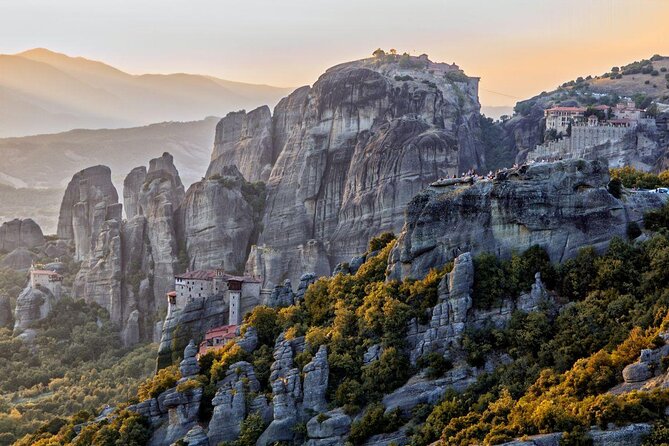
Meteora changes the mood completely. Instead of low ruins spread across an open site, you see monasteries built on tall rock pillars above Kalambaka. The setting is visually striking, and the visit adds medieval religious history to a tour otherwise centered on ancient Greece.
The schedule allows about an hour in the Meteora area. Entrance is included for two monasteries, but the route and exact monasteries can vary. Do not treat this as a slow monastery-hopping day. It is a short visit within a long return journey to Athens.
Places of worship require modest clothing. Men and women must cover knees and shoulders, and shorts or sleeveless tops can lead to refused entry. Pack a scarf, light trousers, or a shirt with sleeves so you are ready without having to buy something on site.
The final stop is the Leonidas Monument at Thermopylae, about 15 minutes. The statue recalls the Spartan king and the battle in which a small Greek force held off a much larger Persian army. It is a brief roadside stop, but it gives the journey a memorable closing image.
The coach returns to Athens at about 7:00 p.m., depending on traffic. Drop-off is at the same meeting point as pickup, not at an airport, port, private apartment, or Airbnb. If you have a flight or cruise that evening, this timing is too uncertain for comfort.
Hotels, meals, and the real value of the price
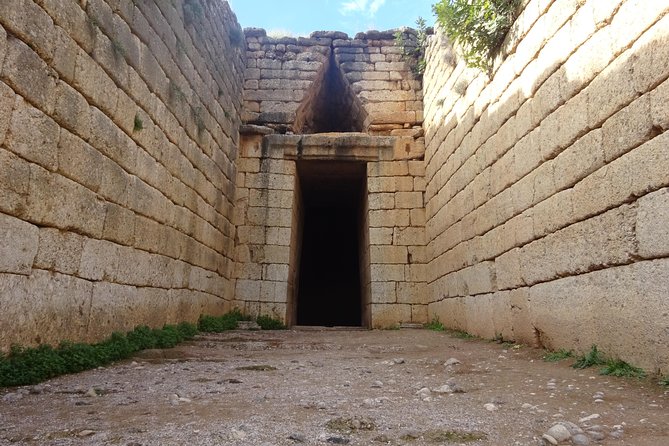
At $766.70 per person, this tour offers a lot of transport and admissions for a four-day mainland circuit. Five major archaeological destinations, two Meteora monasteries, three hotel nights, three breakfasts, and three dinners are included. You also avoid paying separate entrance fees at Mycenae, Epidaurus, Olympia, Delphi, and the monasteries.
The value is strongest if you want convenience and a broad first look at mainland Greece. A private version would cost much more, while arranging the same route independently would require careful transport planning and several hotel bookings.
Do not book it as a luxury tour. The tourist-class and 4-star options may differ, but the advertised 4-star level does not always match international standards. Some properties are clean and pleasant yet dated, closer to a solid 2-star or 3-star experience by North American measures.
Meals are buffet-style breakfasts and dinners at the hotels. You get plenty of choice and a useful chance to try Greek dishes, fruit, vegetables, and desserts. The menus can feel similar from one hotel to the next, and dinner quality is not perfectly consistent.
Lunches are excluded. That keeps the headline price lower and gives you some choice, but the organized stops may feel tourist-oriented. Plan on paying separately each day and keep a little cash or a card available.
Room arrangements depend on the booking. Two adults share one double or twin room, three adults share a triple room, and larger parties receive the required number of rooms. A single supplement applies when needed, and an environmental fee of €10 per room per night is paid at hotel reception.
Group size, buses, and guide quality
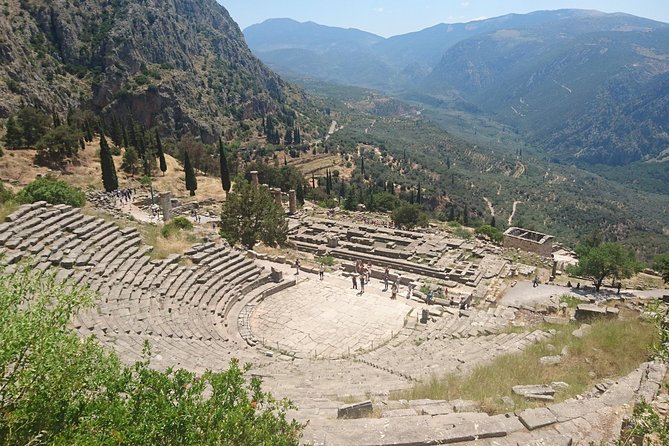
A maximum of 40 people is listed, but the actual group can be much smaller. A group of 9 or 14 makes boarding, museum visits, and walking stops easier. A group of around 26 can still be comfortable, while a full coach feels less personal.
The most important operational warning is the possible change in group size between Delphi and Meteora. Some departures begin in a small bus and later join a larger group. That can mean less individual attention and commentary delivered in more than one language.
The best guides turn long bus rides into useful preparation for the next site. Strong departures have included guides such as Joy, Xenia, Maria, Jordan, and Emilia, who explained mythology, art, architecture, and ancient society in clear English. The driver matters too, since the route includes narrow roads, mountain bends, and tight parking areas.
The tour requires moderate physical fitness. You will walk over cobblestones, marble, rocks, slopes, and exposed archaeological ground. Wear shoes with a firm sole, carry water, and bring sun protection. An umbrella can be handy for shade as well as rain.
Who should book this four-day Greece tour?
I would choose this tour if you want the major mainland sites in one organized trip and prefer learning as you go. It suits adults, families with older children, solo visitors, and anyone combining mainland Greece with a later island cruise.
Children who already love mythology may enjoy it. Very young children may struggle with the long drives, heat, walking, and extended guide talks. The schedule is full, with little time for aimless wandering.
You should also book it if you value logistics over independent dining and boutique hotels. You get a safe driver, a set route, regular comfort stops, and a guide who keeps the group moving.
I would hesitate if your priorities are luxury rooms, local restaurants every day, late mornings, or long free periods at each ruin. The tour gives you a strong overview, not a slow, highly personalized stay in each region.
Should you book it?
Book this tour if five major archaeological sites matter more to you than hotel polish. At $766.70, the combination of transport, admissions, three hotel nights, breakfasts, dinners, and guided visits offers solid value for a demanding route.
Before paying, confirm the hotel category, ask how your departure handles the Delphi to Meteora transfer, and prepare for shared rooms unless you pay the single supplement. With good walking shoes, modest clothing for Meteora, water, and realistic expectations about long days, this is one of the more efficient ways to see Classical Greece beyond Athens.
FAQ
What is included in the four-day Classical Greece tour?
The tour includes a professional guide, an air-conditioned vehicle, selected-hotel pickup and drop-off, three hotel nights, three breakfasts, three dinners, entrance tickets to Mycenae, Epidaurus, Olympia, Delphi, and two Meteora monasteries.
Are lunches included?
No. Lunch is not included, so you pay for midday meals during the tour. Breakfast and dinner are included at the hotels.
Where does the tour start and end?
The main departure point is Leof. Vasilisis Amalias 10 in Athens. Selected hotels can receive pickup between 7:30 and 8:15 a.m. The tour returns to the same meeting point at about 7:00 p.m. on day four, depending on traffic.
What kind of hotels are used?
You can choose tourist-class or 4-star accommodation, subject to the booking option. The tour may use Amalia hotels. Room arrangements depend on the number of people in the booking, and a single supplement applies when required.
Do I need special clothing for Meteora?
Yes. Places of worship require knees and shoulders to be covered for both men and women. Shorts and sleeveless tops are not allowed, and you may be refused entry if you do not meet the dress code.
Can I cancel the tour for a full refund?
You can cancel up to 24 hours before the local start time for a full refund. Changes or cancellations made less than 24 hours before departure are not accepted for a refund.
More Delphi Day Trips in Athens
- Athens: Mythology of Delphi, Museum and Arachova Guided Tour
★ 4.6 · 4,008 reviews - From Athens: Delphi Full Day V.R. Audio Guided Tour
★ 4.6 · 3,028 reviews - From Athens: Small-Group Delphi, Museum & Arachova Day Trip
★ 4.8 · 2,476 reviews - Delphi English Day Trip from Athens with Official Guide
★ 4.5 · 2,199 reviews
More Meteora Monasteries Tours in Athens
- Athens: Meteora Monasteries Day Trip with Caves and Lunch
★ 4.7 · 2,964 reviews - Athens: Meteora Monasteries Day Tour with Lunch
★ 4.8 · 2,196 reviews - Athens: Meteora Tour with Local Guide and Greek Lunch
★ 4.8 · 1,561 reviews - Athens: Meteora Monasteries, Caves & Coastal Stopovers with Lunch
★ 4.5 · 1,432 reviews
Fresh on the Athens list
- Athens Airport Arrival Transfer to Hotels or Addresses in Athens★ 3.5 · 45 reviews
- Private Luxury Tour: Unveiling the Sacred Mysteries of Eleusis★ 5.0 · 45 reviews
- Luxury Catamaran Sunset Semi-Private & Greek Gastronomy in Athens★ 5.0 · 45 reviews
- From Athens: Aegina Island guided tour in a day★ 5.0 · 45 reviews
- Delphi, Thermopylae full day private tour from Athens★ 4.9 · 46 reviews
- From Athens: City & Corinth Guided Day Tour★ 4.8 · 46 reviews
- Acropolis Private Wine Tasting @ Finewine store★ 5.0 · 46 reviews
- Ancient Corinth Half-Day Private Tour from Athens★ 5.0 · 46 reviews
Ancient Corinth & Peloponnese Tours, compared.
Ancient Corinth Day Trip with Canal & VR Guide
Read our review →
Private Biblical Tour Ancient Corinth & Isthmus Canal from Athens
Read our review →
Ancient Corinth & Nafplio Full Day Trip with Swim
Read our review →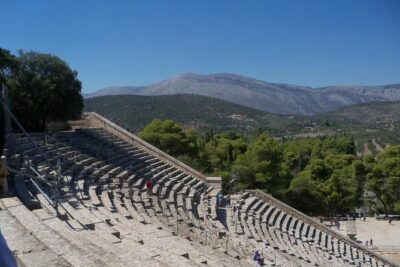
Mycenae and Nafplion Day Trip from Athens with Official guide
Read our review →
3-Day Classical Greece Tour: Epidaurus, Mycenae, Nafplion, Olympia, Delphi
Read our review →Browse the lists this tour appears in