
Reviewed · ATHENS TOURS
Athens Shore Excursion: Small-Group Food Tour
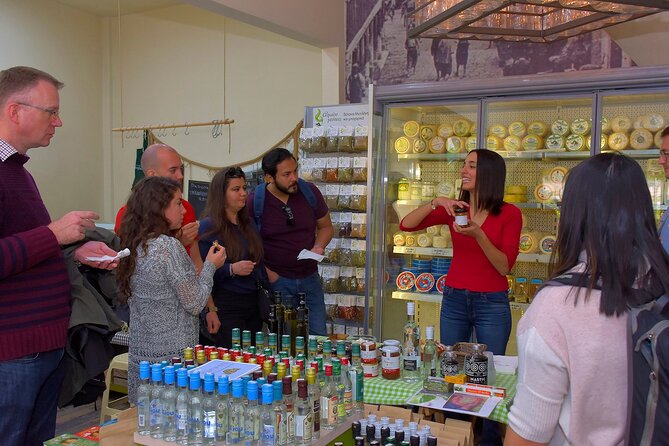
Athens tastes most interesting away from the postcard sights. This four-hour walk leads you through Varvakeios Market, spice shops, bakeries, cafés, and local food stores, with samples ranging from sesame-covered koulouri to loukoumades, olive oil, market produce, and a filling gyro. Guides such as Eva, Artemis, Fotis, Theo, and Katerina have been praised for tying food to Greek customs and city life.
I like the easy Piraeus Port pickup and return, which removes the usual cruise-day transport worry. I also like the free time in Plaka afterward, since you can use it for shops, cafés, the Acropolis, or the Acropolis Museum. The main caution is the walking: expect roughly 3.5 to 4.5 miles, and ask the guide to slow down if you need an easier pace.
Key points to know before booking
- Varvakeios Market gives you a working-Athens view: Expect meat, fish, fruit, vegetables, herbs, spices, and specialty food stalls rather than a polished tourist market.
- Come hungry: Tastings can build into a full morning of food and may finish with a substantial gyro.
- Your guide makes the difference: Past guides including Eva, Artemis, Nike, Orestis, Fotis, Theo, Despina, Sophie, and Katerina have been praised for warmth, humor, and local insight.
- Plan for a long walk: Narrow streets, several stops, and a brisk pace make comfortable shoes essential.
- Plaka time is included: After the food walk, you have time to explore independently before the ride back to Piraeus.
- Check the group limit: The tour is promoted as a small-group experience limited to 14 people, while the additional information gives a maximum of 24.
A food-first way to spend a cruise day in Athens
If you have already seen the Acropolis, or simply want something different from a morning of temples and museums, this is a smart change of pace. You still see central Athens, but food becomes your guide to the city.
The tour begins at 8:45 a.m. with pickup at the Port of Piraeus. From there, round-trip transportation takes you into central Athens for the walking portion. That transfer matters on a cruise stop. You avoid figuring out taxis, metro connections, or port traffic on your own, and the return ride is arranged for you.
The walking route visits several food stops rather than one long sit-down meal. That format lets you sample many Greek specialties and see how food shops fit into everyday city life. You may eat from bakeries, small cafés, specialty stores, market stalls, and restaurants as the morning unfolds.
I like this approach because Athens can feel very different once you move beyond the Acropolis zone. The route takes you through older neighborhoods and working commercial streets, where butcher shops, spice merchants, produce sellers, and small food businesses provide a more ordinary view of the capital.
More Food Tours in Athens
- Greek Food Walking Tour in Athens
★ 5.0 · 4,740 reviews - Athens: Street Food Tasting Tour
★ 4.9 · 2,557 reviews - Small Group Greek Traditional Food Tour in Athens 20+ Tastings
★ 5.0 · 1,759 reviews
Starting with Greek breakfast treats
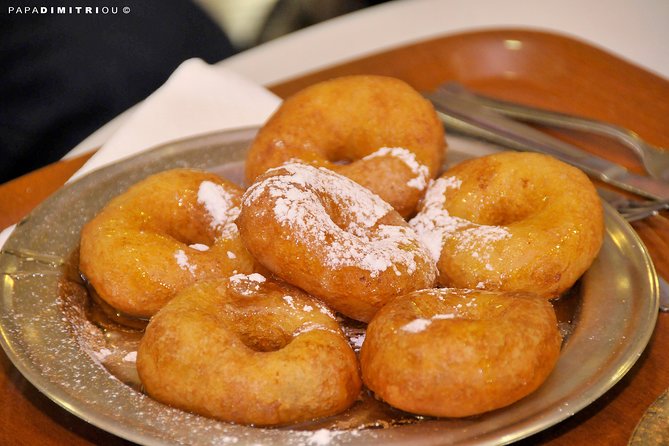
The morning usually begins with lighter foods, though the total amount can become surprisingly large. Koulouri, a ring-shaped bread covered with sesame, is one of the classic early bites. It is simple, portable, and closely tied to the daily rhythm of Greek city life.
You may also sample pastries such as loukoumades. These small fried dough treats are served with syrup and can be sweet enough to make you rethink that hotel breakfast. Several stops may include bread, pastries, savory bites, and drinks, so I would skip a large breakfast before meeting the guide.
The exact food lineup can change. This is not a fixed restaurant menu, and market conditions or shop availability may affect the stops. That is normal for a food walk, but it is worth knowing if you want a precise meal plan.
Some food stops have included vegetables, wine, seafood, cured products, olive oil, and other small portions. One route included green beans and wine at a café, while another finished with a large gyro in a comfortable restaurant. The tour is designed around sampling, but the cumulative amount can feel like lunch.
Seeing Varvakeios Market up close
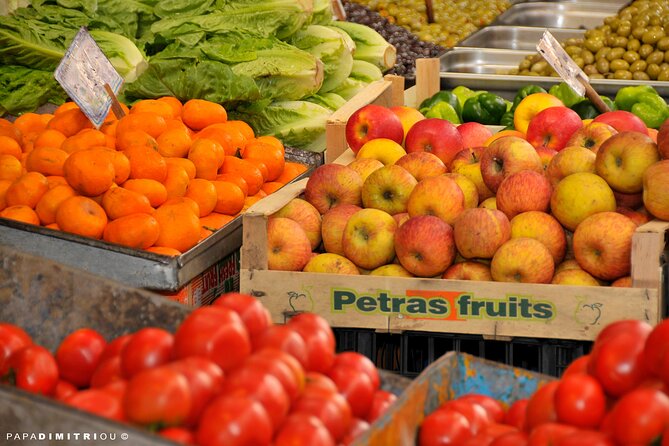
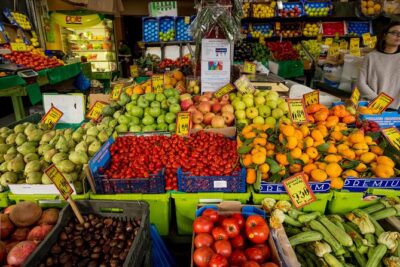
Varvakeios is the heart of the route for many people. This central market area brings together meat and fish sellers, fruit and vegetable stalls, herbs, spices, and other ingredients used in Greek cooking.
The market is not just a place to grab a snack. It helps explain the food culture you are tasting. Your guide can point out ingredients, describe how they are used, and explain the role of markets in Athens. The setting is practical and busy, with the sights and smells of a working food center.
I especially like this part for anyone who has already checked off the major monuments. The market shows you a side of Athens that a standard sightseeing bus will not. It also gives context to dishes you might otherwise treat as isolated recipes.
Be aware that markets can mean strong smells, crowded aisles, and uneven walking surfaces. The route includes narrow streets, though the reports indicate there are not many stairs. Stay near the guide, especially during explanations. One useful caution is that commentary can be hard to hear if you fall behind.
Specialty shops, spices, olive oil, and local bites
The walk continues through small stores and food businesses. Spice shops are a recurring highlight, and the selection of herbs, dried goods, and seasonings gives you a quick lesson in the building blocks of Greek cooking.
Olive oil is another strong point. One stop has featured a shop carrying products from small Greek producers, with an owner sharing information about the goods. You may learn how olive oil is made, how to taste it, and how it fits into local meals. The exact presentation depends on who is working that day.
Other stops can include specialty foods, meat, seafood, sausage, cured products, and unusual samples. One person specifically enjoyed tasting camel meat, which shows that the route may go beyond the familiar Greek staples. You should not assume every tour includes that item, but you can expect variety.
The best part of these shops is the direct connection between product and place. You are not just eating a prepared dish. You are seeing where ingredients are sold and meeting people involved in Athens food culture.
There is one tradeoff. Some food stops are brief, and not every shop is a full tasting session. If you want generous portions at every stop, this may feel lighter than expected. If you prefer small samples spread across a city walk, the format works well.
More Shore Excursions in Athens
- Athens Shore Excursion: Athens and Piraeus Hop-On Hop-Off Bus Tour
★ 4.0 · 617 reviews - Essential Athens Full Day Private Tour – Best Shore Excursion
★ 5.0 · 168 reviews - Athens Shore Excursion: Acropolis Walking Tour
★ 4.5 · 131 reviews
How the guides shape the experience
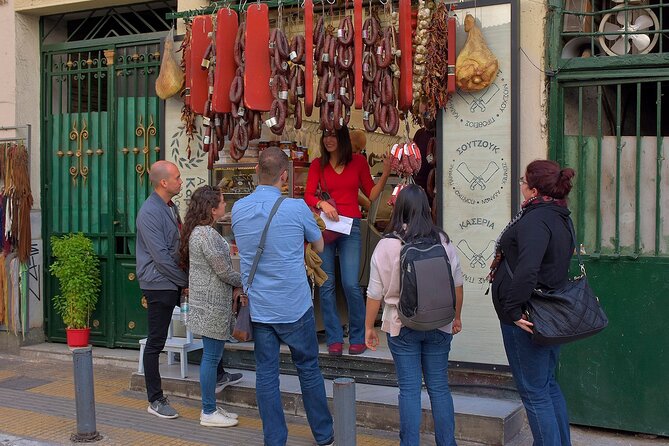
The guide is central to this tour. The most praised guides have been described as warm, funny, attentive, and well informed about Athens, Greek food, social customs, and local history.
Eva has been singled out for her relationships with shop owners and her lively presentation of Greek food culture. Artemis has been praised for leading people to lesser-known culinary stops while adding humor and city background. Fotis has been noted for explaining the sights and customs along the route, not just naming the food.
Other guides named in the feedback include Nike, Katerina, Orestis, Theo, Despina, and Sophie. That list tells you something useful: the company has several experienced guides, but the tone of your morning will depend on who leads your departure.
A small group helps here. Narrow Athens streets are easier to manage when you are not part of a large crowd, and it is easier to ask questions at a shop or market stall. The tour highlights a limit of 14 people, although the additional details list a maximum of 24. I would confirm the expected group size when booking if that point matters to you.
The guide also needs to manage the walking pace. Most feedback praises the guides for keeping groups together, but two accounts raise a clear concern about a brisk pace. If you have a mobility limitation, contact the operator in advance and remind the guide at the start. The route is described as suitable for most people, but it is still a substantial urban walk.
The walking demands are real
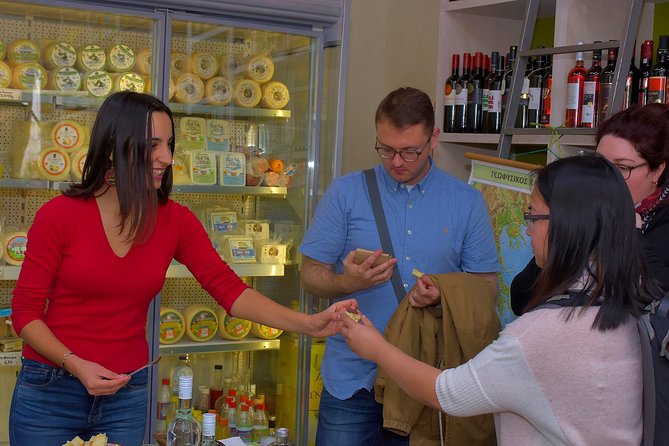
Four hours sounds manageable until you add market aisles, food stops, city sidewalks, and the walk to the later meeting point. One account estimated the full distance at about 3.5 to 4.5 miles.
This is not a strenuous hike, and there are few stairs, but it is active. You may be on your feet for much of the morning, often moving between stops. Wear comfortable walking shoes, bring sunscreen, and carry a hat in sunny weather. Dress for the forecast.
If you want to photograph food stalls or browse carefully, stay close to the guide and mention it. A guide may need to keep the group moving to fit all the stops and the return transfer. You should not expect a slow, open-ended market visit.
Rain does not necessarily ruin the experience. The route includes indoor shops, cafés, and food businesses, but you should still dress for wet weather and slippery pavement. The tour continues in normal conditions unless the operator says otherwise.
Making the most of your Plaka free time
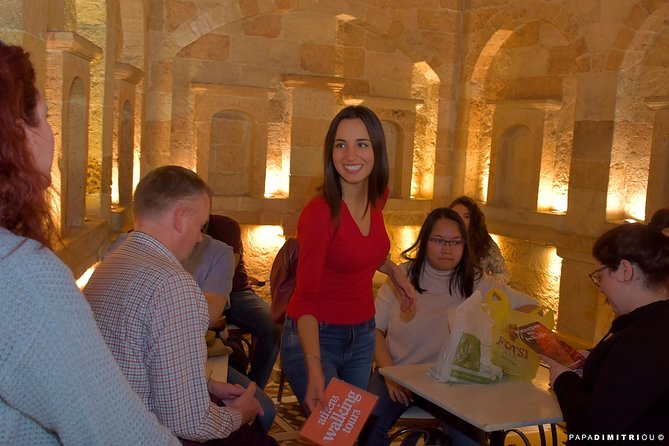
After the walking tour, you receive free time in Plaka. This is a useful addition because the food route and the historic center serve different purposes.
You can browse shops, sit in a café, or walk toward the Acropolis. One person used the free time to visit the Parthenon, while another went to the Acropolis Museum. The tour does not include entrance tickets to those attractions, so you would need to arrange and pay for them separately.
Use this time with care. The return transfer does not necessarily happen immediately after the walking tour. Some departures have involved a wait of several hours, and the pickup point may be a fair distance from where the food walk ends.
That delay can be useful if you want independent sightseeing, but it can be awkward if you are trying to stay near the port schedule. Before leaving the guide, confirm the exact meeting point and pickup time. Keep the driver’s contact details or use WhatsApp if the operator provides it. A few people found communication by WhatsApp helpful when coordinating the ride.
The return transport has generally been described as on time, but cruise timing leaves little room for confusion. If your ship is sailing soon after the planned pickup, ask clear questions before the walking tour ends. In one case, a guide helped arrange a taxi when the scheduled return did not fit the passenger’s timing.
Is $133.01 a fair price?
At $133.01 per person, this is not a cheap snack crawl. The price includes food and beverage samples, a food-specialist guide, transportation from Piraeus and back, free time in Plaka, an Athens map, and an Athens guide magazine.
The strongest value comes from combining three services in one morning. You get a guided food walk, port transportation, and time for independent Athens sightseeing. For a cruise stop, that can be worth more than booking a cheaper food walk and then arranging taxis yourself.
The food itself is only part of the value. You are paying for access to a route through markets and specialty shops, plus explanations that connect the food to Greek life. The quality of the morning depends heavily on the guide and the day’s shop visits.
This will suit you if you enjoy tasting several small portions, walking through ordinary neighborhoods, and learning as you go. It may not suit you if you want a formal seated lunch, large servings at each stop, or a relaxed pace with lots of shopping time.
Lunch or dinner is not listed as a separate inclusion, although the samples may be enough to fill you. Do not plan a large meal immediately afterward unless you know you eat lightly.
Who should book this Athens food walk?
I would recommend it for cruise passengers who want a reliable way to reach central Athens without spending the day on a standard monument tour. It also fits repeat visitors who have already seen the main archaeological sights and want markets, shops, and local eating habits.
Food lovers will get the most from it, especially if you enjoy trying ingredients you might not order alone. The market section also makes this a good choice for curious visitors who want to understand how Greek food reaches the table.
Families and mixed-age groups can enjoy the variety, but the walking pace deserves attention. Anyone with limited mobility should ask about the route and expected pace before booking. Most people can participate, but this is not a sit-down tasting with minimal movement.
The tour is offered in English. You should report food allergies before departure. The available information does not promise that every dietary restriction can be handled, so ask specific questions before paying.
Free cancellation is available if you cancel at least 24 hours before the local start time. Changes or cancellations inside that window are not accepted for a refund.
Should you book it?
Book this tour if you want Athens through food rather than monuments, and if you are happy to walk several miles while sampling many small bites. The Varvakeios Market visit, specialty shops, guide stories, and port transfers make it a practical cruise-day choice.
Think twice if you need a slow pace, want a guaranteed full lunch, or have only a short window before your ship sails. Confirm the group size, return pickup time, and walking demands before booking.
For the right person, the appeal is simple: you see the Athens that exists between the famous sights, eat what the city sells every day, and still have time to choose your own Plaka adventure.
FAQ
How long does the Athens food shore excursion last?
The experience lasts approximately four hours, not counting any extra time you choose to spend in Plaka before the return pickup.
Where does the tour begin?
The tour begins at the Port of Piraeus, with a stated start time of 8:45 a.m.
Is transportation from the cruise port included?
Yes. Round-trip transfer from Piraeus Port and back is included.
What foods are sampled?
Samples can include koulouri, loukoumades, market foods, spices, olive oil products, savory dishes, pastries, beverages, and a gyro. The exact selection may vary.
Is lunch included?
A separate lunch or dinner is not listed as an inclusion. The food samples may be substantial, and some departures finish with a gyro.
How large is the group?
The experience is promoted as a small-group tour limited to 14 people. The additional information also lists a maximum of 24 travelers, so confirm the expected group size before booking.
What should I bring?
Wear comfortable walking shoes and dress for the weather. Sunscreen and a hat are recommended. You should also tell the operator about any food allergies before the tour.
Fresh on the Athens list
- Athens Airport Arrival Transfer to Hotels or Addresses in Athens★ 3.5 · 45 reviews
- Private Luxury Tour: Unveiling the Sacred Mysteries of Eleusis★ 5.0 · 45 reviews
- Luxury Catamaran Sunset Semi-Private & Greek Gastronomy in Athens★ 5.0 · 45 reviews
- From Athens: Aegina Island guided tour in a day★ 5.0 · 45 reviews
- Delphi, Thermopylae full day private tour from Athens★ 4.9 · 46 reviews
- From Athens: City & Corinth Guided Day Tour★ 4.8 · 46 reviews
- Acropolis Private Wine Tasting @ Finewine store★ 5.0 · 46 reviews
- Ancient Corinth Half-Day Private Tour from Athens★ 5.0 · 46 reviews
Athens Tours, compared.
Acropolis & up to 5 Archaeological Sites Combo Pass
Read our review →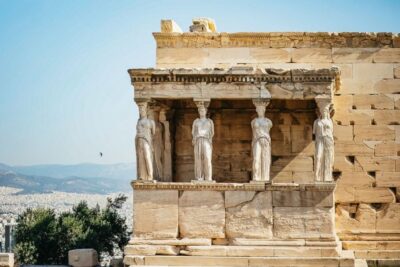
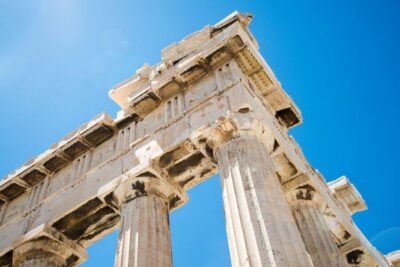
Acropolis, Parthenon & Acropolis Museum Guided Tour
Read our review →
Cape Sounion & Poseidon Temple Sunset Half-Day Trip
Read our review →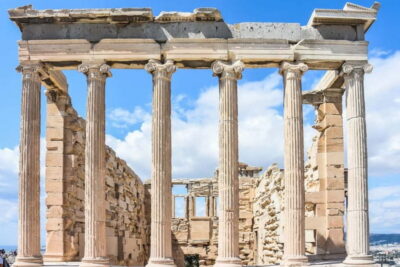
Cape Sounio & Poseidon Temple Trip with Audio Guide
Read our review →
Hydra, Poros, and Aegina Day Cruise with Lunch
Read our review →Browse the lists this tour appears in