Reviewed · ATHENS TOURS
Athens: Greek Foodie Tour with Tastings
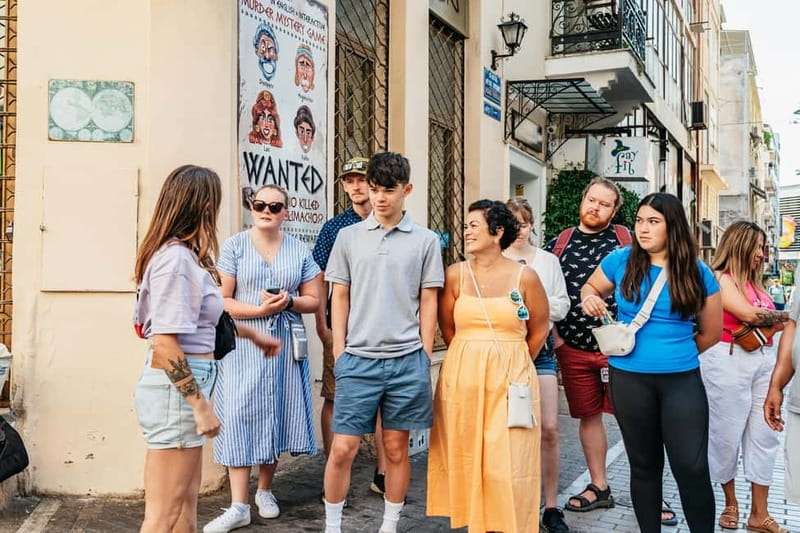
Athens reveals itself especially well through its food stalls, bakeries, coffee shops, and old tavernas. This four-hour walk takes you from Monastiraki Square into Varvakios Agora and along Evripidou Street, with plenty to taste along the way. You are not just eating Greek food. You are seeing where Athenians buy it and how everyday dishes fit into local life.
I like the range of tastings, which moves from sesame bread and pastries to olive oil, wine, mezze, and souvlaki. I also like the friendly, personal tone of the guiding. Guides such as Maro, Tonya, Maria, Dmitra, Kathryn, Nikki, and Nicolette are praised for mixing food with stories about Athens and Greek customs. The main consideration is simple: this is a lot of food, so arrive hungry and wear shoes made for walking.
Key points at a glance
- Start with Greek breakfast sweets: Try koulouri, loukoumades, bougatsa-style pastry, pies, and cheeses at local bakeries.
- Walk through Varvakios Agora: See Athens’ central meat and fish market rather than only visiting polished food shops.
- Taste before you buy: Sample wine, ouzo, tsipouro, olive oil, honey, vinegar, yogurt, olives, deli meats, and other Greek products.
- Follow the aromas on Evripidou Street: The herb shops add a strong sensory stop to the market walk.
- Finish with a full Greek meal: Mezze and a pork or chicken gyros pita make this much more filling than a snack tour.
- Budget $62 for four hours: With the guide and all tastings included, the price is fair if you value variety and local context.
From Monastiraki Square into Athens’ food center
The tour begins in front of the small church at the center of Monastiraki Square. This is a handy meeting point in the historic center, though the square can be busy and easy to cross without spotting the guide at once. Give yourself a little extra time to find the church and settle in.
From there, your English-speaking guide leads you on foot toward Varvakios Agora, Athens’ central market area. The walking matters. You move through ordinary city streets, shopfronts, and market lanes instead of being driven between isolated tasting stops.
The pace is designed for eating and conversation rather than a brisk sightseeing march. Several people praised guides such as Maro, Maria, Tonya, and Adele for explaining local customs and the story behind the food as the group moved from stop to stop. That extra context turns a pastry or a spoonful of yogurt into something more useful: a clue to how Greeks eat during the day.
Because the tour ends back at the same Monastiraki meeting point, you do not need to arrange transport at the finish. Hotel pickup and drop-off are not included, so plan your own way to the square.
A few other Athens mornings to price up
- Greek Food Walking Tour in Athens
★ 5.0 · 4,740 reviews - Athens: Street Food Tasting Tour
★ 4.9 · 2,557 reviews - Small Group Greek Traditional Food Tour in Athens 20+ Tastings
★ 5.0 · 1,759 reviews
Koulouri, loukoumades, and the Greek pastry trail
The first tastings introduce the sweet and savory side of Greek food. You begin with koulouri, a sesame-covered bread ring that works as a simple breakfast or snack. It is not flashy food, and that is part of the point. You are starting with something ordinary and widely eaten rather than a dish prepared only for tourists.
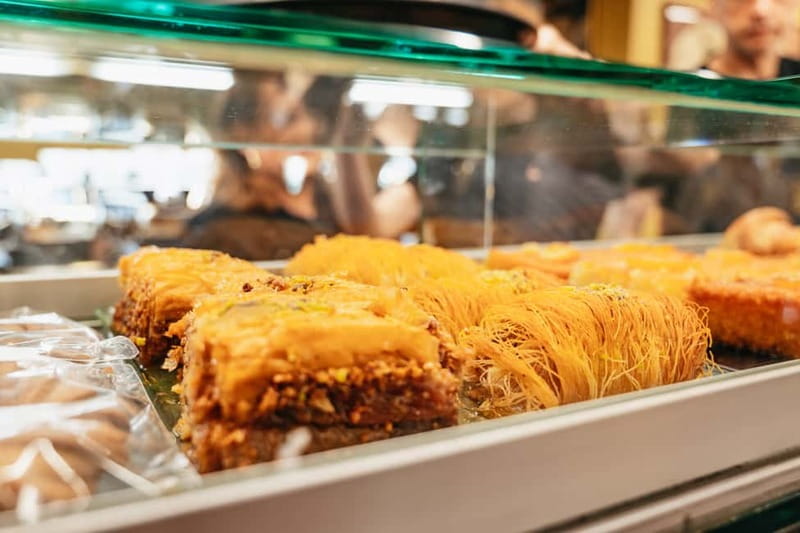
The tour then moves into pastries. You may taste loukoumades, small Greek doughnuts associated with an ancient Greek tradition, along with custard-filled filo squares. A local phyllo pastry shop adds another layer, showing how thin pastry is used in both sweet and savory dishes.
At an authentic bakery, expect local pies and cheeses. Greek pies vary by region and filling, so this stop is useful if you plan to explore bakeries on your own later. You may leave with a better sense of the difference between a sweet pastry, a cheese pie, and a meal-sized savory slice.
One guide, Tonya, was especially praised for making the tour feel like a full Athenian day of eating, from breakfast through lunch and dinner. The bougatsa was singled out as a favorite by one group, and it is worth saving room for this kind of custard-filled filo treat.
The practical warning is important: do not fill up before you arrive. The later stops are heavier, and several people found themselves carrying the final gyro away because they simply could not eat another bite.
Varvakios Agora, where the city buys its meat and fish
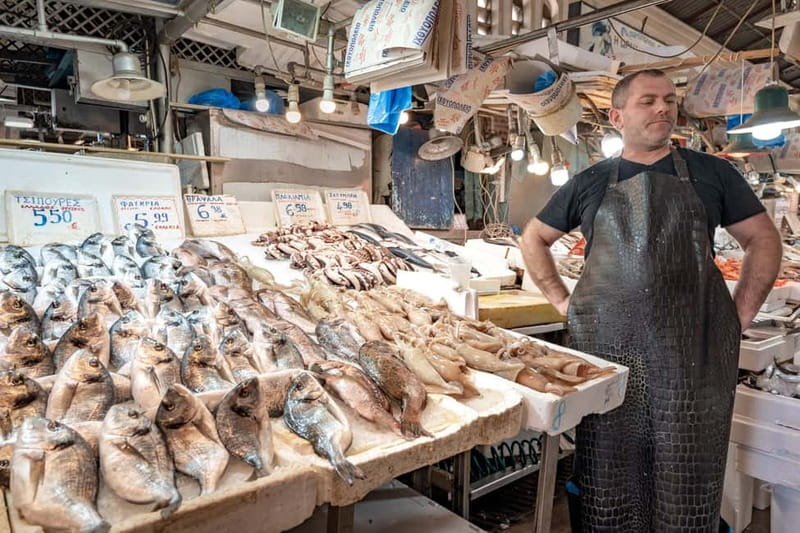
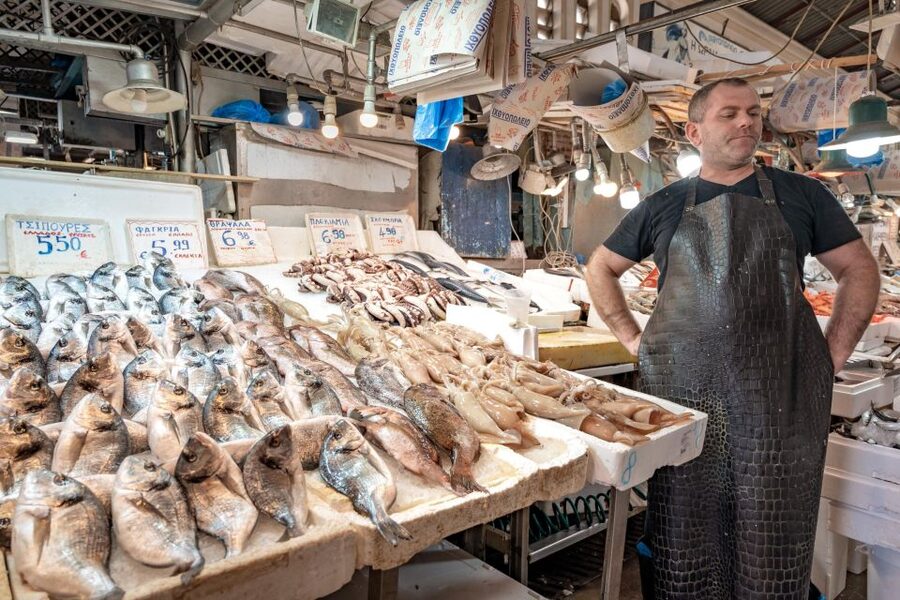
The walk through Varvakios Agora is one of the tour’s most useful sections. You see the meat and fish market area at close range, with the guide explaining what you are looking at and how the market fits into daily life in Athens.
This is a working market, not a staged food hall. That means the sights and smells can be intense, and the setting may feel less tidy than a modern indoor market. For me, that is a worthwhile trade. A city’s food culture makes more sense when you see the raw ingredients before they appear on a taverna plate.
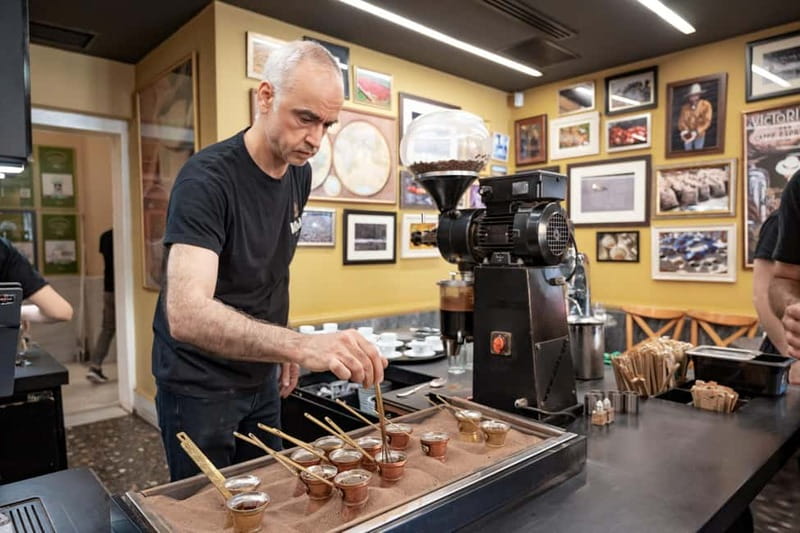
You also stop for roasted coffee. Coffee is a serious part of the Greek day, and this tasting gives you a break from the steady stream of pastries and savory bites. The coffee stop also helps vary the texture of the tour. You are not simply walking from one plate to the next.
The market route is not suited to wheelchair users. You should also expect to walk for much of the four hours, including through areas where the ground may be uneven or crowded. Comfortable shoes are essential, and the tour runs rain or shine.
Specialty shops and the flavors behind Greek cooking
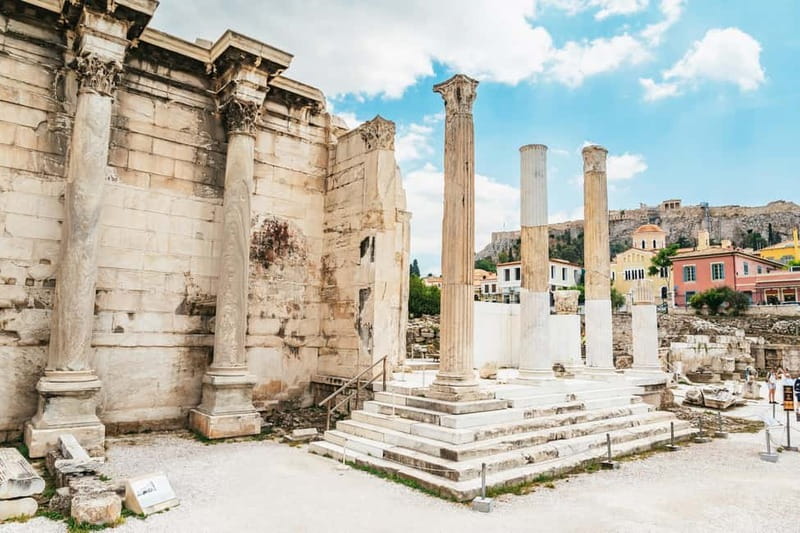
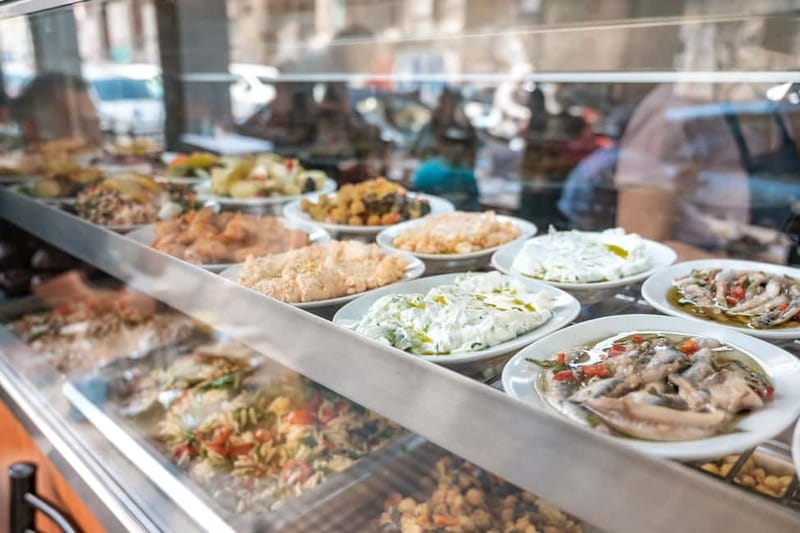
After the market, the tour visits specialty stores selling Greek products. These stops are valuable because you can taste items that are easy to overlook when browsing a supermarket shelf.
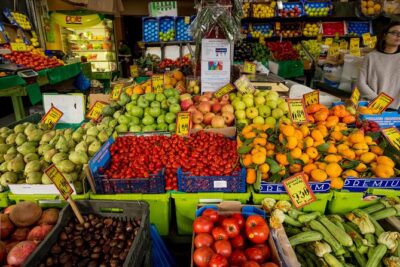
Expect samples of fresh fruit, olives, cheese, ham, traditional salamis, herbs, mushrooms, olive oil, wine, honey, and aged aromatized vinegar. The point is not to rush through a shopping list. Your guide helps connect these ingredients with Greek meals and explains what makes them worth trying.
Olive oil receives special attention. Tonya was praised for her enthusiasm and strong opinions on the subject, which can make this stop lively rather than purely instructional. You taste organically produced Greek olive oil instead of treating the bottle as a souvenir label. If you are planning to take olive oil home, this is a useful chance to compare flavor and ask questions before buying.
The wine tasting is paired with local aperitifs such as ouzo and tsipouro. These are not included as an optional extra, so the $62 price covers more than the food itself. You are also getting a guided introduction to drinks that can be unfamiliar if your experience of Greek dining has been limited to beer or house wine.
Evripidou Street adds another memorable moment. Its herb shops fill the air with strong aromas, and the walk gives you a sense of the old food-trade district. This is the kind of place that is easy to pass through without understanding. With a guide, you learn to notice the ingredients rather than just the street.
Same island, an entirely different sort of day:
- Athens: Acropolis & up to 5 Archaeological Sites Combo Pass
★ 4.4 · 12,619 reviews - Athens: Acropolis Ticket with Optional Audio or Live Guide
★ 4.2 · 11,055 reviews - Athens: Acropolis, Parthenon & Acropolis Museum Guided Tour
★ 4.8 · 9,316 reviews - Athens: Cape Sounion & Poseidon Temple Sunset Half-Day Trip
★ 4.8 · 8,241 reviews
Yogurt, thyme honey, and the quieter tastes
Not every stop is loud or filling. Greek yogurt topped with thyme honey provides a calmer tasting and shows how a few good ingredients can make a complete snack.
The thyme honey is especially tied to the Greek countryside and herbs, while the yogurt offers a sharp contrast to the sweet pastries earlier in the route. You also taste aged vinegar and olive oil, which may sound modest compared with gyros but are useful for understanding Greek flavor.
I like this part because it gives the tour some balance. You get sweets, meat, bread, cheese, coffee, wine, and dairy, but the tastings are not all variations of the same thing. Vegetarians can also eat well here. One vegetarian participant reported not going hungry and appreciated the sweet ending, though the tour’s later mezze may need to be clarified with your guide if you avoid specific ingredients.
Tell your tour leader about food allergies on the day. The supplied information does not promise a fully allergy-free route or a fixed substitute for every tasting, so direct communication is important.
Downtown tavernas and Greek-style small plates
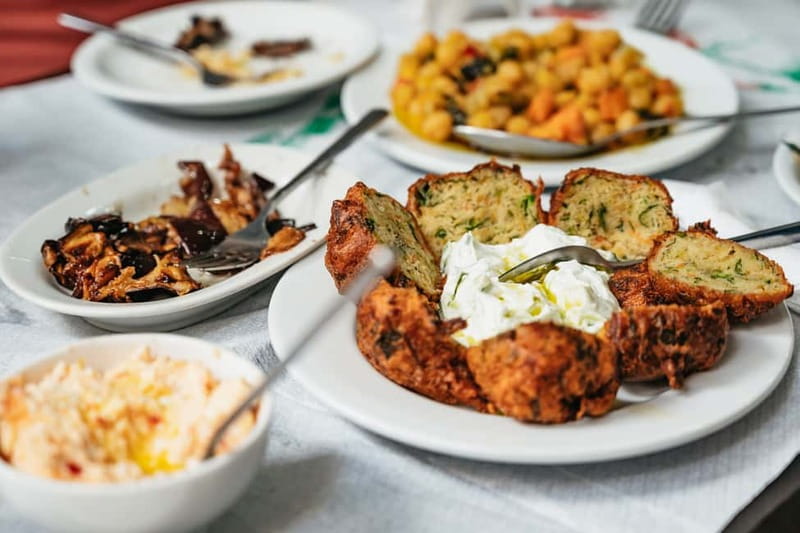
The second half shifts from market ingredients to prepared food. In downtown tavernas, you taste Greek versions of tapas, generally served as mezze. This is where the tour starts to feel more like a shared meal than a collection of samples.
Mezze is a social way to eat. Several dishes arrive for the table, and you get a wider introduction to Greek cooking than you would from ordering one main course. Your guide can explain what you are eating, how it is served, and which combinations are common.
This stop is also where group atmosphere matters. Guides including Dmitra, Maria, Alexandra, and Nicolette were praised for creating an easygoing mood and taking people to places they personally enjoy or use. That personal connection is important. A good food tour is not only about the number of tastings. It is about knowing why a place is worth entering.
The tour does not feel rushed according to the supplied experiences, but four hours is still a full block of time. You will be eating, walking, listening, and stopping repeatedly. If you prefer a quick list of famous dishes with little conversation, this may feel slow. If you like learning how food fits into a city, the pace should suit you.
The final souvlaki pita and the case for arriving hungry
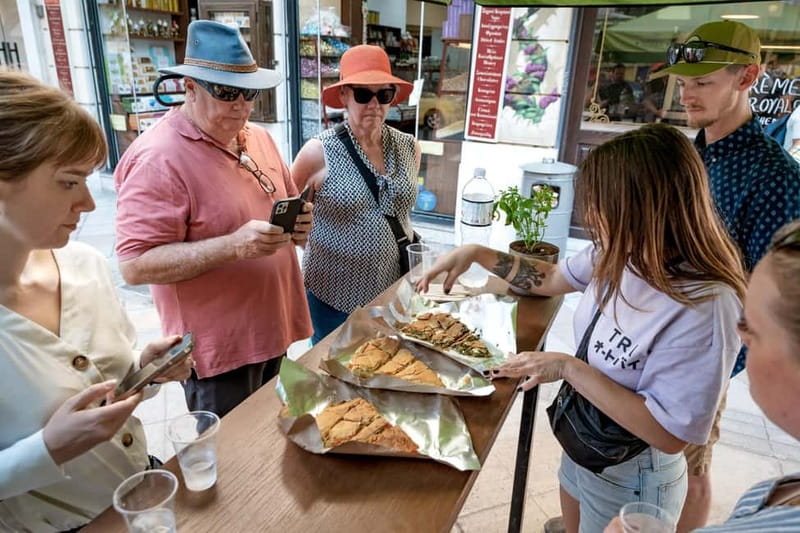
The final major tasting is a Greek souvlaki pita with pork or chicken gyros. This is the point at which the tour becomes a real meal. The pita is filling, and some people save the last portion to take away.
Ending with gyros is smart. It gives you a familiar Athens staple after the more unusual tastings of vinegar, herbs, aperitifs, and market products. It also gives you a reference point for ordering on your own during the rest of your stay.
Do not treat this as a light breakfast tour. The route can cover pastries, coffee, cheese, deli foods, wine, mezze, yogurt, and gyros in one four-hour stretch. If your tour starts in the morning, eat very little beforehand. If it begins later, avoid a large lunch.
The precise order can vary. One group started with a tavern meal, while another found the heavier food came in the final half. The safest advice is to keep your schedule flexible and your stomach mostly empty.
Is $62 good value for four hours?
At $62 per person, the tour is not the cheapest way to grab a gyro and a pastry. That is not the right comparison. The value comes from the number of tastings, the guide, the market walk, the stops at specialty shops, and the full meal at the end.
Food prices in Athens vary, and you could certainly spend less by buying individual snacks. You would not get the same range in one afternoon, and you might miss the market area or walk past Evripidou Street without understanding its food trade.
All food tastings are included, along with local wine, ouzo, tsipouro, and coffee. Hotel transport is not included, but the central Monastiraki meeting point keeps the arrangement simple.
I would call the price fair for people who want a broad introduction to Greek food and do not want to plan every stop themselves. It is less useful for someone who already knows Athens’ markets and tavernas or who eats very lightly.
Who will enjoy this Athens food walk?
This tour suits first-time visitors who want an edible orientation to central Athens. It is also a good choice early in your trip, since your guide may give you ideas for dishes, shops, and neighborhoods to revisit.
Food lovers will appreciate the range. You get traditional pastries, coffee, cheese, olive oil, wine, herbs, deli products, mezze, yogurt, and gyros. People interested in local shopping will also find the specialty-store visits more useful than a tour focused only on restaurant plates.
The tour is family-friendly in spirit, but the long duration and large amount of food may be tiring for young children. The market smells and busy surroundings are worth considering too.
It is not suitable for wheelchair users, and anyone with food allergies should speak to the guide at the start. Comfortable shoes matter, since the tour is on foot and continues in all weather.
Guides vary, but the names that appear repeatedly include Maro, Tonya, Maria, Dmitra, Kathryn, Nikki, Nicolette, Alexandra, and Adele. The strongest pattern is not a single guide’s personality. It is the mix of food knowledge, city history, humor, and personal recommendations. Some guides even follow up with suggestions for later destinations, such as Chania.
Should you book the Greek Foodie Tour?
Book it if you want a generous, social introduction to Athens food and prefer local shops and markets to a formal cooking class. The tour packs a lot into four hours, and the $62 cost is reasonable once you count the food, drinks, meal, and guiding.
Skip it if you dislike large tastings, cannot walk comfortably, or want a quiet restaurant meal rather than a moving food lesson. For most first-time visitors, I would schedule it near the start of an Athens stay, arrive very hungry, wear good shoes, and keep the evening meal light.
FAQ
Where does the Athens Greek Foodie Tour start?
Meet your English-speaking guide in front of the small church at the center of Monastiraki Square.
Where does the tour end?
The activity ends back at the Monastiraki Square meeting point.
How long does the food tour last?
The tour lasts four hours. Starting times depend on availability when you book.
What food and drinks are included?
All food tastings are included, along with local wine, ouzo, tsipouro, coffee, and the listed Greek food samples.
Does the tour include hotel pickup?
No. Hotel pickup and drop-off are not included, so you must make your own way to Monastiraki Square.
Is the tour conducted in English?
Yes. The live tour guide speaks English.
What should I bring?
Bring comfortable shoes for the walking route. The tour takes place rain or shine.
Can I join if I have food allergies?
You should advise your tour leader of any food allergies on the day of the tour. The information provided does not promise specific substitutions for every allergy.
Is the tour suitable for wheelchair users?
No. The activity is listed as not suitable for wheelchair users.
Can I cancel the booking?
You can cancel up to 24 hours in advance for a full refund. You can also reserve now and pay later, keeping your plans flexible.
Fresh on the Athens list
- Athens Airport Arrival Transfer to Hotels or Addresses in Athens★ 3.5 · 45 reviews
- Private Luxury Tour: Unveiling the Sacred Mysteries of Eleusis★ 5.0 · 45 reviews
- Luxury Catamaran Sunset Semi-Private & Greek Gastronomy in Athens★ 5.0 · 45 reviews
- From Athens: Aegina Island guided tour in a day★ 5.0 · 45 reviews
- Delphi, Thermopylae full day private tour from Athens★ 4.9 · 46 reviews
- From Athens: City & Corinth Guided Day Tour★ 4.8 · 46 reviews
- Acropolis Private Wine Tasting @ Finewine store★ 5.0 · 46 reviews
- Ancient Corinth Half-Day Private Tour from Athens★ 5.0 · 46 reviews
Athens Tours, compared.
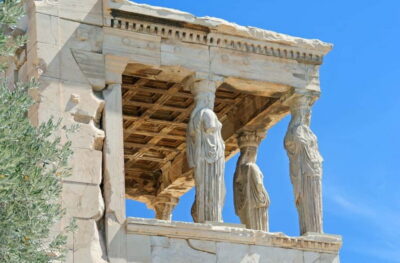
Acropolis & up to 5 Archaeological Sites Combo Pass
Read our review →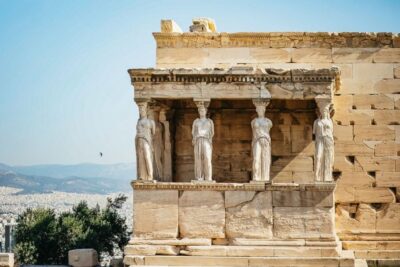
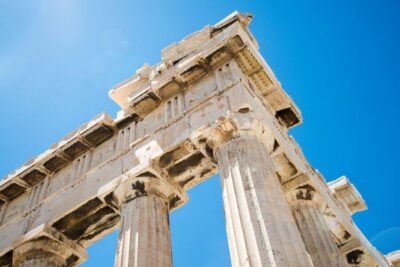
Acropolis, Parthenon & Acropolis Museum Guided Tour
Read our review →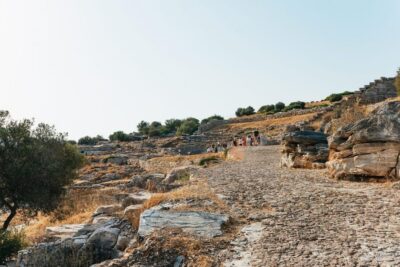
Cape Sounion & Poseidon Temple Sunset Half-Day Trip
Read our review →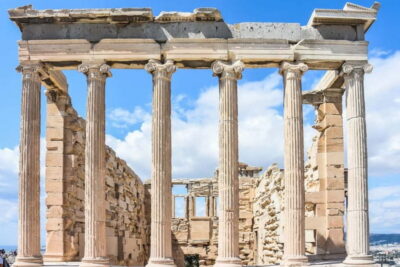

Cape Sounio & Poseidon Temple Trip with Audio Guide
Read our review →