
Reviewed · ACROPOLIS & ACROPOLIS MUSEUM TOURS
Athens: Acropolis and Parthenon Guided Walking Tour
The best part of this Athens tour is the route. You approach the Acropolis from its south slope, passing the Theater of Dionysus and Odeon of Herodes Atticus before climbing toward the monuments above. That gives you more than a quick Parthenon photo. You see how theater, worship, medicine, politics, and daily life all met on this rocky hill.
I like the use of personal earsets, especially when Athens is crowded and the guide is speaking beside a busy path. I also like the mix of Greek myths and solid historical facts. Guides such as Eva, Dory, Maria, Victor, Antonis, and Kalli have been praised for clear storytelling and for keeping children interested. The main drawback is the terrain: steep, uneven walking, strong sun, security delays, and no suitability for wheelchair users or people with mobility impairments.
Key points to know before you book
- A south-slope entrance adds context: You begin near the Theater of Dionysus instead of heading straight to the Parthenon.
- The tour lasts two to three and a half hours: Exact timing depends on the selected departure and option.
- Headsets make a real difference: You can hear the English-speaking guide without standing shoulder to shoulder.
- Optional tickets affect your planning: Choose the ticketed option for simpler entry, or buy your own official ticket immediately after booking.
- The tour is strongest for first-time visitors: Myths, monuments, and city views make the Acropolis easier to understand.
- Come prepared for heat and stone: Wear proper shoes, bring water, sunscreen, sunglasses, and a hat.
Why the south slope is the right place to begin
Meet at 3 Dionysiou Areopagitou Street, near the beginning of the pedestrian path leading toward the Acropolis from Hadrian’s Arch and Syngrou Avenue. Look for the orange Athens Walking Tours sign, and arrive 20 minutes before departure. The meeting point is central, but you still need enough time to find it, especially if you are coming from another part of Athens.
The approach matters. Starting from the south slope lets you see the Acropolis as a working religious and cultural center, not just as a single ruined temple. Your first major stop is the Sanctuary of Dionysus, followed by the Theater of Dionysus, one of the key places connected with ancient Greek drama.
Your guide explains the myths tied to the gods and the practical role of these monuments. That combination is useful because the Acropolis can otherwise feel like a collection of impressive stones with unfamiliar names. The stories give you a way to remember what you are seeing.
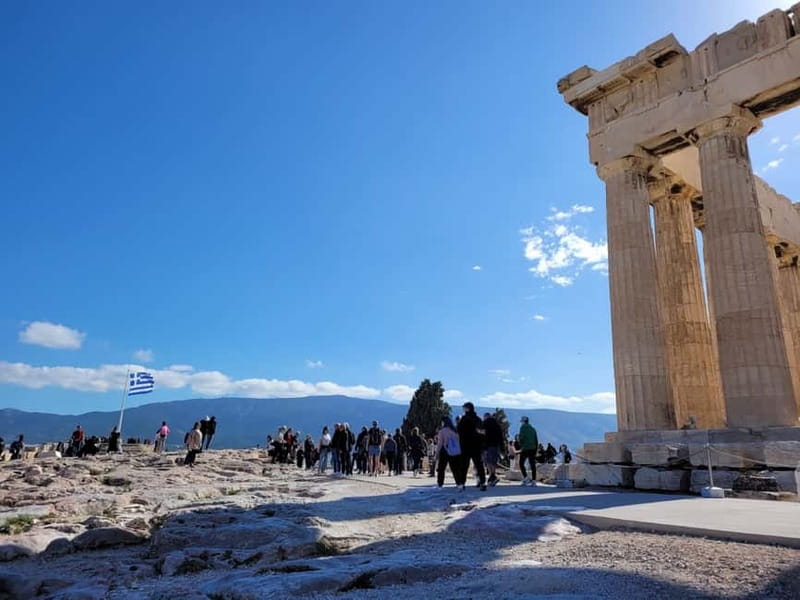
The walk upward takes effort. You will move along exposed paths and climb toward the main monuments, so this is not a gentle city stroll. The payoff comes quickly, with views toward Athens and the surrounding hills of Filopappos, Mars, and Pnyx.
More Walking Tours in Athens
- Greek Food Walking Tour in Athens
★ 5.0 · 4,740 reviews - Acropolis: Acropolis and Parthenon Guided Walking Tour
★ 4.7 · 3,442 reviews - Acropolis monuments & Parthenon Walking Tour with Optional Acropolis Museum
★ 5.0 · 2,678 reviews
Theater of Dionysus and the Asklepieion
The Theater of Dionysus is one of the most memorable early stops. It sits on the south side of the Acropolis and connects the site with the plays and festivals held in honor of Dionysus. Your guide helps explain why this theater belongs in the Acropolis visit rather than being treated as an unrelated ruin below the hill.
The route then continues to the Asklepieion of Athens. This ancient sanctuary was connected with healing, giving you another side of Athenian life. The shift from theater to medicine is valuable. It shows that the Acropolis area was not simply a ceremonial platform for one famous temple.
The pace includes guided stops and short walks between them. One practical point is shade. Much of the route is open, and one assessment of the tour specifically noted that the guide could have worked harder to find shade during longer explanations. Bring sun protection and expect the guide to pause where the site allows, not always where the shade is best.
The Odeon of Herodes Atticus
The Odeon of Herodes Atticus is a striking theater built into the southern side of the Acropolis. Its curved structure and high stone walls make it easy to picture performances taking place here, even when you are viewing it from outside its performance area.
This is a good place to use the headset. Your guide may be speaking to a group spread across a busy path, and the earset means you can look at the monument while still following the explanation. Several guides have been praised for keeping groups together without making the walking feel rushed.
The crowd level can change a great deal by time of day. An early departure, such as 8:30 in the morning, can help with heat and congestion. A late afternoon option may offer softer light and attractive photo conditions, though the Acropolis can still be busy. Check the available times for your date rather than assuming every departure has the same atmosphere.
Passing through the Propylaea
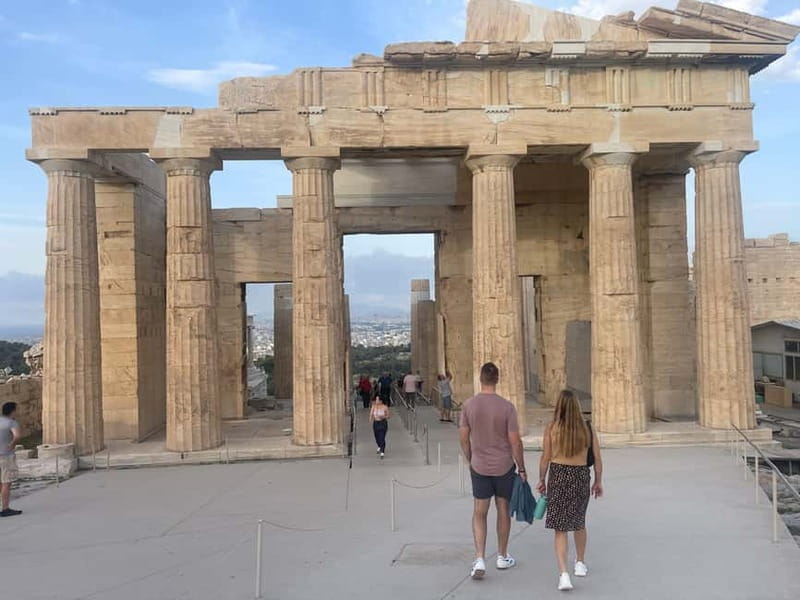
The Propylaea is the monumental gateway to the Acropolis. You do not simply walk through an ordinary entrance and find the Parthenon waiting ahead. The gateway creates a formal transition from the city below to the sacred area above.
Your guide points out the design and purpose of the entrance before leading the group onward. This is one of those places where a guide adds real value. Without explanation, it can be easy to focus only on the larger temples. With context, you notice how carefully the approach was planned.
Security checks can slow the entry. During peak season, waits of 30 minutes or more are possible. Since Acropolis entry times are strict, the tour cannot hold the group for late arrivals. The combination of an early meeting time, an exact ticket time, and possible security lines means you should avoid cutting it close.
Large bags and luggage are not allowed, and baby strollers are not suitable for this activity. Pack lightly, but carry the essentials, especially water and sun protection.
A few other Athens mornings to price up
- Athens: Acropolis & up to 5 Archaeological Sites Combo Pass
★ 4.4 · 12,619 reviews - Athens: Acropolis Ticket with Optional Audio or Live Guide
★ 4.2 · 11,055 reviews - Athens: Acropolis, Parthenon & Acropolis Museum Guided Tour
★ 4.8 · 9,316 reviews - Athens: Acropolis, Parthenon & Acropolis Museum Guided Tour
★ 4.8 · 3,579 reviews
Temple of Athena Nike and the Erechtheion
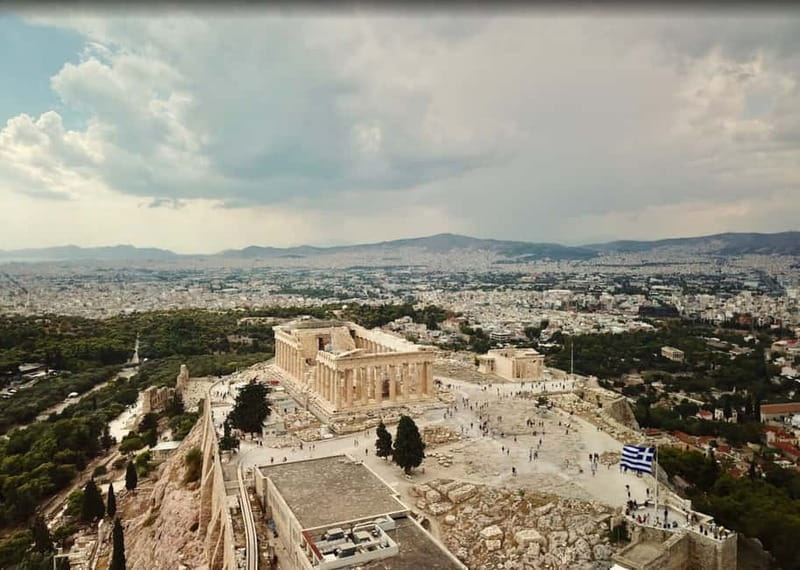
The small Temple of Athena Nike sits near the gateway and is easy to overlook beside the larger buildings. That is one reason the guide’s commentary helps. The temple links the Acropolis with Athena in her role as a bringer of victory.
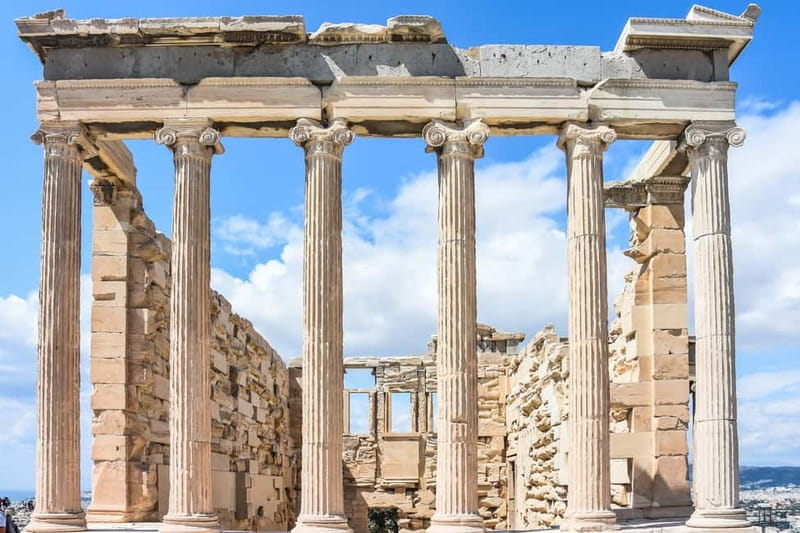
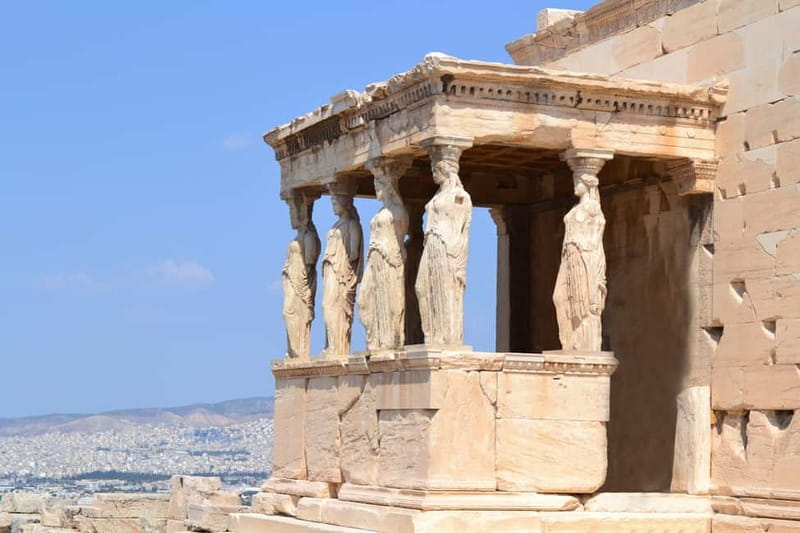
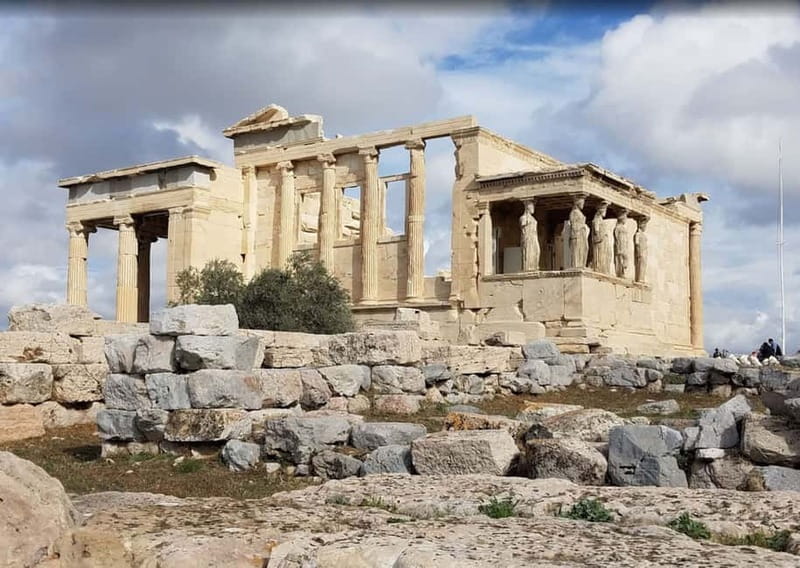
The Erechtheion is more complex in shape and story. Its famous Caryatid porch, with sculpted female figures serving as architectural supports, is one of the most recognizable details on the hill. Your guide explains the myths and religious meaning connected with the site, including the rivalry between Athena and Poseidon for the patronage of Athens.
I particularly like this part of the tour because it slows the visit down. The Parthenon gets most of the attention, but the Erechtheion rewards careful looking. Its unusual design and several sacred associations make it easier to appreciate when someone explains why it was built differently from the more regular temple nearby.
The group format can be helpful here. Guides such as Dory have been praised for maintaining a comfortable pace and keeping everyone together, while others have used photos or a Lego reconstruction to make the architecture easier for children to grasp. Families should still expect a demanding walk, but the storytelling can help younger visitors stay involved.
The Parthenon, with Athens below
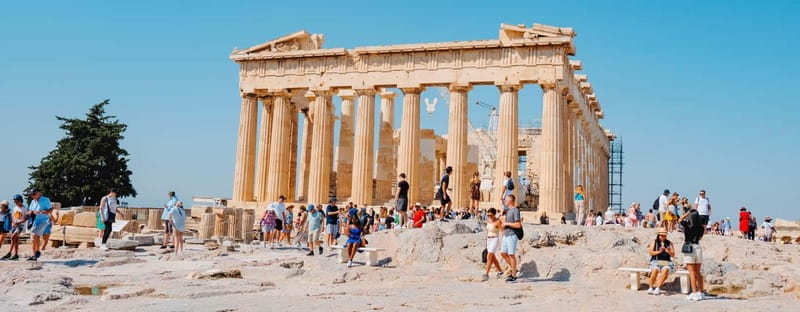
The Parthenon is the final major stop and the emotional high point of the route. You see it after walking through the southern approach, passing the gateway, and learning about the other buildings. That sequence gives the temple a stronger setting than a direct rush to the main photo spot.
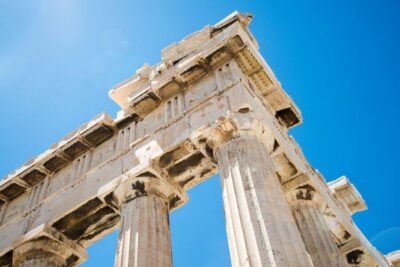
Your guide covers both the building’s religious purpose and the changes it has endured. You will also hear the myths connected with Athena and the wider role of the Acropolis in ancient Athens. The aim is not only to identify columns, but to understand why this temple became such a powerful symbol.
The views are a major part of the visit. From the top, you can look across Athens toward the Ancient Agora, the National Observatory, and the hills of Filopappos, Mars, and Pnyx. Bring a phone or camera, but do not let the photo stops replace the explanation. The city below helps you understand the Acropolis as part of Athens rather than an isolated monument.
The Parthenon is under ongoing preservation, and what you see includes repairs, scaffolding, and missing sections at different times. That is normal for a site of this age. A guide can help you separate original material, later damage, and modern conservation work.
The supplied details describe the activity as ending at the Acropolis, while the meeting information says it ends back at the meeting point. Confirm the exact end point when you book, particularly if you have a museum reservation, restaurant booking, or timed transfer afterward.
What the licensed guide adds
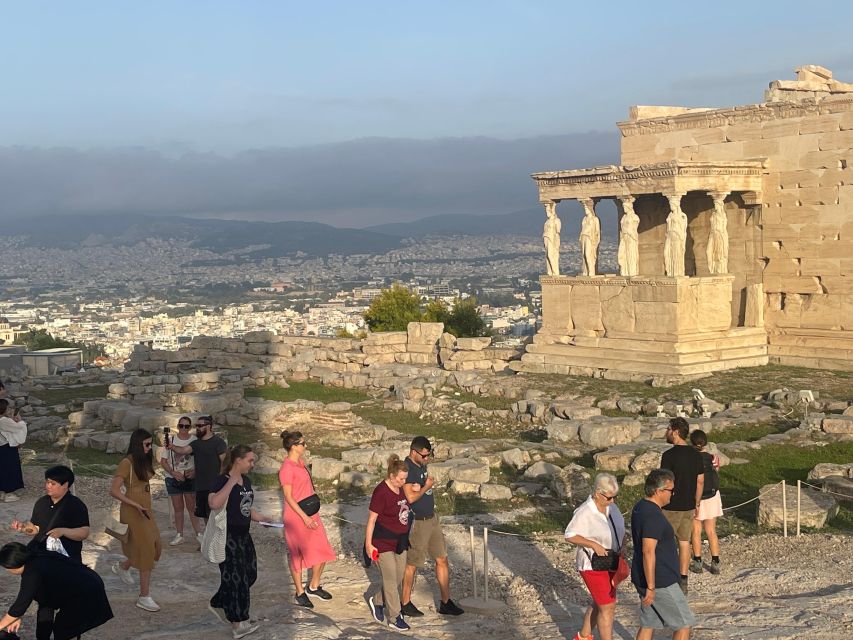
The tour has run for 20 years and uses local licensed guides. That matters at a site where names, legends, dates, and architectural terms can quickly blur together. A good guide gives you a structure for the visit and helps you decide what deserves your attention.
The strongest guide qualities are clear English, steady pacing, and an ability to tell stories without losing the group. Eva has been praised for kindness, enthusiasm, photographs, and useful Athens suggestions. Victor has been singled out for bringing visual material and making the tour feel personal. Maria kept children focused with engaging stories, while Andrea was noted for her patient approach and strong command of the subject.
You may be assigned another guide. The individual style will vary, but the format supports clear communication. The headsets are rented for the tour and let you hear the commentary throughout the stops. That is a meaningful advantage over trying to follow a guide by standing close in a large group.
The tour is in English only. If you prefer to explore quietly and read at your own pace, a self-guided visit may suit you better. If you want the monuments explained as you see them, the guide is worth considering.
Is the $38.39 price good value?
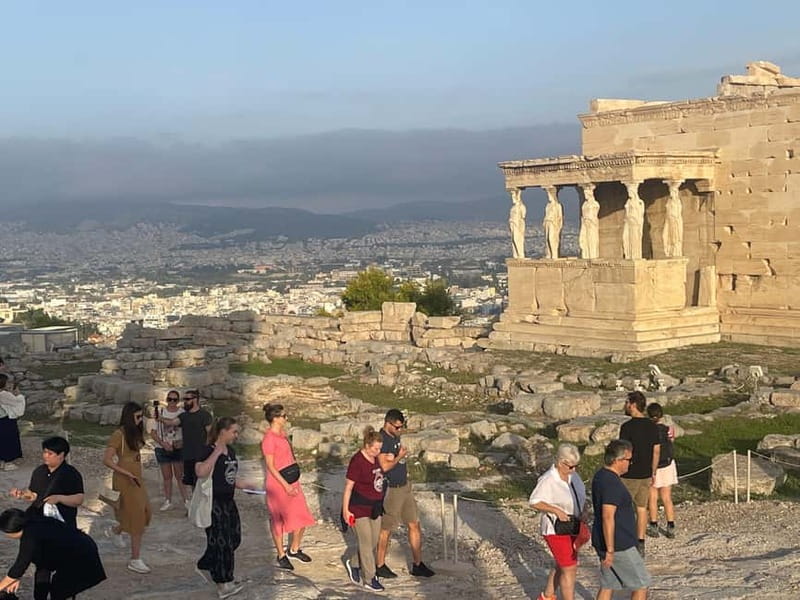
At $38.39 per person, the basic tour is reasonably priced for a licensed guide, audio equipment, an organized route, an Athens map, and an Athens Guide magazine. The value is strongest if this is your first Acropolis visit or if you want the myths and historical setting explained instead of simply taking photographs.
Ticket arrangements are important. Some booking choices include the Acropolis admission ticket, while others do not. There is also an option that includes entry to the Acropolis Museum and a museum tour. Compare the total price, not just the advertised tour cost.
If you choose the option without tickets, you must buy your own admission through the official website immediately after booking. The ticket must match the tour’s date, time, and category. If you arrive without a valid ticket, the tour fee is not refundable, so this is not a detail to postpone.
On free Acropolis entry days, the ticket cost is already removed from the tour price. The provider also offers reserve-now, pay-later booking and free cancellation up to 24 hours before the tour, which can help if your Athens schedule is still shifting.
Timing, weather, and physical demands
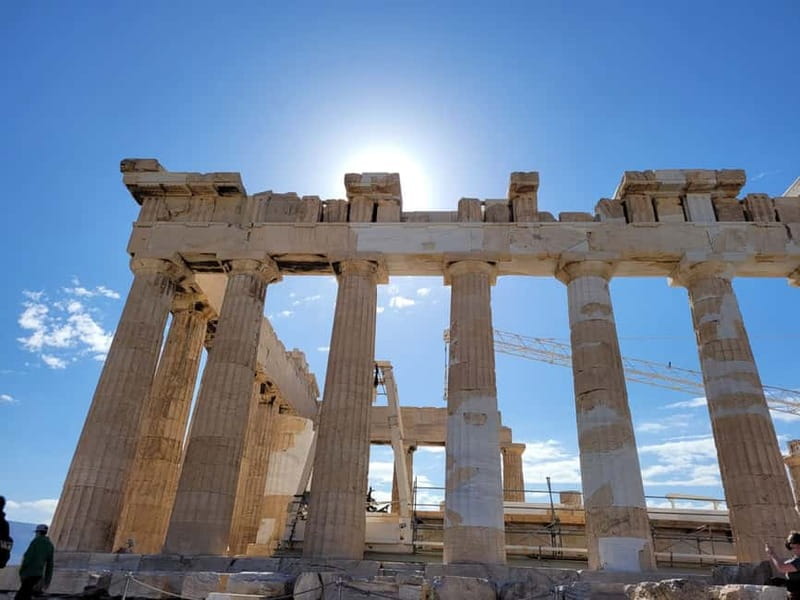
Tours run in rain or shine. Athens sun can be intense, and the exposed stone surfaces offer limited relief. Wear comfortable shoes with good grip, not smooth dress shoes, and bring a hat, sunglasses, sunscreen, and water.
The activity lasts between two and three and a half hours, depending on the departure and selected option. The route includes repeated walks of around five to 20 minutes between stops, plus the climb from the south slope to the summit. You should be comfortable walking on uneven ground and managing stairs or inclines.
This is not suitable for wheelchair users or people with mobility impairments. Strollers and large bags are also not allowed. Families with young children can manage the tour if everyone is ready for the heat and walking, but a tired toddler may make the final portion harder.
Strict entry times make punctuality essential. Arrive 20 minutes early, have your ticket ready, and leave extra time for finding the meeting point and possible security screening.
Acropolis and Museum options
The core route ends with the Acropolis monuments. An optional package adds entry to the Acropolis Museum and a guided museum visit. That can be a good choice if you want to connect the buildings on the hill with sculptures and objects preserved indoors.
Do not assume the museum is part of every booking. Select the option carefully, and check the timing before adding other plans. The museum and Acropolis are separate parts of an Athens sightseeing day, even when combined in one package.
If you have only one day in Athens, the combined choice can make sense because it places the major Acropolis interpretation in one organized plan. If you want a slower museum visit, you may prefer to book the walking tour alone and return to the museum independently.
Who should book this Acropolis tour?
I would choose this tour if you are visiting Athens for the first time, want clear historical guidance, or find ancient architecture difficult to interpret on your own. It is also a good fit for families when the children respond to myths, visual aids, and storytelling.
The tour is less suitable if you need a fully accessible route, dislike group pacing, or want to spend long stretches sitting in shade. It also demands careful ticket planning if you select the option without admission included.
The most useful strategy is to book an early morning time for cooler conditions, or a late afternoon departure if you care most about softer light. Either way, arrive early and pack light.
FAQ
How long does the Acropolis walking tour last?
The activity lasts between two and three and a half hours. Check the available departure times and options for your chosen date.
Where does the tour begin?
The meeting point is 3 Dionysiou Areopagitou Street. Look for the orange Athens Walking Tours sign at the beginning of the pedestrian walkway leading toward the Acropolis from Hadrian’s Arch and Syngrou Avenue.
How early should I arrive?
Arrive 20 minutes before the scheduled departure. Acropolis entry times are strict, and the group cannot wait for late arrivals.
Is an Acropolis ticket included?
It depends on the option you select. The ticketed option includes Acropolis entry. If you choose without tickets, you must purchase your own official ticket immediately after booking.
Does the tour include the Acropolis Museum?
An option is available that includes Acropolis Museum admission and a guided museum visit. The museum is not included in every booking choice.
What language is the tour conducted in?
The live tour guide speaks English.
Are headphones provided?
Yes. Personal earsets are provided so you can hear the guide clearly during the walk and at the stops.
What should I bring?
Bring your passport or ID card, comfortable shoes, sunglasses, a sun hat, sunscreen, and comfortable clothing. Water is also a sensible choice for the exposed uphill route.
Is the tour suitable for wheelchair users?
No. The activity is not suitable for wheelchair users or people with mobility impairments. Baby strollers and luggage or large bags are not allowed.
Should you book it?
Book this tour if you want the Acropolis explained rather than simply photographed. The south-slope route, local licensed guide, clear headsets, myths, city views, and optional museum visit make it a practical first introduction to Athens’ ancient center.
Skip it if you need an accessible route or prefer complete independence. For most first-time visitors who can manage the climb, the $38.39 starting price offers useful structure and removes much of the confusion around a timed Acropolis visit. Just choose your ticket option carefully, protect yourself from the sun, and arrive early.
Fresh on the Athens list
- Athens Airport Arrival Transfer to Hotels or Addresses in Athens★ 3.5 · 45 reviews
- Private Luxury Tour: Unveiling the Sacred Mysteries of Eleusis★ 5.0 · 45 reviews
- Luxury Catamaran Sunset Semi-Private & Greek Gastronomy in Athens★ 5.0 · 45 reviews
- From Athens: Aegina Island guided tour in a day★ 5.0 · 45 reviews
- Delphi, Thermopylae full day private tour from Athens★ 4.9 · 46 reviews
- From Athens: City & Corinth Guided Day Tour★ 4.8 · 46 reviews
- Acropolis Private Wine Tasting @ Finewine store★ 5.0 · 46 reviews
- Ancient Corinth Half-Day Private Tour from Athens★ 5.0 · 46 reviews
Acropolis & Acropolis Museum Tours, compared.
Acropolis & up to 5 Archaeological Sites Combo Pass
Read our review →
Acropolis, Parthenon & Acropolis Museum Guided Tour
Read our review →Acropolis, Parthenon & Acropolis Museum Guided Tour
Read our review →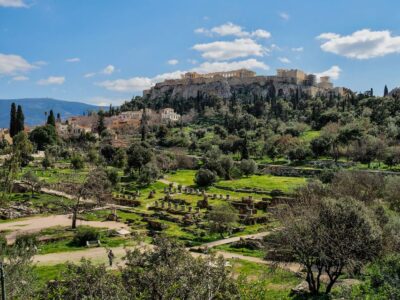

Acropolis monuments & Parthenon Walking Tour with Optional Acropolis Museum
Read our review →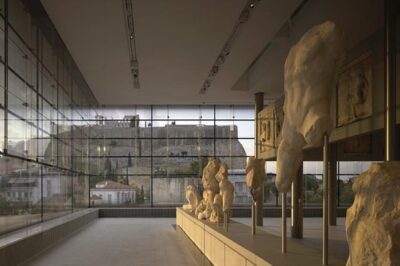
Athens All Included: Acropolis and Museum Guided Tour with Ticket
Read our review →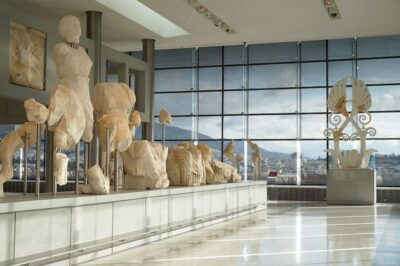
Acropolis Museum Ticket with optional Audio Guide
Read our review →Browse the lists this tour appears in