

Reviewed · ACROPOLIS & ACROPOLIS MUSEUM TOURS
Acropolis monuments, Parthenon and Plaka, Monastiraki walking tour
The best part of this Athens walk is the way it links the Acropolis monuments with the living city below. You see the Parthenon, then move through ancient market ruins, Plaka lanes, and Monastiraki streets rather than treating the Acropolis as a stand-alone photo stop.
I like the included skip-the-line Acropolis ticket, especially for a 9 a.m. start, and I like the small food pause with semolina custard pastry and spanakopita. The main drawback is the uphill walking, hot stone, and slippery stretches, so this is not a soft stroll for anyone with limited mobility.
Key points at a glance
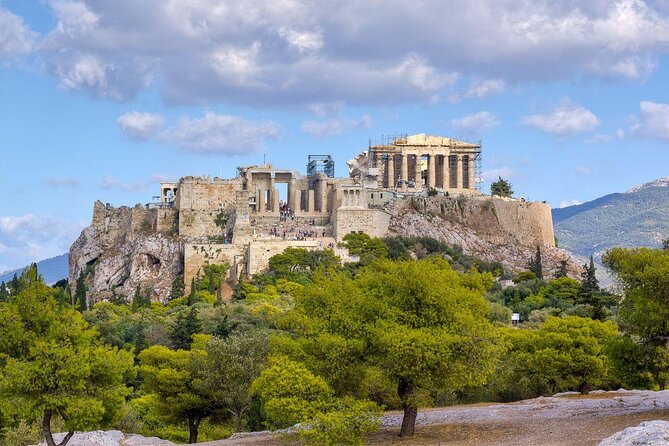
- Parthenon access: Spend about 30 minutes close to Athens’ most famous temple with admission included.
- More than the headline sight: The Temple of Athena Nike, Roman Agora, and Tower of the Winds add context that is easy to miss alone.
- A useful city route: Finish in Monastiraki, with Plaka between the ancient hill and the modern city.
- Local snack stop: Try Greek spanakopita and sweet semolina custard cream during the walk.
- Guides make the difference: Guides such as Demos, Anna, Eleni, Artemis, Sofia, and Sapfo have been praised for clear explanations, humor, and a well-managed pace.
- Plan for effort: The tour lasts about 3 hours 30 minutes, requires moderate fitness, and allows up to 20 people.
From the Acropolis rock to everyday Athens
This tour works because it gives you a clear sense of place. You begin at Porinou 5, close to the Acropolis, at 9 a.m. That early start matters. The Acropolis is one of Athens’ busiest sights, and entering with a prearranged ticket saves you from spending part of the morning sorting out admission.
You then walk downhill and outward through the old city, ending in Monastiraki. The route moves from temples and marble ruins to small shops, tavernas, churches, and busy streets. I like this sequence because ancient Athens does not feel sealed away from modern life. The remains sit right beside the neighborhoods people still use.
The tour is offered in English and includes a licensed guide. It is capped at 20 people, so it is not a private walk, but it is small enough to remain manageable. Some groups use a headphone system, which is useful when the guide is explaining a monument while you pause to take photographs.
Several guides have earned particularly warm praise for their approach. Demos is noted for making ancient facts relatable and using humor. Anna Kotorou is praised for her energy, patience, and careful explanations. Eleni is noted for her steady pace and well-timed breaks, while Artemis, Sofia, Lisa, Annie, Sapfo, and others have been singled out for strong explanations and a friendly manner. Your exact guide is assigned by the company, so treat those names as examples of the style you may encounter, not a promise.
More Walking Tours in Athens
- Athens: Acropolis and Parthenon Guided Walking Tour
★ 4.6 · 5,882 reviews - Greek Food Walking Tour in Athens
★ 5.0 · 4,740 reviews - Acropolis: Acropolis and Parthenon Guided Walking Tour
★ 4.7 · 3,442 reviews
Entering the Acropolis at 9 a.m.
The Acropolis is an ancient citadel on a rocky outcrop above Athens. Its name comes from Greek words meaning upper city, a simple description of a place that has shaped the city’s identity for centuries.
The climb is part of the experience. You will walk uphill over hard surfaces, often in bright sun, before reaching the monuments. Comfortable shoes are not just a suggestion here. Wear something with a firm sole, and bring water. The stone can be uneven, and one account specifically warns of a slippery descent later in the route.
The guide’s role is valuable at this first stop. Without help, it is easy to look at a line of columns and absorb only the broad fact that they are old. A good guide points out what you are seeing, explains how the buildings relate to one another, and gives you a way to understand the site before you start snapping pictures.
The skip-the-line admission is the practical advantage. It does not mean you have the Acropolis to yourself, but it cuts down the time spent waiting. That is important on a short tour, since every minute saved at the entrance becomes time for the monuments and neighborhoods.
The Parthenon, the tour’s central stop
The Parthenon receives about 30 minutes, making it the longest scheduled monument stop. Built beginning in 447 BC, it was dedicated to Athena, the goddess regarded as Athens’ patron.
You will see the temple from close range, though restoration work and barriers affect how near you can get to parts of it. The Parthenon is visually powerful, but the guide adds the detail that turns a grand ruin into a place with purpose. Pay attention to the structure, the setting, and the way the temple dominates the city below.
This is also the point where you need to balance listening with photography. The headphones used by some groups let you step a little aside and still hear the guide. That gives you freedom to take pictures without losing the explanation.
Thirty minutes is enough for a well-led introduction, but not enough for every architectural detail. If you want a slow study of the Acropolis, a specialist archaeology tour, or repeated time at individual monuments, you may find this route too brisk. For a first visit, though, the timing keeps the morning moving.
The small Temple of Athena Nike
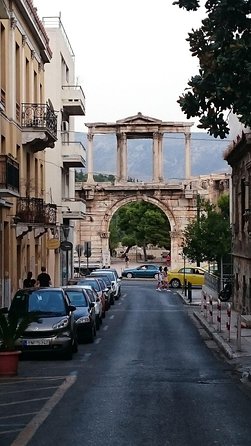
The Temple of Athena Nike gets only about five minutes, but its size makes a short stop reasonable. Built around 420 BC, it is described as the earliest fully Ionic temple on the Acropolis and was dedicated to Athena and Nike.
Because this temple is much smaller than the Parthenon, it can be overlooked by people focused on the main summit. The guide helps you notice it and understand why it matters. This is one of the tour’s strengths: it does not simply point you toward the largest building and move on.
Five minutes will not satisfy anyone seeking a full study of the temple. Still, it is enough to make sure this important monument becomes part of your mental map of the Acropolis.
A few other Athens mornings to price up
- Athens: Acropolis & up to 5 Archaeological Sites Combo Pass
★ 4.4 · 12,619 reviews - Athens: Acropolis Ticket with Optional Audio or Live Guide
★ 4.2 · 11,055 reviews - Athens: Acropolis, Parthenon & Acropolis Museum Guided Tour
★ 4.8 · 9,316 reviews - Athens: Acropolis, Parthenon & Acropolis Museum Guided Tour
★ 4.8 · 3,579 reviews
Roman Agora and the Tower of the Winds
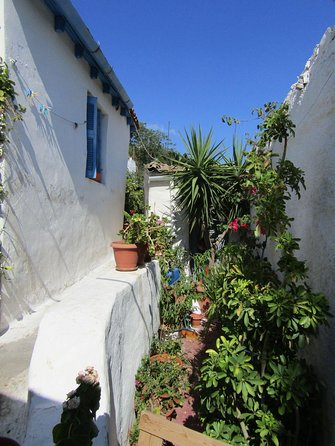
After the Acropolis, the route shifts from the hilltop sanctuary to the Roman Agora. The change is welcome. You are no longer looking only at the city from above, and the streets begin to show how Athens developed around its ancient core.
The Roman Agora was built east of the original Agora between 27 BC and 17 BC, using funds connected with Augustus and a promise made by Julius Caesar. It was an open space surrounded by a colonnade, with shops, entrances, a fountain, and market offices. The Fethiye Mosque, built during the Ottoman period, is also associated with the northern side of the site.
The Tower of the Winds is the eye-catching feature here. This octagonal Pentelic marble building functioned as a timepiece and combined sundials, a water clock, and a wind vane. It is often described as the world’s first meteorological station.
You can spend about 10 minutes at the tower, while the Roman Agora receives about 30 minutes on the route. Admission to these sites is not included, so you should not assume the tour ticket covers entry inside. The guide can still explain the buildings from the route, but the tour is not designed as a full paid visit to every ancient enclosure.
The tower was cleaned and conserved between 2014 and 2016. That work helps you read its shape and marble surface more clearly, especially after seeing the larger, more heavily restored structures on the Acropolis.
Plaka, where ancient Athens meets the neighborhood
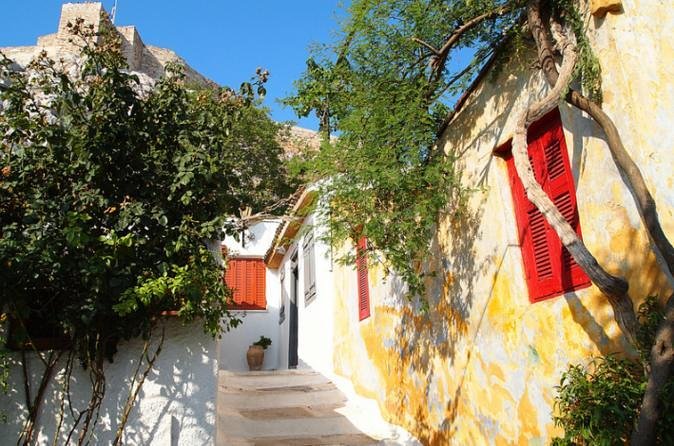
Plaka spreads across the slopes below the Acropolis. Its narrow cobblestone lanes, neoclassical houses, Byzantine churches, cafes, tavernas, and small shops give the area a village feel inside the capital.
The scheduled Plaka walk lasts about 30 minutes. That is enough for an introduction, not a full neighborhood exploration. You will have a chance to see the character of the area and get suggestions for shopping and places to eat, but you will need to return on your own if you want to spend an afternoon browsing.
Some lanes are lined with souvenir shops, which can make parts of Plaka feel more commercial than local. Other stretches are more atmospheric, and the Anafiotika area has whitewashed houses that create a small Greek-island mood beneath the Acropolis.
I find Plaka especially useful early in an Athens visit. The route gives you a sense of how the city’s old core fits together, and you can mark places to revisit later. The cobblestones and slopes also add to the physical demand, so keep your pace comfortable and do not try to race the group for photographs.
Greek pastries and the walk into Monastiraki
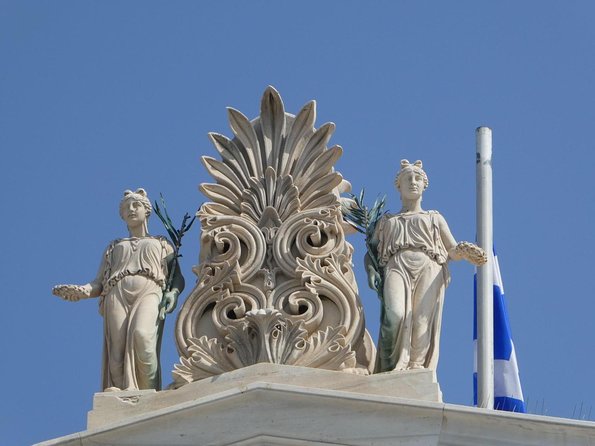
The food stop is modest but well chosen. You receive traditional Greek pastry snacks, including spanakopita and a sweet semolina custard cream. These are tasting portions, not a full meal, so plan lunch after the tour.
Spanakopita gives you the savory side of Greek pastry, while the semolina custard offers a sweeter finish. It is a small detail, but it breaks up several hours of monuments and stone streets. Food also gives the guide a natural opening to talk about everyday Greek life rather than only ancient events.
The route ends in Monastiraki, one of central Athens’ best-known meeting points. The square and surrounding streets are full of movement, shops, food places, and access to public transport. Ending here is convenient because you can continue into the neighborhood, stop for lunch, or use the area as a base for the rest of your day.
The Monastiraki stop itself is listed at about 10 minutes, so you should not expect a long market visit or a detailed shopping tour. Think of it as the final orientation point. You finish knowing how Monastiraki connects to Plaka, the Roman Agora, and the Acropolis.
What the $105.26 price buys you
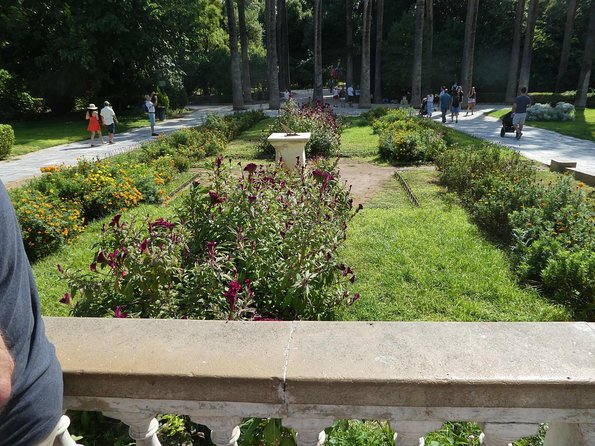
At $105.26 per person, this is not the cheapest way to see the Acropolis. The price makes more sense if you value a guide, a planned route, and time saved at the entrance.
The included Acropolis ticket is the main financial benefit. You also receive the licensed English-speaking guide and the pastry stop. Hotel pickup and drop-off are not included, and admission to the Tower of the Winds and Roman Agora is not included. You meet in central Athens and make your own way back after the tour.
I would consider the price fair for a first-time visitor who wants a structured morning. The route covers several major areas in 3 hours 30 minutes, and a strong guide can connect them in a way that is hard to reproduce with a guidebook and a map.
I would be less enthusiastic about the price if you already know Athens well, prefer exploring at your own speed, or plan to spend a full day at the Acropolis alone. Independent visitors have more time for museums, quiet corners, and repeated views. This tour pays for focus and explanation, not solitude.
The tour is also booked, on average, 76 days ahead. That suggests you should reserve early if your Athens dates are fixed, especially if you want the 9 a.m. departure.
Pace, group size, and practical comfort
You need moderate physical fitness for this walk. The Acropolis climb is uphill, and the route later includes cobbled streets, slopes, and a descent that can be slippery. Comfortable shoes are essential.
The company sets a maximum of 20 people. That is a reasonable size for an urban walking tour, though the experience will depend on how well the group stays together. The headphone system used by some groups is a real help when people spread out for photographs.
Guides have been praised for giving rest breaks and keeping a steady pace. Still, Athens can be hot, and shade is limited on exposed archaeological ground. Bring water and consider a hat or umbrella. The route starts in the morning, which is the right choice for the heat and the crowds.
The minimum age is 10. Service animals are allowed, and the meeting point is near public transportation. If someone in your party has mobility concerns, contact the company when booking about elevator access to the Acropolis. Permission must be arranged in advance, and last-minute access may not be possible.
You can show either a paper or electronic voucher. Free cancellation is available up to 24 hours before the start time. A late cancellation or late change is not refunded, and poor weather or failure to reach the minimum group size can lead to a different date, another experience, or a full refund.
Who will get the most from this walk
I would choose this tour for a first morning in Athens. It gives you the city’s essential ancient sight, then places it inside the neighborhoods you are likely to visit for food, shopping, and evening walks.
It is also a good fit if you want historical background without signing up for a full-day program. The route is long enough to feel substantial but short enough to leave your afternoon open.
Families with children aged 10 and older may appreciate the snacks, neighborhood changes, and shorter explanation periods. The physical side is the deciding factor. A child who handles hills and walking well should be fine, while a stroller or limited mobility could make the route difficult.
You should think twice if you dislike fixed schedules, cannot manage uneven ground, or want extensive time inside each archaeological site. The tour gives you a broad, connected view, not a slow archaeological study.
Should you book it?
Book this walk if you want the Parthenon plus a useful introduction to central Athens in one morning. The skip-the-line Acropolis entry, strong guide-led storytelling, Plaka route, and pastry tasting make it a practical first-day choice.
Skip it if you prefer to explore alone, need a gentle route, or want to include a full museum visit. One group’s itinerary was changed to include the Acropolis Museum instead of Plaka, but that was a variation rather than the standard route, so do not book expecting the museum.
For most first-time visitors who can handle the hills, the tour offers a good balance: major monuments first, then streets where Athens feels lived-in. Just wear reliable shoes, bring water, and leave room for lunch in Monastiraki.
FAQ
How long does the tour last?
The tour lasts approximately 3 hours 30 minutes.
What time does the tour begin?
It begins at 9 a.m.
Where does the tour start?
The meeting point is Porinou 5, Athina 117 42, Greece.
Where does the tour end?
The tour ends in Monastiraki, Athens.
Is the Acropolis entrance included?
Yes. Skip-the-line Acropolis admission tickets are included.
Is the Parthenon included?
Yes. The guided Acropolis visit includes the Parthenon, with about 30 minutes scheduled at the site.
Is the Temple of Athena Nike included?
Yes. The Temple of Athena Nike is part of the Acropolis visit, with about five minutes scheduled there.
Are tickets for the Roman Agora and Tower of the Winds included?
No. Admission for the Tower of the Winds is not included, and the Roman Agora is also not listed as an included admission.
Is food included?
Yes. The tour includes Greek pastry snacks, including semolina custard cream and traditional spanakopita.
How many people can join the tour?
The maximum group size is 20 people.
What should I wear?
Wear comfortable walking shoes. The route includes uphill walking, cobblestones, and a possibly slippery descent.
Is the tour suitable for children?
The minimum age is 10 years.
Is hotel pickup included?
No. Hotel pickup and drop-off are not included.
Can I cancel for a refund?
Yes. You can cancel at least 24 hours before the start time for a full refund. Changes or cancellations made less than 24 hours before the start time are not accepted for a refund.
What happens if the weather is poor?
If poor weather causes the tour to be canceled, you will be offered a different date or a full refund.
Fresh on the Athens list
- Athens Airport Arrival Transfer to Hotels or Addresses in Athens★ 3.5 · 45 reviews
- Private Luxury Tour: Unveiling the Sacred Mysteries of Eleusis★ 5.0 · 45 reviews
- Luxury Catamaran Sunset Semi-Private & Greek Gastronomy in Athens★ 5.0 · 45 reviews
- From Athens: Aegina Island guided tour in a day★ 5.0 · 45 reviews
- Delphi, Thermopylae full day private tour from Athens★ 4.9 · 46 reviews
- From Athens: City & Corinth Guided Day Tour★ 4.8 · 46 reviews
- Acropolis Private Wine Tasting @ Finewine store★ 5.0 · 46 reviews
- Ancient Corinth Half-Day Private Tour from Athens★ 5.0 · 46 reviews
Acropolis & Acropolis Museum Tours, compared.

Acropolis & up to 5 Archaeological Sites Combo Pass
Read our review →

Acropolis, Parthenon & Acropolis Museum Guided Tour
Read our review →
Acropolis, Parthenon & Acropolis Museum Guided Tour
Read our review →

Acropolis monuments & Parthenon Walking Tour with Optional Acropolis Museum
Read our review →
Athens All Included: Acropolis and Museum Guided Tour with Ticket
Read our review →Browse the lists this tour appears in