
Reviewed · ATHENS TOURS
Athens: Museum of Cycladic Art Entry Ticket
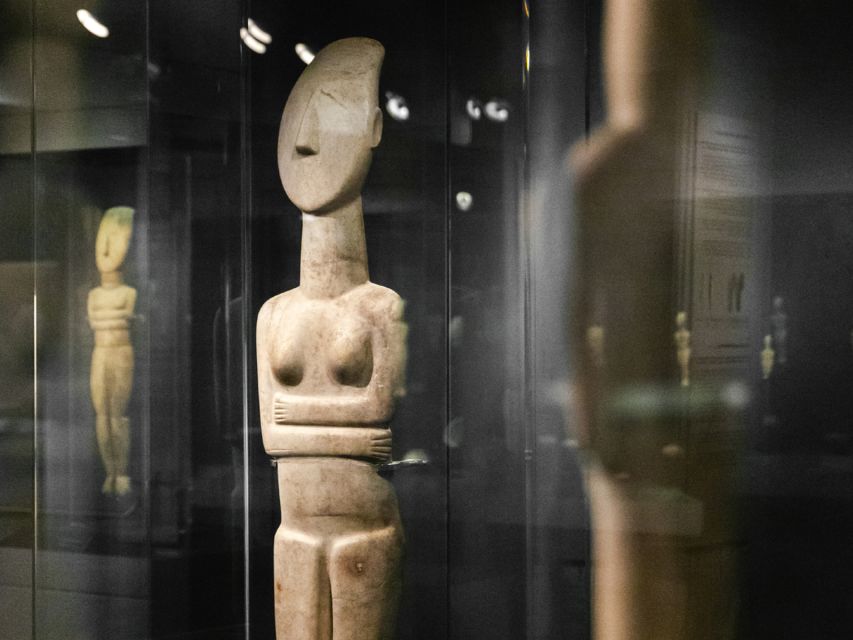
The star here is the Cycladic marble figurine, a spare, mysterious form carved around 2300 BC. You’ll also see pottery, weapons, jewelry, coins, and everyday objects that show how Aegean societies changed over thousands of years. I like the calm layout and the clear information panels. I also like that the museum sits just five minutes from Syntagma Square, making it easy to add to a central Athens day.
The main consideration is scale. This is a four-floor museum, but it is not a guided tour with a person leading you from case to case. The QR-based Clio Muse material covers only selected objects, and the audio system can feel awkward if you try to follow every item by number. Construction noise was also reported in November 2025, so it is sensible to check conditions before visiting.
Key points to know before you go
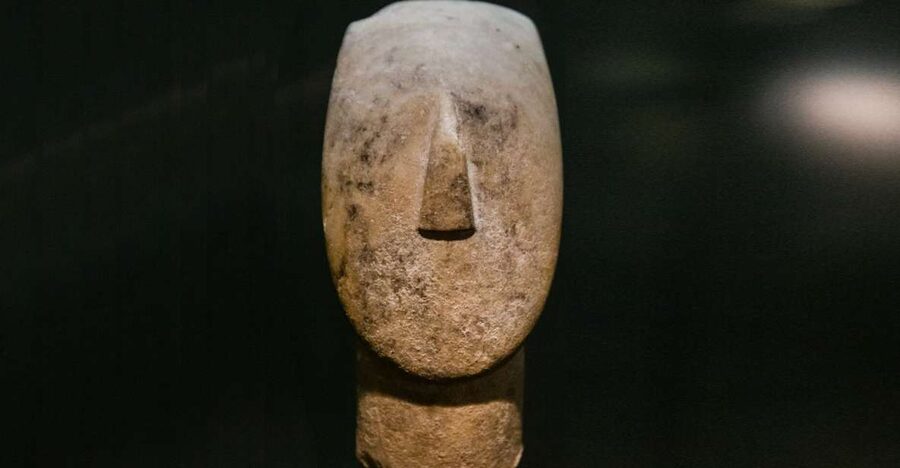
- Marble figurines from about 2300 BC: See the clean-lined art that made Cycladic culture famous.
- Four floors of ancient objects: Move from Early Bronze Age Cycladic pieces to Greek and Cypriot art spanning several thousand years.
- A useful central location: The entrance is about five minutes on foot from Syntagma Square and Syntagma Metro station.
- A calm visit of about 1.5 to 2 hours: The permanent displays are manageable and well organized.
- QR-based Clio Muse tours: Use your phone for extra material, but do not expect a full guided tour.
- Cycladic Café and museum shop: Finish with food made from natural products and virgin ingredients, or browse for a small souvenir.
Why this museum is worth your Athens time
Athens has no shortage of ancient objects. The Acropolis Museum and National Archaeological Museum naturally claim much of the attention, so you may wonder if another archaeology stop is necessary.
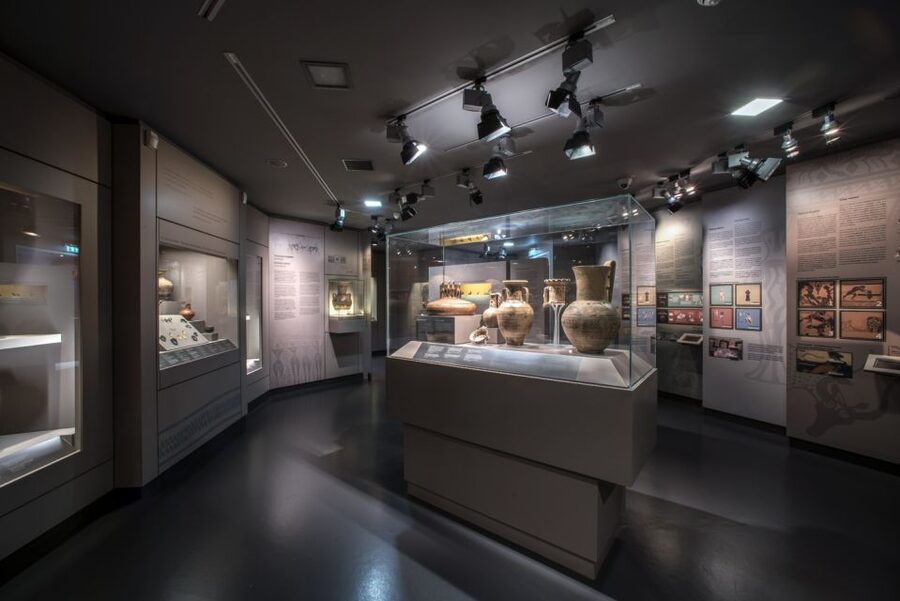
I think this museum earns its place because it gives you a tighter story. Instead of trying to cover every period and region at once, it lets you follow the art of the Aegean, ancient Greece, and Cyprus through carefully arranged collections. The displays are spread over four floors, with one or two rooms on each level. That makes the visit feel contained rather than tiring.
The permanent collections ticket costs $14 per person and is valid for one day. For a central Athens museum visit, that is a fair price if you spend around two hours with the displays and make time for the café or shop. It is less appealing if you plan only a quick look at the famous figurines and then leave.
The museum has an overall rating of 4.7 from 69 reviews, and the reasons are easy to understand. The galleries are generally quiet, the signs are readable, and the building itself is attractive. One practical note: the museum occupies a handsome old house, so the setting adds character without turning the visit into a grand palace experience.
More Museums in Athens
- Athens: Acropolis, Parthenon & Acropolis Museum Guided Tour
★ 4.8 · 9,316 reviews - Athens: Mythology of Delphi, Museum and Arachova Guided Tour
★ 4.6 · 4,008 reviews - Athens: Acropolis, Parthenon & Acropolis Museum Guided Tour
★ 4.8 · 3,579 reviews
Finding the entrance near Syntagma Square
The museum’s main entrance is about a five-minute walk from Syntagma Square and the Syntagma Metro station. That location matters. You can visit before heading toward the Acropolis, after a walk through central Athens, or during a break between major archaeological sites.
Enter through the main entrance rather than expecting a separate meeting point or hotel pickup. Hotel transfers are not included, and there is no transport component to this activity. You arrange your own way there, which is simple if you are already exploring central Athens.
Construction work caused access trouble in November 2025, when the street at the main entrance was blocked. Conditions can change, so check the entrance situation close to your visit. If building work continues, allow extra time and follow staff directions rather than assuming the usual route is open.
The museum is wheelchair accessible. Food and drinks are not allowed inside the galleries, so finish your snack before entering or save it for the Cycladic Café afterward.
Starting with the Cycladic collection
Begin with the museum’s main attraction: the art of the Cycladic islands during the Early Bronze Age, especially the third millennium BC.
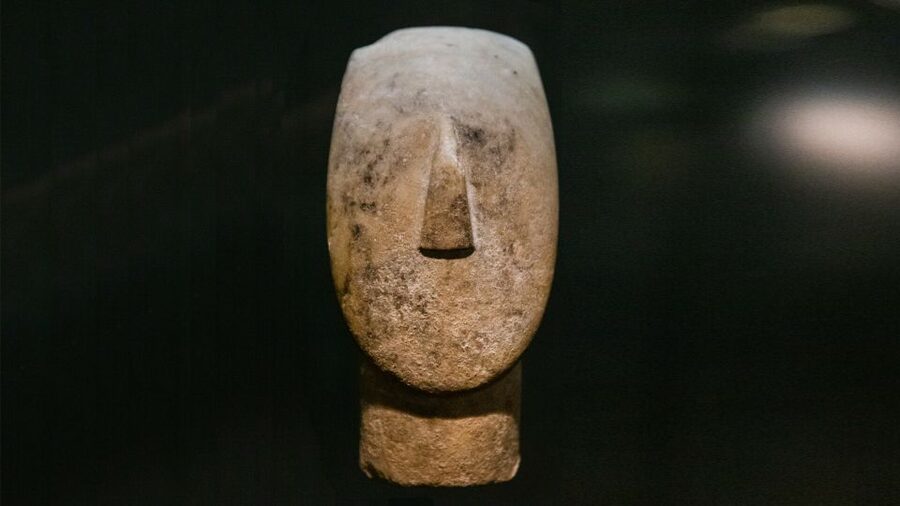
The collection includes marble carvings, folded-arm figurines, vases, tools, weapons, and pottery. The most famous pieces are the marble figures, often reduced to simple shapes and smooth surfaces. Their restraint can feel surprisingly modern, even though these works date to about 2300 BC.
The appeal is not only visual. These objects give you a way to think about life in the central Aegean long before classical Athens. You see the materials people worked with, the objects they used, and the forms they chose for symbolic or practical purposes.
I recommend spending time with the smaller objects rather than rushing toward the best-known figurines. Tools, pottery, and weapons help make the culture more understandable. A single marble figure can be striking, but the surrounding items explain the society that produced it.
The museum is known for holding one of the most complete private collections of Cycladic art in the world. That does not mean every piece is monumental. In fact, the quieter objects are often useful because they place the sculpture in a wider setting.
Following ancient Greek art across the second floor
The second-floor exhibition takes you through major historical, artistic, and technological changes in ancient Greek history. The collection covers a wide period, from the second millennium BC to the fourth century AD.
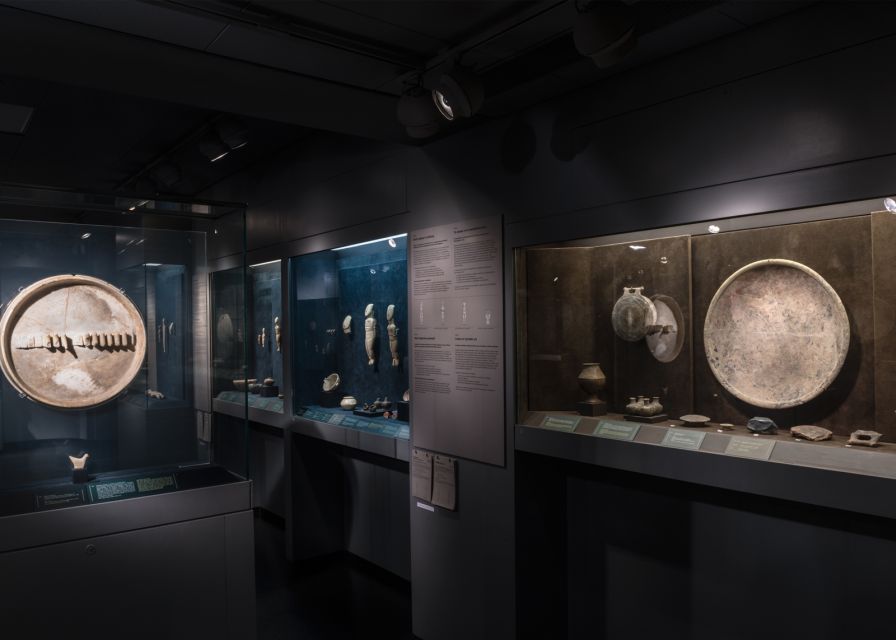
Here you can see painted vases, terracotta figures, bronze vessels, stone sculpture, coins, gold jewelry, and glass items. The range helps you track how Greek communities developed, how artistic styles shifted, and how everyday materials became objects of design.
This section also gives you a better sense of the growth of the Greek city-states and their society. The displays are not limited to famous statues. Coins, vessels, jewelry, and small household objects fill out the picture.
The arrangement is one of the museum’s strengths. The galleries are divided by floor, and each floor has only a small number of rooms. That makes it easy to pause, read, and move on without losing your place.
The information panels are clear and useful. You should be able to get a solid understanding without reading every line. If you want more detail, the Clio Muse Tours material is available through a QR code, along with free Wi-Fi.
There is a limitation here. Only some objects are included in the audio material. The QR system can be less natural than a live guide, especially if you are trying to identify each piece by number. One practical approach is to use the written panels first and open the audio content only for objects that catch your attention.
More museums around Athens:
- Acropolis monuments & Parthenon Walking Tour with Optional Acropolis Museum
★ 5.0 · 2,678 reviews - Athens All Included: Acropolis and Museum Guided Tour with Ticket
★ 4.5 · 2,673 reviews - Athens: Acropolis Museum Ticket with optional Audio Guide
★ 4.4 · 2,652 reviews - From Athens: Small-Group Delphi, Museum & Arachova Day Trip
★ 4.8 · 2,476 reviews
Seeing everyday life in Classical Athens
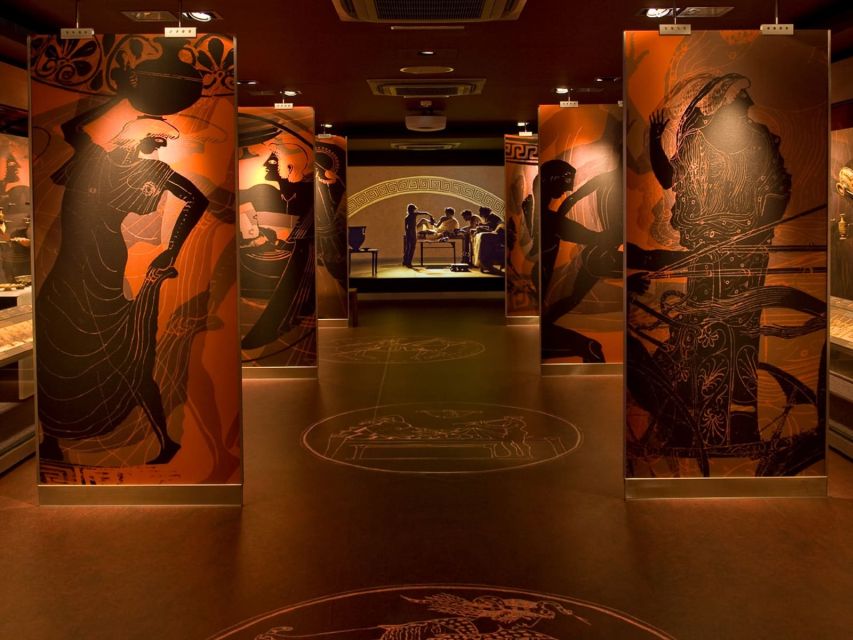
The fourth-floor exhibition focuses on daily life in Classical Athens. This is a welcome change after the larger historical sweep of the second floor.
The objects help you think about how people lived, worked, dressed, worshipped, and organized their homes. The display is intended to offer a vivid look at ordinary life rather than only the world of famous political leaders and philosophers.
That focus makes the museum more useful for visitors who want social history, not just art history. You may find that a small household object tells you more about daily routines than another formal statue.
The museum’s design also helps here. The galleries are not overloaded, and the clear floor plan lets you take the exhibition at your own pace. A visit does not have to become a march from case to case.
For families, the subject may work better with older children. The collection can be less engaging for children under 10, particularly if they need hands-on displays or a fast-moving presentation. Older children with an interest in myths, art, or ancient life may get more from the objects and the short explanations.
Crossing the Mediterranean in the Cypriot galleries
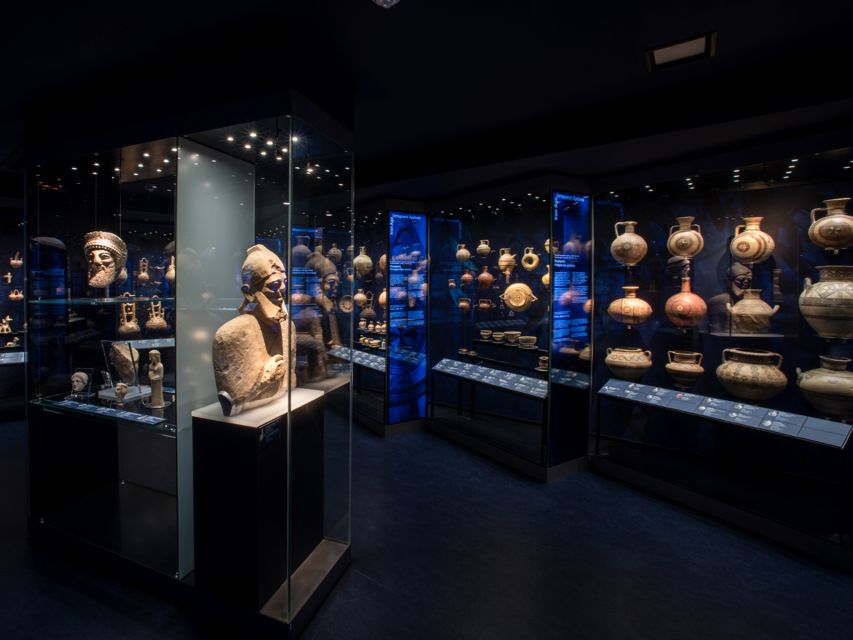
The Ancient Cypriot Art collection is one of the largest outside Cyprus. It covers an unusually long period, from the fourth millennium BC to medieval times.
You will see prehistoric figurines, Archaic and Classical sculpture, inscriptions, bronzes, coins, gold jewelry, glasswork, and many kinds of ceramics. The variety gives this section a different feel from the Cycladic galleries.
Its most useful lesson is cultural contact. Ancient Cypriot art combines local elements with Greek, Egyptian, and Near Eastern influences. Cyprus sat within active Mediterranean networks, and the objects show how ideas, styles, and materials moved between societies.
Look at the collection as a record of exchange rather than as a separate island story. Jewelry, ceramics, sculpture, and glass can reveal changing connections across the region. This helps you see the ancient Mediterranean as a place of contact, not a set of isolated cultures.
Some pieces may look familiar if you have already visited Athens’ larger archaeological museums. Pottery, weapons, statues, and coins appear in many Greek collections. The value here comes from the museum’s focused presentation and the link between Cycladic, Greek, and Cypriot traditions.
How to plan the visit
Most people can see the permanent galleries in about 1.5 to 2 hours. That is long enough to read the main panels and spend time with the best objects without turning the visit into an all-day commitment.
The ticket is valid for one day, and you should check availability for the available starting times when booking. This is useful if you are fitting the museum between lunch, the Acropolis, or another timed activity.
A simple route is to begin with the highest floor and work downward. Staff suggested this approach to one visitor because it reduced the physical effort of climbing between floors. If you do that, pay attention to the order of the displays, since the QR audio system may not automatically guide you naturally from the final floor back to the first.
If you prefer a chronological path, ask at the entrance how the museum recommends moving through the galleries. The exact order is less important than choosing a route before you begin. Without a plan, the audio numbers can become more work than help.
The museum is described as cool inside, which can be pleasant during a hot Athens day. Bring only what you need, since food and drinks cannot enter the galleries. Free Wi-Fi is available for the QR material.
The café and the old-house setting
The Cycladic Café is a quiet place to pause after the exhibitions. It serves Cycladic flavors made with natural products and virgin ingredients.
The supplied information does not give a full menu, so I would treat the café as a pleasant extra rather than the reason to buy the museum ticket. Still, its setting makes sense after a museum visit. You can sit down, talk through the objects you saw, and take a break from Athens traffic.
The museum shop is another small advantage. It gives you a chance to browse after the galleries without adding another stop to your day.
The old house adds to the mood. The building is attractive, and the museum’s modern display design keeps the objects easy to see. The result is more intimate than the major archaeological museums. You get fewer crowds and a slower pace, though the collection itself may feel less dramatic if you are looking only for large monuments.
What the QR tour can and cannot do
The included Clio Muse Tours material is accessed by QR code. This means you can use your own phone rather than joining a scheduled guide.
The benefit is flexibility. You choose which objects deserve more attention, and you can move at your own pace. Free Wi-Fi helps with access.
The drawback is that the material covers only selected exhibits. One visitor found it difficult to locate objects naturally through the app and ended up searching by exhibit number. That can feel tiring, especially if you begin on the top floor and work down.
I would use the QR content selectively. Read the wall panels first, then scan the objects you find most interesting. If you expect a detailed explanation of every case, this ticket may disappoint. If you want a quiet museum visit with optional extra information, it works well.
There is no guided tour included, and no guide name is supplied for this experience. You are responsible for setting your own pace and deciding how much context you want.
Noise, access, and current conditions
The museum received strong marks for its clear layout, but renovation work affected at least one visit in November 2025. Loud construction noise made it difficult to stay as long as planned.
That issue may have ended or may still affect certain rooms. I would check the current condition before booking if you are sensitive to noise. Earplugs could be a practical backup, but they will not solve blocked access or closed galleries.
The museum is wheelchair accessible, which makes the four-floor arrangement more manageable for visitors who need step-free access. For everyone else, using the lift or starting at the top can reduce unnecessary effort.
The ticket includes the permanent collections. The information provided does not say that temporary exhibitions are included, so do not assume access beyond the permanent displays.
Who should book this museum ticket?
I would recommend it to you if you enjoy ancient art, small objects, material culture, and the connections between Aegean societies. It is also a good choice if you want a central Athens museum that can be completed in two hours.
The museum suits adults, older children, students, and anyone who prefers a quieter setting to a major archaeological complex. The Cycladic figurines alone may justify the visit for art lovers, while the Greek and Cypriot galleries give you enough variety to make the ticket worthwhile.
I would be more cautious if you are traveling with very young children who need interactive displays. I would also be cautious if your Athens schedule is already packed with the Acropolis Museum and National Archaeological Museum. There is some overlap in broad object types, including pottery, weapons, and statues.
The $14 price is reasonable when you use the whole museum, spend time on all four floors, and stop at the café. It is less convincing as a short photo stop. Plan at least 90 minutes, and preferably closer to two hours.
Should you book the Museum of Cycladic Art?
Book it if you want a focused, well-organized look at Cycladic sculpture, ancient Greek art, and Cypriot culture in one central location. The clean layout, readable signs, manageable size, and famous marble figures make it an easy museum to add to an Athens itinerary.
Wait or check first if renovation noise is still present, if you need a fully guided experience, or if you are visiting with children under 10 who may lose interest. For most adults with an interest in ancient art, the $14 ticket offers a calm and worthwhile break from Athens’ larger sights.
FAQ
Where is the Museum of Cycladic Art?
The museum is in central Athens, about a five-minute walk from Syntagma Square and Syntagma Metro station.
What does the ticket include?
The ticket includes entry to the museum’s permanent collections, free Wi-Fi, and access to Clio Muse Tours through a QR code.
Is a guided tour included?
No. A guided tour is not included. The museum provides QR-based Clio Muse Tours for selected exhibits.
How long is the ticket valid?
The ticket is valid for one day. Check availability for the starting times offered when you book.
How much does entry cost?
The listed price is $14 per person.
Is the museum wheelchair accessible?
Yes. The museum is wheelchair accessible.
Can I bring food and drinks inside?
No. Food and drinks are not allowed inside the museum.
Is hotel transfer included?
No. Hotel transfer is not included. You enter through the museum’s main entrance.
Can I cancel the booking?
Yes. You can cancel up to 24 hours in advance for a full refund. You can also reserve now and pay later, which keeps your plans flexible.
Fresh on the Athens list
- Athens Airport Arrival Transfer to Hotels or Addresses in Athens★ 3.5 · 45 reviews
- Private Luxury Tour: Unveiling the Sacred Mysteries of Eleusis★ 5.0 · 45 reviews
- Luxury Catamaran Sunset Semi-Private & Greek Gastronomy in Athens★ 5.0 · 45 reviews
- From Athens: Aegina Island guided tour in a day★ 5.0 · 45 reviews
- Delphi, Thermopylae full day private tour from Athens★ 4.9 · 46 reviews
- From Athens: City & Corinth Guided Day Tour★ 4.8 · 46 reviews
- Acropolis Private Wine Tasting @ Finewine store★ 5.0 · 46 reviews
- Ancient Corinth Half-Day Private Tour from Athens★ 5.0 · 46 reviews
Athens Tours, compared.

Acropolis & up to 5 Archaeological Sites Combo Pass
Read our review →

Acropolis, Parthenon & Acropolis Museum Guided Tour
Read our review →
Cape Sounion & Poseidon Temple Sunset Half-Day Trip
Read our review →


Cape Sounio & Poseidon Temple Trip with Audio Guide
Read our review →
Hydra, Poros, and Aegina Day Cruise with Lunch
Read our review →Browse the lists this tour appears in