
Reviewed · ATHENS TOURS
Athens: The Classic Food Tasting Tour
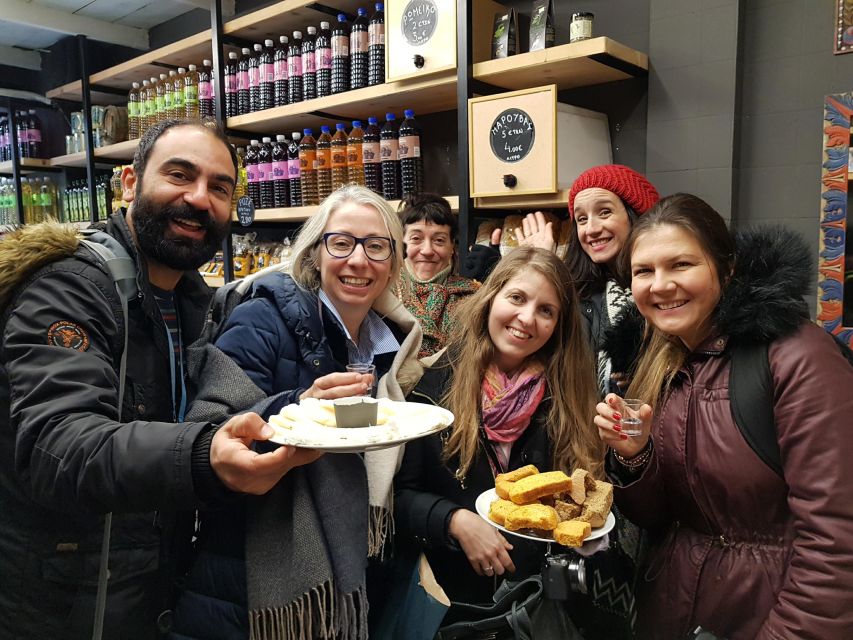
Athens reveals itself especially well through food, and this tour takes you beyond the usual taverna menu. In about three and a half hours, you move from Greek yogurt and pastries to market produce, Cretan cheese, olives, rusks, coffee, ice cream, and a final mezze with tsipouro. The tastings are generous enough to replace lunch.
I like the local shopping districts and the way the route connects food with everyday life. I also like the variety: the sand-heated Greek coffee, the oldest bougatsa bakery, goat milk ice cream, and Cretan specialties give you more than a run through familiar moussaka and souvlaki.
The main consideration is simple: this is a walking-and-eating workout. Several people finish very full, so skip breakfast or keep it light, wear good shoes, and tell the guide about allergies or digestive problems before the tour begins.
Key points at a glance
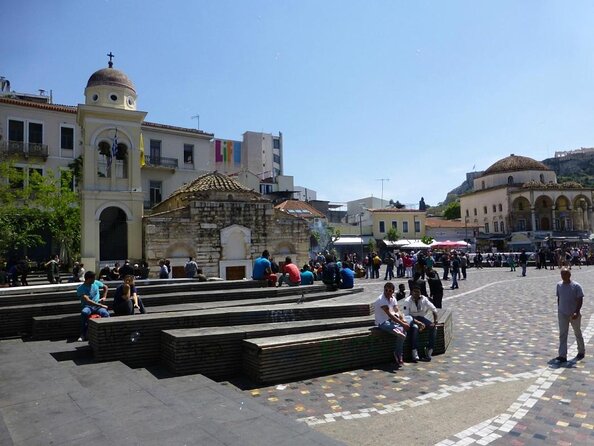
- More than 18 tastings: Expect a full spread of pastries, yogurt, coffee, cheeses, olives, rusks, wine, ice cream, sesame bread, and mezze.
- A real market stop: Varvakios Market gives you a look at where central Athens shops for meat, fish, fruit, and vegetables.
- Cretan flavors: Sample Cretan cheese, olive oil, olives, rusks, and raki in traditional food shops.
- Small groups: The tour is limited to 10 people, making it easier to ask questions and keep up with the guide.
- A useful first-day activity: The route helps you learn food names, local districts, and places you may want to revisit later.
- A substantial finish: The final mezze with tsipouro turns the tasting walk into something close to a light lunch.
Starting at Monastiraki and heading into everyday Athens
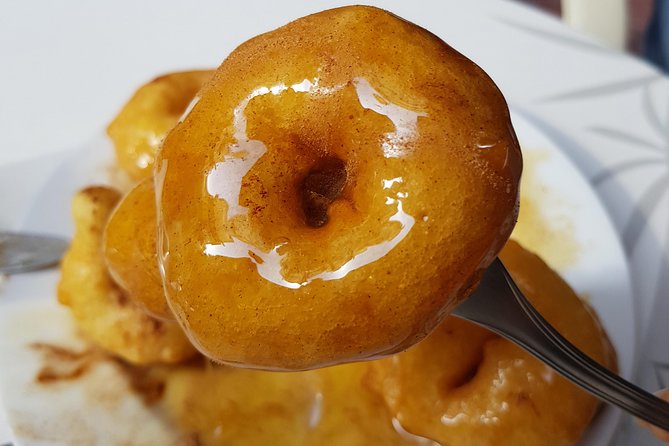
Meet your guide at Monastiraki Square, in front of the small church. The square is easy to reach by Athens Metro, using either the green or blue line, and it is a practical starting point for a walk through the city center.
From here, the tour heads toward Omonia and the older commercial districts. This is not a sightseeing route built around museum entrances or major monuments. You will see parts of central Athens through cafés, bakeries, markets, and food shops, with the guide adding stories about local habits and the origins of what you eat.
That makes the tour useful early in your stay. You learn how Greek food names sound, which products are worth buying as gifts, and where locals shop and eat. Several people have found themselves returning to places from the tour later in their visit, which is one of the better signs that the route offers practical value.
The walking pace is generally manageable. Past participants describe it as enough movement to work off some of the food, but not a race from stop to stop. Still, central Athens has busy streets and uneven walking surfaces in places, so comfortable shoes are not a minor suggestion.
More Food Tours in Athens
- Greek Food Walking Tour in Athens
★ 5.0 · 4,740 reviews - Athens: Street Food Tasting Tour
★ 4.9 · 2,557 reviews - Small Group Greek Traditional Food Tour in Athens 20+ Tastings
★ 5.0 · 1,759 reviews
Omonia pastries, Greek yogurt, and coffee made with sand
The first tastes introduce some of the simplest and most characteristic Greek foods. You begin around Omonia with refreshing Greek yogurt and traditional pies and pastries, including the chance to try mpougatsa, a flaky fyllo pastry filled with cheese or cream.
The stop at the old bougatsa bakery is one of the tour’s strongest food moments. The pastry is a good reminder that Greek food is not only about grilled meat and large plates. Fyllo gives it a delicate, crisp texture, while the cheese or cream filling changes the character completely. If you have a sweet tooth, the cream version may be your favorite. If you prefer savory food, choose the cheese.
The tour also includes Greek coffee at a local favorite that combines older preparation methods with newer ideas. One particularly memorable detail is the coffee being prepared in a bed of heated sand. You get to watch the method as well as drink the coffee, which makes this stop more than a quick caffeine break.
Greek coffee is small, strong, and not filtered in the same way as a typical drip coffee. Give the grounds a moment to settle at the bottom of the cup. The tour is a good place to try it because the guide can explain what you are drinking and how it fits into Greek café culture.
The goat milk ice cream is another unusual stop. It uses a traditional Greek recipe in a newer presentation, giving you a taste that may be unfamiliar even if you have already tried plenty of Greek desserts. This variety is part of the value: you are not simply sampling several versions of the same pastry.
Varvakios Market and the city’s food supply
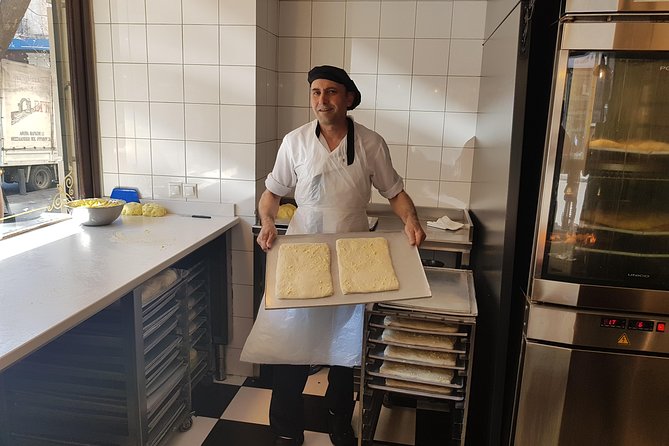
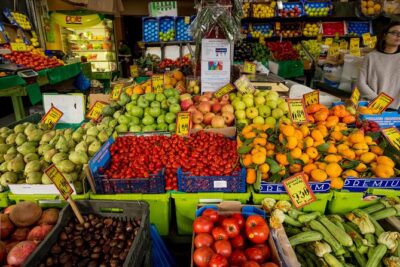
The route continues to Varvakios Market, Athens’ central food market. Here you can see stalls and shops selling meat, fish, fruit, vegetables, and other Mediterranean ingredients.
This is the point where the tour shifts from prepared bites to the raw materials behind Greek cooking. The market is a working commercial place, not a staged food display. That means it can feel noisy, crowded, and very practical, but those qualities are exactly what make it useful for understanding how food reaches Athenian kitchens.
Your guide can point out products and explain how they are used. You may not be stopping to eat at every market stall, but the visit gives context to the rest of the tour. After seeing the produce and seafood, a later tasting of olive oil, cheese, or cured meat feels connected to a wider food tradition.
This section also adds a bit of visual interest to a day that could otherwise become a string of indoor tastings. If you are sensitive to strong food smells or prefer a quiet walk, keep in mind that a central food market is an active place. For most people, it is one of the more useful stops because it shows the everyday side of Athens.
Cretan cheese, olives, rusks, and olive oil
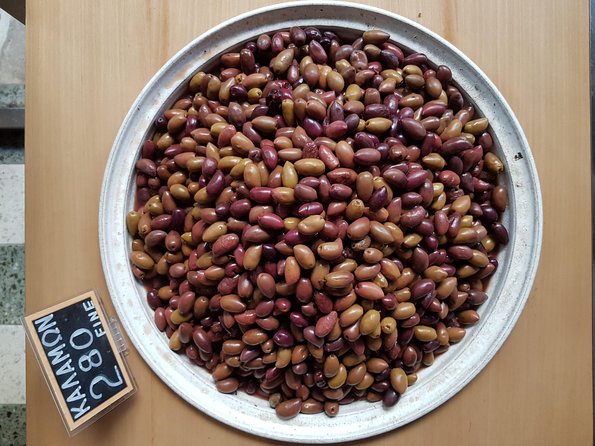
After the market, the tour moves through boutique food shops and traditional Greek delis. The emphasis here is on regional products, especially foods from Crete.
The Cretan tasting round may include cheese, olives, rusks, olive oil, and raki. These foods work well together. Rusks provide a firm, dry base; olive oil softens them; olives add salt and bitterness; cheese brings richness; and raki finishes the sequence with a sharp, herbal spirit.
Cretan cuisine has a strong reputation within Greece, and this tasting gives you a compact introduction without requiring a separate trip to the island. You can compare textures and flavors while learning which products are good choices to take home. One useful point from the tour is that the guide can help you identify authentic Greek food gifts, rather than leaving you to guess in a supermarket.
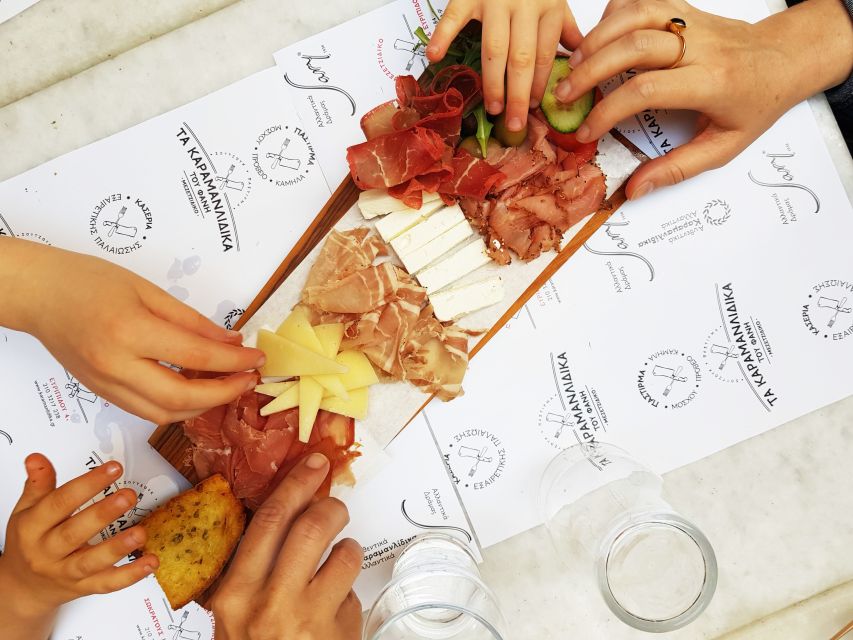
You will also taste Greek wine and meat delicatessen products during the deli visits. The exact order and selection can vary, but the overall idea is clear: sample foods that Greeks buy for the home, the table, or a casual gathering.
This is where the guide matters most. A plate of olives is easy to eat without explanation. With a good guide, you learn about the product’s place in Greek meals, how it is paired, and why one item is associated with a particular region. Guides including Ioanna, Elias, Maria, Kostas, Eva, Anna, and Manelaos have been singled out for their warmth, clear English, local knowledge, and ability to answer questions.
More food tours around Athens:
- Athens Authentic Greek Food Walking Tour (Small Group)
★ 5.0 · 809 reviews - Athens Greek Food Tour Small-Group Experience
★ 5.0 · 802 reviews - Athens Evening Food Tour
★ 5.0 · 766 reviews - Get a Taste of Athens Food Tour
★ 5.0 · 624 reviews
Koulouri and the everyday Greek snack
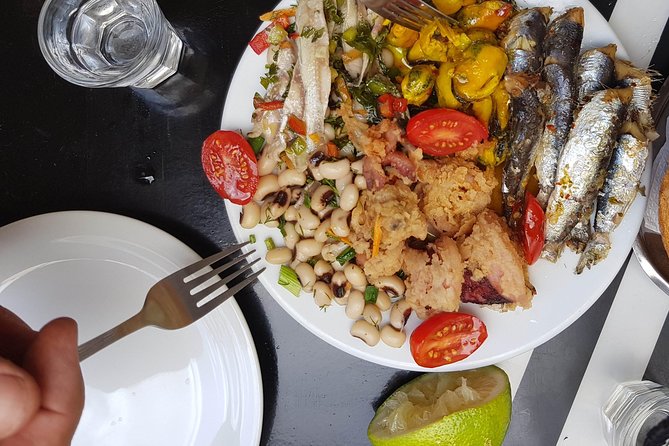
The tour includes koulouri, the familiar sesame-covered bread ring sold throughout Greece. It is one of the most ordinary foods on the route, and that is exactly its appeal.
Koulouri is the kind of snack you can see in daily life, not just on a special restaurant menu. Tasting it during the walk helps you recognize it later when you pass a bakery or street seller. It also provides a welcome contrast to the richer pastries and dairy products earlier in the route.
For a first visit to Athens, these small points are valuable. You are not only eating; you are building a mental list of foods to look for during the rest of your trip. Several people have found the tour helpful for getting oriented to both the city and the local food scene.
The final mezze with tsipouro
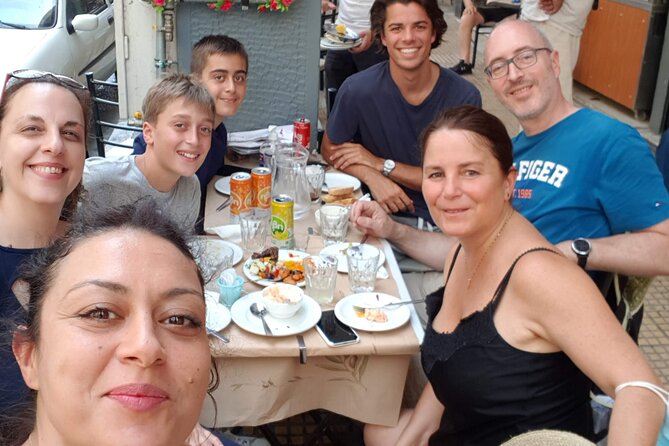
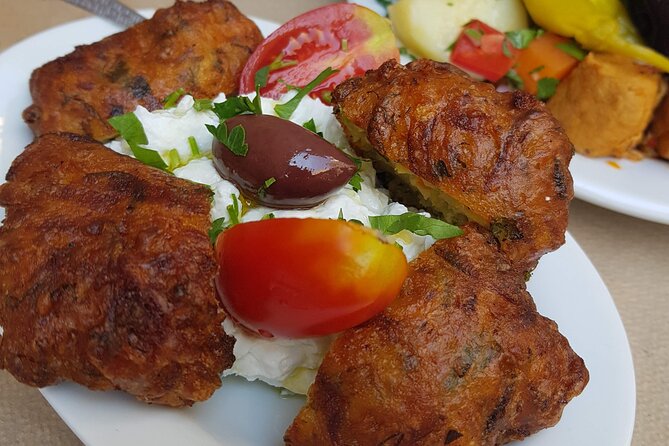
The tour finishes in a fitting Greek fashion with mezze and tsipouro. Mezze is not one dish but a collection of small plates meant to share. It is a social way to eat, and it gives the group a chance to sit together after several stops on foot.
The final meal is important because the tour is more filling than the word tasting might suggest. You are not receiving one tiny sample at each location. The combined food can amount to a full lunch, especially when the route includes pastries, yogurt, cheese, cured products, bread, sweets, and drinks.
Tsipouro is a strong spirit, so pace yourself. You can tell the guide if you do not want alcohol or if you need to avoid particular foods. Water is included, and carrying the supplied bottle or your own water is sensible, especially in warm weather.
The shared ending also gives the tour a friendly social rhythm. Solo participants have found the group welcoming, and families have appreciated the relaxed format. One family with three picky eaters, including a 13-year-old and two young adults, found that everyone tried the food. That suggests the range is broad enough for different tastes, though no food tour can guarantee that every eater will like every stop.
What the $80 price really covers
At $80 per person, this is not a cheap snack walk. It is a small-group food tour with a licensed guide, water, and all the food you taste included. More than 18 samples, several food shops, a market visit, and a final mezze make the price easier to justify than a tour built around three or four bites.
You are also paying for access and interpretation. You could visit Varvakios Market alone, order Greek coffee alone, and buy yogurt or olives on your own. What you would miss is the link between the places, the help with unfamiliar foods, and the confidence to enter shops you might otherwise pass.
The value is strongest if you use the tour as an introduction to Athens. Take notes on foods you enjoy and shops you want to revisit. The tour can save you from spending several meals experimenting without much guidance.
The value is weaker if you have a very limited appetite, avoid most dairy, do not drink alcohol, or prefer a formal cooking class. The tour is focused on tasting and walking, not on preparing the food yourself. Also, entry to museums and historic sites is not included, and there is no hotel transfer.
Who will enjoy this Athens food walk
I would choose this tour for food-focused visitors, first-time Athens visitors, solo travelers, and families willing to try unfamiliar dishes. It also suits anyone who wants history, architecture, and local life folded into a food experience rather than a separate lecture.
It is a particularly good choice near the start of your trip. You can use the information later when ordering in tavernas, shopping for gifts, or deciding which neighborhoods deserve another visit.
The small group, capped at 10 participants, helps keep the experience personal. English and German tours are available, and the activity is wheelchair accessible. You should still mention mobility needs when booking, since the route involves walking through markets and central streets.
Bring comfortable shoes, sunscreen, and a hat. Athens can be bright and hot, and the tour lasts three to three and a half hours. Tell the guide about allergies and digestive disorders before eating, rather than hoping to manage them stop by stop.
Cancellation is free up to 24 hours before the tour for a full refund, and you can reserve now and pay later. Starting times vary, so check availability when choosing your date.
Should you book the Classic Food Tasting Tour?
Book it if you want to eat a lot, walk through ordinary central Athens, and learn how Greek food fits into daily life. The strongest parts are the sheer range of tastings, the Varvakios Market visit, the Cretan products, and the guides’ ability to connect food with local stories.
Skip it if you want a short, light tasting or a quiet museum-based afternoon. This is a generous food route, and the most common practical issue is not too little food but too much. Arrive hungry, stay open to unfamiliar flavors, and let the guide help you pace yourself. For $80, it offers a useful first look at Athens through the foods people actually buy, share, and enjoy.
FAQ
Where does the Athens Classic Food Tasting Tour meet?
Meet at Monastiraki Square, in front of the little church. You can reach the square using the green or blue Athens Metro lines.
How long does the tour last?
The tour lasts about three to three and a half hours. Starting times depend on availability.
How much food is included?
More than 18 delicacies are included, along with all the food you taste during the tour. The route ends with mezze and tsipouro, and the amount is substantial enough to replace a light lunch for many people.
Which foods will I taste?
The tour includes Greek yogurt, traditional pies and pastries, bougatsa, Greek coffee, goat milk ice cream, Cretan cheese, olives, olive oil, rusks, Greek wine, meat delicatessen products, koulouri, and mezze with tsipouro.
Is the tour suitable for people who do not drink alcohol?
Alcoholic tastings include Greek wine and tsipouro. Tell the guide about your preferences, allergies, or digestive disorders before the tour begins.
What languages are available?
Live guides are available in English and German.
Is the tour wheelchair accessible?
Yes, the activity is listed as wheelchair accessible. It also includes walking through central streets and a food market.
What should I bring?
Wear comfortable shoes and bring sunscreen and a hat. A bottle of water is included, and you should inform the guide about allergies or digestive disorders.
Fresh on the Athens list
- Athens Airport Arrival Transfer to Hotels or Addresses in Athens★ 3.5 · 45 reviews
- Private Luxury Tour: Unveiling the Sacred Mysteries of Eleusis★ 5.0 · 45 reviews
- Luxury Catamaran Sunset Semi-Private & Greek Gastronomy in Athens★ 5.0 · 45 reviews
- From Athens: Aegina Island guided tour in a day★ 5.0 · 45 reviews
- Delphi, Thermopylae full day private tour from Athens★ 4.9 · 46 reviews
- From Athens: City & Corinth Guided Day Tour★ 4.8 · 46 reviews
- Acropolis Private Wine Tasting @ Finewine store★ 5.0 · 46 reviews
- Ancient Corinth Half-Day Private Tour from Athens★ 5.0 · 46 reviews
Athens Tours, compared.
Acropolis & up to 5 Archaeological Sites Combo Pass
Read our review →

Acropolis, Parthenon & Acropolis Museum Guided Tour
Read our review →
Cape Sounion & Poseidon Temple Sunset Half-Day Trip
Read our review →

Cape Sounio & Poseidon Temple Trip with Audio Guide
Read our review →
Hydra, Poros, and Aegina Day Cruise with Lunch
Read our review →Browse the lists this tour appears in