
Reviewed · ATHENS TOURS
Best Seller: Semi-Private Athens Morning Food Tour (15+ tastings)
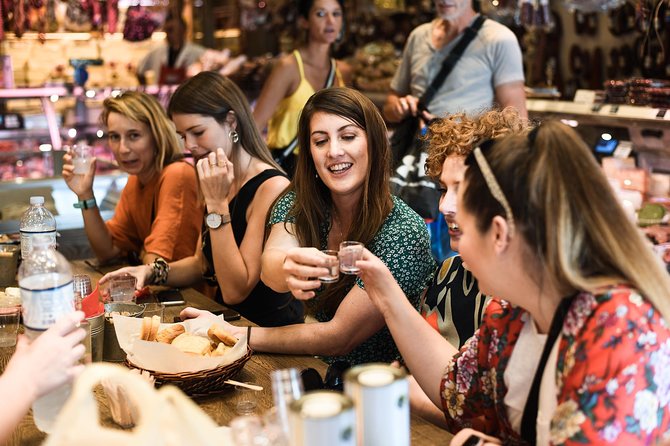
Athens reveals itself especially well through food. This four-hour morning walk moves from Syntagma Square to Monastiraki and Psiri, with more than 15 tastings along the way, including handmade pie, cheeses, olives, cured meats, loukoumades, Greek coffee, and a full lunch.
I like two things right away: the small group, capped at 10 people, and the mix of ordinary food shops with a proper look at the Athens Central Market. The main caution is simple: this is a lot of food. Come hungry, and expect to postpone dinner.
Key things to know
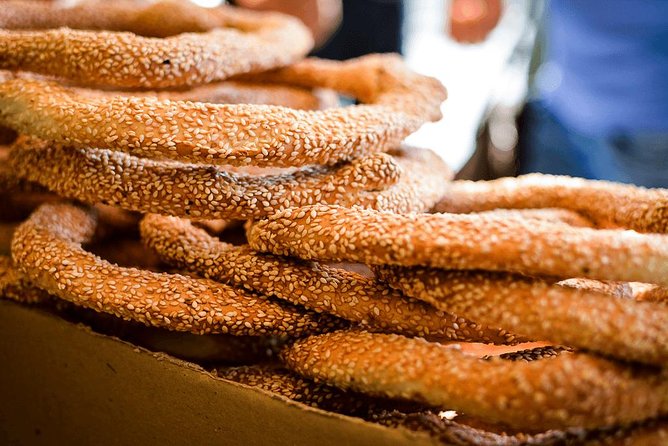
- A full Greek meal in tasting form: Expect enough food for breakfast and lunch, not just a few sample bites.
- A useful route through central Athens: The walk links Syntagma, Monastiraki, the Central Market, and Psiri.
- A guide-led food lesson: Guides such as Niki, Eugenia, Gari, Georgina, Nafsika, Penelope, and Manos explain how dishes fit into Greek family life and culture.
- Small groups matter: A maximum of 10 people makes it easier to hear the guide and ask questions.
- Vegetarian substitutions are available: Tell the operator about dietary needs when booking.
- Good first-day timing: The 10 a.m. start gives you an easy introduction to Athens before the afternoon heat and sightseeing crowds build.
A food-first way to get oriented in Athens
This tour is not simply a checklist of Greek dishes. It is a walking route through central Athens, with each stop showing a different part of how people shop, eat, and socialize.
You begin at Syntagma Square, the city’s central meeting point, and finish in Monastiraki after passing through the Central Market and Psiri. That makes the tour useful beyond the food itself. You get a practical sense of the city center, learn which areas deserve a return visit, and collect ideas for meals later in your trip.
The guide is the key to the experience. Niki is repeatedly praised for joining food knowledge with stories about Greece. Eugenia is known for making time for everyone and explaining the place of food, family, and friends in Athenian life. Gari, Georgina, Nafsika, Penelope, and Manos are also named as warm, engaging guides who explain both the dishes and the neighborhoods.
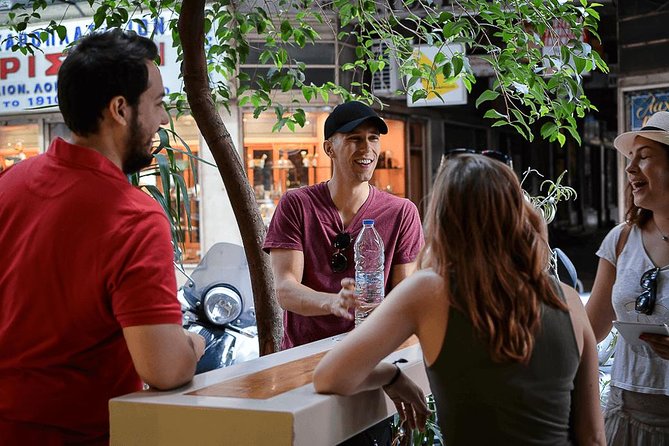
The tone is casual rather than formal. You stop often, sit down at some points, and eat at a pace that allows conversation. Still, the tour covers many stops in about four hours, so comfortable walking shoes are a wise choice.
More Food Tours in Athens
- Greek Food Walking Tour in Athens
★ 5.0 · 4,740 reviews - Athens: Street Food Tasting Tour
★ 4.9 · 2,557 reviews - Small Group Greek Traditional Food Tour in Athens 20+ Tastings
★ 5.0 · 1,759 reviews
Syntagma Square and the Greek pie breakfast
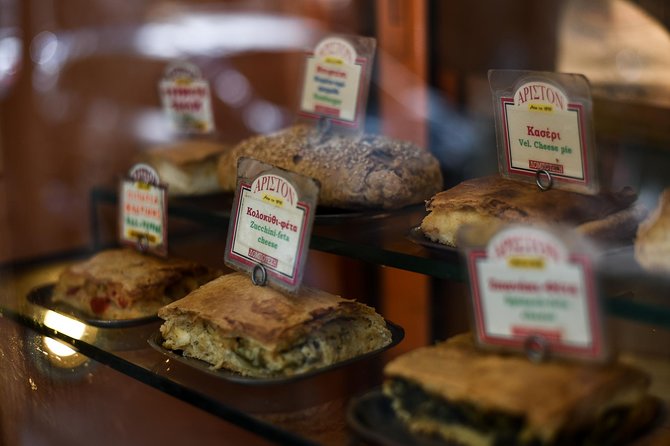
The first tasting is handmade Greek pie near Syntagma Square. Spanakopita, filled with spinach and feta, is the star, though the selection can include other traditional pies.
This is a smart opening because pie is a common Greek breakfast and snack, not a dish reserved for special occasions. You get a quick lesson in the contrast between flaky pastry and savory fillings, while also seeing how a long-running bakery fits into daily Athens.
The bakery dates to the 1920s, giving the stop a direct connection to the city’s food traditions. The point is not simply that the pastry is old. It is that the tour begins with food Athenians have enjoyed for generations, in the kind of shop you might easily walk past without knowing its importance.
You may want to keep your first portion modest. The pie is only the opening act, and the later tastings arrive quickly.
Greek cheeses, feta, and yogurt
A short walk leads to a local deli with Greek cheeses and yogurt. Here, you taste several kinds of feta along with graviera, ladotiri, anthotiro, and creamy Greek yogurt with honey.
This stop gives you a more useful understanding of Greek cheese than simply ordering feta at a restaurant. Feta is only one part of the picture. Graviera brings a firmer texture, while anthotiro is softer and milder. Ladotiri adds another regional style to the comparison.
The guide explains how cheese is made in Greece and helps connect the flavors to the country’s different regions. That background makes the tasting more worthwhile, especially if you plan to visit villages or islands later and want to recognize local dairy products.
Greek yogurt with honey provides a gentle break from the salty cheeses. It also shows how a simple combination can serve as breakfast, dessert, or a quick snack.
Monastiraki and the savory side of Greek food
As the route continues toward Monastiraki, the food becomes stronger and more heavily seasoned. You taste pastourma and other cured meats, including pork and beef.
Pastourma is known for its firm texture and powerful spice coating. It is not the mildest introduction to Greek food, but it is exactly the sort of specialty that benefits from explanation. The guide can show you how preserved meats fit into the broader food traditions of Greece and the eastern Mediterranean.
This part of the walk is also useful for anyone unsure about trying unfamiliar foods. The tour is relaxed, and you can decline an item without pressure. That flexibility matters because a food tour should let you explore, not force you to pretend every bite is your favorite.
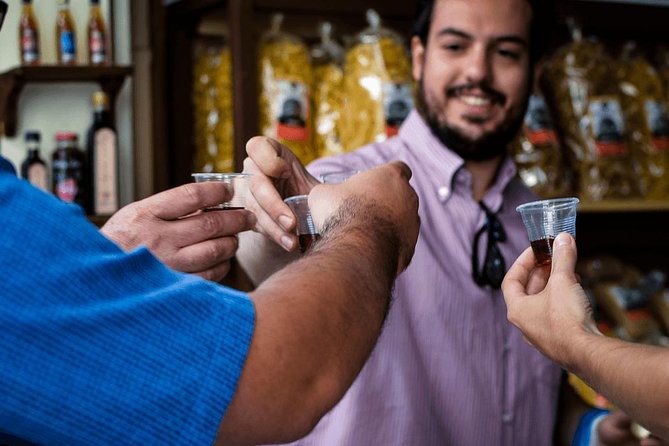
The cured meat platter is served with drinks, which may include wine and or raki. Portions are designed for sharing, so the group can compare reactions and talk about what each person prefers.
More food tours around Athens:
- Athens Authentic Greek Food Walking Tour (Small Group)
★ 5.0 · 809 reviews - Athens Greek Food Tour Small-Group Experience
★ 5.0 · 802 reviews - Athens Evening Food Tour
★ 5.0 · 766 reviews - Get a Taste of Athens Food Tour
★ 5.0 · 624 reviews
Olives in more than one shade and style
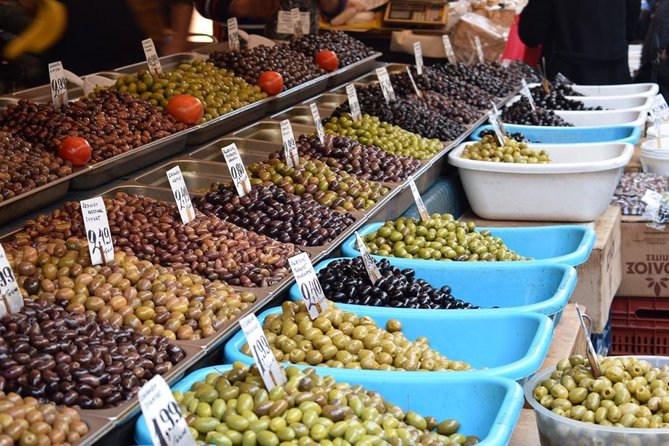
Olives get their own stop at a specialty shop in Monastiraki. You taste several varieties, including Kalamata and less familiar local types.
This is one of the more practical tastings because Greek olives vary widely in size, texture, saltiness, and flavor. Sampling several kinds side by side helps you understand why olives appear at breakfast tables, in salads, alongside drinks, and in cooked dishes.
I like the way this stop slows the tour down. After pastries, cheese, yogurt, and cured meats, olives offer a small but clear lesson in a basic Greek ingredient. You can also note which varieties you prefer before buying food to take home.
The stop is not a full market visit, and the itinerary has many more tastings ahead. Still, it gives you a useful reference point for restaurant menus and Greek grocery shops.
Loukoumades bring in the sweetness
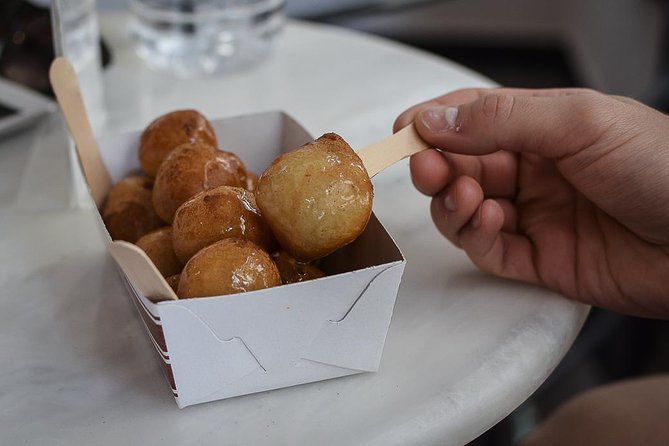
Loukoumades are small Greek doughnuts covered with honey. They provide a sweet change after the savory meats and olives.
The appeal here is immediate, but the tasting also shows how Greek food moves between simple ingredients and generous flavor. Crisp dough, warm sweetness, and honey make loukoumades an easy favorite, even for people who are cautious about unfamiliar dishes.
This is another reason to arrive without a large breakfast. The tour is not built around tiny nibbles. Each stop contributes to a full meal, and the sweet courses arrive before lunch is over.
Athens Central Market, a look at everyday shopping
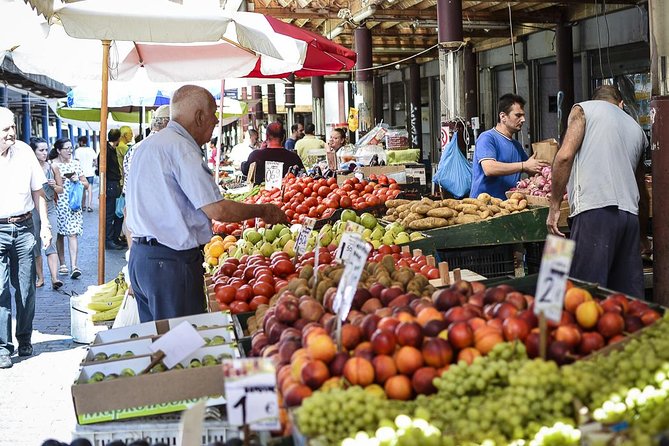
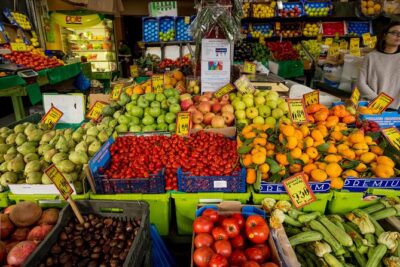
The visit to Athens Central Market is one of the strongest parts of the route. You walk through the area where fresh produce, meat, and fish are traded, seeing the working side of the city’s food culture.
The market adds context to everything you have already eaten. Cheese, meat, olives, and vegetables stop being abstract menu items and become products bought, prepared, and sold every day.
The market can be active and crowded, with plenty of sights and smells competing for your attention. That is part of its value, though it may feel intense if you prefer quiet sightseeing. Keep close to your guide and pay attention to the walking surface.
The half-hour visit is long enough to get a feel for the place without turning the morning into a market study. It is also a useful spot for learning what locals buy for home cooking, rather than seeing only the polished side of Athens aimed at visitors.
A homemade lunch in Monastiraki
Lunch comes at a traditional eatery, where you try homemade Greek recipes using local ingredients. The dishes can change with the season and may include appetizers, salad, and a main course.
The menu information points to foods such as moussaka and stuffed tomatoes and peppers. Moussaka is a roasted dish often built around eggplant or potatoes and meat, while stuffed vegetables show how Greek cooking turns modest ingredients into a satisfying meal.
This is where the tour shifts from individual tastings to the shape of a Greek meal. You see how several shared plates work together, and you get a better sense of the difference between a snack and a proper lunch.
There is one useful qualification. The exact lunch selection is seasonal, and one reported experience found the meal could have used more meat. If you want a large meat-centered lunch, this may not match your expectations. The overall quantity, however, is substantial.
Psiri, coffee, and the final pastry
The final walk leads to Psiri, a bohemian central neighborhood, for Greek coffee and dessert. Possible sweets include portokalopita, an orange pie with a fragrant citrus flavor.
Greek coffee is thick, strong, and meant to be enjoyed slowly. It makes a fitting close to a tour that has moved at an unhurried pace from one family-run food business to another.
Dessert also gives the guide time to offer suggestions for the rest of your stay. The route passes through areas you may want to explore later, and the guides are praised for sharing local recommendations.
By this point, you will probably feel well fed. The final café stop is less about adding another major meal than about sitting down, talking, and finishing the morning with something sweet.
What the price of $107.63 includes
At $107.63 per person, this is not a budget breakfast. The value comes from the amount of food and the range of stops.
You are paying for roughly four hours, a small group of no more than 10 people, a guide, more than 15 tastings, the Central Market visit, drinks such as wine or raki, and enough food to replace lunch. If you bought each item separately, you would still need to pay for the guide and the local context that ties the meal together.
The tour also saves you from guessing which shops are worth entering. Family-run bakeries, delis, specialty olive shops, traditional eateries, and cafés can be difficult to choose on your first visit. A guide who already has relationships with shop owners can make these stops feel more natural and less like random purchases.
I would judge the price as fair for visitors who enjoy food and want a guided introduction to central Athens. It is less attractive if you eat very lightly, avoid most Greek specialties, or prefer to spend four hours inside major archaeological sites.
Private transportation is not included, but that is not a serious issue here. The route is designed to be walked, and the start and end points are in central neighborhoods.
Timing, group size, and useful preparation
The tour begins at 10 a.m. at Syntagma Square and ends in Monastiraki. The starting point is near public transportation, and mobile tickets are accepted.
A maximum of 10 people is a real advantage. Guides such as Niki, Eugenia, and Manos are praised for including everyone, answering questions, and keeping the mood friendly. A small group also makes it easier to hear explanations inside busy shops and market lanes.
Tell the operator about dietary requirements when you book. Vegetarian substitutions can be provided, but it is better to give advance notice than to raise the issue once the tastings begin.
Most people can take part, but you should expect several hours on foot with repeated stops. Wear comfortable shoes, bring water, and avoid eating a full breakfast beforehand. The food is generous enough that some people push dinner back.
The tour is offered in English. It is a useful choice for your first morning in Athens because it gives you both a meal and a working map of the central districts.
Who will enjoy this food walk most
I would recommend it most strongly to first-time visitors who want a friendly introduction to Greek cuisine without spending hours in a formal cooking class.
It also suits you if you like trying unfamiliar foods but want a guide to explain what you are eating. The mix of cheeses, cured meats, olives, pastries, coffee, sweets, and home-style dishes gives you a broad first taste rather than focusing on one category.
Families and mixed-age groups can also do well here. The pace is relaxed, and you can skip a tasting without embarrassment. The small group helps the guide notice when someone needs a break or a clearer explanation.
This may not be your best pick if you want a private tour, a strong focus on ancient monuments, or a tightly controlled menu. The food can be abundant, and the lunch changes with the season. For vegetarians, advance notice is important.
Free cancellation is available up to 24 hours before the 10 a.m. start time. Changes or cancellations inside that window are not accepted for a refund.
Should you book the Athens Morning Food Tour?
Book it if you want to understand Athens through its everyday food shops, market stalls, cafés, and shared plates. The strongest reasons are the small group, the generous tastings, the Central Market visit, and guides who bring personal stories and food traditions into the walk.
I especially like it as an early-trip activity. You can use the guide’s suggestions for later meals, return to neighborhoods you enjoyed, and recognize dishes on menus with more confidence.
Skip it if you are not hungry in the morning, have strict dietary limits that cannot be adjusted, or would rather spend the same four hours on monuments. For everyone else, the $107.63 cost buys a substantial meal, a central Athens walk, and a much better sense of how Greek food fits into daily life.
FAQ
Where does the Athens Morning Food Tour begin?
The tour begins at Syntagma Square in Athens at 10 a.m.
Where does the tour end?
The tour ends in Monastiraki after the final coffee and dessert stop in Psiri.
How long does the tour last?
The experience lasts approximately four hours.
How many people can join the tour?
The group has a maximum of 10 travelers.
What food and drinks are included?
The tastings can include handmade Greek pie, four cheeses, Greek yogurt with honey, cured meats such as pastourma, olives, loukoumades, a seasonal lunch, Greek coffee, dessert, and wine or raki.
Can vegetarian food substitutions be provided?
Yes. Vegetarian substitutions can be provided, and you should advise the operator of dietary requirements when booking.
More Morning in Athens
- Athens: Early Morning Guided Tour to Acropolis and Museum
★ 4.6 · 821 reviews - Early Morning Acropolis & Old Athens Guided Walking Tour
★ 4.4 · 748 reviews - Athens: Half-Day Morning Catamaran Cruise with Meal & Drinks
★ 4.9 · 221 reviews - Super Saver Combo: Morning Acropolis, Museum and Afternoon Sounio
★ 4.0 · 206 reviews
Fresh on the Athens list
- Athens Airport Arrival Transfer to Hotels or Addresses in Athens★ 3.5 · 45 reviews
- Private Luxury Tour: Unveiling the Sacred Mysteries of Eleusis★ 5.0 · 45 reviews
- Luxury Catamaran Sunset Semi-Private & Greek Gastronomy in Athens★ 5.0 · 45 reviews
- From Athens: Aegina Island guided tour in a day★ 5.0 · 45 reviews
- Delphi, Thermopylae full day private tour from Athens★ 4.9 · 46 reviews
- From Athens: City & Corinth Guided Day Tour★ 4.8 · 46 reviews
- Acropolis Private Wine Tasting @ Finewine store★ 5.0 · 46 reviews
- Ancient Corinth Half-Day Private Tour from Athens★ 5.0 · 46 reviews
Athens Tours, compared.
Acropolis & up to 5 Archaeological Sites Combo Pass
Read our review →
Acropolis, Parthenon & Acropolis Museum Guided Tour
Read our review →
Cape Sounion & Poseidon Temple Sunset Half-Day Trip
Read our review →

Cape Sounio & Poseidon Temple Trip with Audio Guide
Read our review →
Hydra, Poros, and Aegina Day Cruise with Lunch
Read our review →Browse the lists this tour appears in