
Reviewed · ANCIENT CORINTH & PELOPONNESE TOURS
From Athens: Small-Group Mycenae, Epidaurus & Nafplio Trip
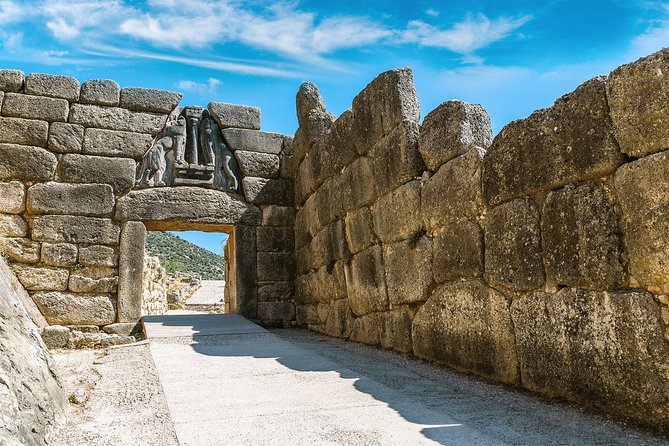
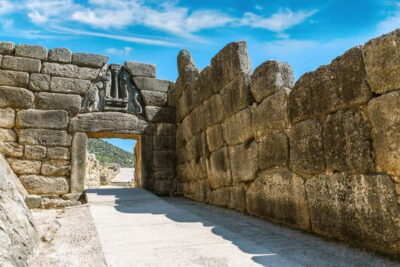
Mycenae is the star here: a Bronze Age fortress with huge Cyclopean walls, the Lion Gate, royal tombs, and the setting that inspired Homer. I like that this day links three very different places rather than giving you three similar ruins. I also like the archaeologist trip attendant, who provides context during the drives and leaves you free to explore at your own pace.
The main tradeoff is time. Ten hours sounds generous, but the route covers a lot of ground, and some visitors want another 30 minutes at Epidaurus. You also need to add €40 for the two archaeological admission fees, plus lunch, to the low starting price.
Key points at a glance
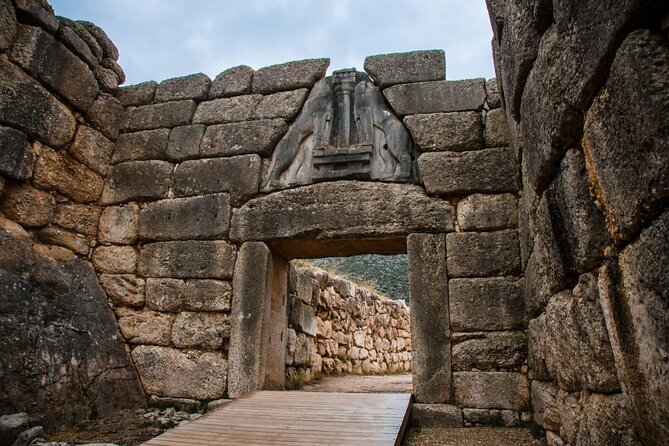
- Mycenae brings the Bronze Age to life: Walk through the Lion Gate, see the massive walls, and visit the Tomb of Atreus and Tomb of Clytemnestra.
- Nafplio gives the day a welcome change of pace: Use two hours for lunch, side streets, squares, shops, or a walk toward the hilltop fortresses.
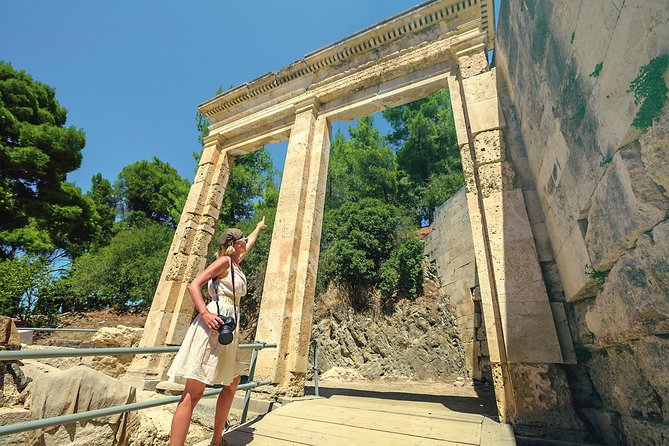
- Epidaurus is more than its famous theater: The ancient healing center and Temple of Asklepios make the final stop broader than a quick photo visit.
- The guide works mainly between sites: Archaeological stops are largely self-guided, supported by an audio guide app and site signs.
- The price is attractive but not all-inclusive: Transport, Wi-Fi, insurance, and the trip attendant are included, while entrance fees and lunch are extra.
- The small-group format can vary: The maximum is 49 people, though some departures use a much smaller minivan group.
Why this Peloponnese day trip works
This is a smart way to reach three important places outside Athens without renting a car or trying to understand the roads yourself. Mycenae, Nafplio, and Epidaurus sit in the northeastern Peloponnese, and each offers a different kind of experience: prehistoric power, a graceful seaside town, and classical architecture built around healing and theater.
I especially like the order. Mycenae comes first, when you are fresh and ready for a major archaeological site. Nafplio follows with lunch and unstructured time, giving your feet and mind a break. Epidaurus ends the sightseeing with its celebrated theater and wooded sanctuary.
The day lasts about 10 hours and returns to Athens. That is a long outing, but the stops break up the road time. A particularly well-paced departure may get you back around 6 p.m., although exact timing can vary. The route is busy, yet it does not feel like a single long haul when the schedule runs well.
A few other Athens mornings to price up
- From Athens: Mycenae, Epidaurus & Nafplio Full Day Trip
★ 4.8 · 2,438 reviews - From Athens: Mycenae, Epidaurus & Nafplio Full-Day Tour
★ 4.5 · 1,580 reviews - From Athens: Ancient Corinth Day Trip with Canal & VR Guide
★ 4.6 · 1,073 reviews
Meeting in central Athens
The departure point is Platia Karaiskaki, at Pl. Karaiskaki 3. You should arrive 10 minutes before the scheduled departure time. The meeting point is near public transport, but give yourself time to find the correct exit and the Ammon Express attendant.
The attendant carries an Ammon Express sign and meets you after you validate your ticket at the metro exit. That detail matters in a busy city, especially if you are arriving with luggage, children, or a group that tends to move at different speeds.
The bus is modern, air-conditioned, and equipped with Wi-Fi. Some departures use a minivan when the group is very small. That can make the ride feel more personal, though a full coach may feel less cramped for taller passengers. The advertised maximum is 49 people, so do not assume every departure will be a tiny six-person group.
Mycenae and the world of Agamemnon
Mycenae deserves the first major block of time. The archaeological site sits among high ground and open views, with the remains of one of the strongest kingdoms of the later Bronze Age. Around 1350 B.C., Mycenae was considered one of the greatest and wealthiest centers in the Greek world.
Your first memorable sight is the Lion Gate, the monumental entrance to the citadel. The enormous stone blocks used in the walls gave rise to the word Cyclopean, since later people could not imagine ordinary humans moving them. Even now, the scale makes the site feel almost mythical.
Inside the archaeological park, you can follow paths through the remains of the palace and other structures. The setting helps you picture Mycenae as a fortified royal center rather than a collection of scattered stones. Homer drew on the fame of Mycenae when composing the Iliad, which adds another layer to the visit, though the ruins themselves are far older than the classical Athens most visitors know.
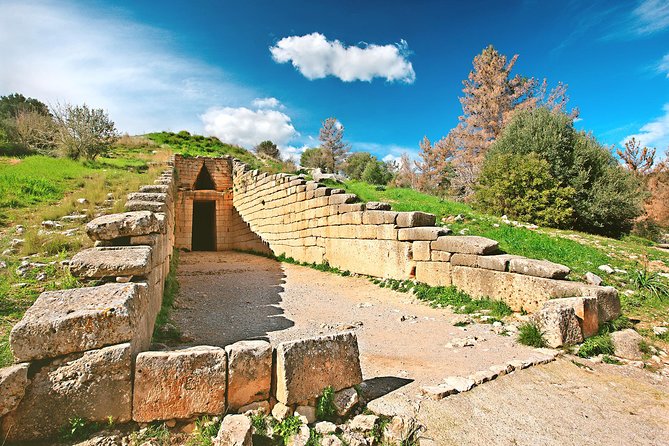
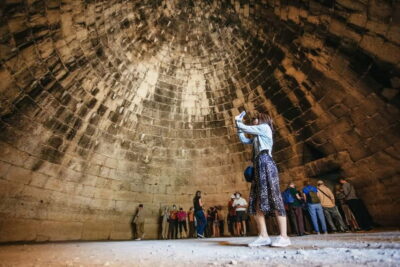
The Tomb of Atreus, also called the Treasury of Atreus or the Tomb of Agamemnon, is another major stop. This beehive-shaped tholos tomb has a long entrance passage and a tall, carefully built interior. The Tomb of Clytemnestra adds another connection to the royal stories tied to Mycenae.
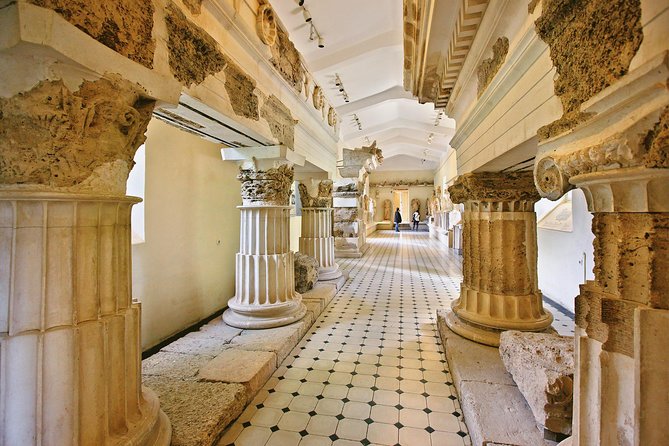
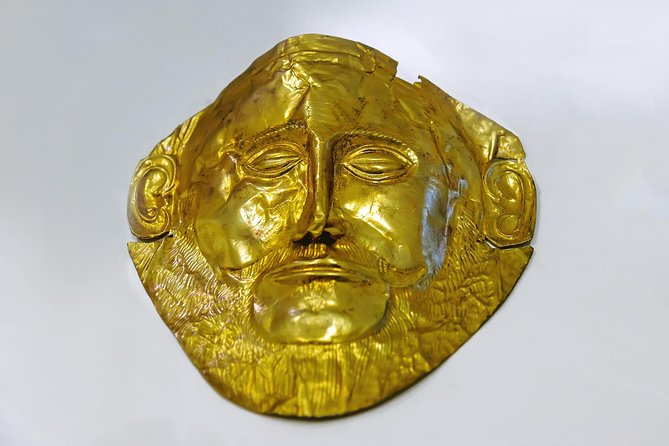
The site also has a small museum with interesting finds, including objects connected to the ancient settlement. If you like archaeology, allow time for it rather than spending every minute outside. The main paths and ruins are the priority, but the museum gives useful scale to the people who lived and worked here.
Admission to Mycenae is not included. The listed fee is €20 per person. European Union citizens up to age 25 and non-European Union citizens up to age 18 may enter free with the required identification. EU citizens age 65 and older can receive reduced admission from October 1 through May 31, but only the full price applies during June through October.
Wear sturdy, comfortable shoes. The site has open areas, uneven surfaces, and walking paths with little shade. Summer heat can make this first stop tiring, so carry water and use the free time sensibly.
Nafplio, lunch, and a change of rhythm
After Mycenae, you get about two hours in Nafplio. This is one of the best parts of the schedule because it interrupts the ruins with a living town, a proper meal, and time to wander without a guide directing every step.
Nafplio was once the capital of Greece before Athens took that role. Its buildings reflect Venetian, Byzantine, Ottoman, and modern Greek influences. You will see this mix in the old center, where squares, narrow streets, and waterfront views create a softer rhythm than the fortified hill at Mycenae.
Lunch is not included, and that is useful if you prefer choosing your own price and style. You can select a traditional Greek meal, a lighter snack, or something quick if you want to spend more time walking. The town has plenty of food choices, but some central spots are aimed at day visitors, so check the menu and prices before sitting down.
Use the remaining time according to your energy. You can browse artisanal shops and smaller side streets, sit in a square, or walk toward views of Bourtzi Castle offshore. Acronauplia and Palamidi Castle are also major features of Nafplio, but access to these sites is not included, and the two-hour stop may not leave enough time for a full visit.
That is an important choice. If you want to climb to Palamidi, you may need to skip a leisurely lunch and much of the old town. If you prefer a relaxed break, stay below and enjoy Nafplio as a town rather than treating it as another admission-based attraction.
Some visitors find Nafplio a little touristy, but its side streets and craft shops can feel more personal than the main waterfront. I would use this stop to slow down. The archaeological sites demand attention, while Nafplio rewards simple wandering.
Same island, an entirely different sort of day:
- Athens: Acropolis & up to 5 Archaeological Sites Combo Pass
★ 4.4 · 12,619 reviews - Athens: Acropolis Ticket with Optional Audio or Live Guide
★ 4.2 · 11,055 reviews - Athens: Acropolis, Parthenon & Acropolis Museum Guided Tour
★ 4.8 · 9,316 reviews - Athens: Cape Sounion & Poseidon Temple Sunset Half-Day Trip
★ 4.8 · 8,241 reviews
Epidaurus and the famous theater
The final stop is the Ancient Theatre of Epidaurus, with about one hour on site. The theater is famous for its remarkable acoustics and still hosts the Epidaurus Festival in summer. Stand near the center and listen as a companion speaks from the stage, then walk higher into the seating area to appreciate the design.
The theater is only part of the site. In antiquity, Epidaurus was a healing center linked to Asklepios, the god of medicine. The sanctuary included spaces connected with treatment, worship, and rest. The Temple of Asklepios and the wider remains show why this was more than an entertainment venue. It functioned as an ancient health complex, almost a five-star hotel for healing, though with very different medical methods.
This is the stop most likely to feel short. The theater itself is easy to recognize, but walking around the wider sanctuary takes time. If you want the full experience, go beyond the theater first and then return for photographs and a closer look at the seating. The museum is included with the site entry, but it is small, so give priority to the outdoor remains.
Epidaurus admission is listed at €20 per person. The same age rules apply as at Mycenae. The site has trees and fresh air, but some archaeological areas may still be exposed to the sun, so comfortable shoes and sun protection remain useful late in the day.
What the archaeologist guide adds
The trip attendant is an archaeologist, and that is one of the strongest reasons to choose this outing over simple transportation. The best information comes during the drives, when the guide can connect the sites and explain the wider story of Bronze Age kingdoms, Greek mythology, healing sanctuaries, and later Greek history.
Guides named in the feedback include Dimitra, Christos, Vassily, Orfeus, Angelina, Rori, Giorgi, Vivian, Katerina, Vula, Krissa, and Elefteria. The most praised guides combine clear history with a friendly manner. Giorgi, for example, is described as having studied archaeology and history, while Katerina is noted for her strong command of the subject and enthusiasm for the work.
Expect the archaeological sites themselves to be mostly self-guided. The attendant may explain key points before you enter or on the road, but this is not a private guided walk through every ruin. An audio guide app is included, and signs inside Mycenae can also help you follow the site.
That arrangement suits you if you like freedom. You can stop for photographs, follow a side path, or spend longer at the Lion Gate without staying beside a group. If you want detailed explanations at every monument, you may find the format lighter than a dedicated archaeological tour.
Is $35.62 really good value?
At $35.62 per person, the starting price is appealing for a full day outside Athens. You receive roundtrip transport, air conditioning, Wi-Fi, basic travel insurance, the archaeologist trip attendant, and the audio guide app. You also avoid the stress and cost of arranging a car for three separate destinations.
The headline price is not the final cost. Add €20 for Mycenae and €20 for Epidaurus, unless you qualify for free or reduced admission. Lunch in Nafplio is also extra. The two castles and Acronauplia are not included, though the itinerary does not require you to enter them.
Even after those additions, the outing can offer solid value if your goal is to see all three places in one day. The cost covers the difficult part: getting there efficiently and returning to Athens. If you already have a rental car and enjoy planning your own route, independent travel may give you more time at Epidaurus and greater control over Nafplio.
Who should book this day out?
I would choose this tour if you have only one free day beyond Athens and want a broad taste of the northeastern Peloponnese. It suits history lovers, first-time visitors, couples, families, and anyone who does not want to drive unfamiliar roads.
It also works well if you like a balance of structure and freedom. You get transport and historical background, then explore each site on your own. The Wi-Fi is a useful extra for checking messages or sharing photographs during the long day.
I would hesitate if you tire easily, need a slow archaeological visit, or want a full guided tour inside each site. The day is long, Mycenae has limited shade, and Epidaurus can feel rushed for anyone who wants to study the sanctuary and museum carefully.
Free cancellation is available until 24 hours before the start time. Changes or cancellations made less than 24 hours ahead are not accepted for a refund.
My final take
Book this trip if convenience matters and you want Mycenae, Nafplio, and Epidaurus in one well-planned day. Mycenae provides the strongest historical drama, Nafplio offers the nicest pause, and Epidaurus rewards anyone who looks beyond the famous theater.
Go in with clear expectations: this is escorted transportation with expert commentary, not a private guided tour at every ruin. Bring comfortable shoes, budget for €40 in admissions and lunch, and decide in advance if Nafplio’s fortresses or its old streets matter more to you.
FAQ
How long does the trip from Athens take?
The experience lasts approximately 10 hours and ends back at the Platia Karaiskaki meeting point in Athens.
Where does the tour start?
It starts at Pl. Karaiskaki 3, Athens 104 37, near the metro. You should arrive 10 minutes before the scheduled departure time.
What transportation is included?
Roundtrip transportation is provided in a modern, air-conditioned bus. Very small departures may use a minivan. Wi-Fi is available on board.
Is lunch included?
No. You have about two hours in Nafplio and can choose and pay for your own meal.
Are Mycenae and Epidaurus entrance fees included?
No. The listed admission fee is €20 per person for Mycenae and €20 per person for Ancient Epidaurus.
Is a guided tour inside the archaeological sites included?
No. The archaeologist trip attendant provides information, mainly during the road journey and around the stops. An audio guide app is included for additional help.
Can young visitors enter for free?
European Union citizens up to age 25 may enter free with valid identification or a passport. Non-European Union citizens up to age 18 may also receive free admission with the required identification.
What should I wear?
Wear comfortable walking shoes, especially for Mycenae. The archaeological areas include uneven paths and exposed sections, so practical footwear is important.
Fresh on the Athens list
- Athens Airport Arrival Transfer to Hotels or Addresses in Athens★ 3.5 · 45 reviews
- Private Luxury Tour: Unveiling the Sacred Mysteries of Eleusis★ 5.0 · 45 reviews
- Luxury Catamaran Sunset Semi-Private & Greek Gastronomy in Athens★ 5.0 · 45 reviews
- From Athens: Aegina Island guided tour in a day★ 5.0 · 45 reviews
- Delphi, Thermopylae full day private tour from Athens★ 4.9 · 46 reviews
- From Athens: City & Corinth Guided Day Tour★ 4.8 · 46 reviews
- Acropolis Private Wine Tasting @ Finewine store★ 5.0 · 46 reviews
- Ancient Corinth Half-Day Private Tour from Athens★ 5.0 · 46 reviews
Ancient Corinth & Peloponnese Tours, compared.
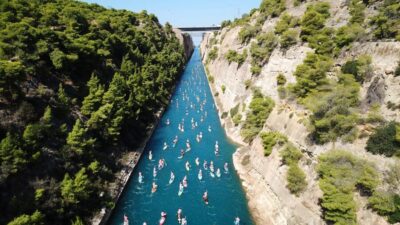
Ancient Corinth Day Trip with Canal & VR Guide
Read our review →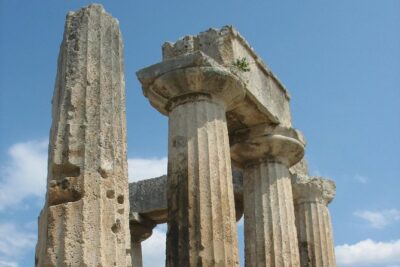
Private Biblical Tour Ancient Corinth & Isthmus Canal from Athens
Read our review →
4-Day Classical Greece Tour: Epidaurus, Mycenae, Olympia, Delphi, Meteora
Read our review →
Ancient Corinth & Nafplio Full Day Trip with Swim
Read our review →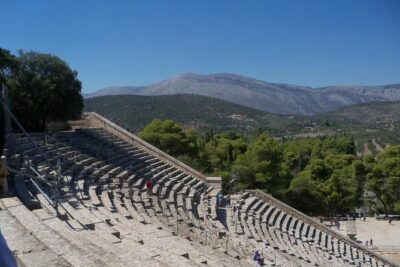
Mycenae and Nafplion Day Trip from Athens with Official guide
Read our review →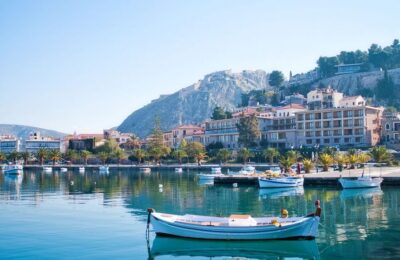
Browse the lists this tour appears in