
Reviewed · METEORA MONASTERIES TOURS
Kalabaka: Meteora Monasteries Minibus Tour with Photo Stops
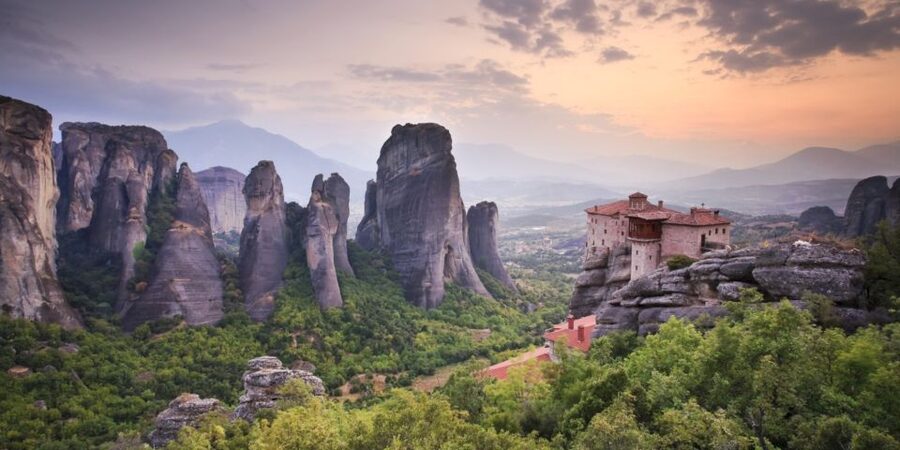
Meteora’s great appeal is not just its monasteries, but the older world of hermits who lived in caves beneath them. This four-hour minibus tour connects those quiet sites with three monastery stops, sweeping viewpoints, and an ancient church built centuries before the monasteries.
I like the small-group feel and the air-conditioned ride, especially in summer. I also like the guides’ personal touch: Ioanna, Areti, Andrew, and Christina have been praised for explaining history, art, and local customs in clear English. The main drawback is that monastery entrance fees are extra, and the current train-related schedule can make the outing shorter than the advertised four hours.
Key points at a glance
- Saint Antonios introduces Meteora before the famous monasteries: You begin with the first hermits, not just the best-known photo stops.
- The Saint George Mandilas cave adds a local tradition: This is a more unusual stop than a standard monastery visit.
- Three monastery viewpoints keep the scenery varied: You get several chances to photograph the cliffs and buildings from different angles.
- An ancient Byzantine church reaches back before monastic Meteora: The church was built about 300 years before the first monks arrived.
- A minibus handles the steep setting: You avoid trying to cover Meteora’s scattered sites on foot.
- The timing suits an Athens train day trip: The meeting point is outside Kalampaka Train Station, after the train from Athens arrives.
Why this Meteora tour feels different
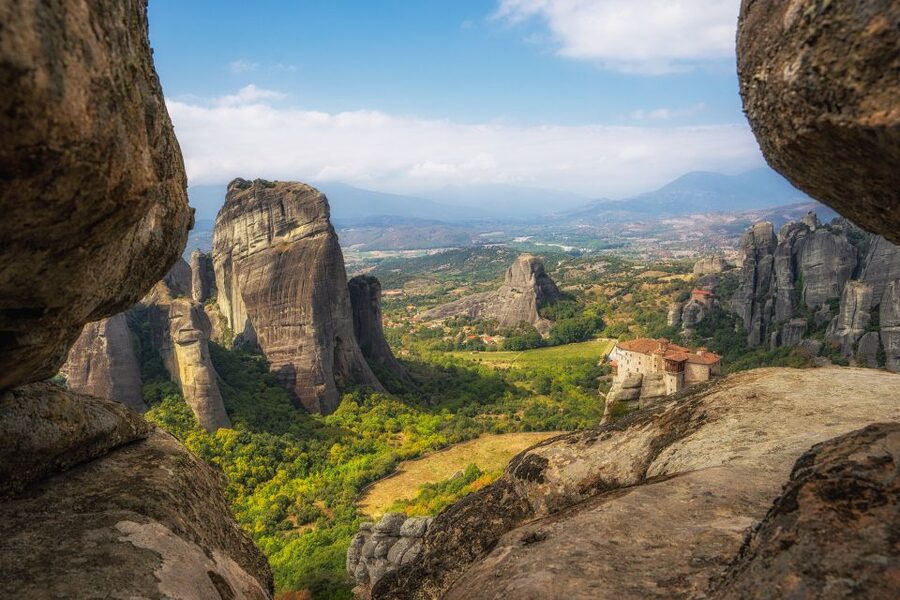
Many first visits to Meteora focus on entering one or two famous monasteries, climbing their steps, and rushing back to the station. This tour takes a wider view. It explains how the area began as a refuge for solitary hermits, then shows you the churches and monasteries that grew from that early religious life.
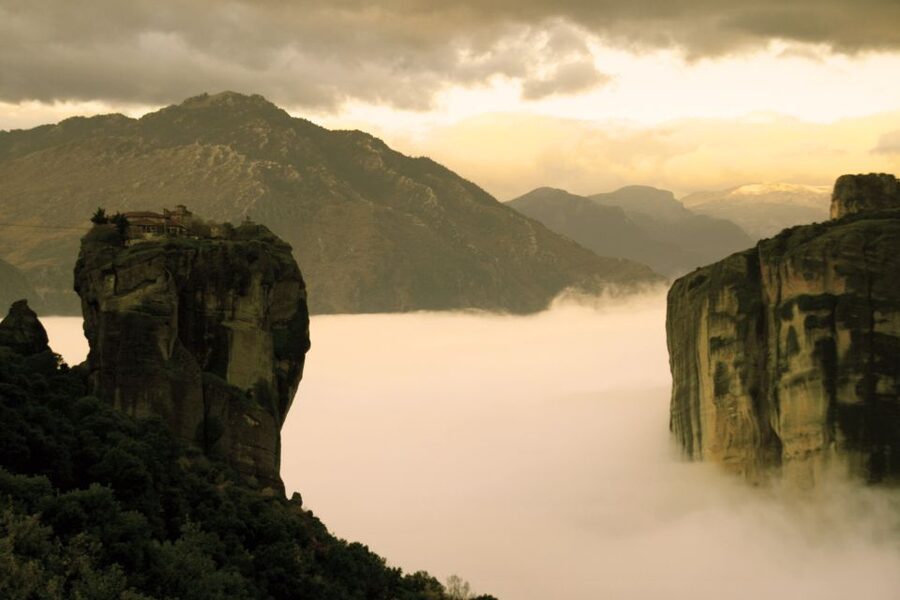
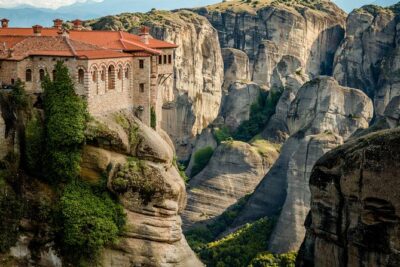
That order matters. The tall cliffs can seem almost theatrical from a distance, with monasteries perched high above the plain. At Saint Antonios, you get the human side of the story. The first hermits sought isolation in caves, and some of those old hermitages remain scattered through the rock.
I like this approach because it gives the monasteries a setting and a reason. You are not simply collecting photographs of dramatic buildings. You are learning why people came here in the first place, and why this difficult terrain became a center of Orthodox monastic life.
The tour costs about $34 per person. For that price, you receive transportation and a live English-speaking guide for roughly half a day. That is good value if you arrive by train and want a clear introduction without arranging a private car.
The price needs a small footnote. Entrance fees to the monasteries are not included, and there is no guide inside the monastery buildings. Budget extra for admissions if you plan to go indoors. The exact monastery access and order can also change with timing, road conditions, or the needs of the group.
A few other Kalabaka mornings to price up
- Meteora: Morning Half Day Sightseeing and Monasteries Tour
★ 4.7 · 478 reviews - Meteora: Majestic Sunset Tour & Monasteries with Local Guide
★ 4.7 · 359 reviews - Meteora: Panoramic Morning Small Group Tour with Local Guide
★ 4.7 · 334 reviews
Meeting at Kalampaka Train Station
The meeting point is outside the entrance to the train station in Kalampaka, also written as Kalabaka or Kalambaka in English-language information. The tour is designed around the train from Athens, so you do not need to find a separate pickup point somewhere in town.
That is a major practical advantage. Meteora’s sites are spread across steep rock formations, and walking between them would take far longer than four hours. The minibus gets you from the station into the hills, then returns you to the same area at the end.
The current schedule deserves close attention. Due to temporary changes with Hellenic Trains, the tour is listed as starting at 1:10 p.m. and ending at 4:30 p.m. That is about three hours and twenty minutes, even though the experience is advertised as four hours. Check the date and departure time before booking, especially if you have an onward train.
The tour starts after the Athens train arrives. Still, I would not treat the connection as completely risk-free. A late train can reduce your time, so keep your wider Greek itinerary flexible if this outing is important to you.
Saint Antonios and the first hermits
The first major stop is Saint Antonios, where the earliest hermits arrived in the Meteora area. Your guide explains the beginnings of religious life here and describes how monks lived in caves and other hard-to-reach shelters.
This stop gives you a better sense of the area’s age. The monasteries that draw the crowds today came later. Before those large religious communities developed, individuals came here to live apart from the ordinary world, often in places that demanded a difficult climb and offered little comfort.
Your guide is the key to this part of the outing. Names assigned to past groups include Ioanna, also spelled Joanna, Areti, Andrew, and Christina. The strongest guiding style described for this tour is warm and well informed, with explanations that connect history, art, religion, and everyday practical details.
You can ask about the hermitages, the caves, and the way the monasteries developed. The guide also helps you understand what you are looking at instead of leaving you with a series of unexplained viewpoints.
Saint Antonios is not the sort of stop you choose for a long indoor visit. Its value comes from the story and the setting. If you want only grand interiors and famous icons, this may feel less immediate. If you want to understand Meteora as a living religious place, it is one of the most useful stops.
The Saint George Mandilas cave
The minibus continues to a cave dedicated to Saint George the Mandilas. This stop adds a local devotional detail to the day and shows another side of Meteora’s religious life.
A cave can be easy to overlook when the famous monasteries command the skyline. That is precisely why this stop works well. It brings you closer to the smaller acts of faith connected with the cliffs, rather than keeping the tour at the level of grand architecture.
The tour description does not promise a long hike or a full cave exploration, so you should think of this as a guided stop rather than a strenuous expedition. Wear comfortable shoes anyway. Meteora’s paths, steps, and uneven surfaces make firm footwear more useful than fashionable sandals.
Your guide can provide the context that makes Saint George the Mandilas meaningful. Without that explanation, it may look like a quick roadside pause. With it, you see how caves, saints, local customs, and the wider monastic tradition fit together.
Same island, an entirely different sort of day:
- Athens: Guided Tour to Meteora Monasteries & Hermit Caves
★ 4.7 · 211 reviews - Kalabaka: Meteora Small-Group Hiking Tour w/ Monastery Visit
★ 4.9 · 205 reviews - From Kalabaka/Kastraki: Meteora Monasteries Morning Tour
★ 4.8 · 178 reviews - Meteora: Sunset Small Size Tour with Monastery & Caves visit
★ 4.9 · 171 reviews
Three monasteries from the best viewpoints
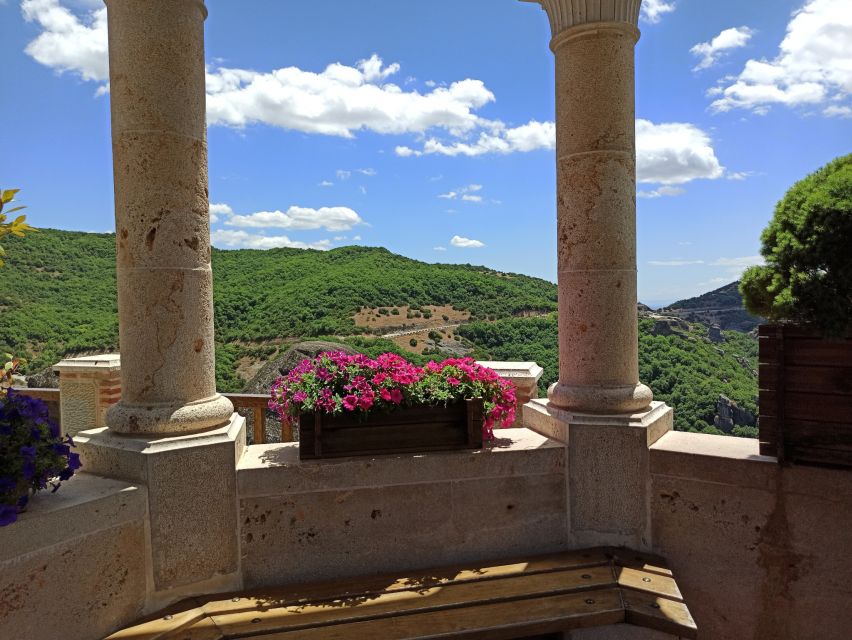
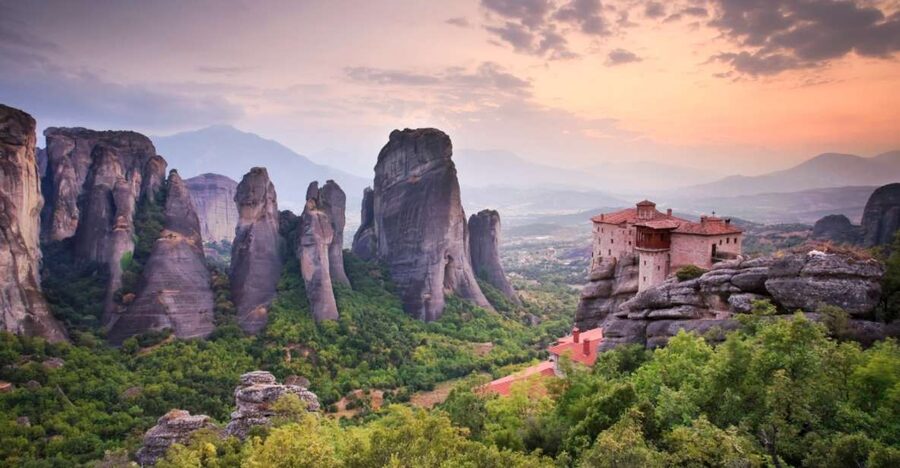
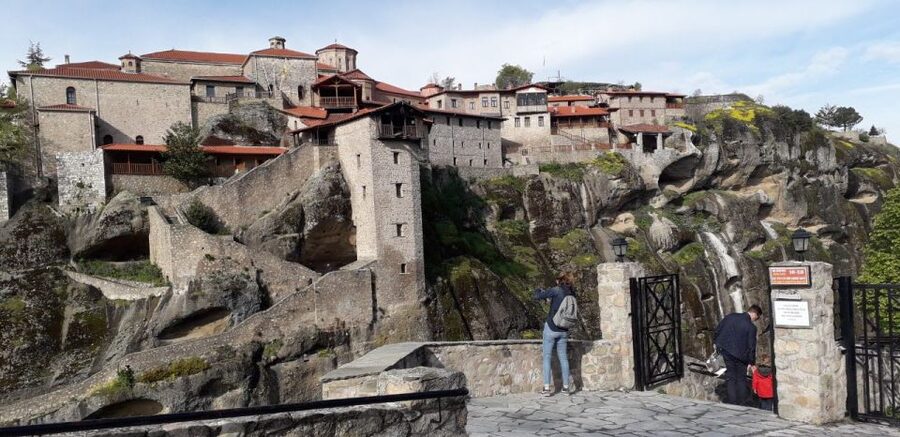
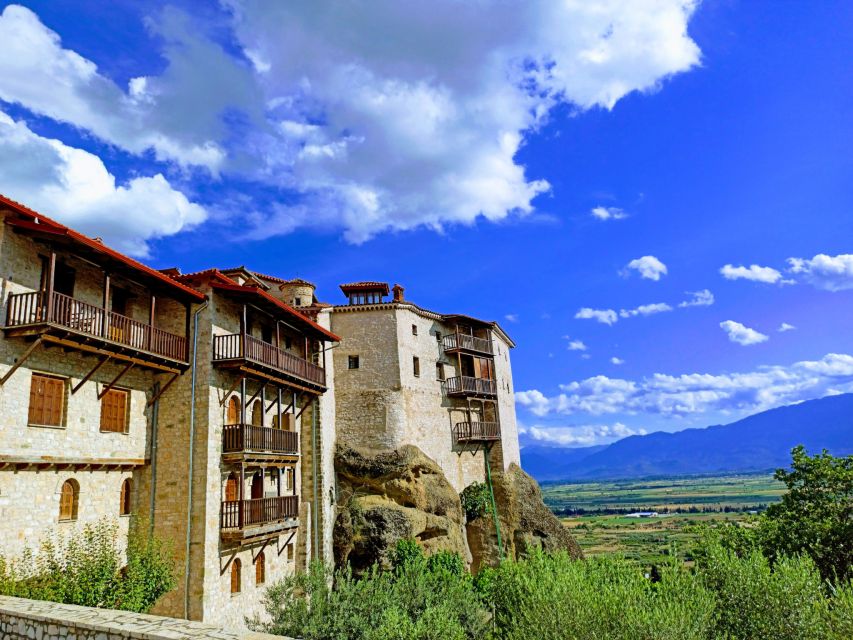
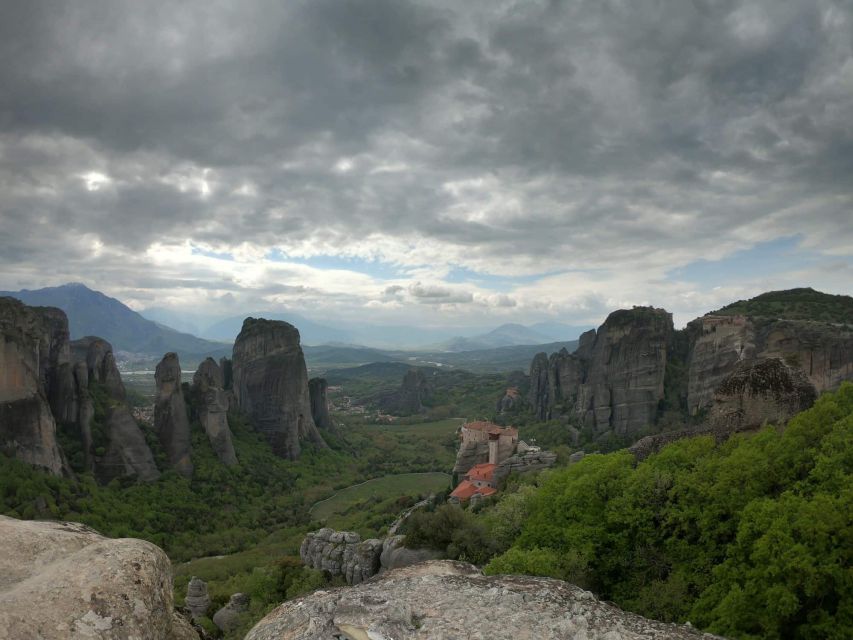
The minibus stops at three Meteora monasteries, with time for photographs and sightseeing. These stops are a strong reason to choose this tour instead of relying on a single monastery visit.
The views change as the vehicle moves through the area. From one point, you may frame a monastery against the rock; from another, you may look across the cliffs and the valley below. Drivers such as Nikos, Kostas, and others have been singled out for finding good photo positions and helping with pictures when needed.
This is especially useful if you are traveling alone or as a couple. You can ask the driver or guide to take a photograph rather than settling for a hurried selfie.
Do not confuse monastery photo stops with a guaranteed guided visit inside every building. The experience includes stops at three local monasteries, but entrance fees are extra, and the guide does not accompany you as an official guide inside the monasteries. The exact amount of time available for interior visits depends on the day’s schedule and the group.
One past itinerary description says the tour can provide the chance to enter three monasteries, so access may be possible when the timing works and admissions are paid. I would confirm the current plan before booking if entering specific monasteries is your top priority.
The photo stops themselves are valuable even if you visit fewer interiors. Meteora is one of those places where the setting often tells as much of the story as the building. You need distance to appreciate how the monasteries sit on the cliffs, and a minibus tour gives you that distance.
The ancient Byzantine church
Another stop is an old Byzantine church dedicated to the Virgin Mary. It was built roughly 300 years before the first monks arrived in Meteora.
That date gives the church unusual importance. It shows that religious life in the region did not begin with the cliff-top monasteries. The church belongs to an earlier chapter, before the hermits and monastic communities made Meteora famous.
The visit also breaks up the day nicely. You move from caves and exposed rock to a more traditional place of worship. Your guide can help you place the church within the longer religious story of the region.
As with the monasteries, the amount of time you spend at the church depends on the group and schedule. The provided details do not specify admission arrangements or interior access, so ask your guide on the day if you want to know exactly what you can enter.
What the minibus adds
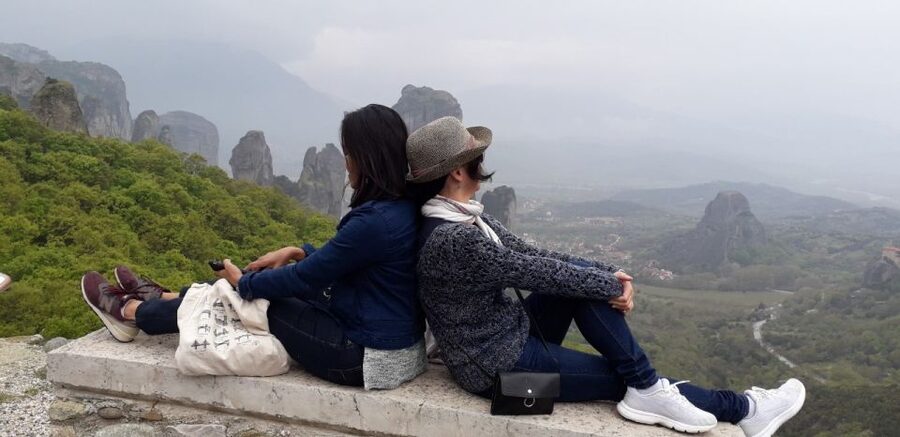
Meteora looks compact on a map, but the cliffs and monasteries are not arranged for easy walking. A vehicle changes the day from a long physical challenge into a manageable sightseeing circuit.
The minibus is described as comfortable and air-conditioned. That matters in the warmer months, when getting back into a cool vehicle between stops can make the outing much easier. In winter, the vehicle also gives you a practical base between exposed viewpoints.
Drivers have received especially strong praise for safe handling, friendliness, and knowing where to stop. That is not a minor detail here. A good driver saves time, manages the narrow mountain roads, and positions the vehicle near useful viewpoints.
The tour is not a private vehicle experience by default. Group size can be small, and some departures have had only a few people, but you should not assume you will have the minibus to yourself. The small-group format can make it easier to ask questions and adjust the pace, while a larger group may mean less flexibility at each stop.
Guide quality and the value of local explanation
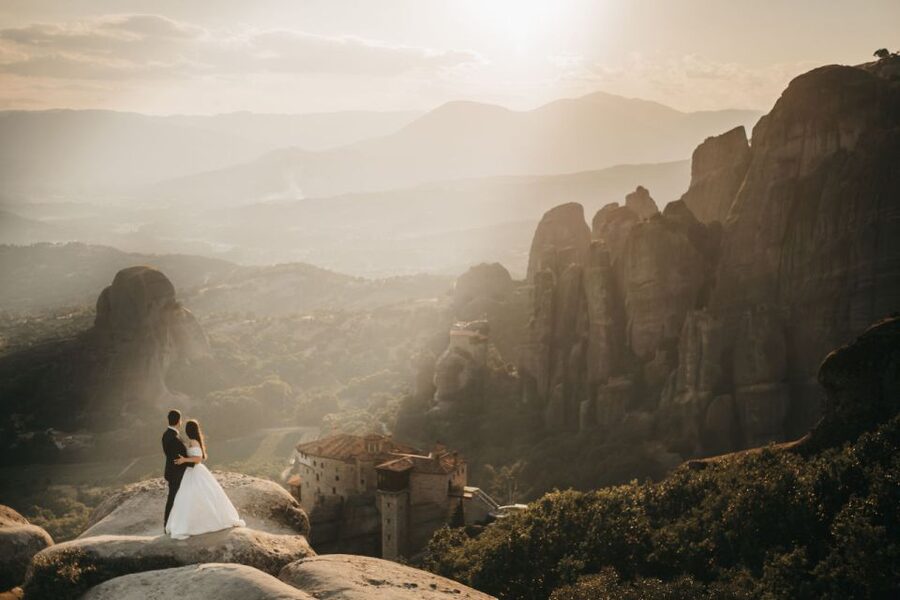
The guide is included, and the tour is conducted in English. The strongest part of the guiding is the combination of facts and practical care.
Ioanna, for example, has been praised for explaining history, art, and culture while also helping people choose between paths and stairs, find better photo positions, and understand what to look for inside the monasteries. That sort of advice makes a difference when you have limited time.
Other named guides include Areti, Andrew, and Christina. Their styles may vary, but the experience is built around a local guide rather than a recorded commentary. You can ask questions as the day develops and get a clearer idea of which sites deserve your attention.
The guide does not replace a specialist guide inside the monasteries. If you want detailed explanations of every icon, fresco, or religious object, you may need to read the information provided on site or arrange a separate service. For a broad introduction to Meteora, the included guide should be enough for most people.
Steps, clothing, and access
Bring comfortable shoes and comfortable clothes. This is not a long walking tour, but you will still encounter paths, steps, and uneven ground around religious sites.
You should also bring food. The tour lasts several hours, and the information provided does not include a meal or refreshments. A simple snack is sensible, especially if you are fitting the tour around the Athens train journey.
Modest clothing is a wise choice because the itinerary includes Orthodox religious sites. The supplied information does not spell out a dress code, but comfortable clothes that provide suitable coverage will make monastery visits easier.
There is conflicting information about wheelchair access. The activity details describe the minibus as wheelchair accessible, while the suitability notice says it is not suitable for wheelchair users. Do not rely on the general accessibility label. Contact the provider before booking and explain your exact mobility needs, including whether you can manage steps or transfer from the vehicle.
A leg problem need not automatically end the day, since guides and drivers have adjusted plans for people who found some monastery stairs difficult. That flexibility is useful, but it is not the same as full step-free access.
Who should book this tour
I would choose this tour if you have one day in Kalampaka, arrive by train, and want to see more than a single monastery without hiring a car. It also suits first-time visitors who want the area explained in plain English rather than simply photographed from the road.
It is a good fit for people who value:
- A short, organized outing from the train station
- Several viewpoints instead of one main attraction
- Stories about hermits, caves, churches, and monasteries
- Air-conditioned transport in a steep area
- A guide who can help with photo stops and practical choices
I would think twice if you want a slow, independent monastery visit with lots of time inside each building. You may also prefer another arrangement if you need a fully step-free route or if your train schedule leaves no room for delays.
At $34, the tour offers strong value for transportation, local commentary, and access to a broad range of sites. Add the monastery admission costs, and remember that interior guiding is not included. Even so, the price is reasonable for a short visit, particularly when compared with the effort of arranging transport between the cliffs yourself.
Booking advice and final verdict
Book this tour if you want a practical first look at Meteora that combines the famous monasteries with less obvious religious sites. The Saint Antonios hermit story, Saint George the Mandilas cave, and the older Byzantine church give the outing more depth than a simple viewpoint loop.
Before paying, check three things: the current start and finish times, which monasteries you can enter, and the accessibility arrangements. Also bring food, a camera, and shoes suited to steps.
I recommend it most for train-based visitors with limited time. You get a comfortable ride, several strong photo stops, and a guide who can connect the cliffs to the people who lived here. If your main aim is a detailed interior tour of particular monasteries, treat this as an introduction and plan extra time or a separate visit.
FAQ
Where does the Meteora minibus tour meet?
Meet your guide outside the entrance to the Train Station in Kalampaka. The tour is scheduled to begin after the train from Athens arrives.
How long does the tour last?
The activity is advertised as four hours. Due to temporary Hellenic Train changes, the current schedule states a 1:10 p.m. start and a 4:30 p.m. finish, which is about three hours and twenty minutes.
What language is the tour conducted in?
The live tour guide speaks English.
Are monastery entrance fees included?
No. Entrance fees to the monasteries are not included in the tour price.
Is a guide provided inside the monasteries?
No. The included guide explains Meteora during the minibus tour, but a tour guide inside the monasteries is not included.
What should I bring?
Bring comfortable shoes, comfortable clothes, a camera, and food.
Is the tour suitable for wheelchair users?
The activity information gives conflicting accessibility details. It describes the minibus as wheelchair accessible but also says the tour is not suitable for wheelchair users. Contact the provider before booking to confirm whether the route meets your needs.
Fresh on the Kalabaka list
- Meteora Sunset Tour on E-bikes★ 5.0 · 54 reviews
- Meteora: Monasteries Tour, Lunch, and Athens Transfer Option★ 4.8 · 102 reviews
- Athens to Meteora: Monasteries & Hidden Caves Bus Tour★ 4.7 · 141 reviews
- Meteora: Sunset Small Size Tour with Monastery & Caves visit★ 4.9 · 171 reviews
- From Kalabaka/Kastraki: Meteora Monasteries Morning Tour★ 4.8 · 178 reviews
- Athens: Guided Tour to Meteora Monasteries & Hermit Caves★ 4.7 · 211 reviews
- Meteora: Panoramic Morning Small Group Tour with Local Guide★ 4.7 · 334 reviews
- Meteora Electric Bike Tour★ 5.0 · 61 reviews
Meteora Monasteries Tours, compared.
Meteora Monasteries Day Trip with Caves and Lunch
Read our review →
Meteora Tour with Local Guide and Greek Lunch
Read our review →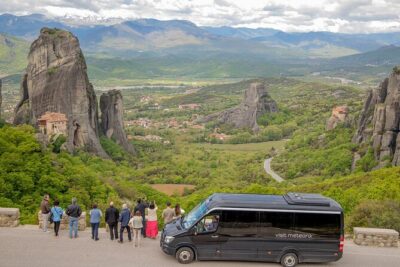
Meteora Monasteries, Caves & Coastal Stopovers with Lunch
Read our review →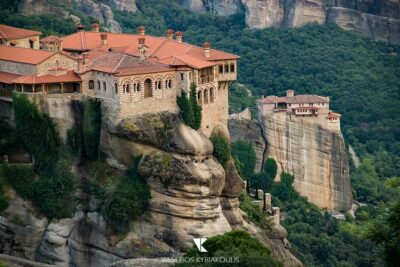
Meteora Monasteries & Caves DayTrip from Athens with Greek Lunch
Read our review →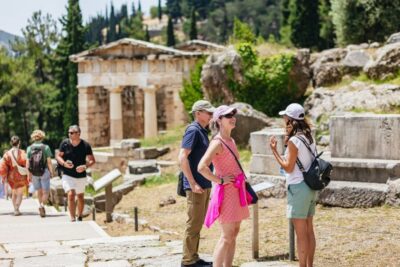
4-Day Classical Greece Tour: Epidaurus, Mycenae, Olympia, Delphi, Meteora
Read our review →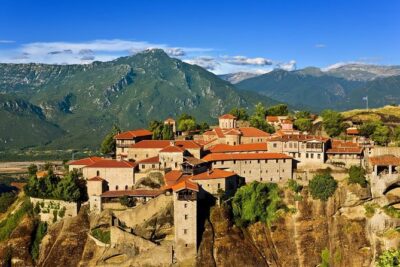
Meteora Monasteries, Hermit Caves Tour with Pickup
Read our review →Browse the lists this tour appears in